



Planting and Growing Mexican breadfruit plant

| Care difficulty | 2 / 5 |
|---|---|
| Watering schedule | Water when top inch of soil is dry, keep humidity high |
| Sunlight requirements | Partial shade |
| Ideal temperature | 18 – 27 °C |
| Soil type | Loam |
| Soil pH | Acid · Alkaline · Neutral |
| Soil moisture | Moist but well drained |
| Fertilizing | Monthly during growing season |
| Toxicity | Harmful if eaten, skin/eye irritant. Wear gloves and other protective equipment when handling] |
How to Water Mexican breadfruit plant?
Originating from the dense underbrush of tropical rainforests, swiss cheese-plant thrives in high humidity and consistent moisture. This species is well-adapted to environments where water is abundant but also exhibits resilience during brief dry spells. Its watering regimen should reflect its habitat's balance, requiring watering every week to maintain its lush foliage. As an evergreen plant commonly grown indoors, swiss cheese-plant benefits significantly from regular misting to emulate the humid conditions of its native climate.
Learn more →What Are the Sunlight Requirements for Mexican breadfruit plant?
Swiss cheese-plant loves a sunny spot in your home. It is recommended to place your swiss cheese-plant in a location which receives lots of indirect sunlight with a little bit of partial shade. Swiss cheese-plant has "muscles" so it can adjust its leaves to be closer to the light when it needs it, or further away when it doesn't. A good tip is to gently wipe the leaves every 2 weeks with a damp cloth to help it photosynthesize and rotate the plant every month to make sure all leaves have time in the sun.
Learn more →What Is the Ideal Temperature Range for Mexican breadfruit plant?

Swiss cheese-plant demonstrates significant resilience, tolerating temperatures from 0℃ to 43℃ (32°F to 109°F). This broad tolerance implies it can endure both cold and heat extremes but requires careful monitoring. In low temperatures, swiss cheese-plant may exhibit leaf yellowing and reduced growth, while high temperatures can cause wilting and sunburn. Protective measures, like using frost cloths during cold snaps or providing shade and increased humidity during extreme heat, are essential for optimal care. Despite its adaptability, sudden temperature fluctuations should be avoided to maintain the plant's well-being.
Learn more →What Soil Is Best for Mexican breadfruit plant?
Swiss cheese-plant thrives in well-draining soil that provides ample aeration, crucial for preventing root rot. A recommended soil mix consists of equal parts potting mix, peat moss, and perlite, ensuring good drainage. If peat moss is unavailable, coconut coir can be a sustainable alternative. Incorporating orchid bark can improve aeration and mimic swiss cheese-plant's natural growing conditions. Occasional additions of a balanced liquid fertilizer during the growing season will support robust growth. Maintain soil moisture, but avoid waterlogging.
- Soil type
- Loam
- Soil pH
- Acid · Alkaline · Neutral
What Are the Moisture Requirements for Mexican breadfruit plant?
Moist but well drained
Learn more →How to Fertilize Mexican breadfruit plant?

For optimal care, swiss cheese-plant thrives with a high nitrogen fertilizer to support its lush foliage growth. Fertilize monthly during spring and summer, its active growth phases, reducing to every other month in fall and reducing further to cease in winter when growth slows. Use a balanced, water-soluble formula diluted to half strength, thus avoiding over-fertilization, which can harm swiss cheese-plant. With careful application in line with growth patterns, fertilization promotes robust health and vibrant leaves, capturing the essence of this unique aroid.
Learn more →How to Prune Mexican breadfruit plant?

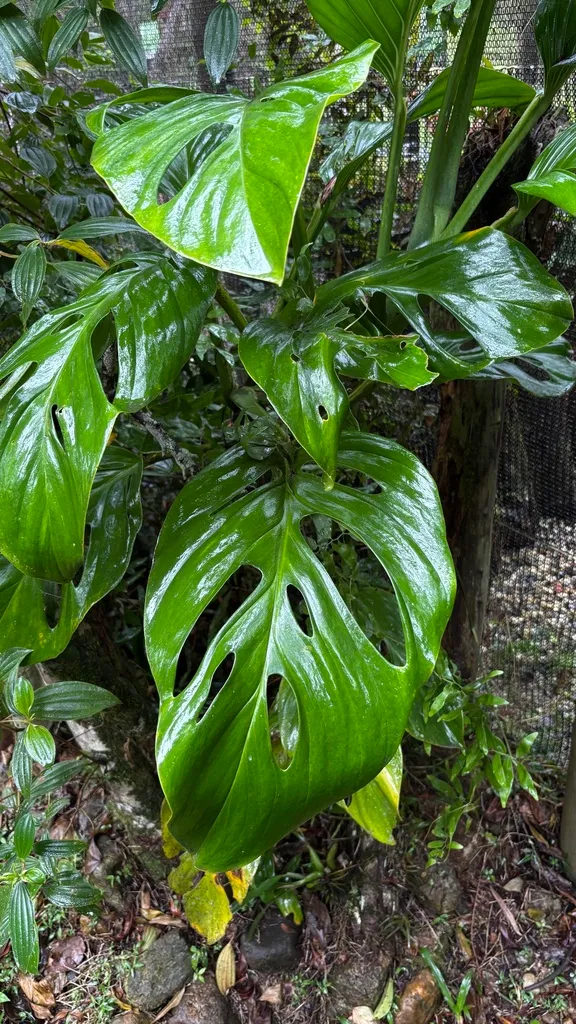
Swiss cheese-plant features perforated leaves, making it highly ornamental. Key pruning techniques include removing yellow or damaged leaves, cutting back leggy stems to promote bushier growth, and trimming aerial roots if they overextend. The optimal time for pruning is early spring, aligning with swiss cheese-plant's active growth phase. Pruning not only tidies the plant but also enhances light penetration and air circulation. Consistent pruning encourages more vigorous foliage and can help control the plant's size.
Learn more →How to Propagate Mexican breadfruit plant?

A tropical vining plant, swiss cheese-plant is known for its striking leaves featuring unique perforations. Successful propagation typically involves stem cuttings which should contain at least one node, the critical part for rooting. Moisten the cutting and place it either directly in soil or water, ensuring adequate humidity and warmth. Roots should begin to develop within a few weeks, after which the cutting can be potted in well-draining soil to foster robust growth. Gentle handling and proper hydration are central to helping swiss cheese-plant thrive from propagation onwards.
Learn more →How to Transplant Mexican breadfruit plant?
The optimal window to relocate swiss cheese-plant is when spring blooms into full vigor, providing growth-friendly conditions. Choose spots with dappled light, ensuring swiss cheese-plant's roots enjoy spaciousness. This rejuvenates swiss cheese-plant, promoting lusher growth. Maintain a warm, inviting tone when settling swiss cheese-plant in its new home.
Learn more →How to Care for Mexican breadfruit plant in Winter?

Information to be completed
Learn more →How to Plant Mexican breadfruit plant?
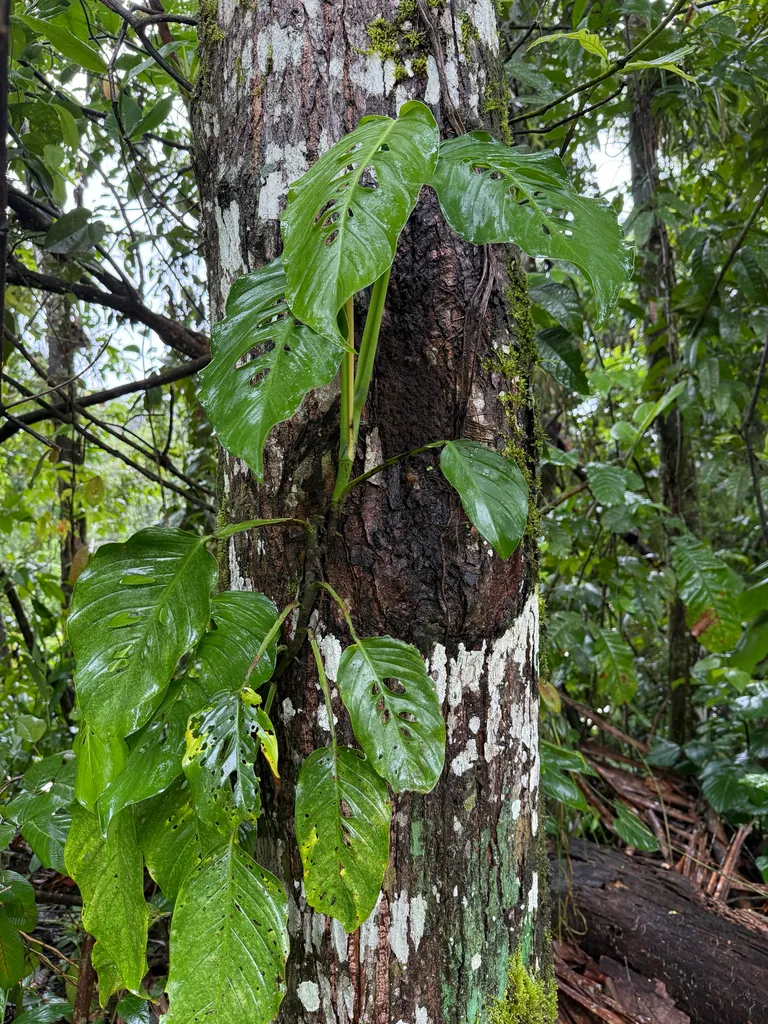
Indoors-potted: When potted indoors, swiss cheese-plant thrives with regular pruning to encourage a fuller growth pattern and prevent legginess. Outdoors-potted: In an outdoor pot, swiss cheese-plant benefits from strategic positioning to protect its delicate leaves from harsh winds that can cause tearing. Outdoors-in the ground: Planted in the ground outdoors, swiss cheese-plant requires ample space for its roots to spread, supporting its vigorous climbing habit.
Learn more →How to Repot Mexican breadfruit plant?
Repot swiss cheese-plant, a climbing aroid, during spring to accommodate rapid growth. Annual repotting ensures space for its expanding root system. Select a pot 2-3 inches larger in diameter with ample drainage. After repotting, place swiss cheese-plant in indirect light and maintain consistent watering to encourage recovery. Choose a potting mix that offers support and aeration for this unique, holey foliage plant.
Learn more →How to Harvest Mexican breadfruit plant?

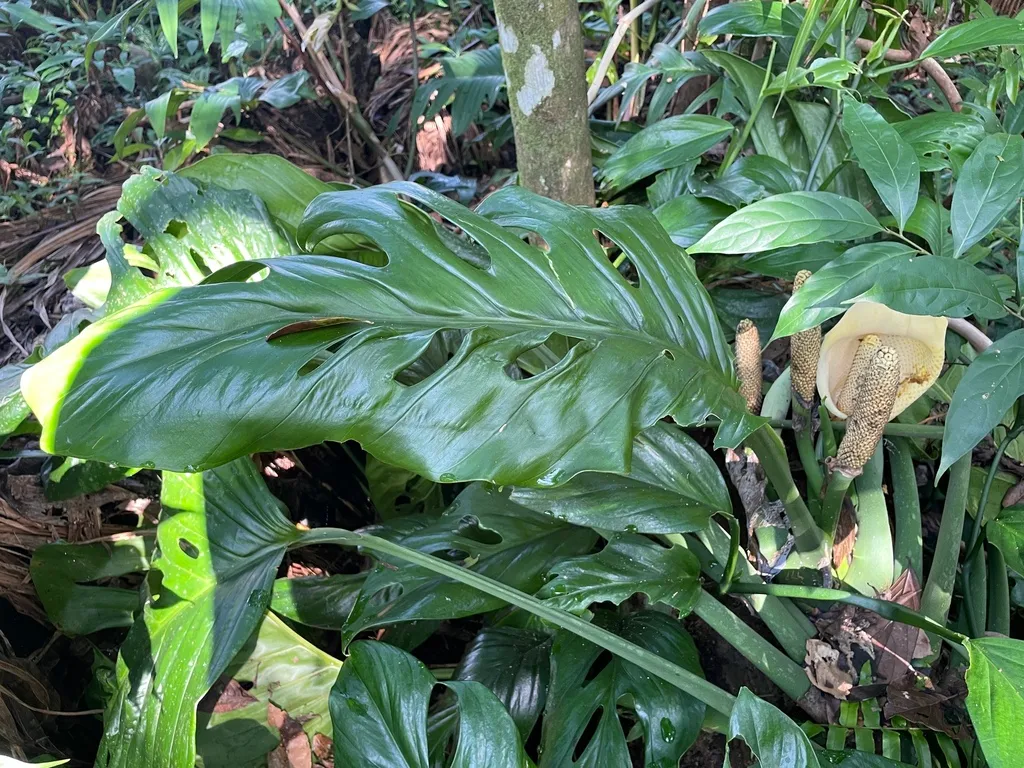
While the swiss cheese-plant can bear fruit from the age of six when growing in its natural habitat, it very rare for a houseplant. The fruit that it produces is known for being sweet and tasty when ripe, but if eaten before it is ripe, it can cause throat and skin irritation due to the oxalic acid it contains. Available to harvest in spring, you will know when the fruit is ripe because the outer skin, made up of green hexagonal scales, will start to fall off. It usually takes a full year for the fruit to ripen.
Learn more →Common Pests & Diseases

Diseases
Generally disease-free
Pests
May be susceptible to scale insects and glasshouse red spider mite
Explore the plant health library →The Toxicity of Mexican breadfruit plant
Harmful if eaten, skin/eye irritant. Wear gloves and other protective equipment when handling]