
date palm
Also known as: Information to be completed
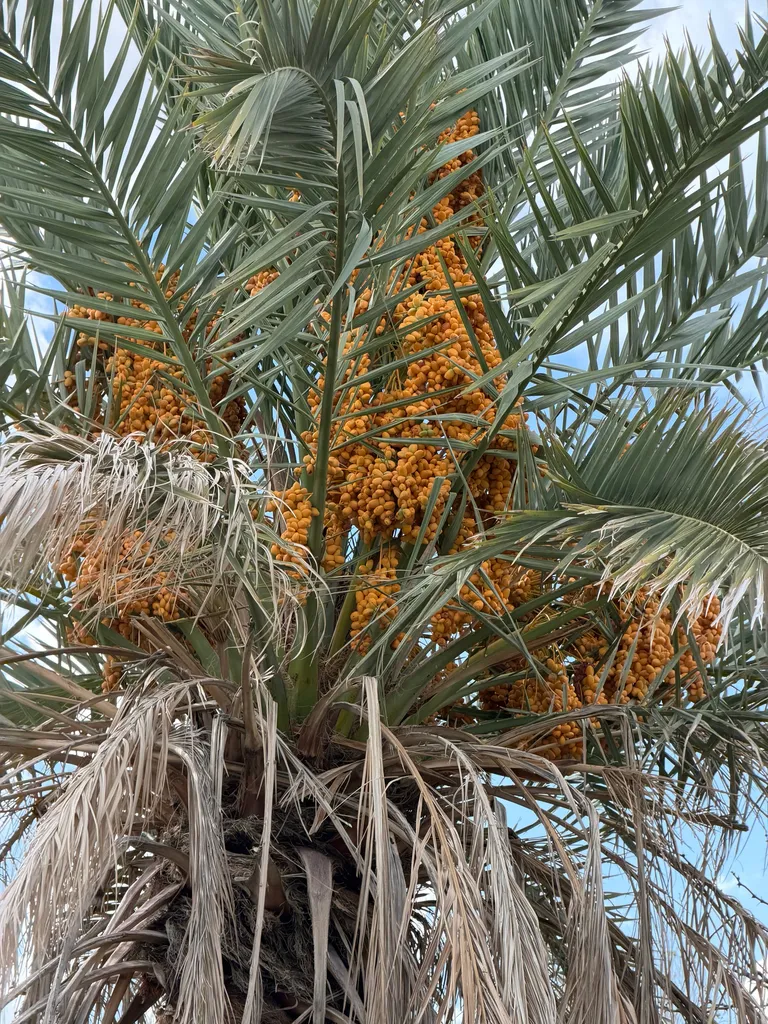
A tall, tender palm with elegant, arching leaves composed of many linear, grey-green leaflets. In its native environments it produces 1-2m long flower spikes from the crown of the tree; these are followed by sweet, edible fruits (dates)
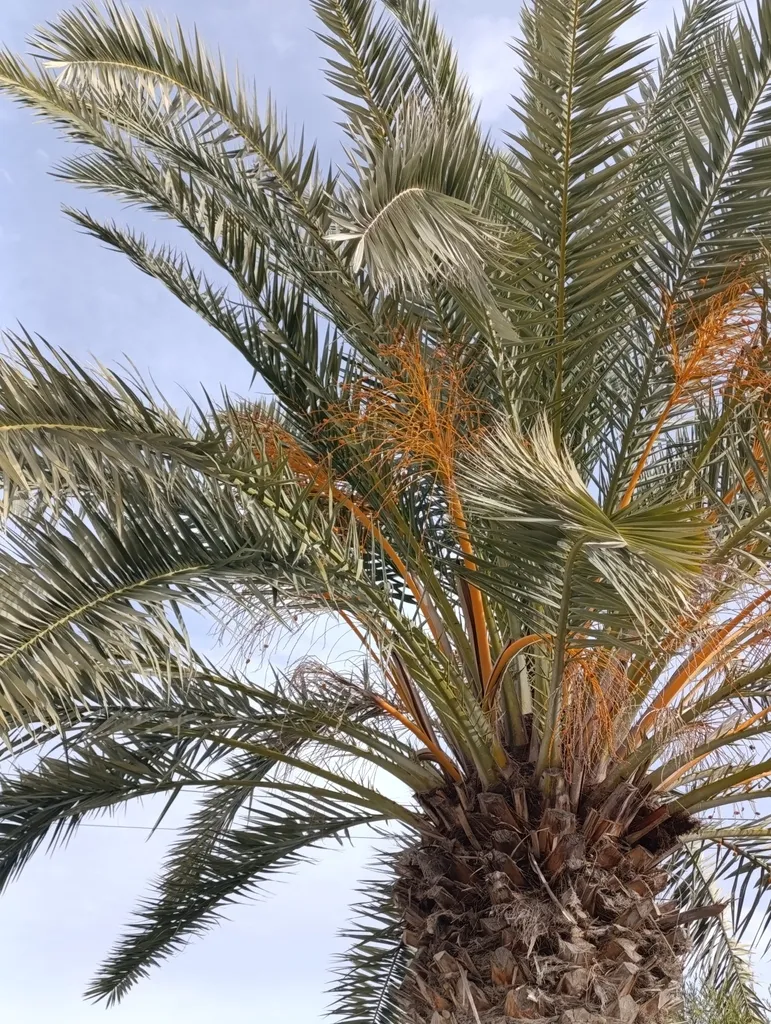
Scientific classification
- Species
- date palm (Phoenix dactylifera)
- Genus
- Phoenix
- Family
- Arecaceae
- Information to be completed
- Toxicity
- Palms
- Plant type
- Higher than 12 metres
- Height
- 2.5-4 metres
- Spread
- Evergreen
- Foliage
- Columnar upright
- Habit
- Spring · Summer · Autumn · Winter
- Season of interest
- Full sun
- Sunlight
- 15 – 25 °C
- Ideal temperature









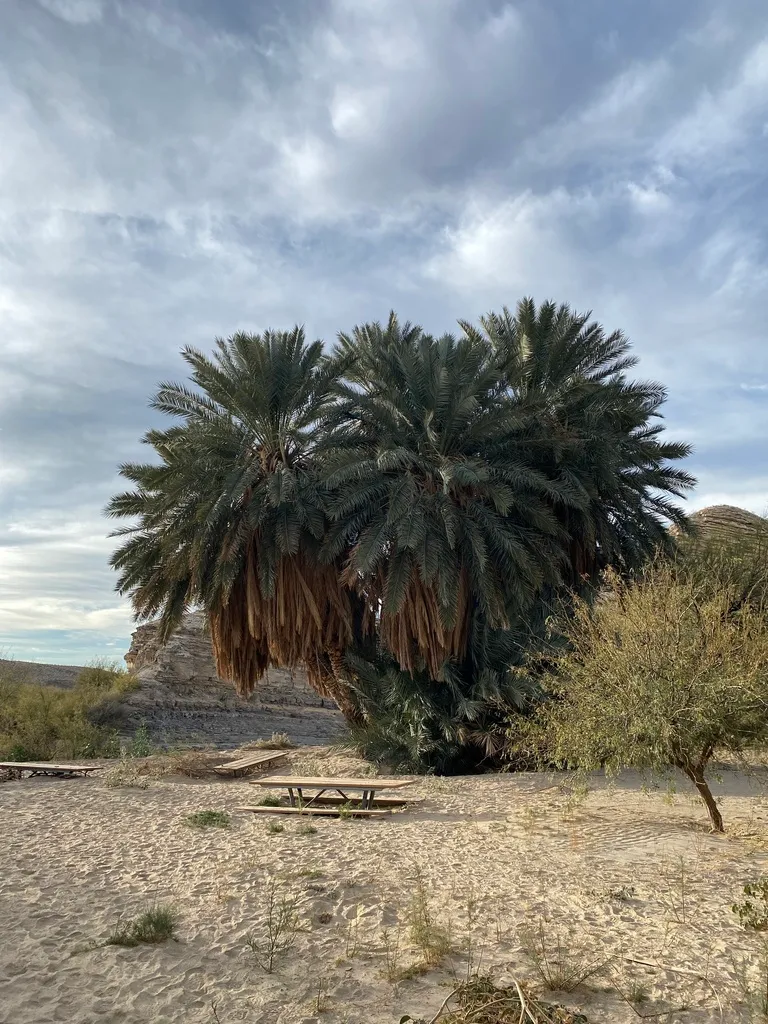
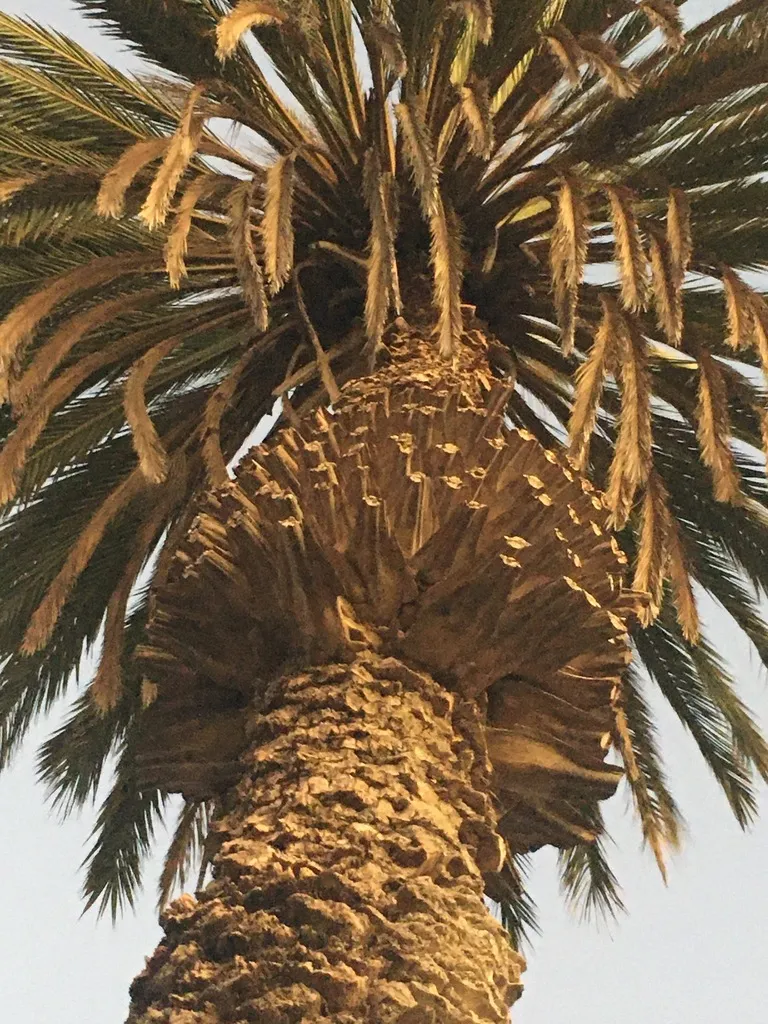
date palm pictures
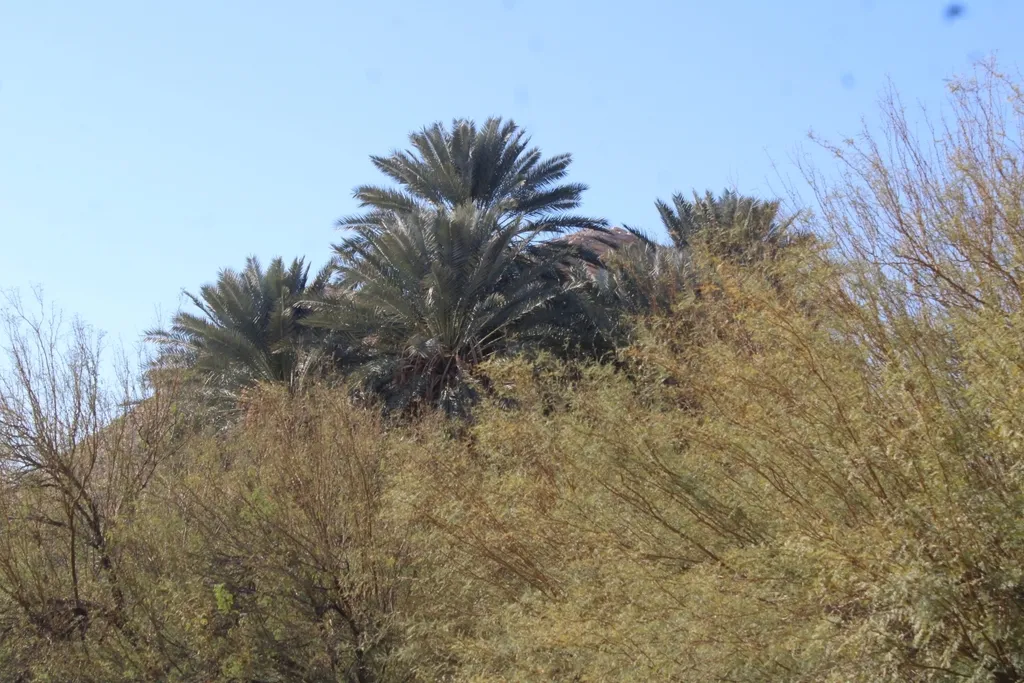
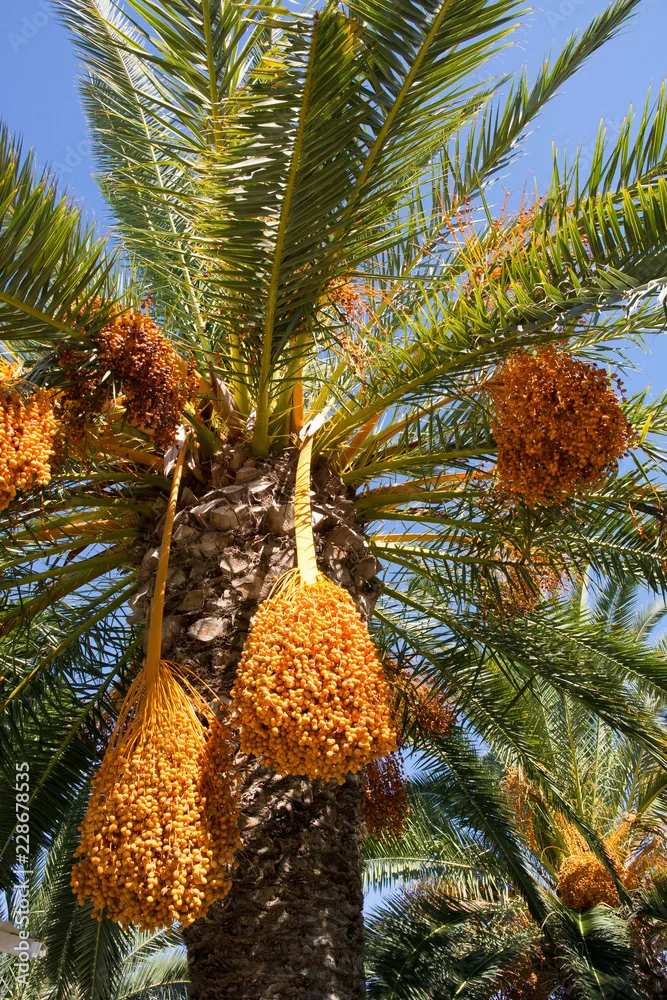
Distribution of date palm
Distribution map
Probably North Africa and W. Asia
Information to be completed
Culture
Information to be completed
Toxicity
Information to be completed
Quick identification of date palm
Information to be completed
date palm care guide
- Moderate regular watering, allowing brief slight drying between soakings
- Watering
- Full sun
- Sunlight
- 15 – 25 °C
- Ideal temperature

Watering
Moderate regular watering, allowing brief slight drying between soakings
Fertilizing
 Fertilizing
Balanced perennial feed every four weeks from spring through summer
Pruning
 Pruning
No pruning required
Propagation
 Propagation
Propagate by seed sown in spring
Growing
 Growing
Under glass, grow in loam-based potting compost in full light. Water freely in growth and apply a balanced liquid fertiliser monthly; water sparingly in winter. See palm cultivation indoors for further information
People also ask
Information to be completed
Common pests and diseases
Diseases
Generally disease-free
Pests
May be susceptible to glasshouse red spider mite and scale insects
Explore the plant health library →




