
Douglas fir
Also known as: green Douglas fir; Oregon pine
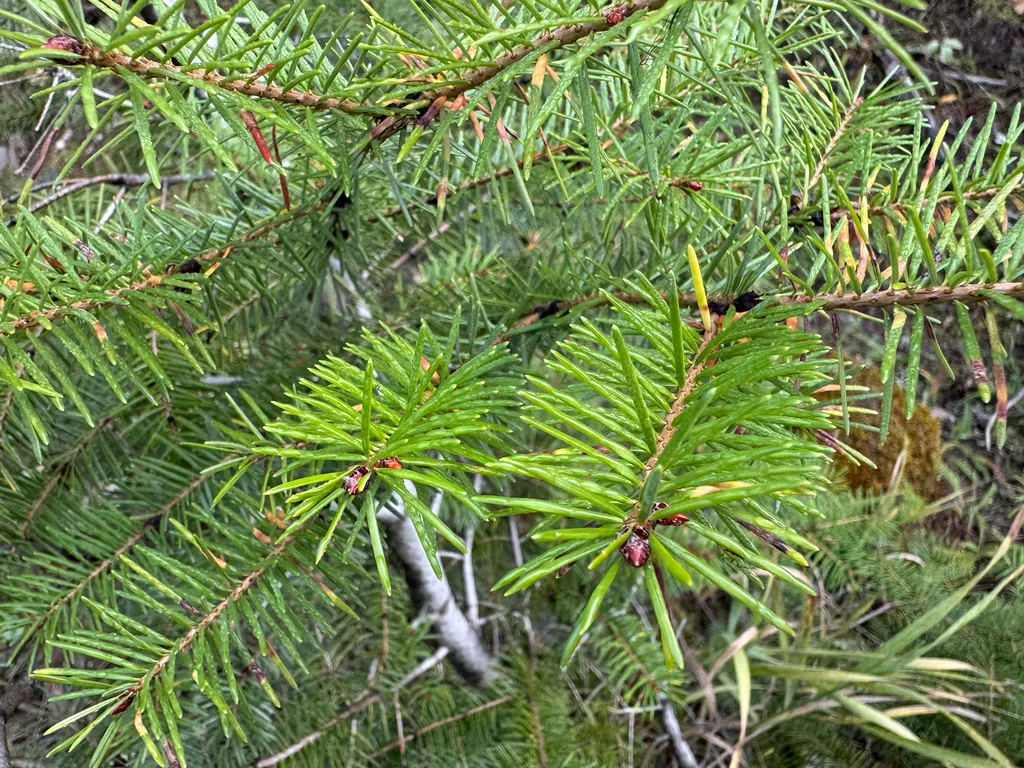
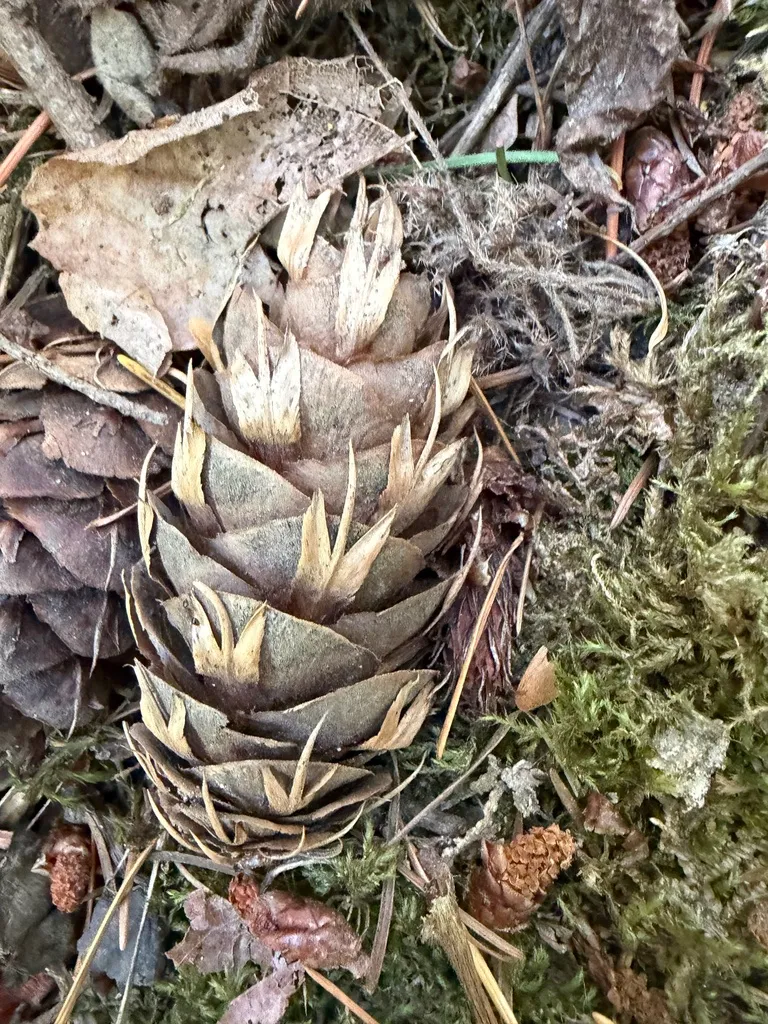
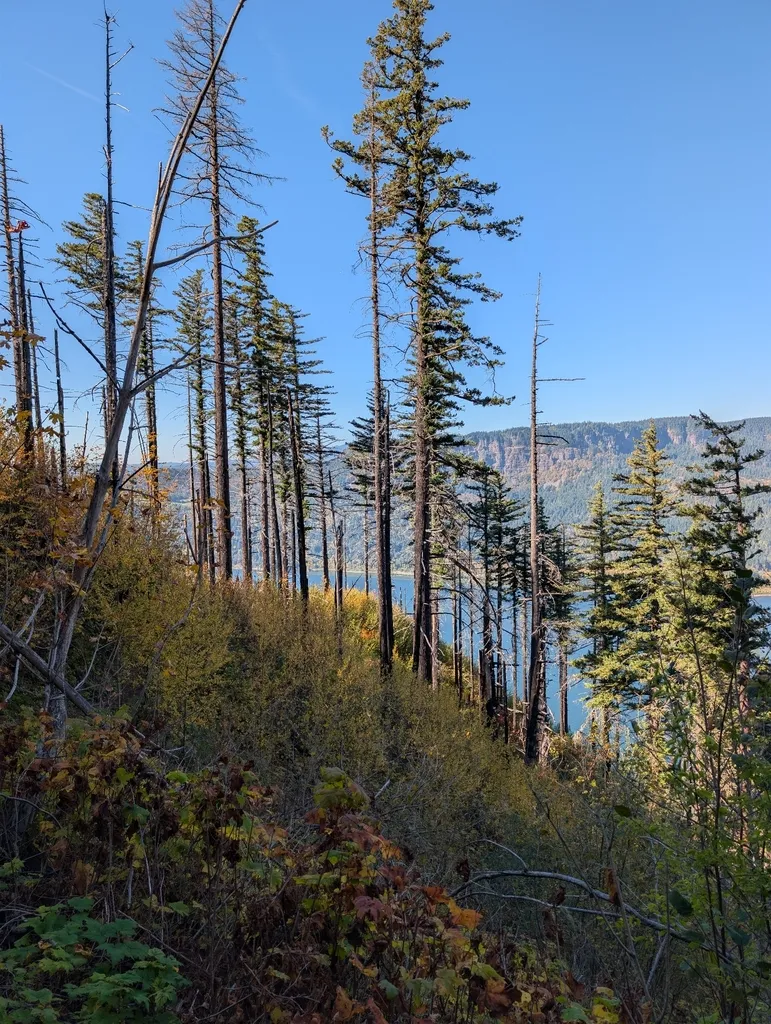
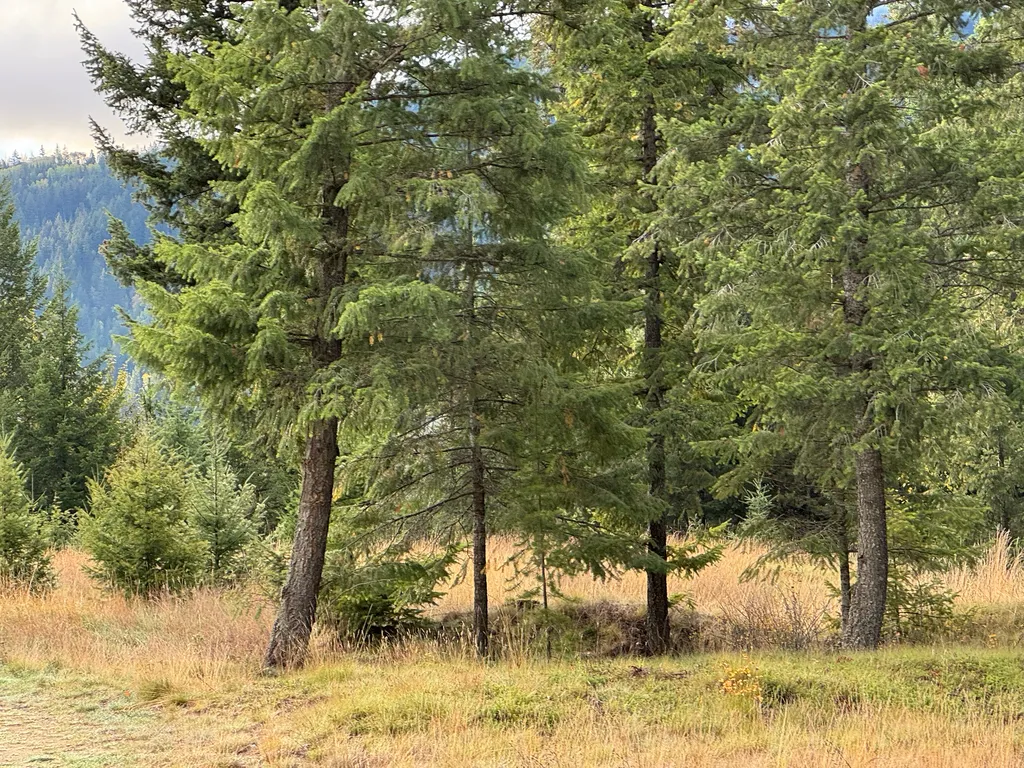
A fast-growing large evergreen tree of conical habit, the bark becoming thick and rugged; leaves linear, dark green, two-ranked. Cones to 10cm long, with conspicuous exserted bracts
Scientific classification
- Species
- Douglas fir (Pseudotsuga menziesii)
- Genus
- Pseudotsuga
- Family
- Pinaceae
- Information to be completed
- Toxicity
- Conifers · Trees
- Plant type
- Higher than 12 metres
- Height
- wider than 8 metres
- Spread
- Evergreen
- Foliage
- Columnar upright
- Habit
- Spring · Summer · Autumn · Winter
- Season of interest
- Full sun
- Sunlight
- 15 – 25 °C
- Ideal temperature









Douglas fir pictures
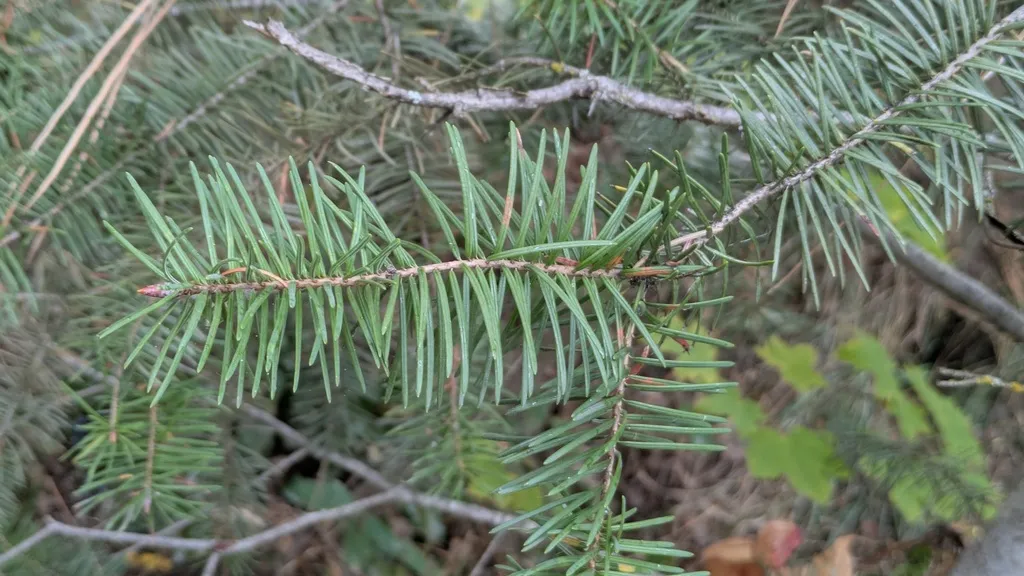
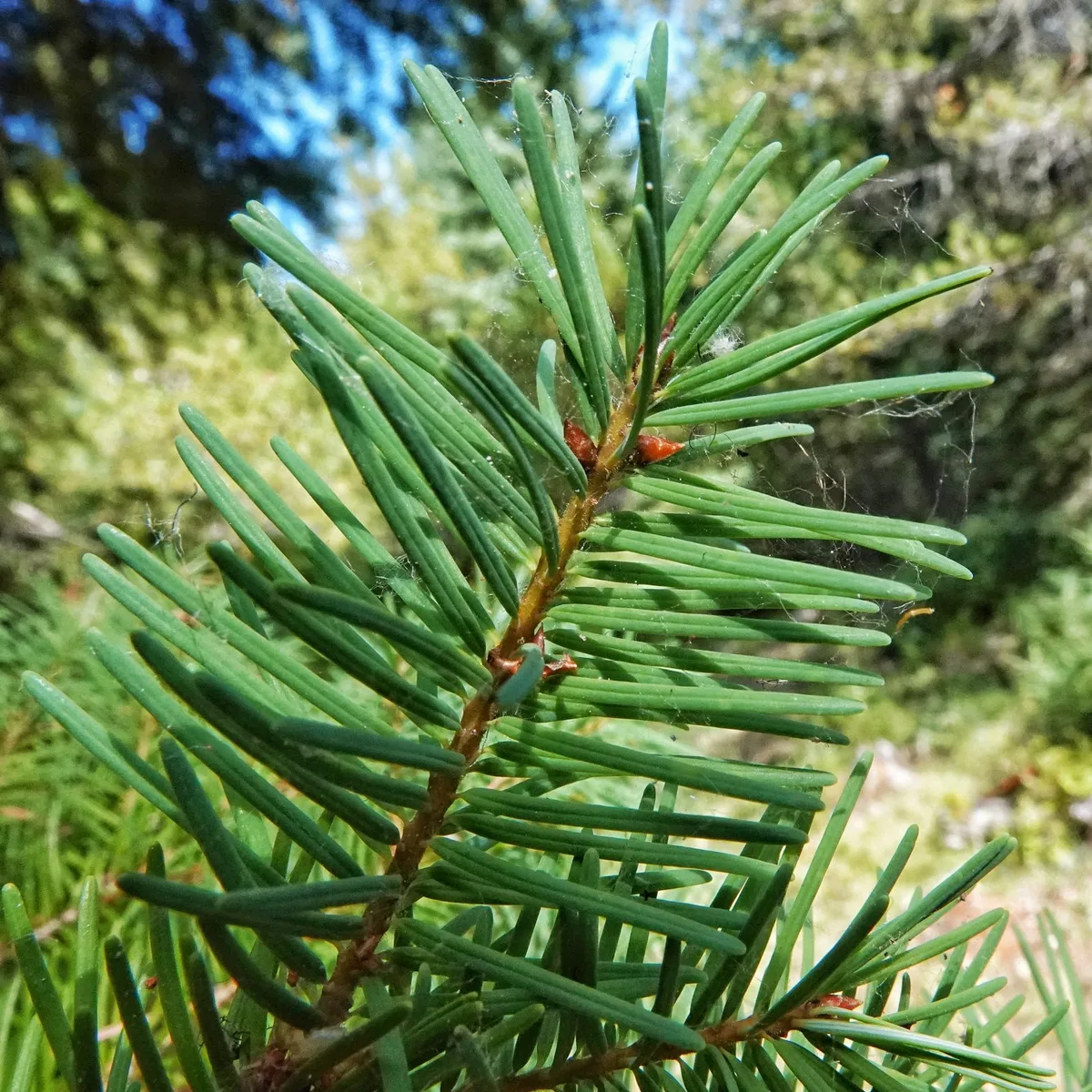
Distribution of Douglas fir
Distribution map
- Native
- Introduced
- Cultivated
Source:WCVP v16 · Royal Botanic Gardens, Kew · CC BY 3.0 · Boundaries:WGSRPD / TDWG
Culture
Information to be completed
Toxicity
Information to be completed
Quick identification of Douglas fir
Information to be completed
Douglas fir care guide
- Water deeply and regularly during the first few years; established trees are drought-tolerant.
- Watering
- Full sun
- Sunlight
- 15 – 25 °C
- Ideal temperature

Watering
Water deeply and regularly during the first few years; established trees are drought-tolerant.
Fertilizing
 Fertilizing
Apply a balanced slow-release fertilizer in spring if growth is poor.
Pruning
 Pruning
Requires little pruning. Remove competing leaders on young trees
Propagation
 Propagation
Propagate by seed sown fresh in containers in a cold frame in late winter
Growing
 Growing
Grow in any well-drained, non-chalky soil in full sun
People also ask
Information to be completed
Common pests and diseases
Diseases
Generally disease free
Pests
Douglas fir adelgids may occur
Explore the plant health library →




