
organ pipe cactus
Also known as: Information to be completed
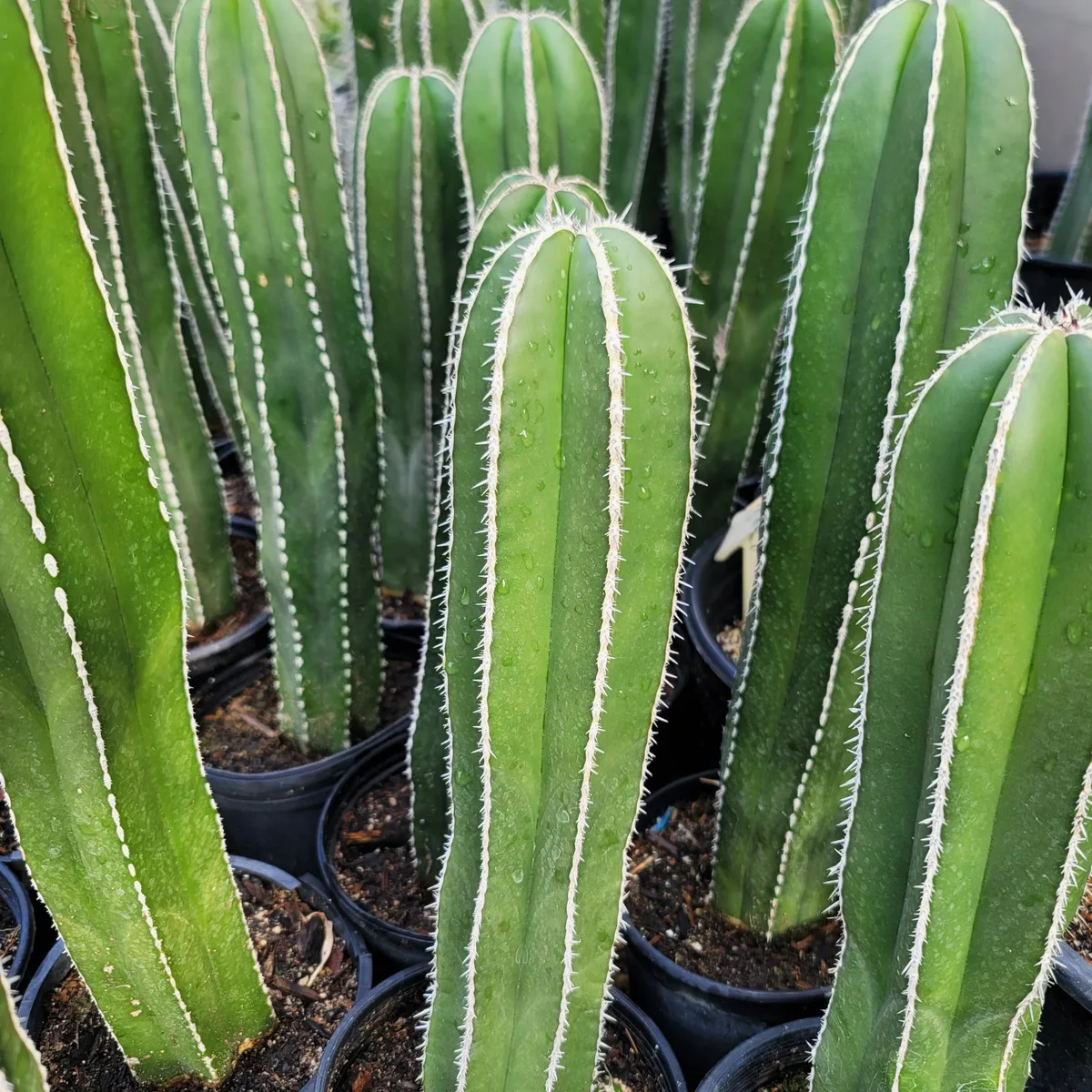
A large, upright cactus, reaching up to 15m in its native range but usually much smaller in cultivation. Stems are deep green, with 5-7 ribs edged with slightly woolly areoles that are often linked together creating a pale-coloured line down the rib. Areoles bear short spines, and on mature plants produce nocturnal white, pink or purple flowers in spring, followed by round reddish fruits. Young plants are often single-stemmed, only branching at the base as they mature
Scientific classification
- Species
- organ pipe cactus (Pachycereus marginatus)
- Genus
- Pachycereus
- Family
- Cactaceae
- Information to be completed
- Toxicity
- Cactus Succulent
- Plant type
- Information to be completed
- Height
- Information to be completed
- Spread
- Evergreen
- Foliage
- Columnar upright
- Habit
- Spring · Summer · Autumn · Winter
- Season of interest
- Full sun
- Sunlight
- 18 – 28 °C
- Ideal temperature









organ pipe cactus pictures
Distribution of organ pipe cactus
Distribution map
Mexico
Information to be completed
Culture
Information to be completed
Toxicity
Information to be completed
Quick identification of organ pipe cactus
Information to be completed
organ pipe cactus care guide
- Water sparsely, fully dry substrate completely between all waterings
- Watering
- Full sun
- Sunlight
- 18 – 28 °C
- Ideal temperature

Watering
Water sparsely, fully dry substrate completely between all waterings
Fertilizing
 Fertilizing
Feed heavily diluted low-nitrogen cactus fertilizer monthly in summer
Pruning
 Pruning
No pruning required
Propagation
 Propagation
Propagate by seed, sown at 19-24ºC in spring, or by stem tip cuttings in summer
Growing
 Growing
Grow under glass, or in patio containers and overwinter in a greenhouse. Plant in a sharply-draining cactus mix and position in full sun. Water moderately when in growth, keep dry over winter. See houseplant cacti and succulent cultivation for more advice
People also ask
Information to be completed
Common pests and diseases
Diseases
Generally disease-free
Pests
Maybe susceptible to scale insects and sometimes mealybugs
Explore the plant health library →




