
Norfolk Island pine
Also known as: house pine
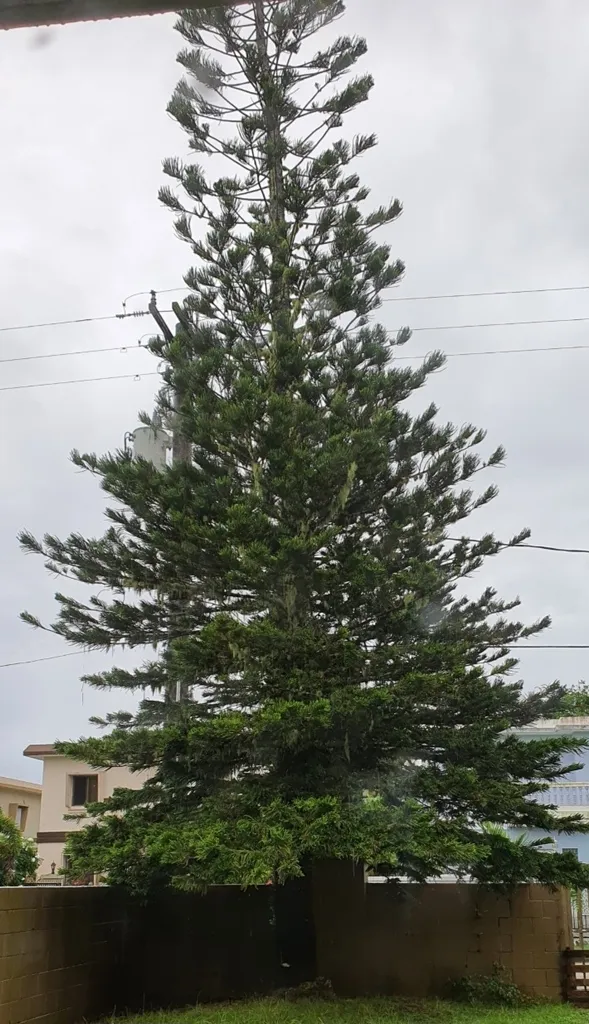
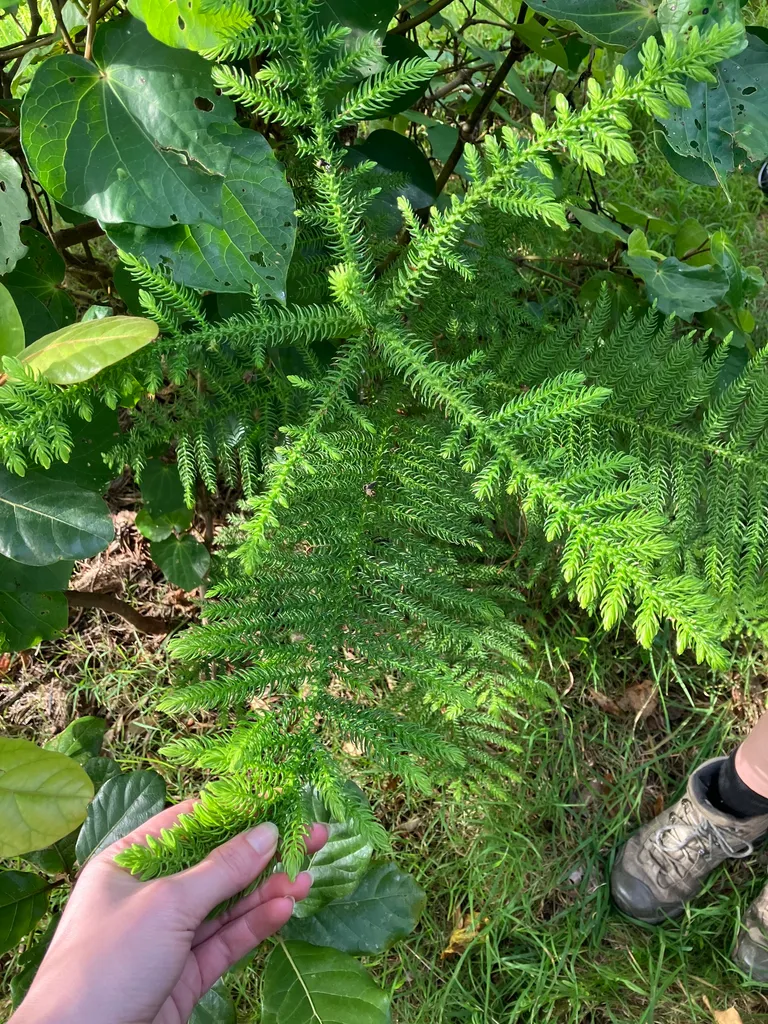
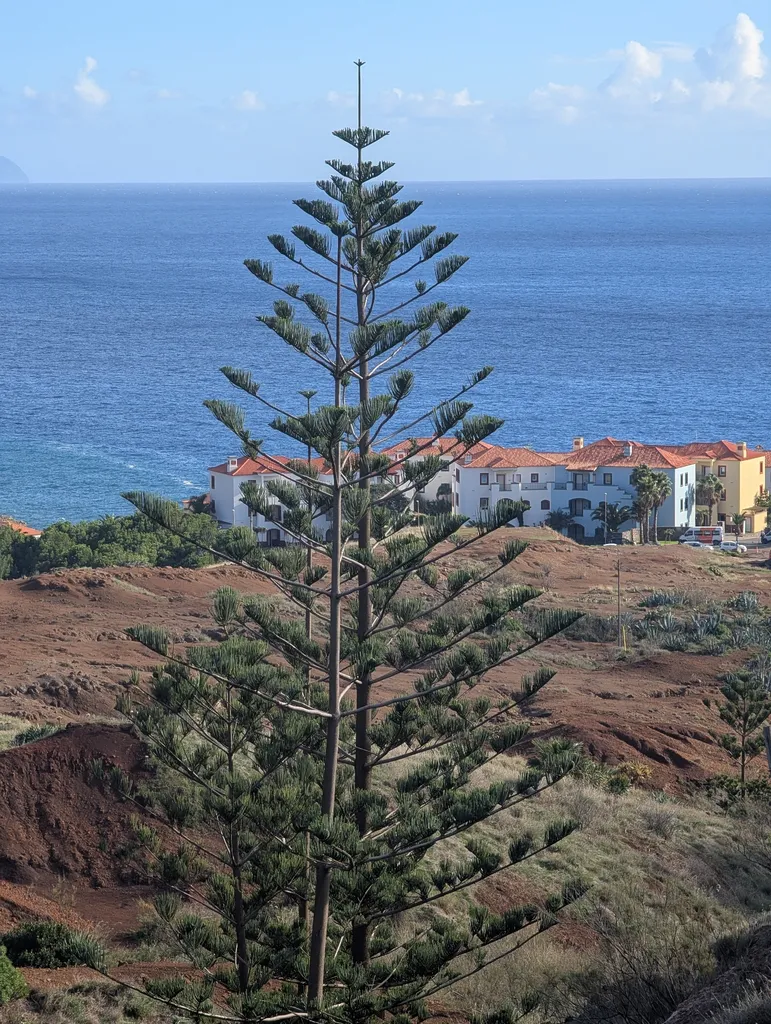
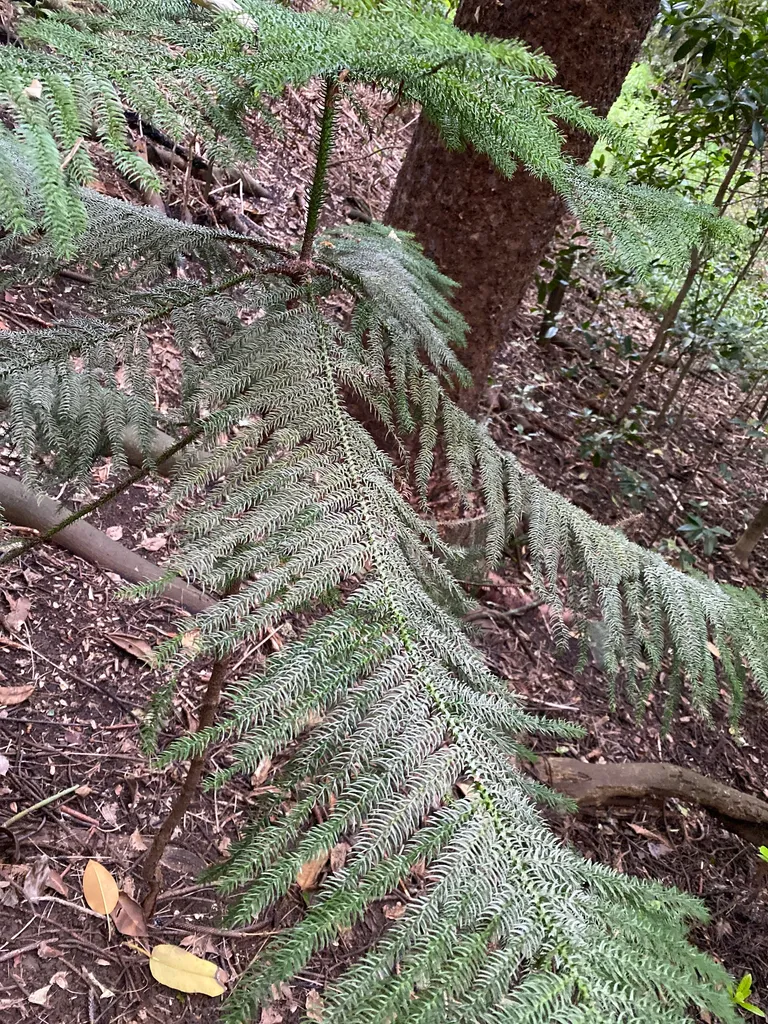
An elegant, conical, coniferous tree with distinctive whirled branches of juvenile, fan-like foliage and mature, spiralled foliage. Young plants are often used as houseplants
Scientific classification
- Species
- Norfolk Island pine (Araucaria heterophylla)
- Genus
- Araucaria
- Family
- Araucariaceae
- Order
- Araucariales
- Class
- Pinopsida
- Phylum
- Pinophyta
- Information to be completed
- Toxicity
- Conifers · Trees
- Plant type
- Higher than 12 metres
- Height
- wider than 8 metres
- Spread
- Evergreen
- Foliage
- Bushy
- Habit
- Spring · Summer · Autumn · Winter
- Season of interest
- Full sun · Partial shade
- Sunlight
- 15 – 25 °C
- Ideal temperature









Norfolk Island pine pictures
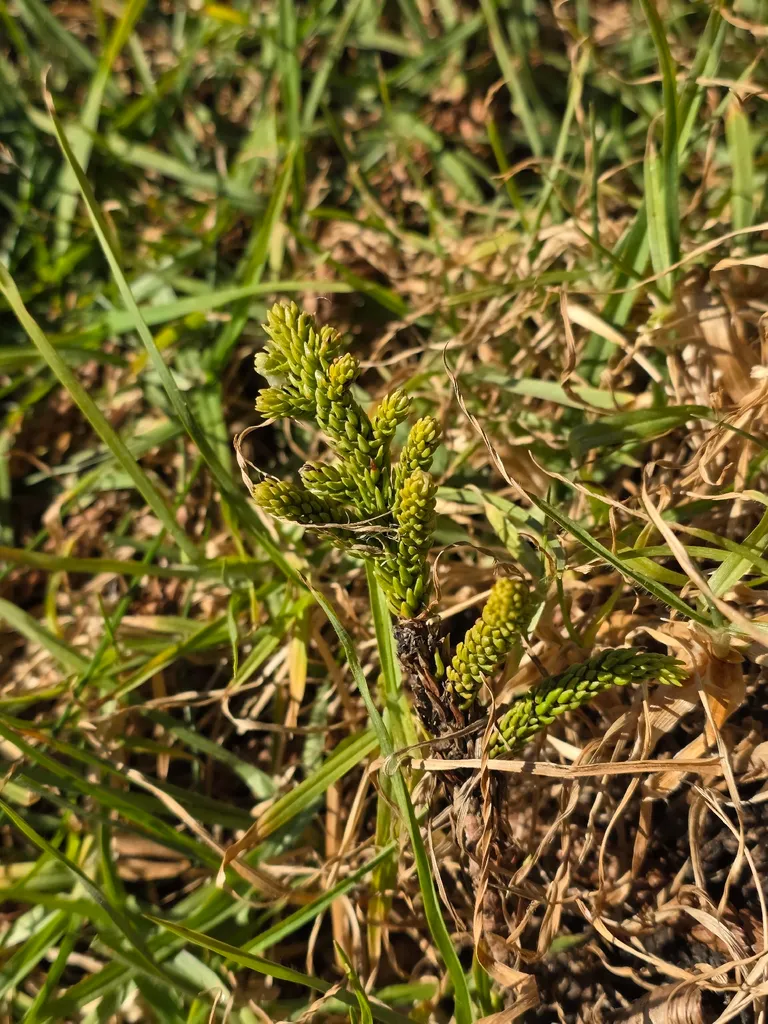
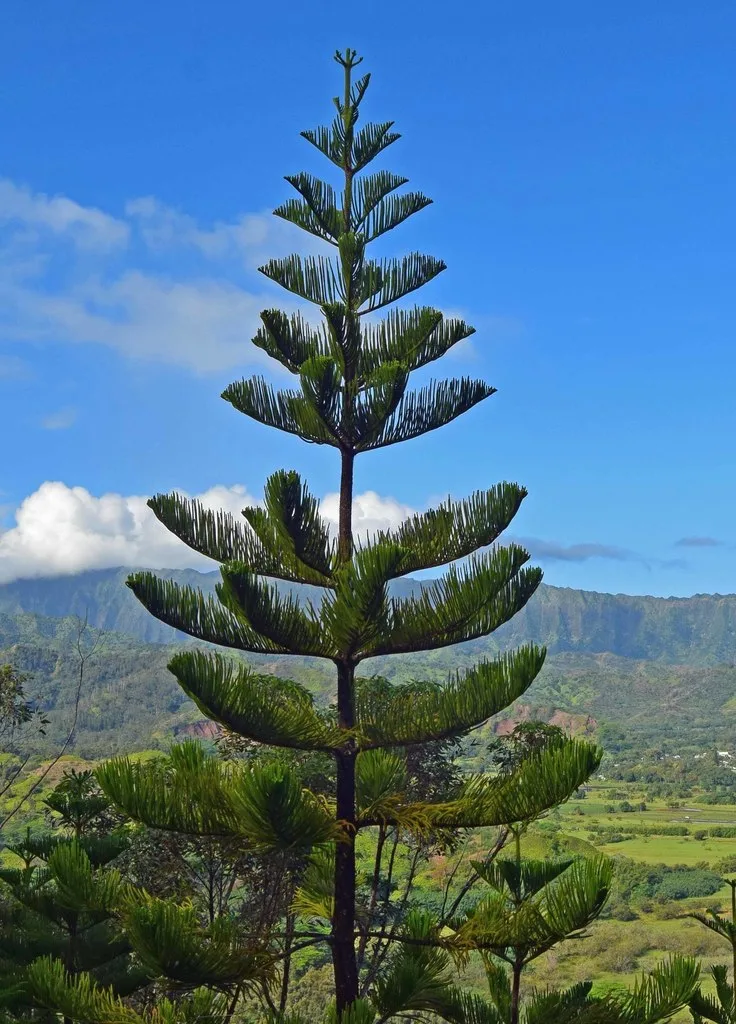
Distribution of Norfolk Island pine
Distribution map
- Native
- Introduced
- Cultivated
Source:WCVP v16 · Royal Botanic Gardens, Kew · CC BY 3.0 · Boundaries:WGSRPD / TDWG
Norfolk Island pine care guide
- Moderate regular watering, allowing brief slight drying between soakings
- Watering
- Full sun · Partial shade
- Sunlight
- 15 – 25 °C
- Ideal temperature

Watering
Moderate regular watering, allowing brief slight drying between soakings
Fertilizing
 Fertilizing
Balanced perennial feed every four weeks from spring through summer
Pruning
 Pruning
Little pruning is needed. Remove diseased, damaged, crowded or crossing shoots and unwanted growth. Timing depends on the plant: generally late winter or early spring; plants prone to bleeding and deciduous magnolias need different timing, and deciduous azaleas and lilacs are pruned after flowering.
Propagation
 Propagation
Propagate by seed sown in seedbed as soon as ripe; take cuttings of vertical shoot tips in midsummer and root in a cold frame; cuttings of horizontal side branches will not form an upright tree
Growing
 Growing
Grow as a containerised tree under glass in areas liable to frost. The plant may be placed outside in a sheltered, sunny position during the summer and brought under glass once more in the autumn. In containers, use a well drained loam-based potting soil (JI No2) with extra perlite. Water freely during the growing season, March to September and keep the compost just moist during the winter. Apply a balanced fertiliser every two weeks during the growing season, but withhold fertiliser during the winter months
Common pests and diseases
Diseases
May be susceptible to honey fungus
Pests
Generally pest-free
Explore the plant health library →




