
bird's nest fern
Also known as: Information to be completed
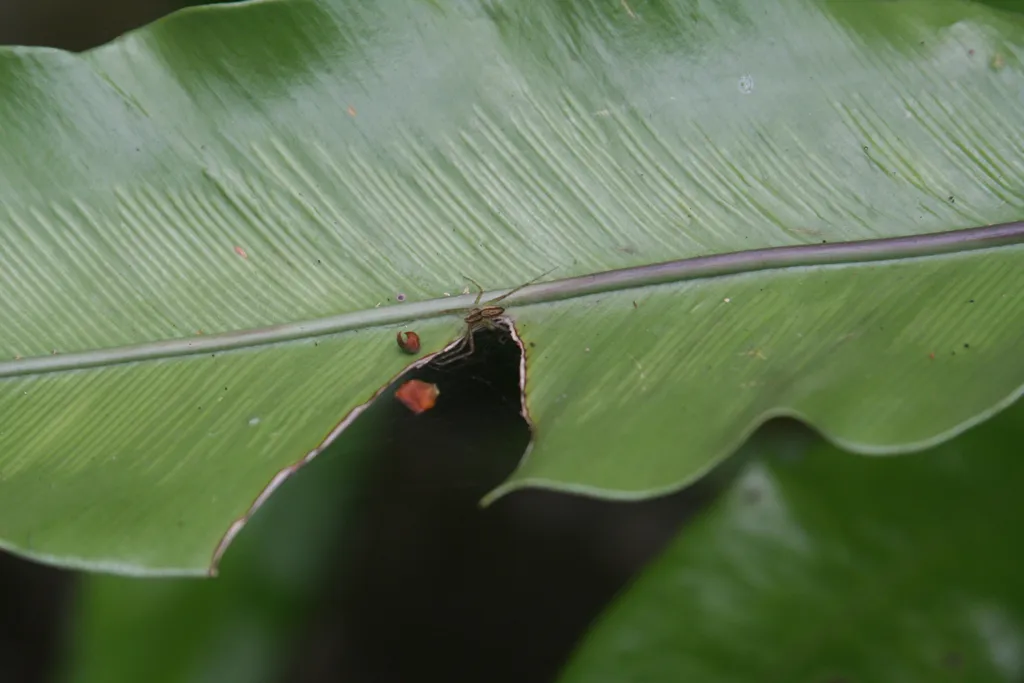
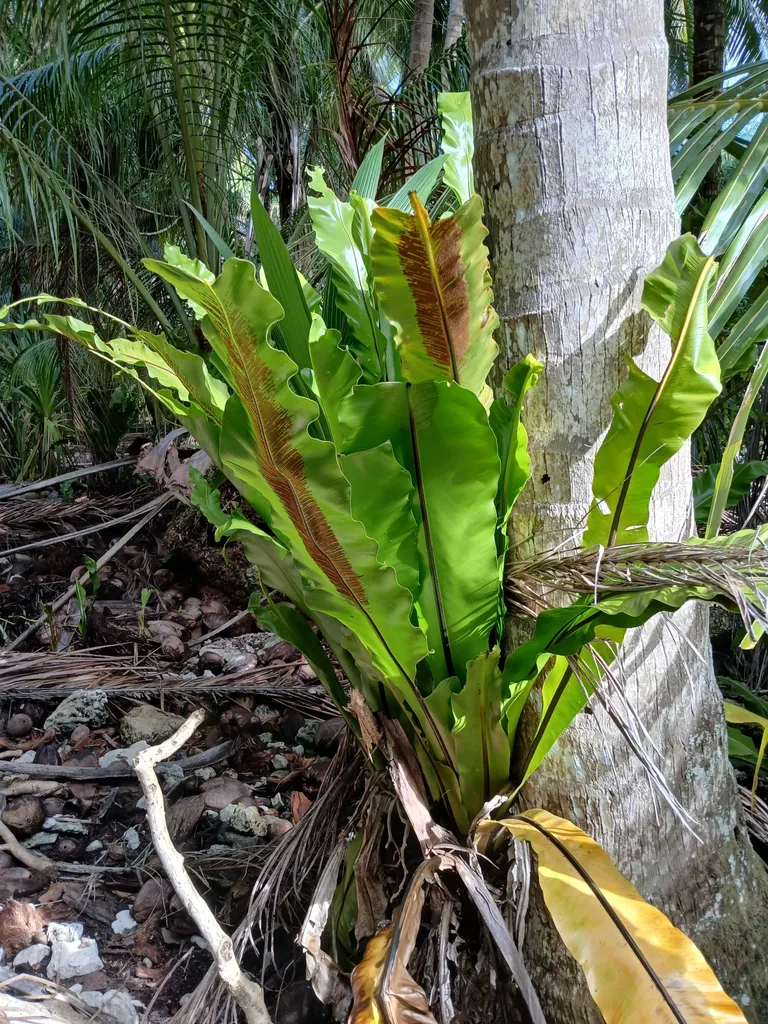
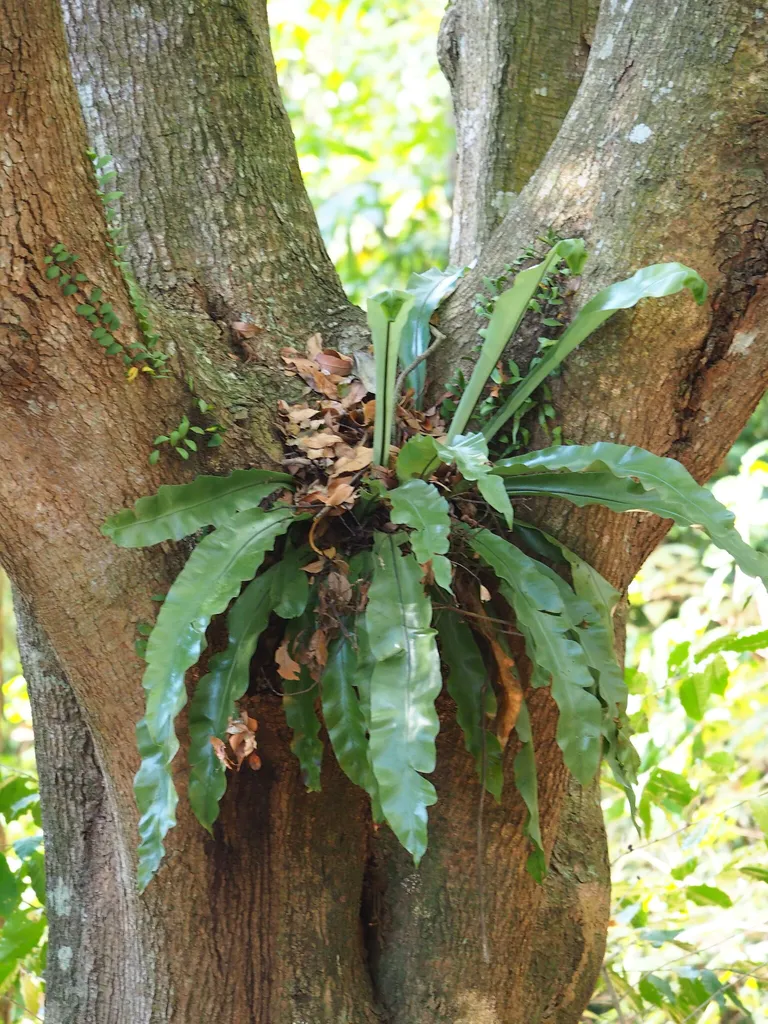
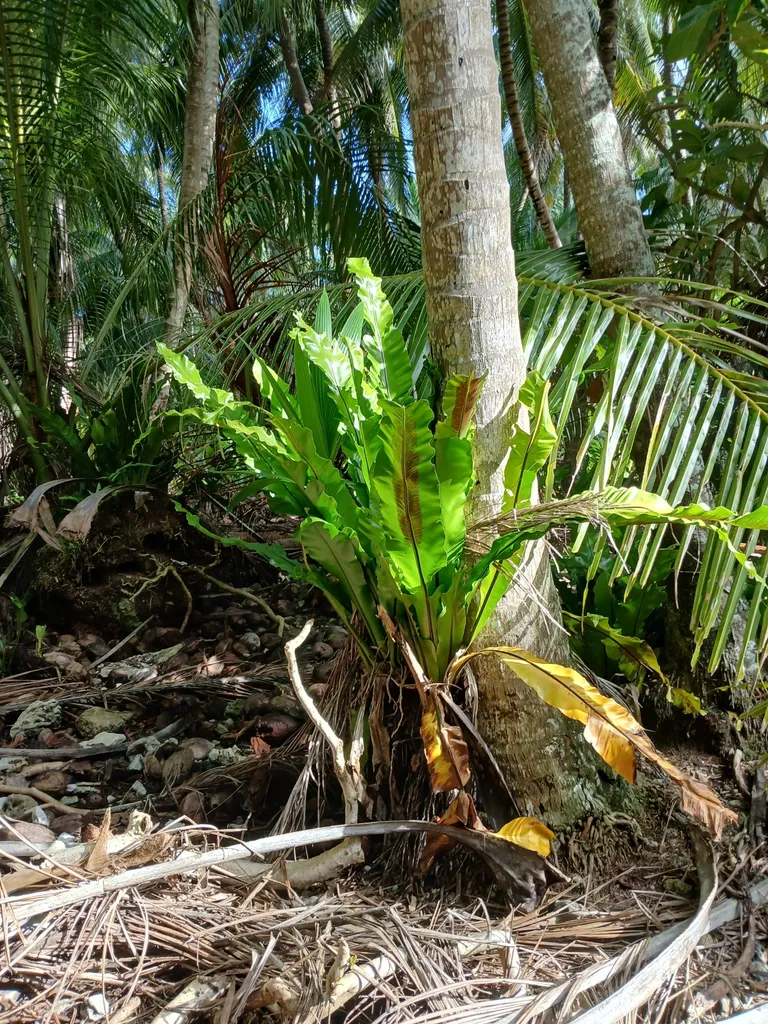
An evergreen fern forming a striking rosette of strap-shaped, undivided, bright green, fronds to 1.2m in length
Scientific classification
- Species
- bird's nest fern (Asplenium nidus)
- Genus
- Asplenium
- Family
- Aspleniaceae
- Information to be completed
- Toxicity
- Conservatory Greenhouse · Ferns
- Plant type
- 0.5-1 metres
- Height
- 0.5-1 metres
- Spread
- Evergreen
- Foliage
- Tufted
- Habit
- Spring · Summer · Autumn · Winter
- Season of interest
- Partial shade
- Sunlight
- 18 – 27 °C
- Ideal temperature









bird's nest fern pictures
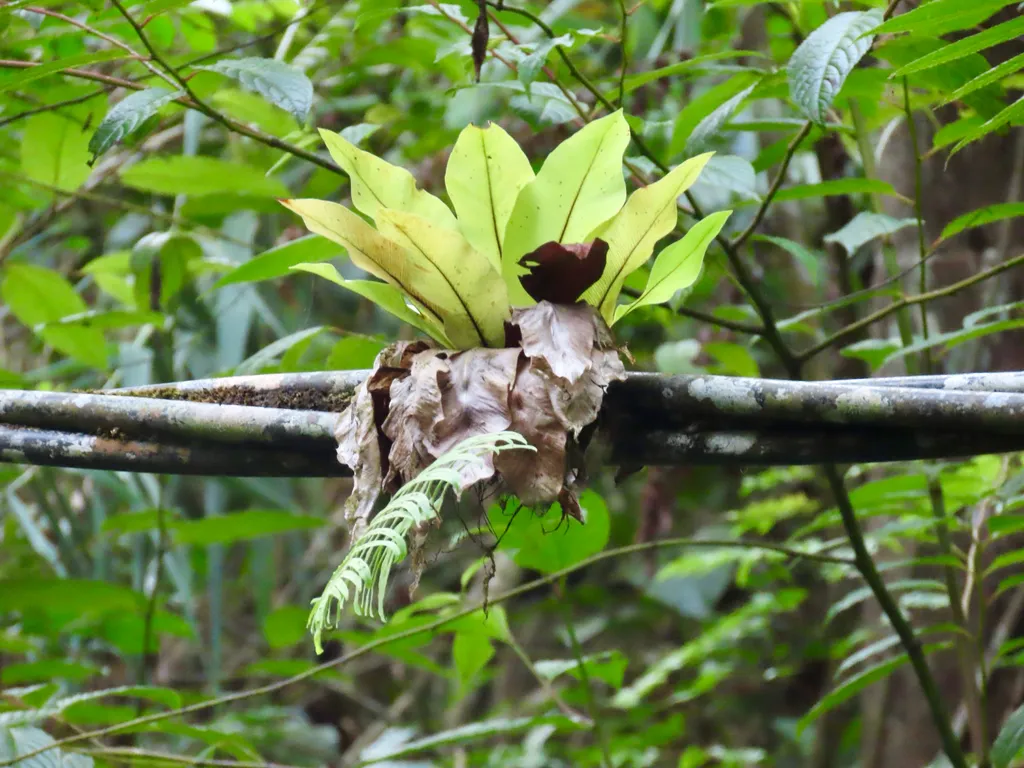
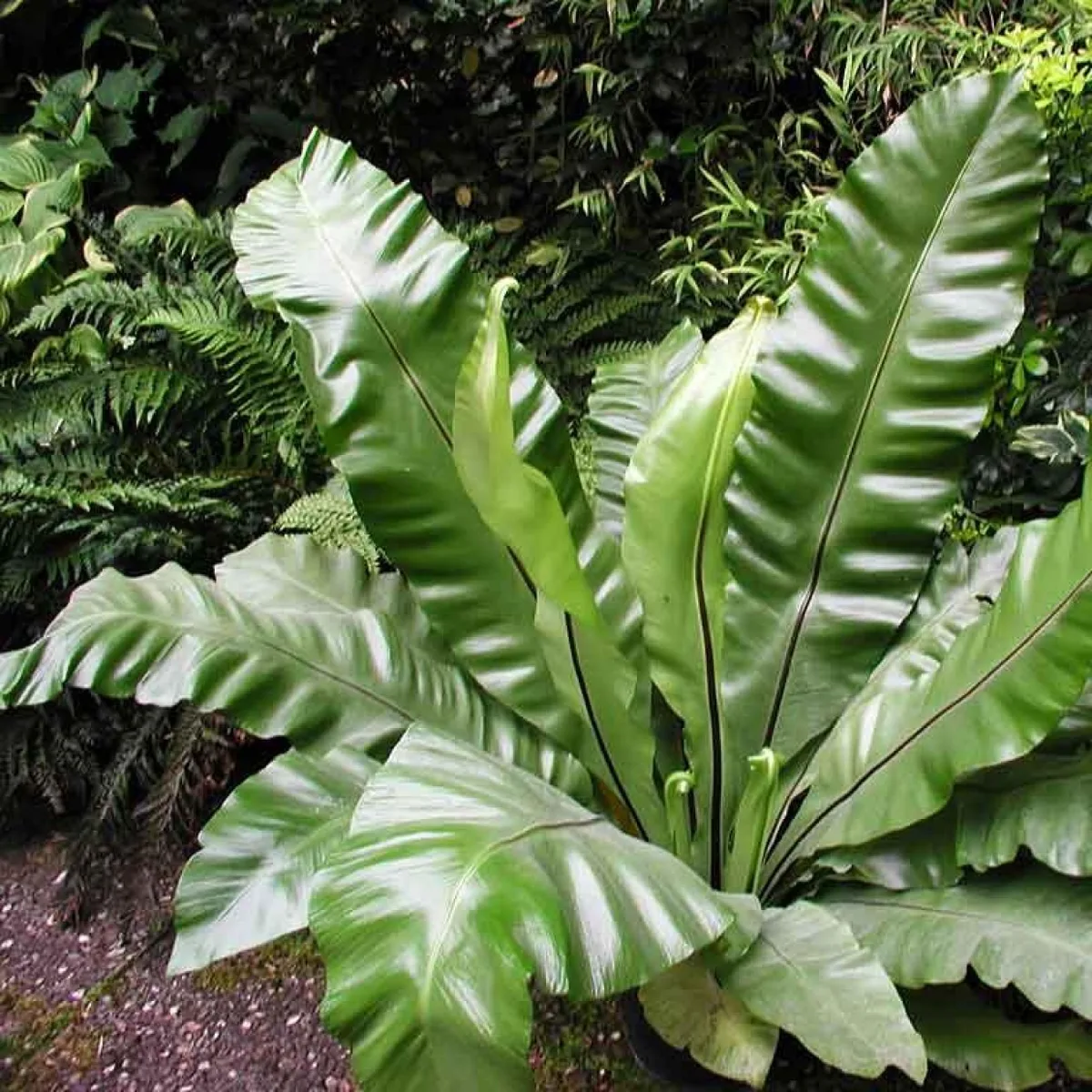
Distribution of bird's nest fern
Distribution map
Old World Tropics
Information to be completed
Culture
Information to be completed
Toxicity
Information to be completed
Quick identification of bird's nest fern
Information to be completed
bird's nest fern care guide
- Keep soil consistently moist with higher humidity and no hot drying winds
- Watering
- Partial shade
- Sunlight
- 18 – 27 °C
- Ideal temperature

Watering
Keep soil consistently moist with higher humidity and no hot drying winds
Fertilizing
 Fertilizing
Very dilute fern feed monthly during warm active frond growth
Pruning
 Pruning
No pruning required
Propagation
 Propagation
Propagate by spores
Growing
 Growing
Grow outdoors in moist but well-drained soil with added grit in frost-free areas. Under glass in a mix of equal parts loam, course leaf mould or peat substitute, and charcoal. Provide bright filtered light
People also ask
Information to be completed
Common pests and diseases
Diseases
May be infected by a rust in mild, damp winters
Pests
Can get scale insects and leaf and bud eelworms
Explore the plant health library →




