
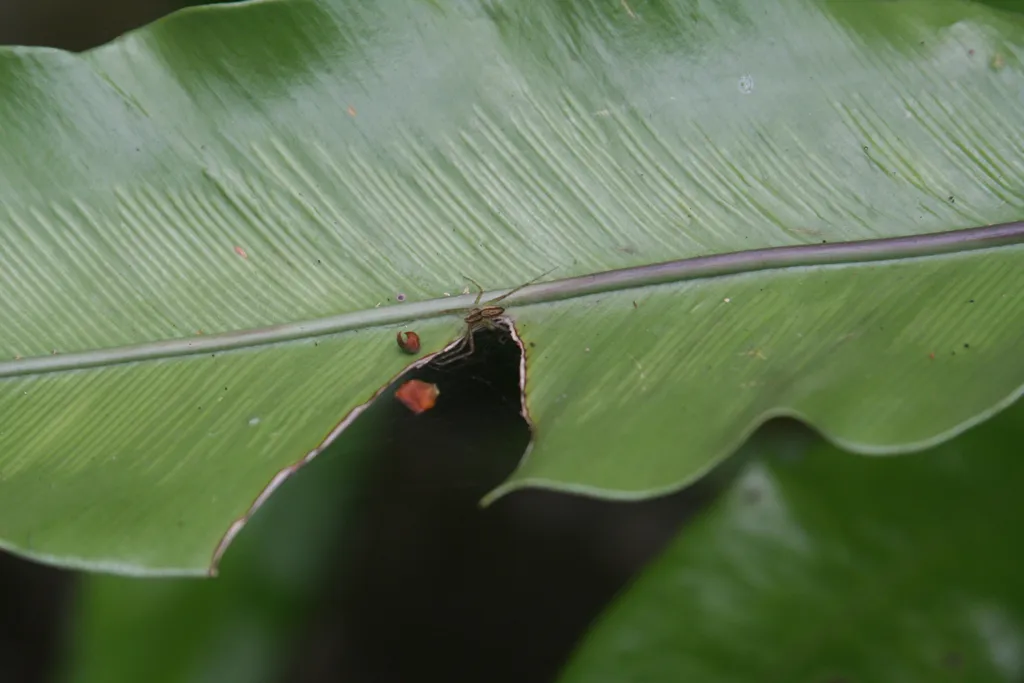



What Is the Ideal Temperature Range for bird's nest fern?

Bird's-nest fern exhibits moderate resilience to temperature variations. It can tolerate temperatures as low as 0°C (32°F) and up to 43°C (109°F). Despite this range, extreme temperatures impact its care. Cold stress may cause fronds to develop brown or black spots, while heat stress could lead to wilting or scorched leaves. Protective measures, such as shielding from frost or intense sunlight, are necessary. In cold, consider using frost cloths or relocating the plant indoors. In heat, ensure adequate hydration and diffused light. These steps are crucial to ensuring bird's-nest fern thrives in varying environmental conditions.