
Spineless yucca
Also known as: Spineless yucca, Giant yucca
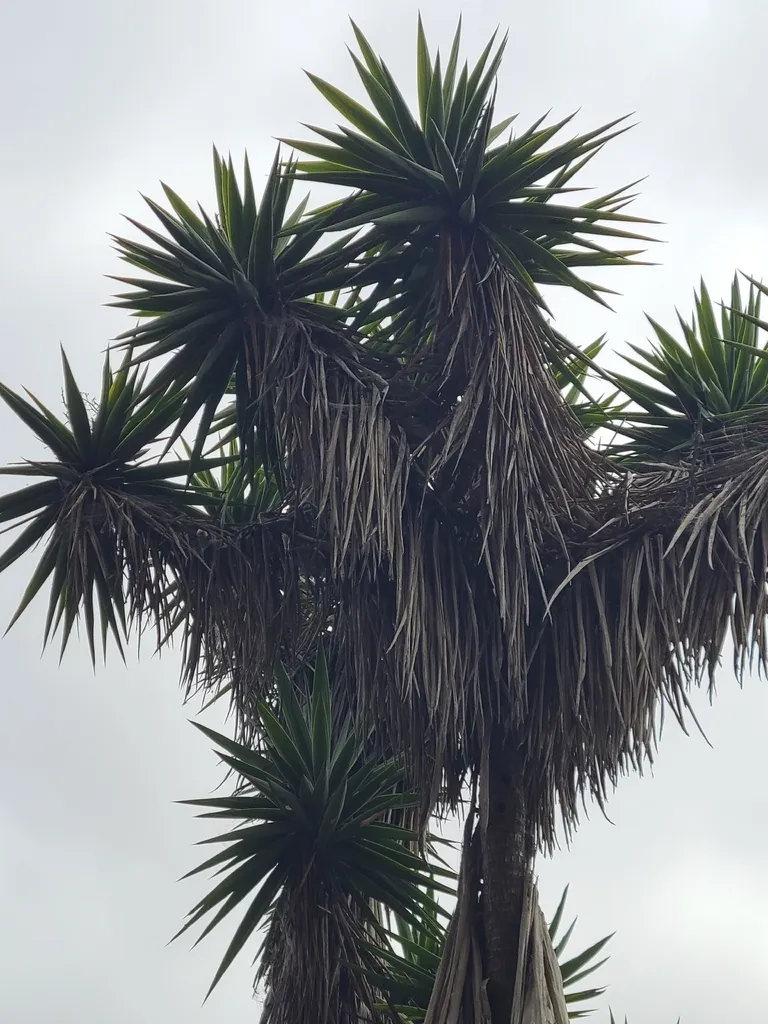
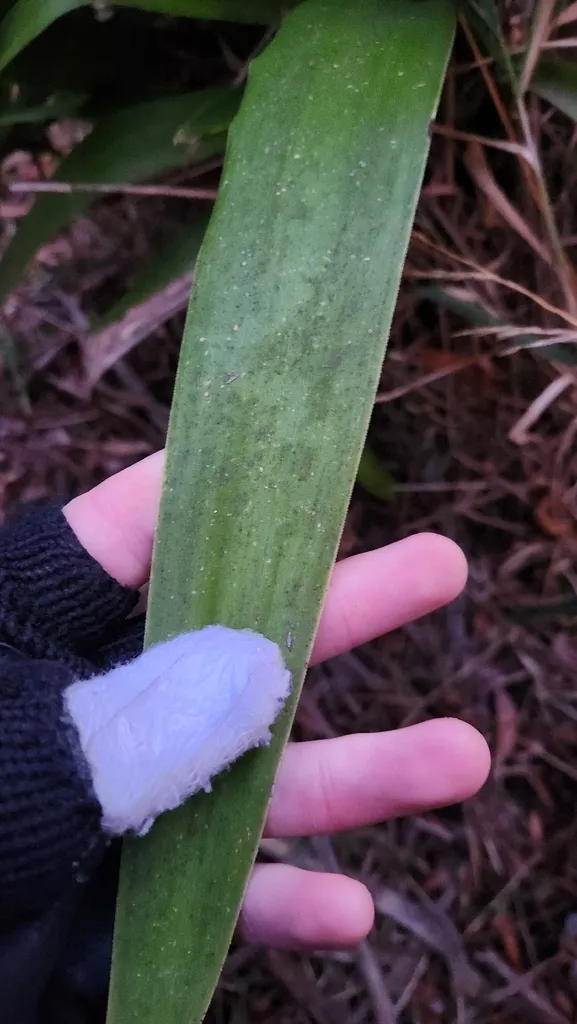
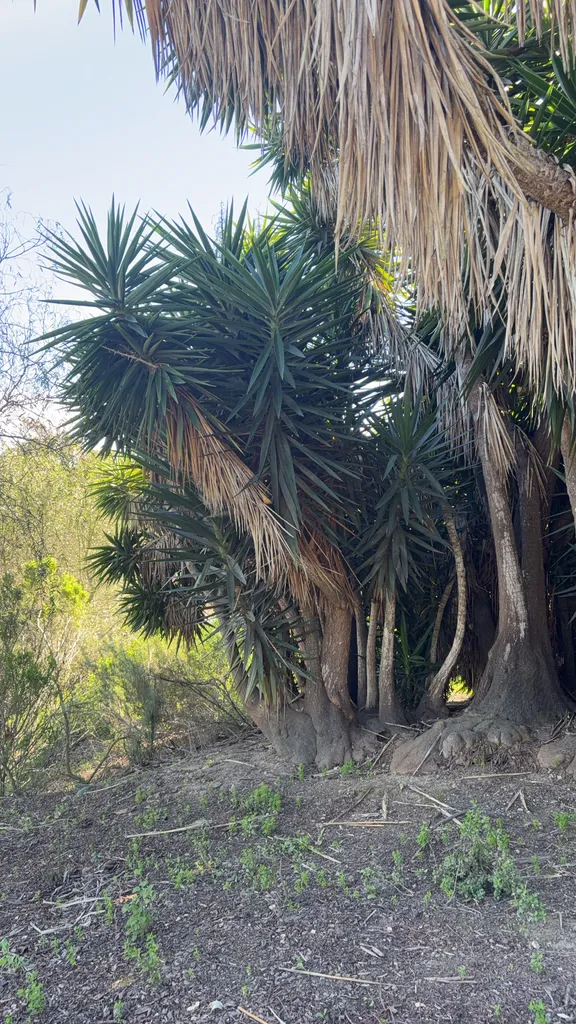
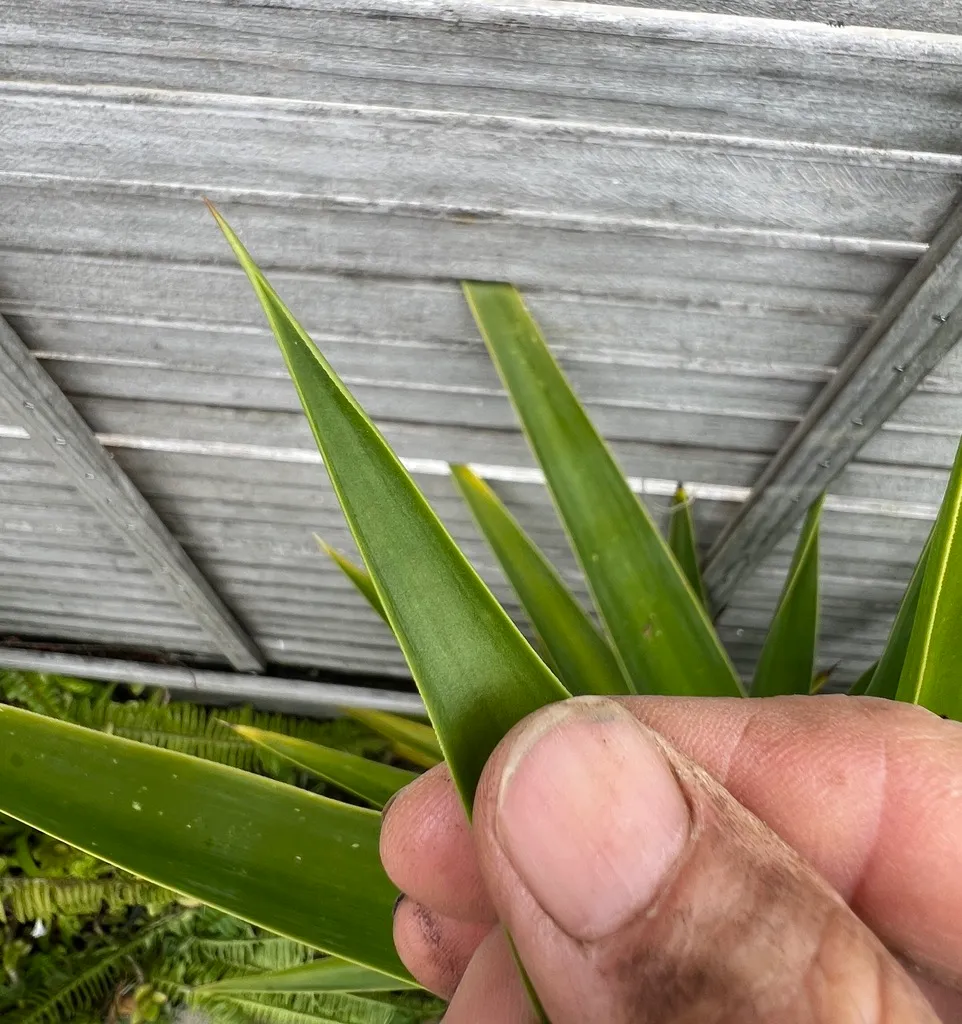
Yucca gigantea is a large, evergreen shrub or small tree with a single or branched trunk. It has sword-shaped, spineless leaves that form dense rosettes at the branch tips. In summer, it produces tall panicles of creamy white, bell-shaped flowers that are fragrant. Its architectural form and drought tolerance make it a popular choice for indoor and outdoor landscaping.
Scientific classification
- Species
- Spineless yucca (Yucca gigantea)
- Genus
- Yucca
- Family
- Asparagaceae
- Order
- Asparagales
- Class
- Magnoliopsida
- Phylum
- Tracheophyta
- Toxic if ingested; may cause mild gastrointestinal upset in pets and humans.
- Toxicity
- Succulent · Shrubs · Houseplants
- Plant type
- 1.5 - 3 metres
- Height
- 0.5 - 1.5 metres
- Spread
- Evergreen
- Foliage
- Upright · Suckering
- Habit
- Summer
- Season of interest
- Full sun
- Sunlight
- 15 – 25 °C
- Ideal temperature









Spineless yucca pictures
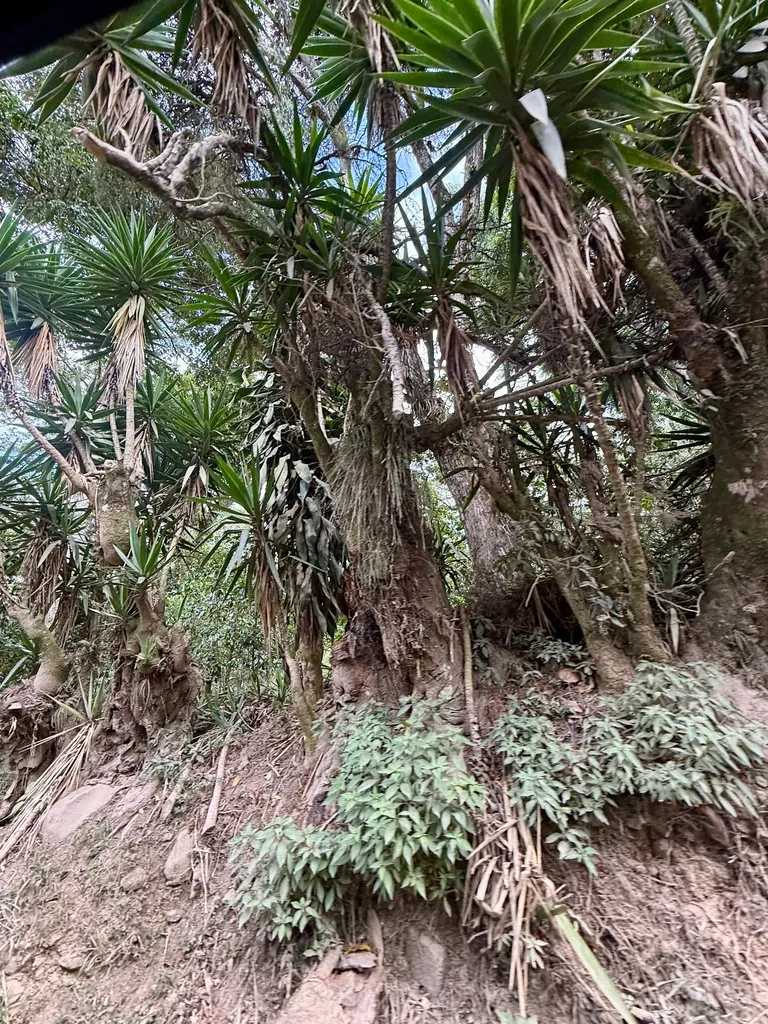
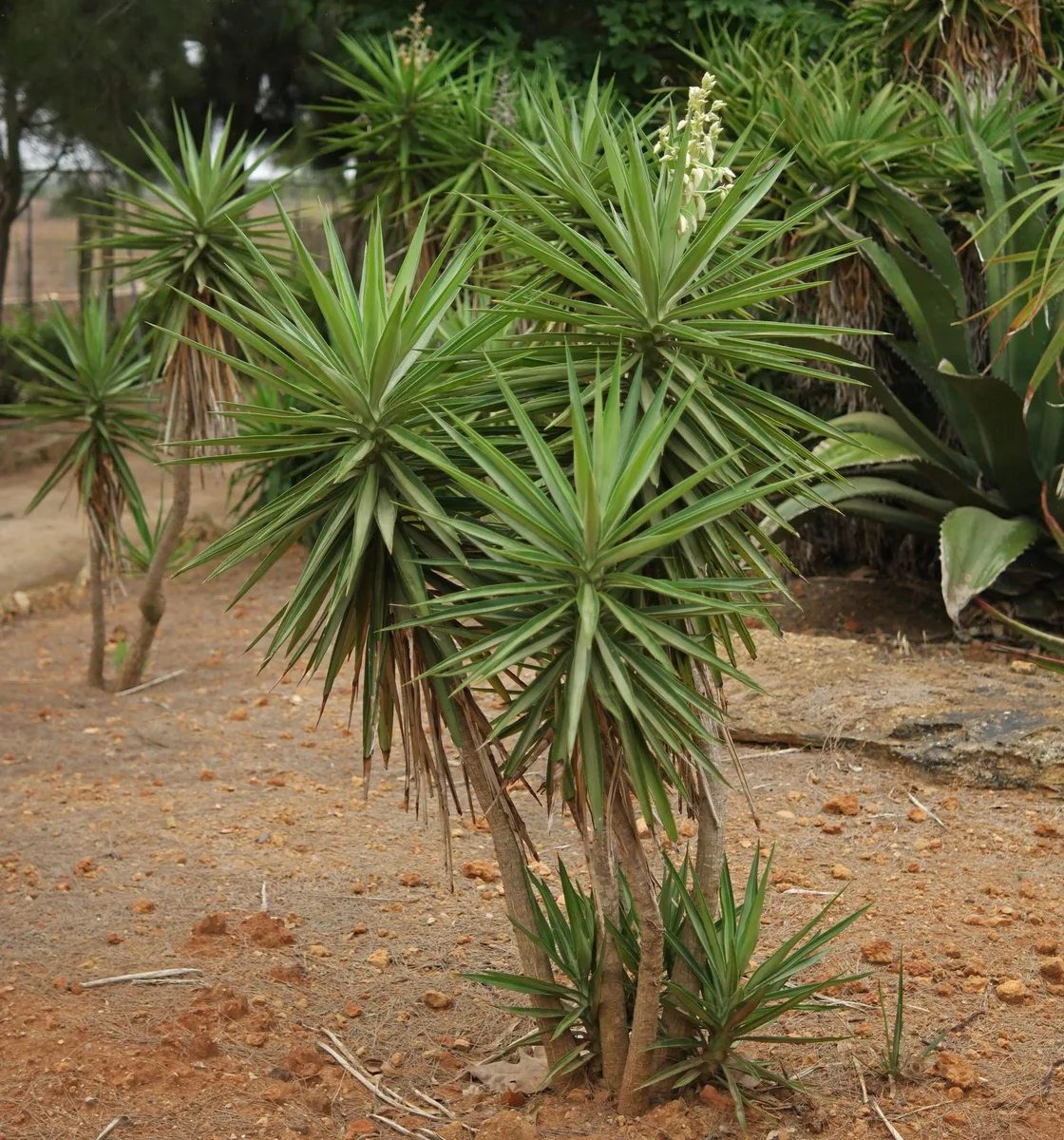
Distribution of Spineless yucca
Distribution map
- Native
- Introduced
- Cultivated
Source:WCVP v16 · Royal Botanic Gardens, Kew · CC BY 3.0 · Boundaries:WGSRPD / TDWG
Toxicity
Toxic if ingested; may cause mild gastrointestinal upset in pets and humans.
Spineless yucca care guide
- Water thoroughly, then allow soil to dry out completely before next watering
- Watering
- Full sun
- Sunlight
- 15 – 25 °C
- Ideal temperature

Watering
Water thoroughly, then allow soil to dry out completely before next watering
Fertilizing
 Fertilizing
Fertilize once in spring and once in summer with balanced fertilizer
Pruning
 Pruning
Remove dead or damaged leaves and spent flower spikes in spring. Cut back any leggy stems to maintain shape.
Propagation
 Propagation
Propagate by stem cuttings or offsets. Take stem sections in spring, let cut ends dry for a day, then insert into moist sand or perlite. Keep at 21°C with indirect light until rooted.
Growing
 Growing
Grow in well-drained soil in full sun. Water sparingly allowing soil to dry between waterings. Tolerates drought but not waterlogging. Feed monthly during growing season with a balanced liquid fertilizer. In cooler climates, overwinter indoors or in a greenhouse.
Common pests and diseases
Diseases
Susceptible to leaf spot and root rot, especially in overwatered conditions.
Pests
May be attacked by scale insects and spider mites.
Explore the plant health library →




