
Dumb Cane
Also known as: Dumb Cane, Tropic Snow, Dieffenbachia
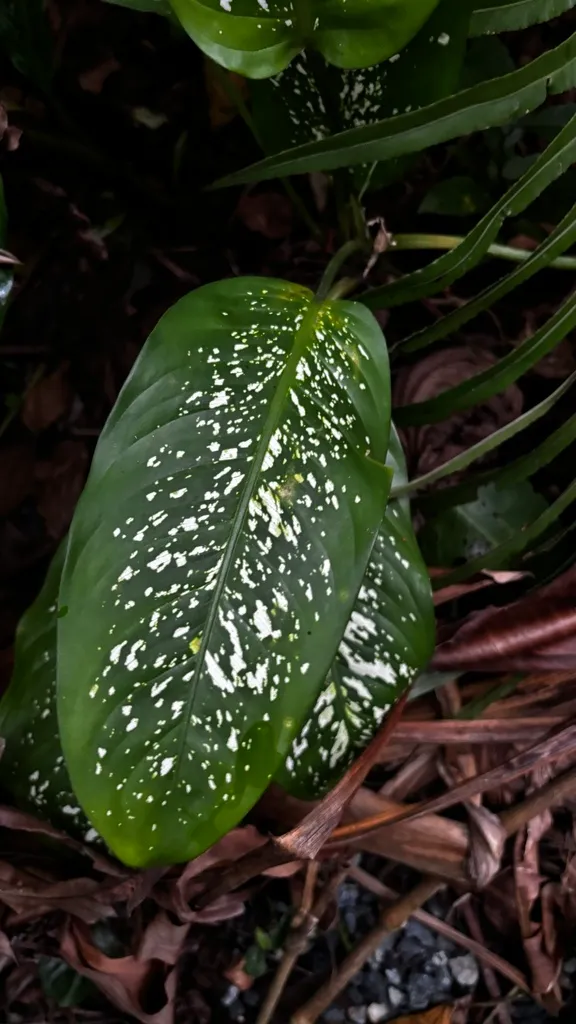
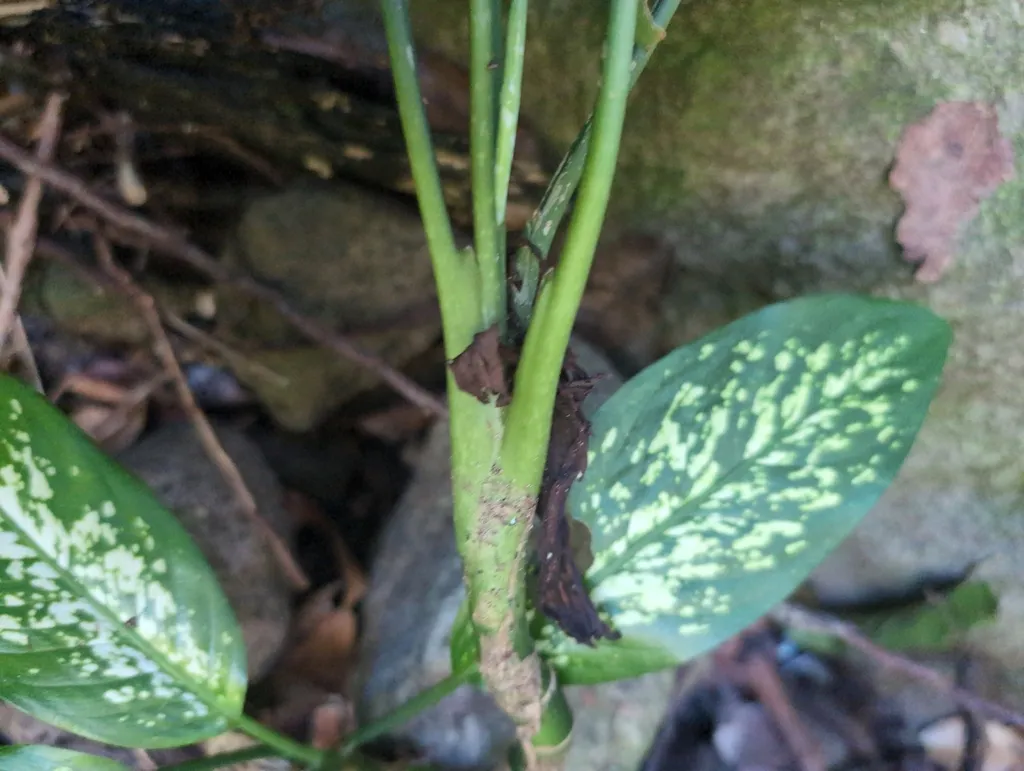
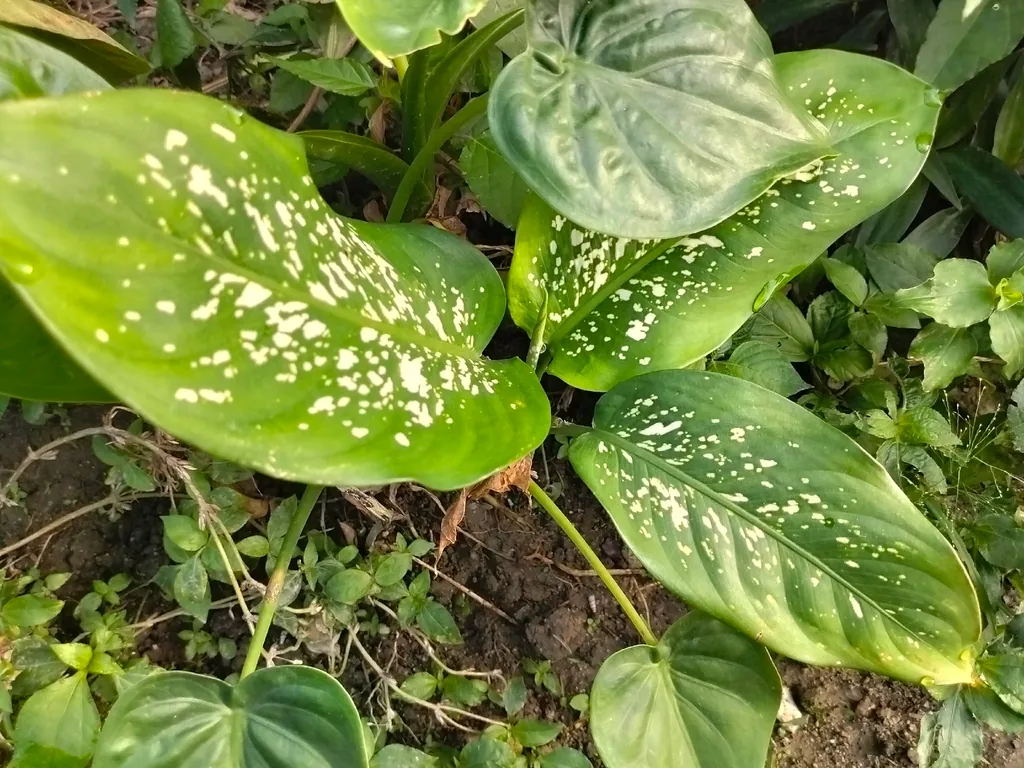
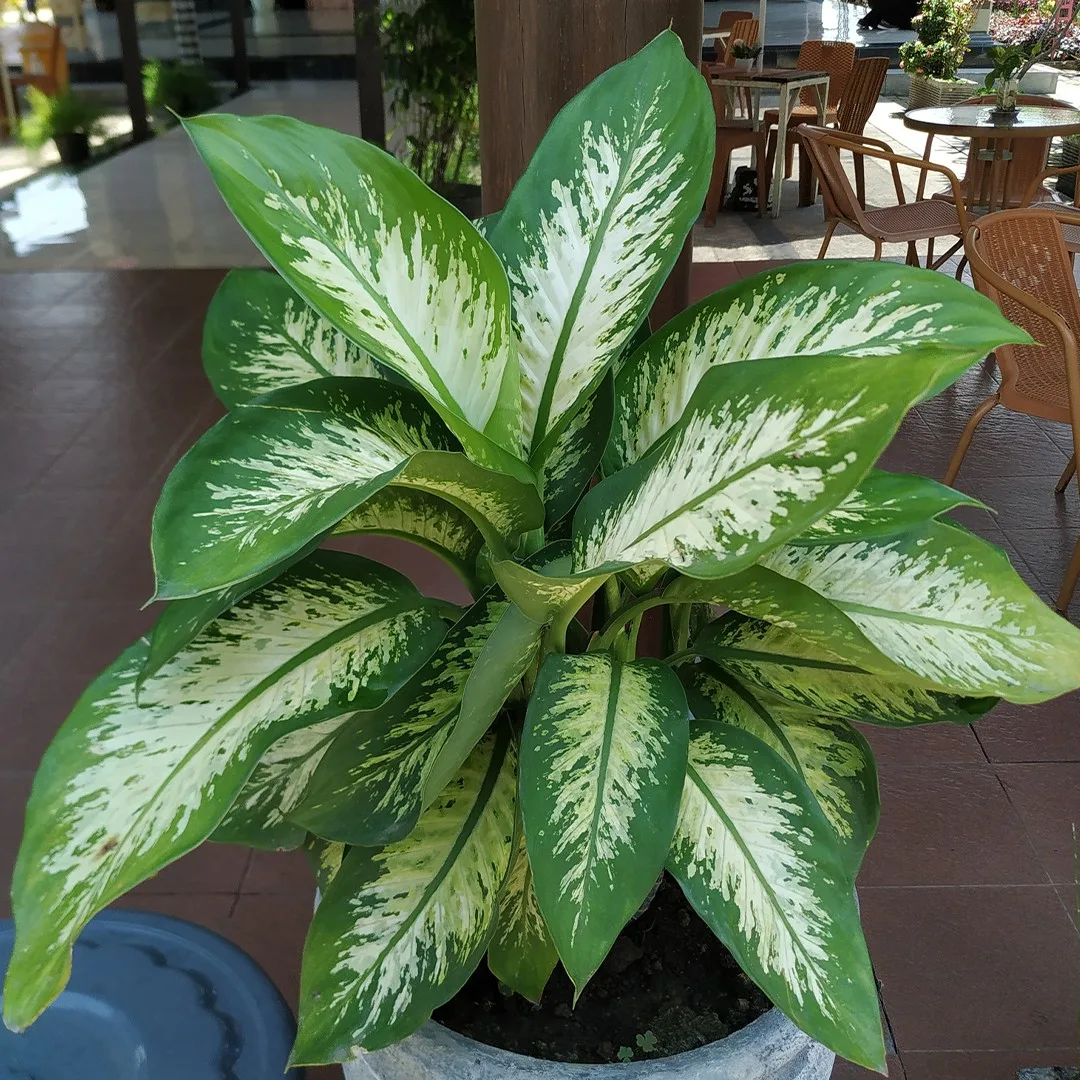
Dieffenbachia seguine is a popular houseplant known for its large, ovate leaves that are dark green with cream or white variegation. It has a thick, cane-like stem that supports the foliage, and under ideal conditions it may produce a small, inconspicuous flower spathe. This upright, evergreen perennial can reach 1-2 meters indoors, adding a tropical feel to any room. The striking leaf patterns make it a standout choice for interior decoration.
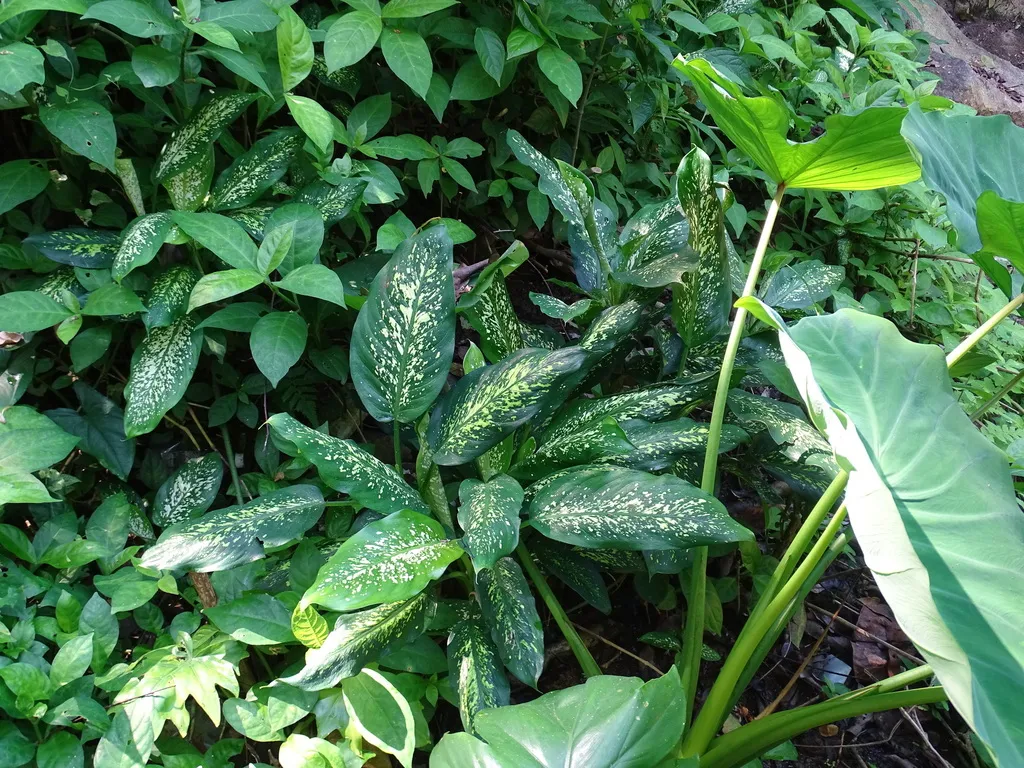
Scientific classification
- Species
- Dumb Cane (Dieffenbachia seguine)
- Genus
- Dieffenbachia
- Family
- Araceae
- Toxic to humans and pets if ingested, causing oral irritation, swelling, and difficulty swallowing; handle with gloves as sap can irritate skin.
- Toxicity
- Houseplants · Foliage
- Plant type
- 0.5 - 1.5 metres
- Height
- 0.3 - 0.6 metres
- Spread
- Evergreen
- Foliage
- Upright
- Habit
- Spring · Summer
- Season of interest
- Bright indirect light
- Sunlight
- 18 – 27 °C
- Ideal temperature









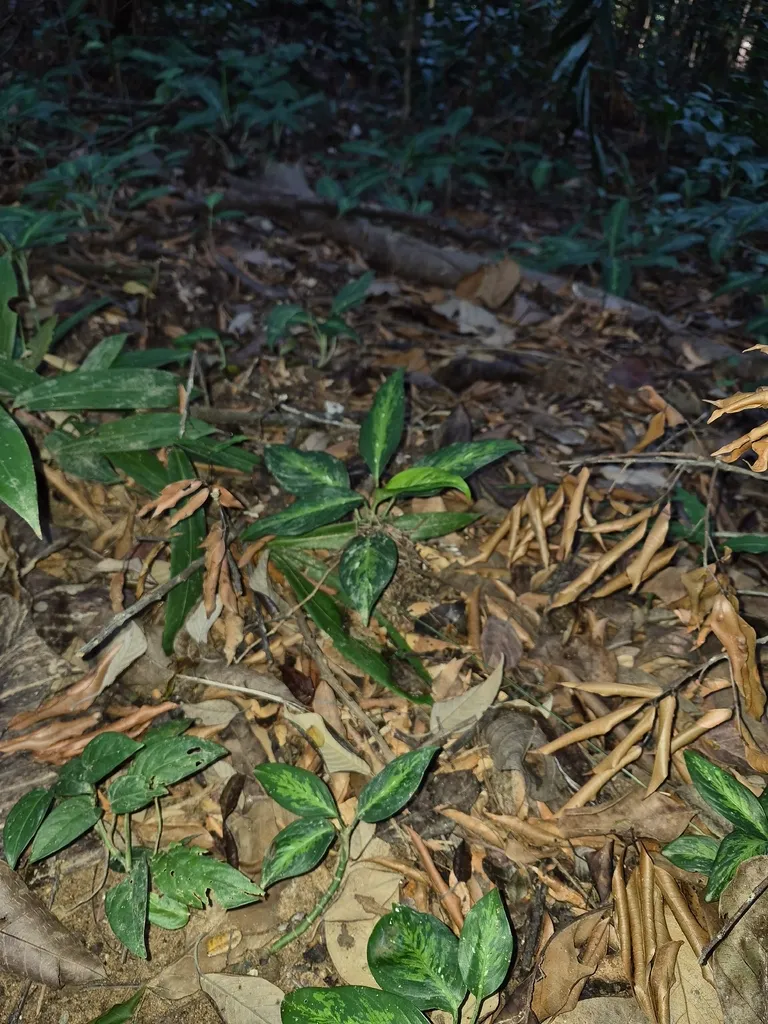
Dumb Cane pictures
Distribution of Dumb Cane
Distribution map
Tropical Americas (from Mexico to South America)
Information to be completed
Culture
Information to be completed
Toxicity
Toxic to humans and pets if ingested, causing oral irritation, swelling, and difficulty swallowing; handle with gloves as sap can irritate skin.
Quick identification of Dumb Cane
Information to be completed
Dumb Cane care guide
- Keep soil moderately moist, allow slight drying between waterings
- Watering
- Bright indirect light
- Sunlight
- 18 – 27 °C
- Ideal temperature

Watering
Keep soil moderately moist, allow slight drying between waterings
Fertilizing
 Fertilizing
Monthly during growing season
Pruning
 Pruning
Prune in spring to remove any dead or yellowing leaves, and cut back leggy stems to promote bushier growth. Always wear gloves when handling, as the sap is an irritant.
Propagation
 Propagation
Propagate by stem cuttings taken in spring or early summer. Cut a 5-10 cm section of stem with at least one node and a leaf, allow the cut end to dry for a day, then insert into moist perlite or water. Keep in warm, bright conditions (around 25°C) and roots will develop in 2-4 weeks. Air layering is also possible.
Growing
 Growing
Grow in bright, indirect light; direct sun will scorch the leaves. Use a well-drained, peat-based potting mix and keep the soil consistently moist during the growing season, but allow the top layer to dry slightly between waterings in winter. Fertilize monthly with a balanced liquid fertilizer diluted to half strength from spring to autumn. Maintain temperatures above 15°C and avoid cold drafts. Provide high humidity by misting or placing on a pebble tray. Repot every 2-3 years.
People also ask
Information to be completed
Common pests and diseases
Diseases
Susceptible to root rot if overwatered or grown in poorly drained soil; also prone to leaf spot diseases (e.g., Xanthomonas) in overly humid conditions.
Pests
Common pests include spider mites, mealybugs, and aphids; regularly inspect the undersides of leaves and treat with insecticidal soap or neem oil if detected.
Explore the plant health library →




