
Pinwheel Flower
Also known as: Pinwheel Flower, Crape Jasmine, Moonbeam, Nero's Crown, Adam's Apple
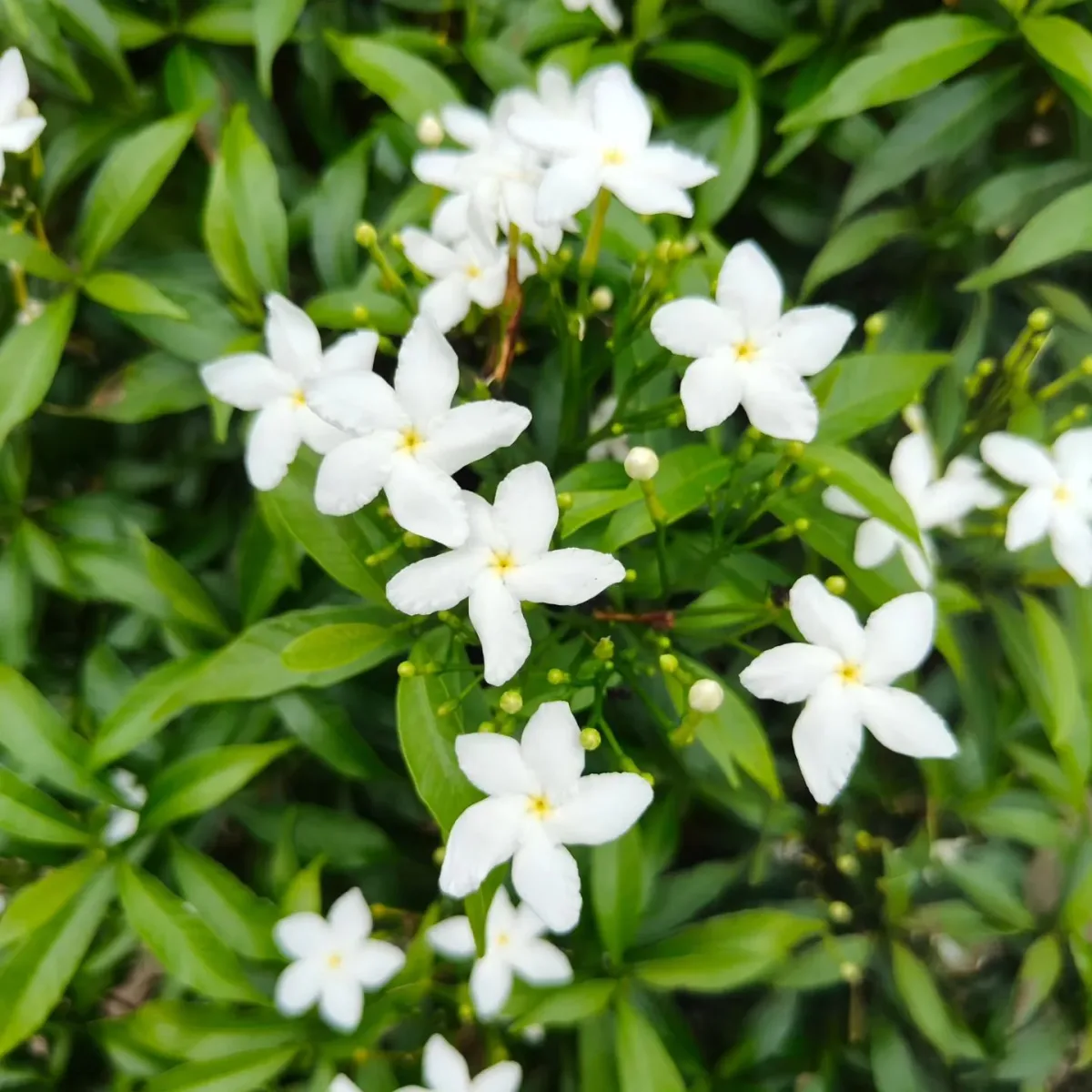
Tabernaemontana divaricata is a bushy, evergreen shrub with glossy, dark green leaves and waxy, white, pinwheel-shaped flowers that have a delightful fragrance, especially at night. The flowers are often double or semi-double in cultivated forms, and the plant can bloom intermittently throughout the year in warm conditions. It typically grows 1-2 m tall and wide, making it an attractive specimen for indoor or greenhouse cultivation.
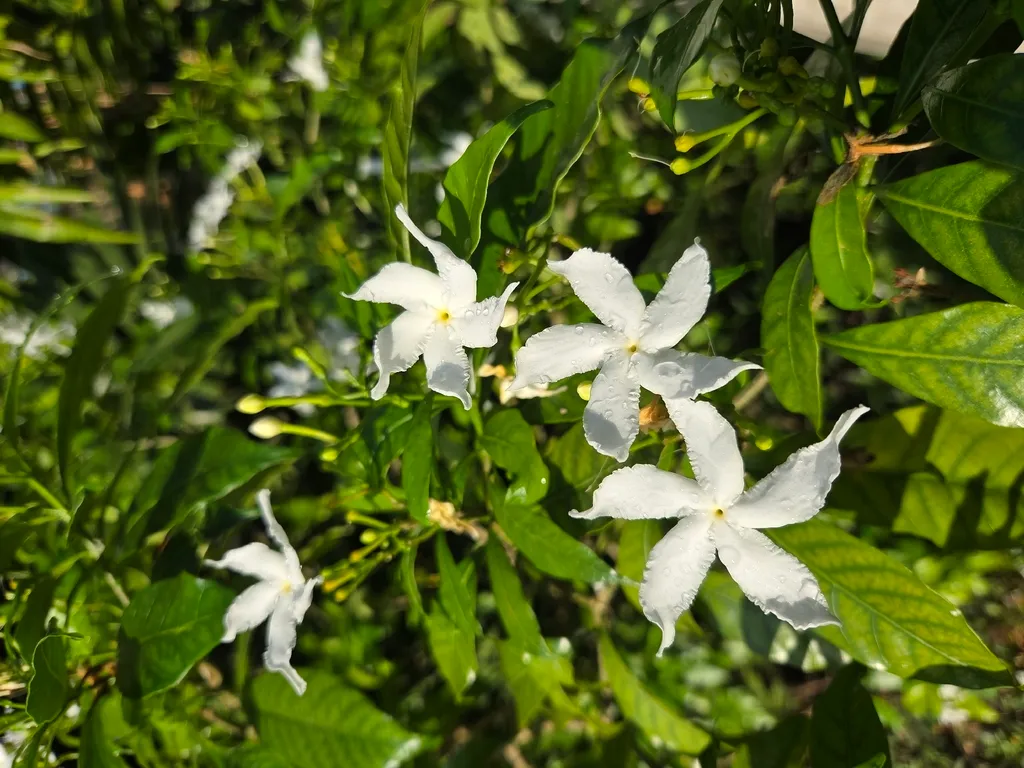
Scientific classification
- Species
- Pinwheel Flower (Tabernaemontana divaricata)
- Genus
- Tabernaemontana
- Family
- Apocynaceae
- Order
- Gentianales
- Class
- Magnoliopsida
- Phylum
- Magnoliophyta
- All parts of the plant contain milky sap that may cause skin irritation; ingestion can cause digestive upset. Keep away from pets and children.
- Toxicity
- Shrubs · Houseplants
- Plant type
- 1.5 metres
- Height
- 1 metres
- Spread
- Evergreen
- Foliage
- Bushy
- Habit
- Spring · Summer
- Season of interest
- Partial shade
- Sunlight
- 20 – 30 °C
- Ideal temperature









Pinwheel Flower pictures
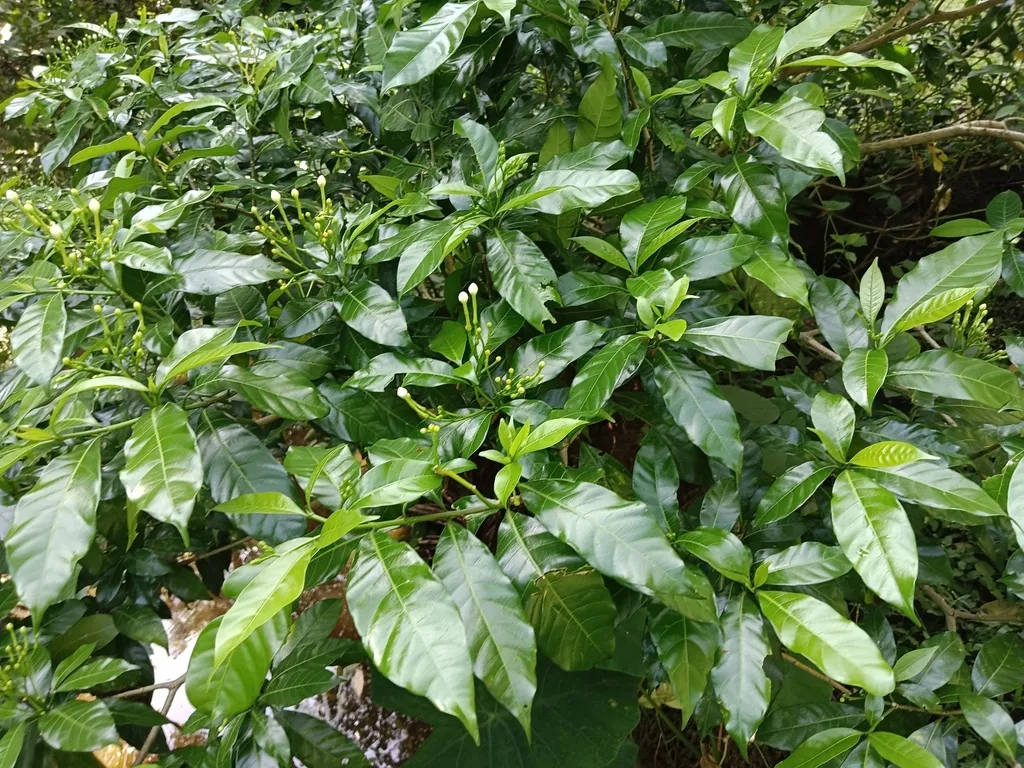
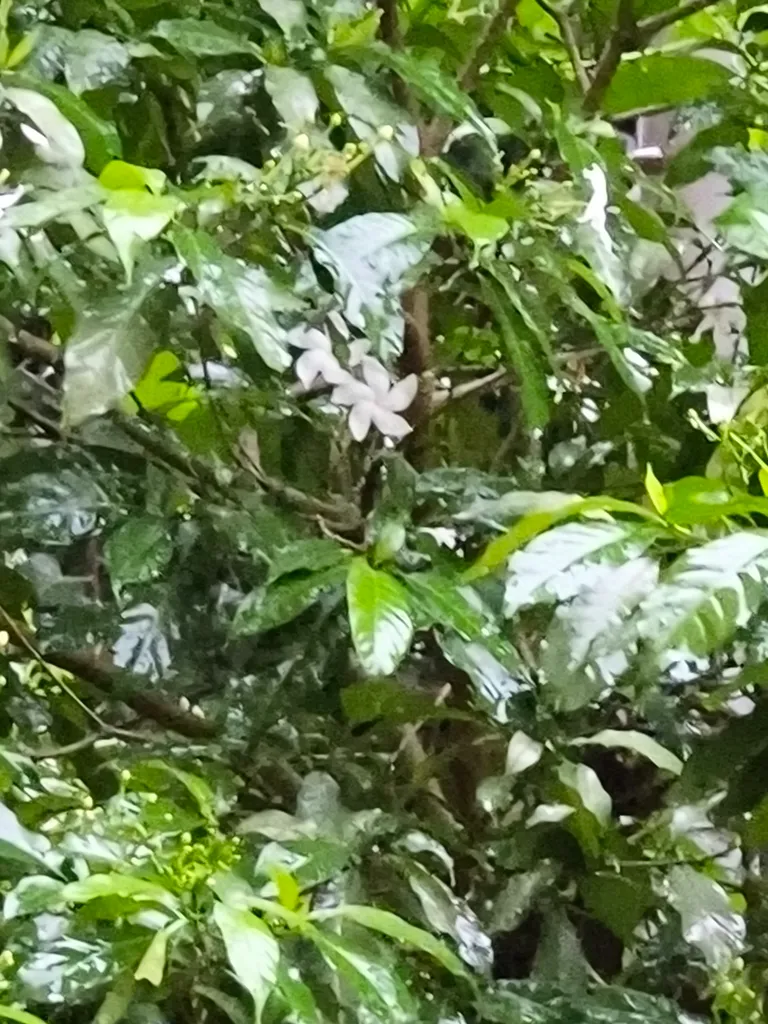
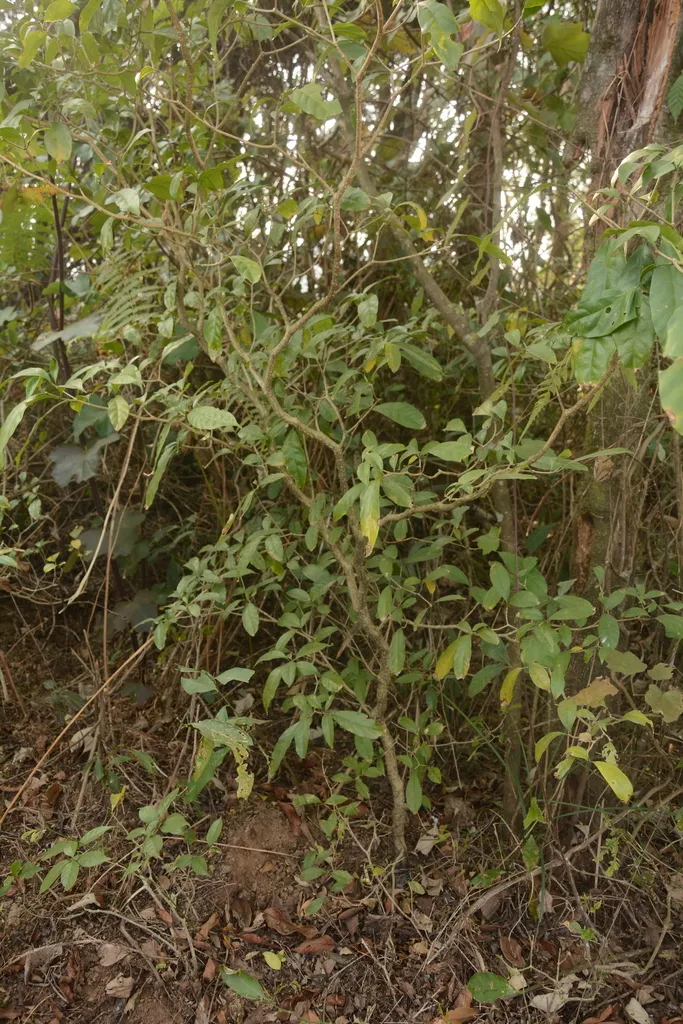

Distribution of Pinwheel Flower
Distribution map
- Native
- Introduced
- Cultivated
Source:WCVP v16 · Royal Botanic Gardens, Kew · CC BY 3.0 · Boundaries:WGSRPD / TDWG
Toxicity
All parts of the plant contain milky sap that may cause skin irritation; ingestion can cause digestive upset. Keep away from pets and children.
Pinwheel Flower care guide
- Keep soil evenly moist, reduce in winter
- Watering
- Partial shade
- Sunlight
- 20 – 30 °C
- Ideal temperature

Watering
Keep soil evenly moist, reduce in winter
Fertilizing
 Fertilizing
Bi-weekly during growing season
Pruning
 Pruning
Prune lightly after flowering to maintain shape and encourage bushiness. Remove dead or crossing branches in early spring before new growth begins.
Propagation
 Propagation
Propagate by semi-ripe stem cuttings in late spring or early summer; dip cuttings in rooting hormone and place in a well-drained, moist medium at 20–25°C. Seeds can also be sown in spring at 21–24°C, though germination may be slow.
Growing
 Growing
Grow in a well-drained, loamy or sandy soil with a pH between acidic and neutral. Provide bright, indirect light or partial shade; avoid direct midday sun which can scorch leaves. Keep soil consistently moist during the growing season but reduce watering in winter. Fertilize monthly from spring to autumn with a balanced liquid fertilizer. In temperate regions, overwinter indoors or in a heated greenhouse at minimum 10–15°C.
Common pests and diseases
Diseases
Generally healthy but may be susceptible to root rot if overwatered or grown in poorly drained soil. Leaf spot diseases can occur in humid conditions.
Pests
Common pests include mealybugs, scale insects, and spider mites, especially when grown indoors or under glass.
Explore the plant health library →




