
Anthurium Magnificum
Also known as: Magnificum Anthurium, Velvet-leaf Anthurium
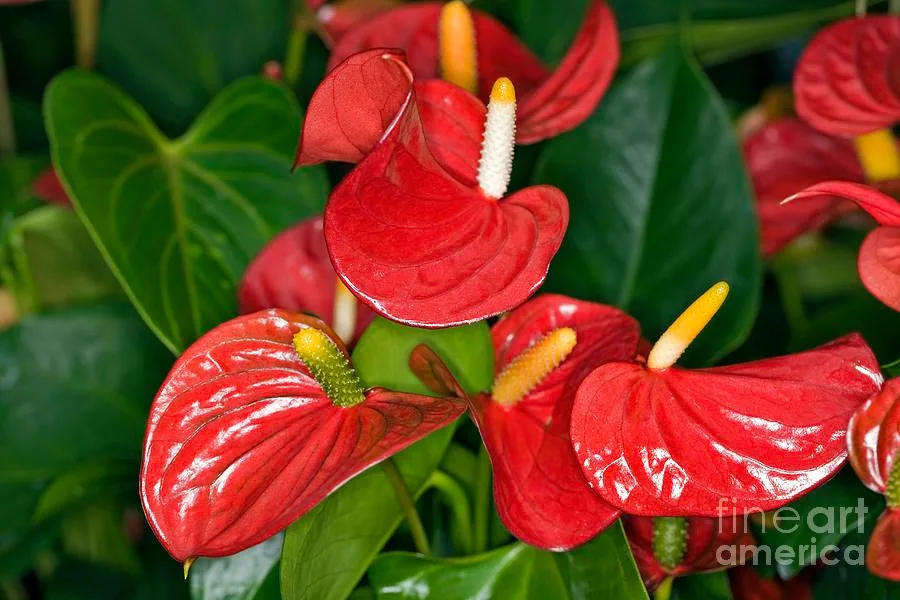
Anthurium Magnificum hybrid is a striking tropical foliage plant with large, heart-shaped, velvety deep green leaves prominently veined in silver-white or pale green. Its inflorescence consists of a showy pink to red spathe (modified leaf) and a creamy white spadix, blooming intermittently throughout the year. The plant forms an upright clump and can reach up to 1 metre in height, making it a dramatic specimen for indoor spaces.
Scientific classification
- Species
- Anthurium Magnificum (Anthurium sp.)
- Genus
- Anthurium
- Family
- Araceae
- Order
- Alismatales
- Class
- Liliopsida
- Phylum
- Magnoliophyta
- All parts of Anthurium contain calcium oxalate crystals and are toxic if ingested, causing oral irritation and digestive upset; keep away from pets and children.
- Toxicity
- Houseplants · Foliage
- Plant type
- 0.6 - 1.0 metres
- Height
- 0.3 - 0.6 metres
- Spread
- Evergreen
- Foliage
- Upright
- Habit
- Spring · Summer
- Season of interest
- Bright indirect light
- Sunlight
- Information to be completed
- Ideal temperature









Anthurium Magnificum pictures
Distribution of Anthurium Magnificum
Distribution map
Tropical rainforests of South America (Colombia, Ecuador)
Toxicity
All parts of Anthurium contain calcium oxalate crystals and are toxic if ingested, causing oral irritation and digestive upset; keep away from pets and children.
Anthurium Magnificum care guide
- Water when the top inch of soil is dry; keep humidity high.
- Watering
- Bright indirect light
- Sunlight

Watering
Water when the top inch of soil is dry; keep humidity high.
Fertilizing
 Fertilizing
Monthly during the growing season with a balanced fertilizer.
Pruning
 Pruning
Remove yellowed or dead leaves at the base, and cut off spent flower spathes to encourage new blooms. Pruning is best done in spring.
Propagation
 Propagation
Propagate by division of mature clumps in spring, ensuring each division has at least one stem and healthy roots. Alternatively, take stem cuttings with at least two nodes and root them in moist sphagnum moss at 25–28°C under high humidity. Rooting typically occurs within 4–6 weeks.
Growing
 Growing
Grow in bright indirect light; avoid direct sun which can scorch the leaves. Maintain high humidity (60% or above) by misting or using a pebble tray. Water regularly during the growing season, allowing the top 2–3 cm of soil to dry slightly between waterings; reduce watering in winter. Use a well-draining, peat-based potting mix and feed with a balanced liquid fertiliser every 4–6 weeks from spring to autumn. Keep temperatures above 15°C year-round.
Common pests and diseases
Diseases
Susceptible to root rot if overwatered or grown in poorly drained soil. Leaf spot and bacterial blight may occur in stagnant, humid conditions.
Pests
Common pests include red spider mites, aphids, and mealybugs. Regular inspection and wiping of leaves help prevent infestations.
Explore the plant health library →




