



Planting and Growing Anthurium Magnificum

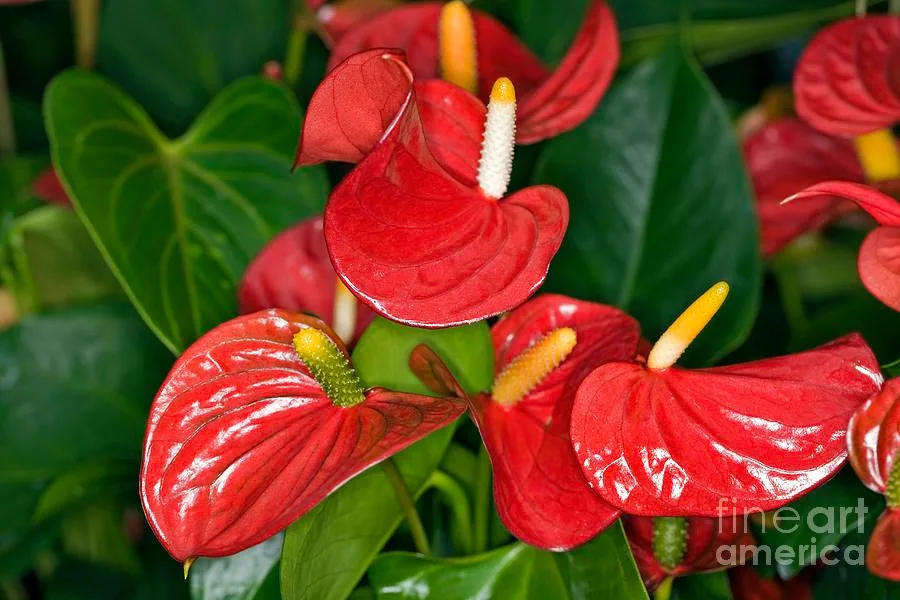
| Care difficulty | 4 / 5 |
|---|---|
| Watering schedule | Water when the top inch of soil is dry; keep humidity high. |
| Sunlight requirements | Bright indirect light |
| Ideal temperature | Information to be completed |
| Soil type | Peat · Loam |
| Soil pH | Acid |
| Soil moisture | Moist but well drained |
| Fertilizing | Monthly during the growing season with a balanced fertilizer. |
| Toxicity | All parts of Anthurium contain calcium oxalate crystals and are toxic if ingested, causing oral irritation and digestive upset; keep away from pets and children. |
How to Water Anthurium Magnificum?
Water when the top inch of soil is dry; keep humidity high.
Learn more →What Are the Sunlight Requirements for Anthurium Magnificum?
Bright indirect light
Learn more →What Soil Is Best for Anthurium Magnificum?
- Soil type
- Peat · Loam
- Soil pH
- Acid
What Are the Moisture Requirements for Anthurium Magnificum?
Moist but well drained
Learn more →How to Fertilize Anthurium Magnificum?

Monthly during the growing season with a balanced fertilizer.
Learn more →How to Prune Anthurium Magnificum?

Remove yellowed or dead leaves at the base, and cut off spent flower spathes to encourage new blooms. Pruning is best done in spring.
Learn more →How to Propagate Anthurium Magnificum?

Propagate by division of mature clumps in spring, ensuring each division has at least one stem and healthy roots. Alternatively, take stem cuttings with at least two nodes and root them in moist sphagnum moss at 25–28°C under high humidity. Rooting typically occurs within 4–6 weeks.
Learn more →How to Plant Anthurium Magnificum?
Grow in bright indirect light; avoid direct sun which can scorch the leaves. Maintain high humidity (60% or above) by misting or using a pebble tray. Water regularly during the growing season, allowing the top 2–3 cm of soil to dry slightly between waterings; reduce watering in winter. Use a well-draining, peat-based potting mix and feed with a balanced liquid fertiliser every 4–6 weeks from spring to autumn. Keep temperatures above 15°C year-round.
Learn more →Common Pests & Diseases

Diseases
Susceptible to root rot if overwatered or grown in poorly drained soil. Leaf spot and bacterial blight may occur in stagnant, humid conditions.
Pests
Common pests include red spider mites, aphids, and mealybugs. Regular inspection and wiping of leaves help prevent infestations.
Explore the plant health library →Troubleshooting
Brown Leaf Tips, Yellowing Foliage, or Root Rot
Plants in the genus Anthurium sp. are primarily epiphytic or hemiepiphytic tropicals that suffer quickly if potted in dense, waterlogged soil or exposed to dry cold air.
| What you notice | Possible explanation | What to check next |
|---|---|---|
| Leaves turn yellow from the base upward while the potting mix stays heavy and wet | Overwatering and poor root aeration causing root rot | Check pot drainage and inspect whether roots are plump and pale or brown and mushy |
| Leaf tips and margins turn dry and brown in warm rooms | Low humidity, dry heating drafts, or soluble salt buildup | Check ambient humidity and whether white mineral crust appears on the pot rim |
| Bleached tan patches on leaves facing a sunny window | Direct sun scorch on shade-adapted forest foliage | Observe whether direct sunbeams hit the leaves during midday |
- Pot in a very airy epiphytic aroid mix (orchid bark, perlite, charcoal, and coarse peat-free organic matter).
- Water thoroughly when the top one to two inches of mix feel dry, allowing excess water to drain completely.
- Place in bright, indirect light and maintain moderate-to-high humidity away from cold drafts below 15°C (59°F).
- Flush the substrate occasionally with soft water to clear accumulated fertilizer salts.
Stop watering and repot immediately if roots are mushy and rotting; discard plants with a completely decayed crown.
Because this entry is at the genus level (Anthurium sp.), confirm whether your specimen is a velvet-leaf foliage species or a flowering hybrid before adjusting humidity.
Greening Spathes or Lack of Blooms
On flowering Anthurium selections, spathe color changes and stalled blooming reflect natural flower aging or insufficient light.
| What you notice | Possible explanation | What to check next |
|---|---|---|
| Older red or pink spathes gradually turn green and stiff before fading | Normal post-pollination or age-related chlorophyll development in mature spathes | Check whether the spathe is an older bloom while new foliage looks healthy |
| Healthy dark green leaves but no new flower spathes produced | Insufficient bright indirect light or lack of balanced growing-season nutrition | Assess window exposure and fertilizer schedule |
| Distorted new leaves or sticky residue with small insects on undersides | Aphids, thrips, or mealybugs feeding on unfolding buds | Inspect unfurling leaf spears and spathe undersides carefully |
- Snip spent or faded flower stalks cleanly at the base with sterilized shears so energy goes into new growth.
- Move to brighter indirect light and apply a dilute balanced fertilizer during spring and summer.
- Isolate and wipe or treat with insecticidal soap per label directions if aphids, thrips, or mealybugs are found.
Note that foliage-focused species such as Anthurium magnificum are grown primarily for velvety veined leaves and produce inconspicuous green-purple inflorescences rather than bright red spathes.
The Toxicity of Anthurium Magnificum
All parts of Anthurium contain calcium oxalate crystals and are toxic if ingested, causing oral irritation and digestive upset; keep away from pets and children.