
Spoon-leaved Sundew
Also known as: Spoon-leaved Sundew, Spatulate Sundew
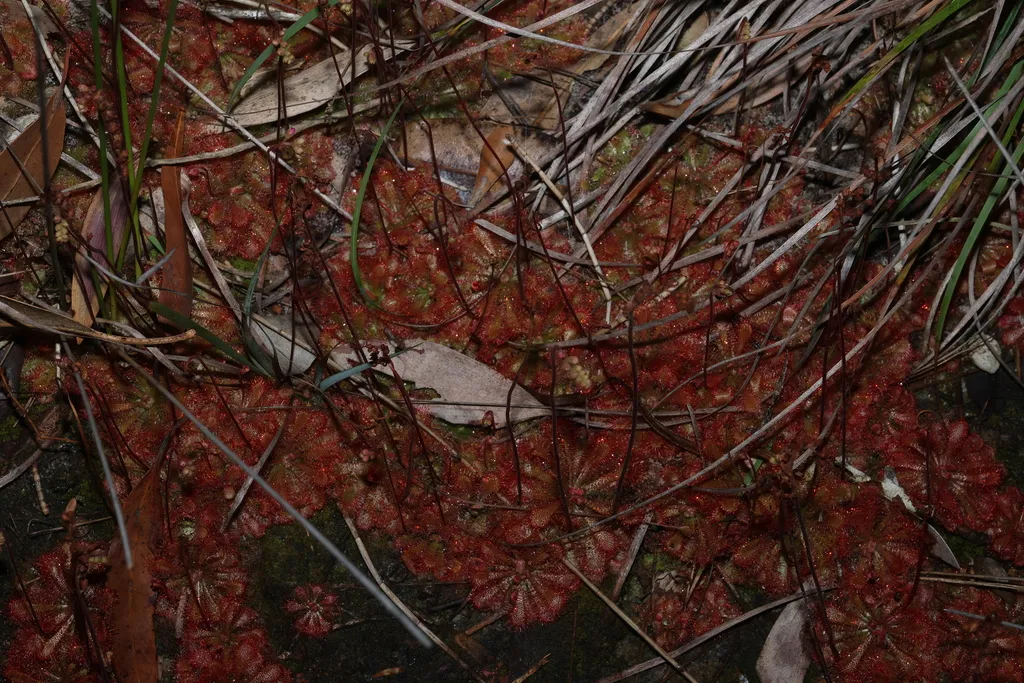
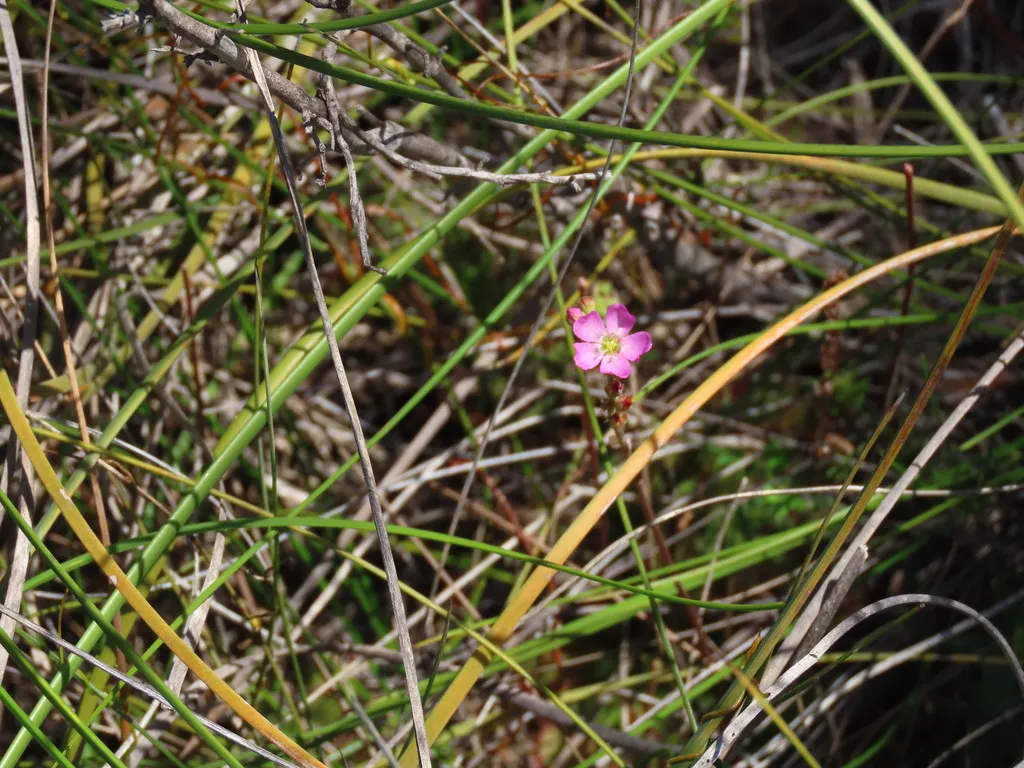
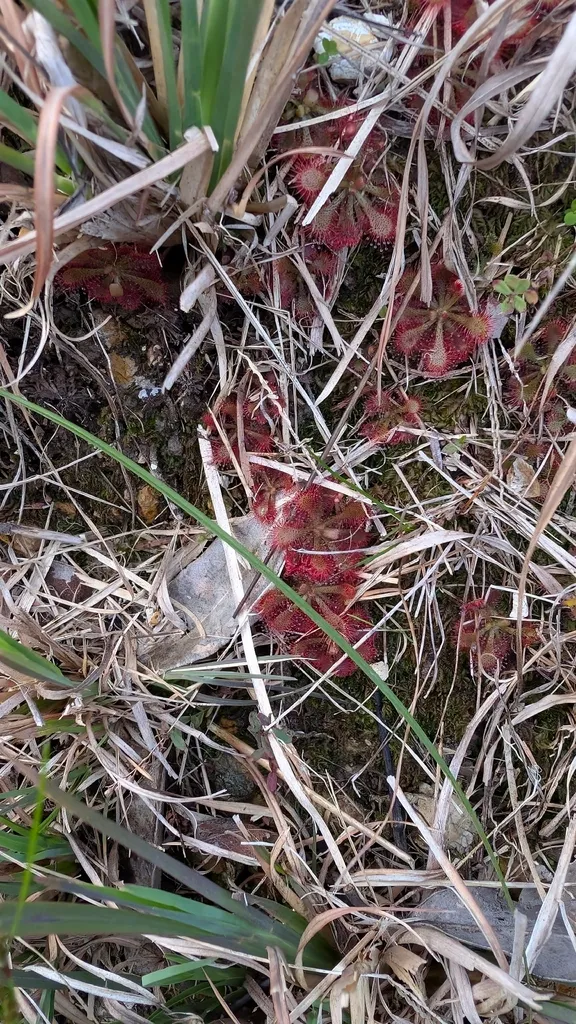
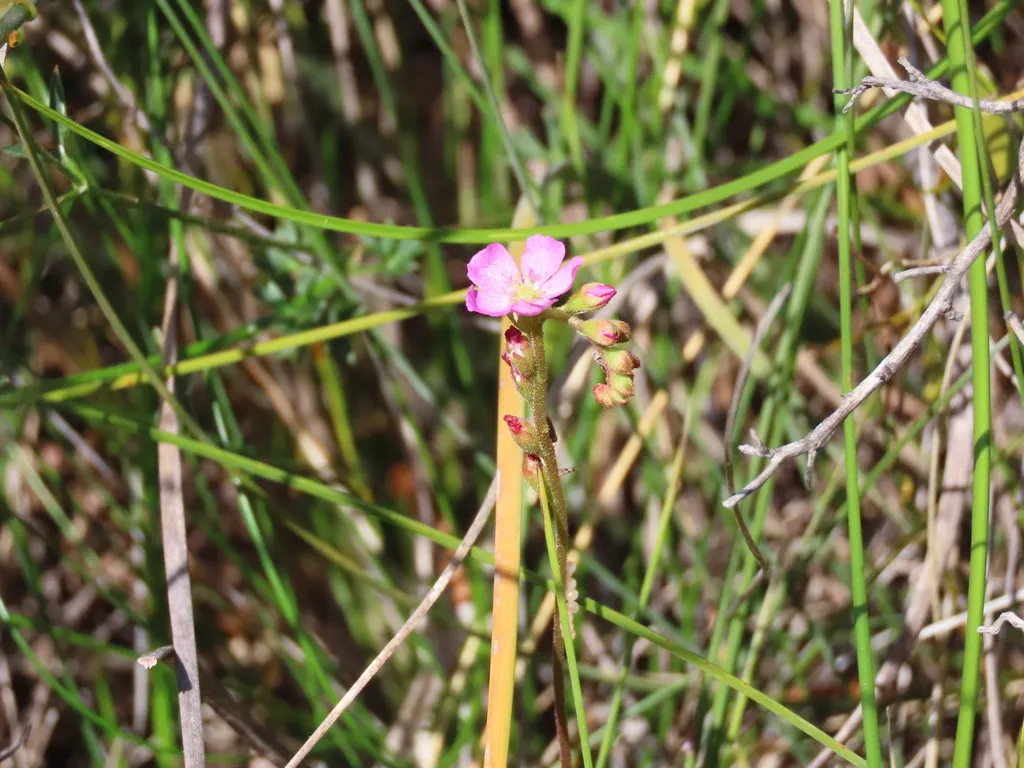
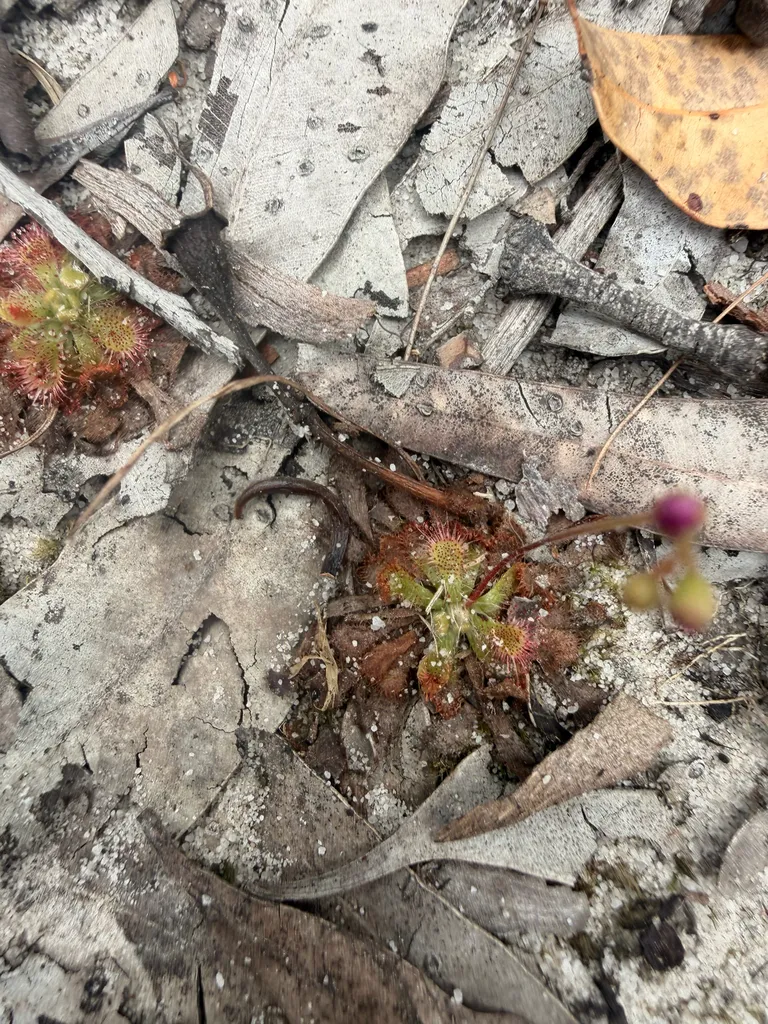
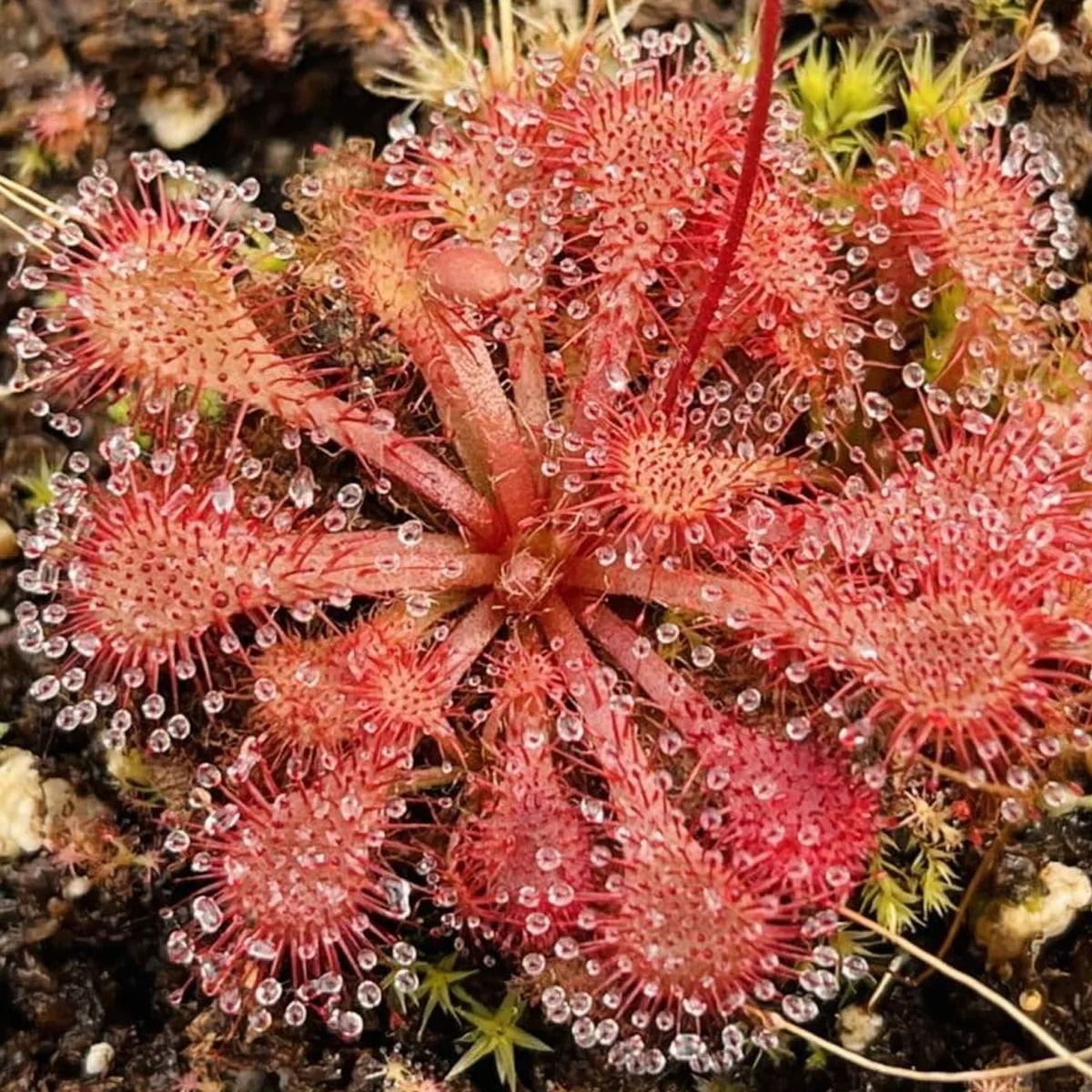
Drosera spatulata, commonly known as the spoon-leaved sundew, is a small rosette-forming carnivorous plant. Its spoon-shaped leaves are covered in glistening red glandular hairs that trap and digest small insects. In summer, slender flower stalks rise above the rosette, bearing clusters of pink or white five-petaled flowers. The plant is highly ornamental, especially when dew-like droplets glisten on the leaves under sunlight.
Scientific classification
- Species
- Spoon-leaved Sundew (Drosera spatulata)
- Genus
- Drosera
- Family
- Droseraceae
- Order
- Caryophyllales
- Class
- Magnoliopsida
- Phylum
- Magnoliophyta
- Non-toxic to humans and pets, though the sticky mucilage may cause mild skin irritation in sensitive individuals.
- Toxicity
- Bogs · Perennial · Conservatory Greenhouse
- Plant type
- 0.05 - 0.1 metres
- Height
- 0.1 - 0.15 metres
- Spread
- Evergreen
- Foliage
- Matforming
- Habit
- Summer
- Season of interest
- Full sun
- Sunlight
- 15 – 25 °C
- Ideal temperature









Spoon-leaved Sundew pictures
Distribution of Spoon-leaved Sundew
Distribution map
- Native
- Introduced
- Cultivated
Source:WCVP v16 · Royal Botanic Gardens, Kew · CC BY 3.0 · Boundaries:WGSRPD / TDWG
Toxicity
Non-toxic to humans and pets, though the sticky mucilage may cause mild skin irritation in sensitive individuals.
Spoon-leaved Sundew care guide
- Keep soil constantly wet, use distilled or rain water
- Watering
- Full sun
- Sunlight
- 15 – 25 °C
- Ideal temperature

Watering
Keep soil constantly wet, use distilled or rain water
Fertilizing
 Fertilizing
Never fertilize
Pruning
 Pruning
Remove dead leaves and spent flower stalks as needed to maintain plant health and appearance. No regular pruning is required.
Propagation
 Propagation
Propagate by leaf cuttings in spring or early summer: place a healthy leaf flat on moist sphagnum moss, keep in high humidity and bright indirect light at 20-25°C; new plantlets will form at the leaf base within a few weeks. Alternatively, divide mature rosettes or sow seed on the surface of moist peat in spring.
Growing
 Growing
Grow in a constantly moist, acidic growing medium such as pure sphagnum peat moss or a mix of peat and perlite (2:1). Use only rainwater, distilled water, or reverse osmosis water, never tap water. Place in full sun or bright indirect light; a south-facing windowsill or greenhouse bench is ideal. During winter dormancy, keep the soil slightly less wet but never allow it to dry out completely. Protect from frost; if grown outdoors in temperate regions, bring indoors or into a cold greenhouse before temperatures drop below 5°C.
Common pests and diseases
Diseases
Generally disease-free when grown under proper conditions. Overwatering or poor air circulation may lead to fungal rot, especially Botrytis. Use well-drained medium and avoid waterlogging.
Pests
Susceptible to aphids and mealybugs, particularly in greenhouse environments. Inspect regularly and treat with insecticidal soap or neem oil if needed.
Explore the plant health library →




