



Planting and Growing Spoon-leaved Sundew

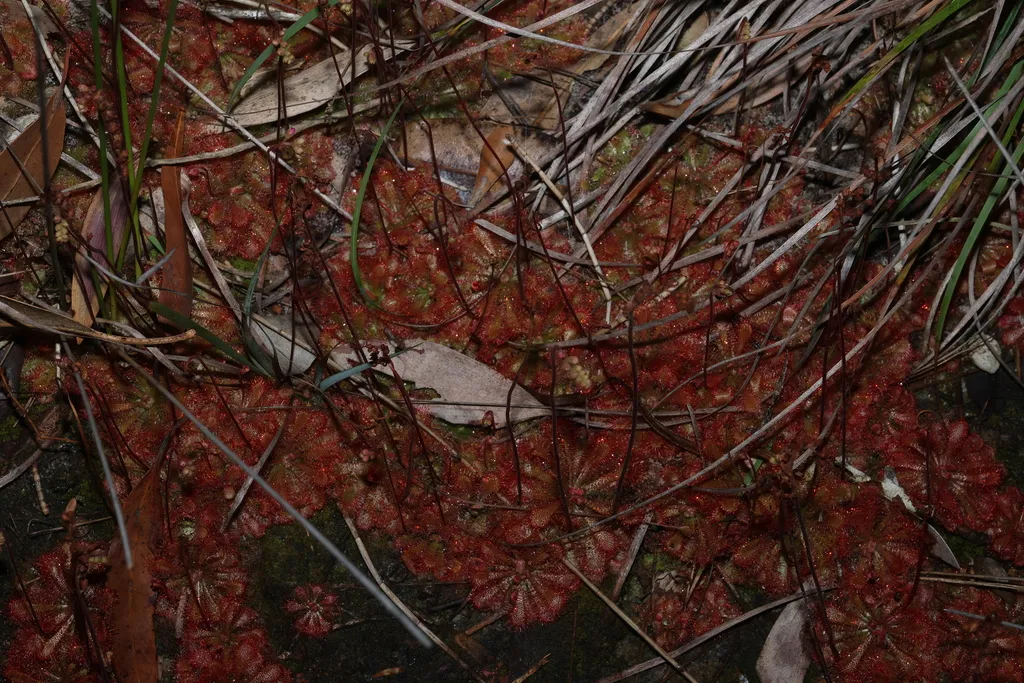
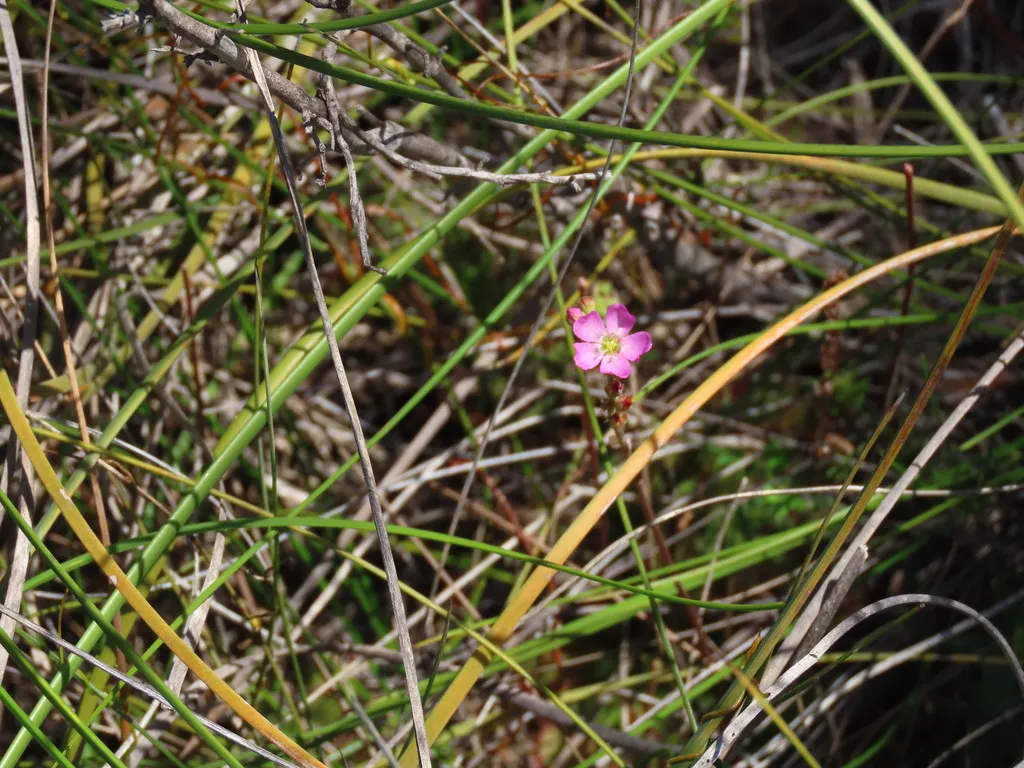
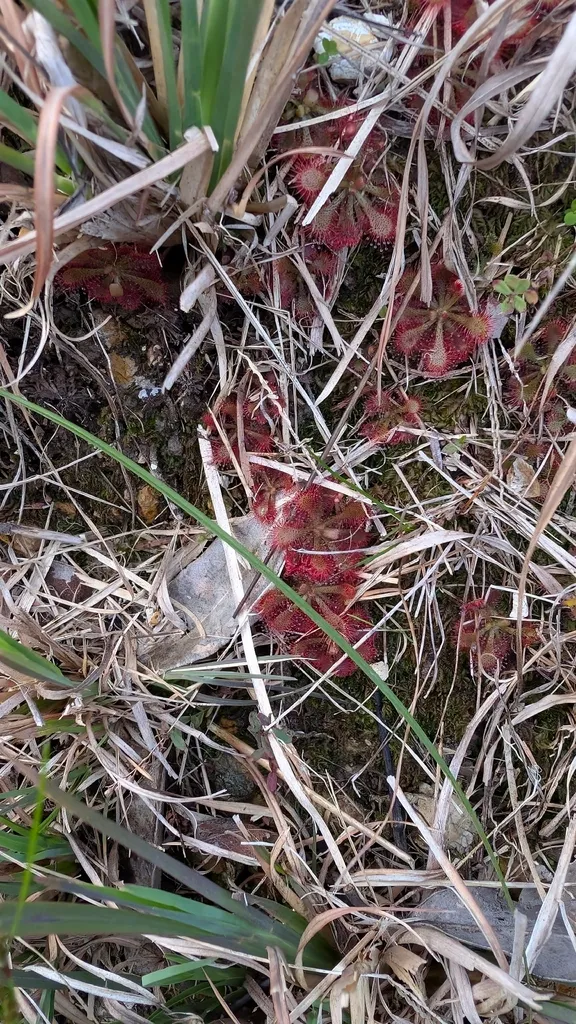
| Care difficulty | 2 / 5 |
|---|---|
| Watering schedule | Keep soil constantly wet, use distilled or rain water |
| Sunlight requirements | Full sun |
| Ideal temperature | 15 – 25 °C |
| Soil type | Peat |
| Soil pH | Acid |
| Soil moisture | Moist · Poorly drained |
| Fertilizing | Never fertilize |
| Toxicity | Non-toxic to humans and pets, though the sticky mucilage may cause mild skin irritation in sensitive individuals. |
How to Water Spoon-leaved Sundew?
Spoon-leaved sundew is a moisture-loving plant, thriving in environments similar to its native tropical rainforests. It has a preference for high humidity and is not drought-tolerant. This plant needs to be watered twice a week to maintain its optimal health. Being an evergreen, spoon-leaved sundew retains its leaves year-round, which helps it absorb and store more water. Its unique water-absorbing capabilities make it suitable for indoor cultivation where humidity can be controlled.
Learn more →What Are the Sunlight Requirements for Spoon-leaved Sundew?
Spoon-leaved sundew thrives best in full sun conditions, which bolsters its photosynthesis and insect trapping efficiency. Exposing spoon-leaved sundew to direct sunlight for at least 4-6 hours daily is optimal. While spoon-leaved sundew can endure some partial shade, it prefers unfiltered sunlight to reach peak vibrancy and health. Insufficient light often leads to leggy growth and reduced dew production, critical for its carnivorous diet. Spoon-leaved sundew exhibits adaptive responses such as intensified red pigmentation in bright light, which increases its attractiveness to prey. For outdoor cultivation, spoon-leaved sundew should be planted in spots that receive a wealth of direct sunshine, avoiding areas shadowed by taller flora or structures for prolonged periods.
Learn more →What Is the Ideal Temperature Range for Spoon-leaved Sundew?

Spoon-leaved sundew is quite resilient to temperature fluctuations, with a remarkable tolerance range from -15°C (5°F) to 41°C (106°F). This resilience means spoon-leaved sundew can endure frosty winters and sweltering summers, though care is needed during temperature extremes. During cold spells, symptoms such as blackened or wilting leaves indicate overcooling. In heat waves, look for signs like browning or scorched leaves. Protective measures, like mulching in winter or shading and misting in summer, are essential to maintaining plant health. Such adaptability makes spoon-leaved sundew suitable for a variety of environments but underscores the importance of vigilant care during extreme weather.
Learn more →What Soil Is Best for Spoon-leaved Sundew?
For spoon-leaved sundew, ensure excellent soil aeration and drainage. Use a mix of 1 part peat moss and 1 part perlite or sand. If unavailable, consider pre-mixed carnivorous plant soil. Avoid nutrient-rich garden soil; unnecessary nutrients can harm spoon-leaved sundew. Ensure a pot with drainage holes and avoid water logging by keeping soil lightly moist. No fertilizers needed due to spoon-leaved sundew's nutrient intake from insects.
- Soil type
- Peat
- Soil pH
- Acid
What Are the Moisture Requirements for Spoon-leaved Sundew?
Moist · Poorly drained
Learn more →How to Fertilize Spoon-leaved Sundew?

For optimal growth, spoon-leaved sundew benefits from dilute fertilization. Use succulents and cacti food every 2-3 weeks during active growth. Apply 1/4 strength of recommended dosage to avoid root burn. Fertilization enhances spoon-leaved sundew's color and dew production, critical for its insect-trapping mechanism. In dormancy, reduce to monthly. Over-fertilizing can harm, so proceed with caution, ensuring no fertilizer contacts the leaves. Withhold fertilization if spoon-leaved sundew is capturing enough prey. Always water spoon-leaved sundew before fertilizing.
Learn more →How to Prune Spoon-leaved Sundew?

Remove dead leaves and spent flower stalks as needed to maintain plant health and appearance. No regular pruning is required.
Learn more →How to Propagate Spoon-leaved Sundew?

Spoon-leaved sundew is a small carnivorous perennial favored for its rosettes of spoon-shaped leaves. To propagate spoon-leaved sundew, cuttings should include a segment of the stem with at least one or more leaves. Provide a moist, sandy or peaty substrate and maintain high humidity. Roots should form within a few weeks, after which the new plant can gradually acclimate to less humid conditions. Care should be taken to avoid contaminating the cut surfaces to prevent fungal infections.
Learn more →How to Transplant Spoon-leaved Sundew?
For the optimal vitality of spoon-leaved sundew, transition them in the flush of early to mid-spring, a period conducive to vigorous growth. Situate them in boggy, acidic locales, ensuring consistent moisture. A friendly tip: gentle handling supports their delicate roots during this process.
Learn more →How to Plant Spoon-leaved Sundew?
Grow in a constantly moist, acidic growing medium such as pure sphagnum peat moss or a mix of peat and perlite (2:1). Use only rainwater, distilled water, or reverse osmosis water, never tap water. Place in full sun or bright indirect light; a south-facing windowsill or greenhouse bench is ideal. During winter dormancy, keep the soil slightly less wet but never allow it to dry out completely. Protect from frost; if grown outdoors in temperate regions, bring indoors or into a cold greenhouse before temperatures drop below 5°C.
Learn more →How to Repot Spoon-leaved Sundew?
Ideal in spring, repot spoon-leaved sundew every 2-3 years to accommodate its small, rosette form. Choose shallow, wide pots to mimic its natural bog habitat. Post-repotting, maintain high humidity and constant moisture, avoiding tap water. Peat and perlite mix works best for this delicate carnivore. Remember, spoon-leaved sundew thrives with patient, knowledgeable care.
Learn more →Common Pests & Diseases

Diseases
Generally disease-free when grown under proper conditions. Overwatering or poor air circulation may lead to fungal rot, especially Botrytis. Use well-drained medium and avoid waterlogging.
Pests
Susceptible to aphids and mealybugs, particularly in greenhouse environments. Inspect regularly and treat with insecticidal soap or neem oil if needed.
Explore the plant health library →Troubleshooting
Loss of Sticky Dew Droplets or Leggy Pale Leaves
Spoon-leaved Sundew (Drosera spatulata) is a bog carnivore adapted to nutrient-poor acidic peat and mineral-free water; decline usually traces back to water minerals, low light, or lack of seasonal rest.
| What you notice | Possible explanation | What to check next |
|---|---|---|
| Leaves look green and elongated but lack glistening red tentacles and sticky mucilage droplets | Insufficient direct sunlight or overly dry air | Assess daily direct sun exposure and ambient humidity |
| Entire rosette turns black or brown rapidly and fails to produce healthy new leaves | Tap water mineral toxicity, fertilizer burn, or nutrient-rich potting soil | Review water source and confirm whether peat/perlite or regular soil was used |
| Foliage dries out rapidly around the edges | Substrate drying out or hot dry drafts | Check tray water level and airflow |
- Water exclusively with rainwater, distilled water, or reverse-osmosis water using the tray method during active growth so the acidic peat-perlite/sand mix stays moist.
- Provide abundant direct sunlight (at least 4–6 hours daily) or strong grow lights to support trap coloration and mucilage production.
- Never use standard potting soil, compost, terracotta pots (which leach minerals), or root fertilizers.
- Keep Drosera spatulata in bright light with steady moisture and trim dead lower leaves cleanly.
Discard and replace contaminated potting media immediately if tap water or fertilizer was accidentally applied, flushing roots thoroughly with distilled water.
Avoid overhead misting or watering that washes sticky mucilage droplets off the leaves.
Grey Mould (Botrytis) or Aphid Distortion
Cool, stagnant air combined with dead decaying foliage can invite grey mould, while aphids distort young emerging leaves.
| What you notice | Possible explanation | What to check next |
|---|---|---|
| Fuzzy grey-brown mould growing on dead traps, spent flower stalks, or damp crown | Botrytis grey mould favored by cool, stagnant, overly wet conditions | Inspect dead leaf bases and crown crevices |
| New leaves emerge curled, twisted, or sticky with small green/pale insects | Aphid infestation on tender central growth | Examine the rosette center with a magnifier |
- Snip away dead blackened leaves and spent flower stalks promptly with clean scissors to improve airflow around the crown.
- Move to a brighter, better-ventilated spot and reduce standing tray water slightly during cool weather.
- Submerge the pot briefly in distilled water or pick off aphids carefully if an infestation appears.
Do not apply standard household insect sprays or oil soaps, which can burn delicate carnivorous glands.
The Toxicity of Spoon-leaved Sundew
Non-toxic to humans and pets, though the sticky mucilage may cause mild skin irritation in sensitive individuals.