
Cannonball tree
Also known as: Cannonball tree, Couroupita guianensis
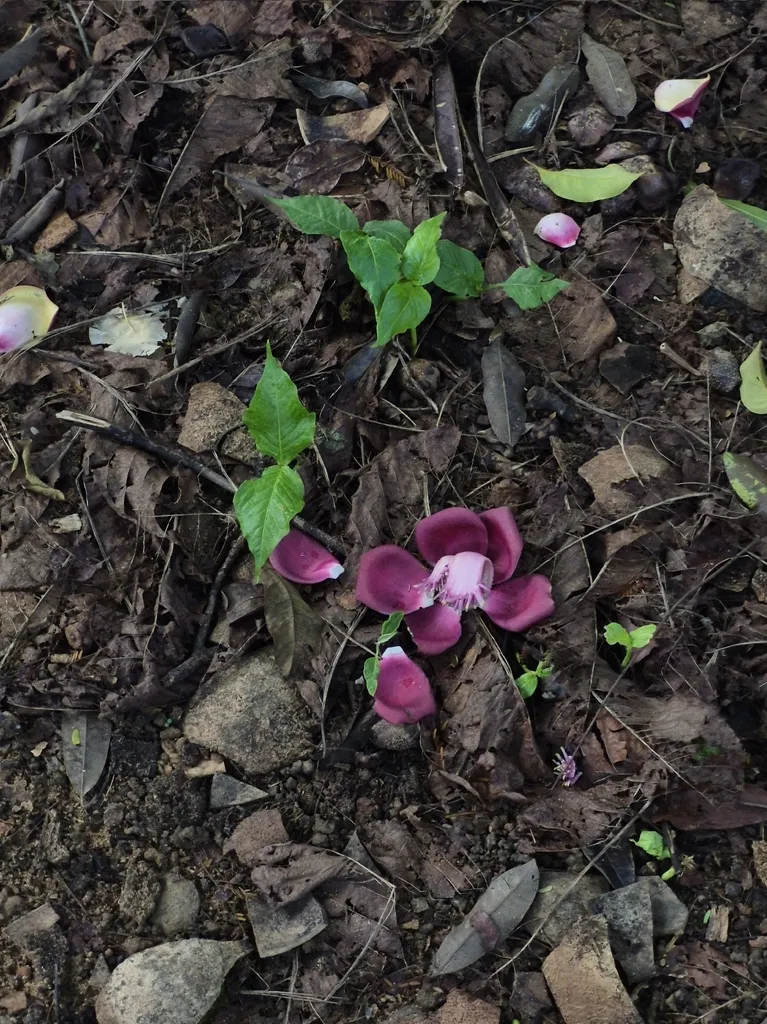
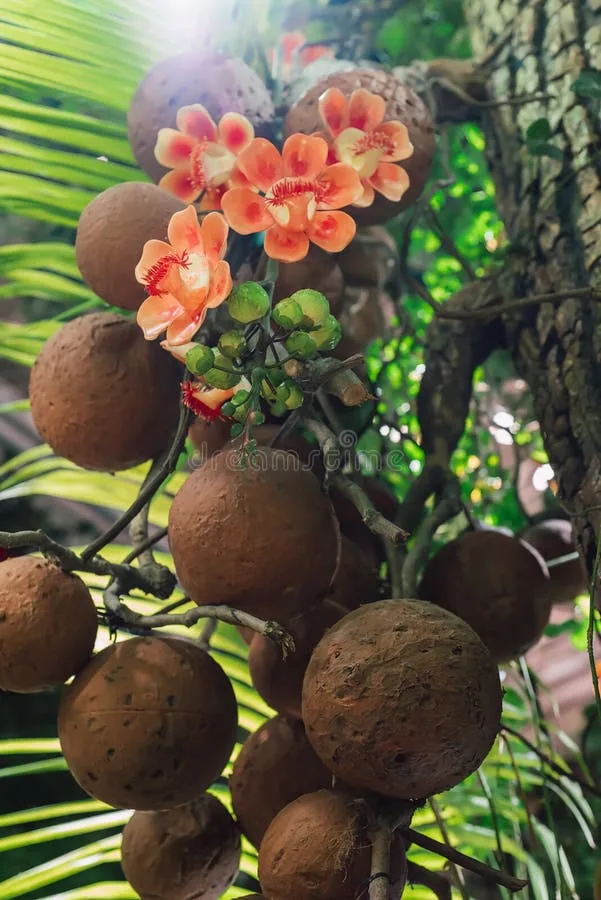
The cannonball tree is a large tropical tree reaching 20-35 metres in height. It has a straight trunk and a dense crown of large, oblong leaves. The spectacular, showy flowers are borne directly on the trunk and main branches, with a complex structure of pink, red, and yellow petals, and a strong, sweet fragrance. The large, round, woody fruits resemble cannonballs and can weigh up to several kilograms. The tree is highly ornamental and a unique specimen for tropical gardens or heated conservatories.
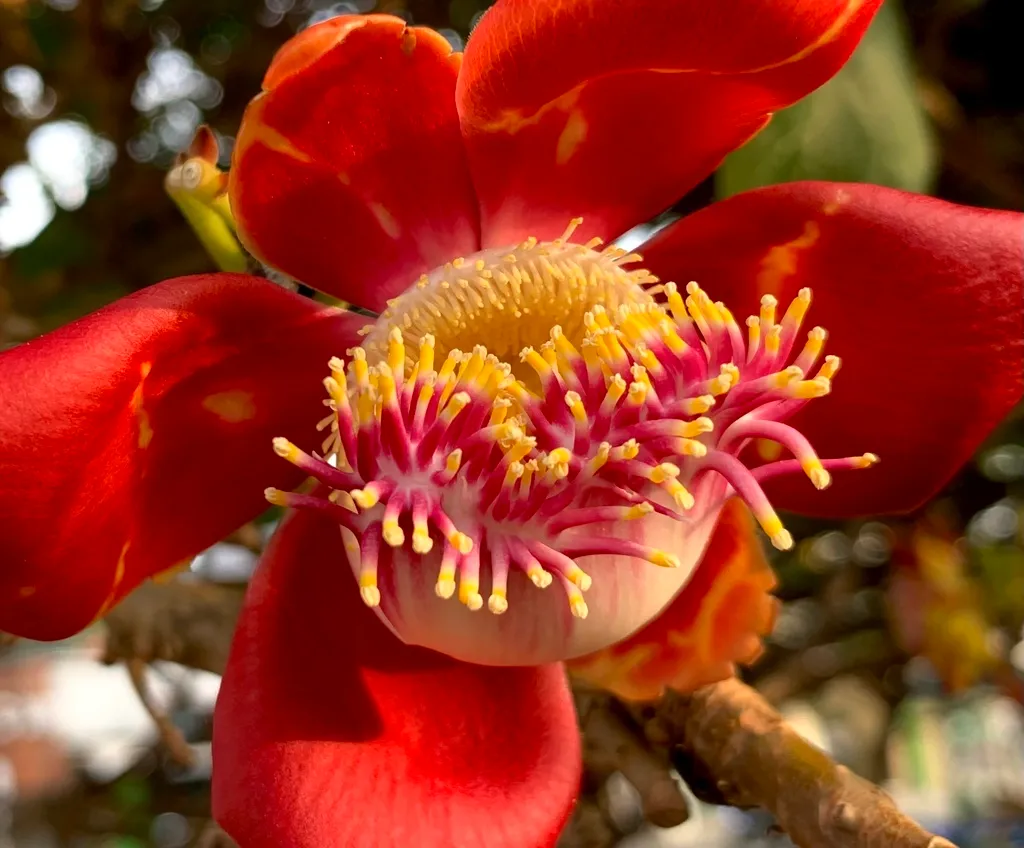
Scientific classification
- Species
- Cannonball tree (Couroupita guianensis)
- Genus
- Couroupita
- Family
- Lecythidaceae
- Order
- Ericales
- Class
- Magnoliopsida
- Phylum
- Tracheophyta
- Non-toxic to humans and pets.
- Toxicity
- Tree · Conservatory Greenhouse
- Plant type
- 20 - 35 metres
- Height
- 10 - 15 metres
- Spread
- Evergreen
- Foliage
- Upright
- Habit
- Summer · Autumn
- Season of interest
- Full sun · Partial shade
- Sunlight
- 20 – 30 °C
- Ideal temperature









Cannonball tree pictures
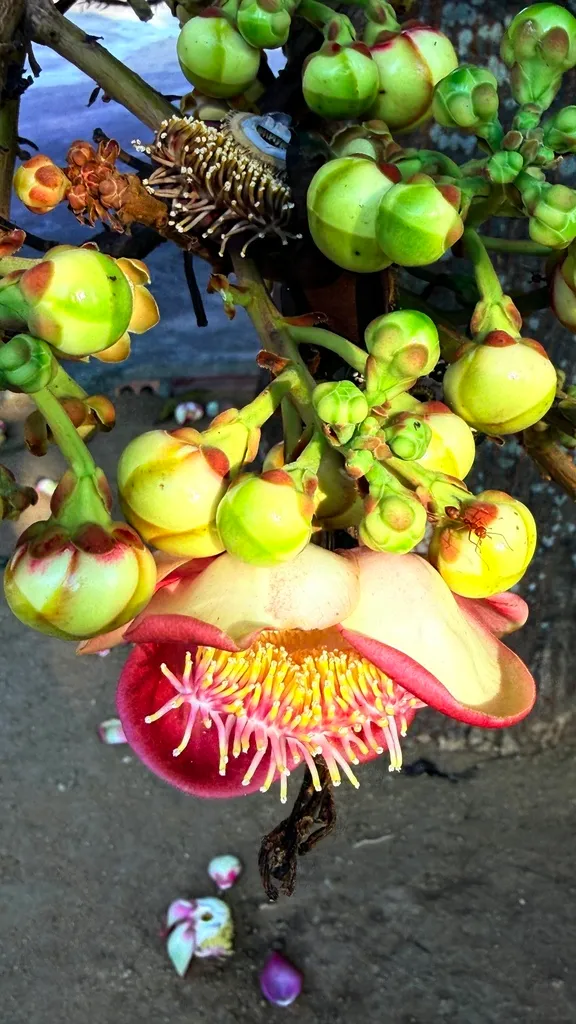
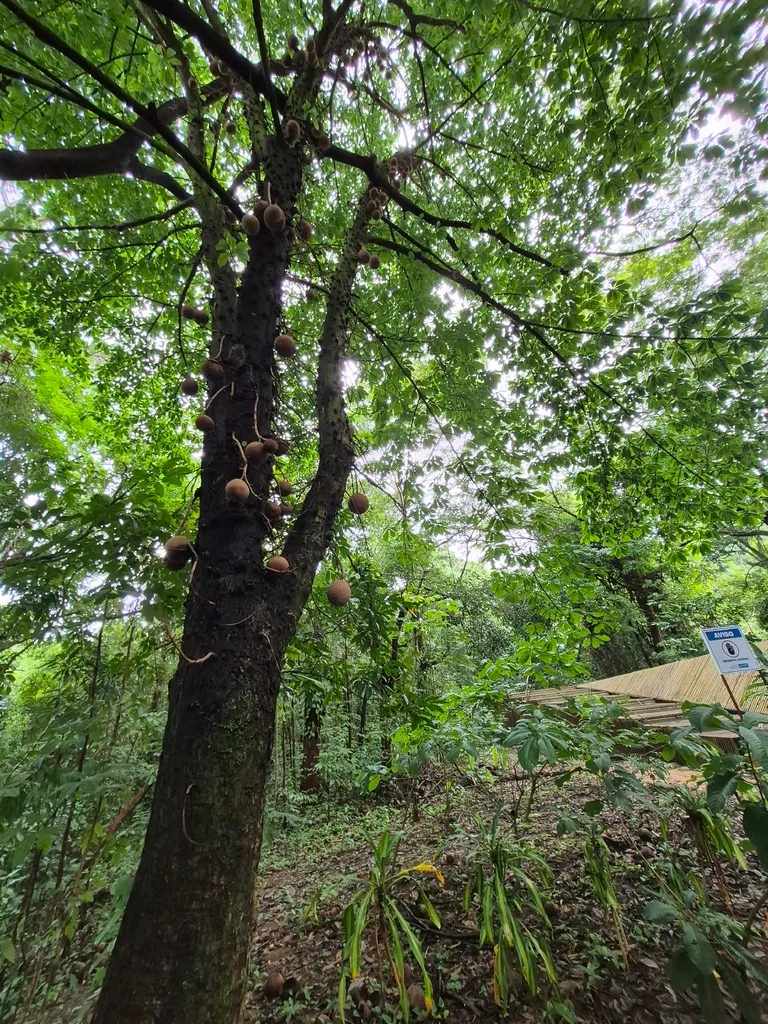
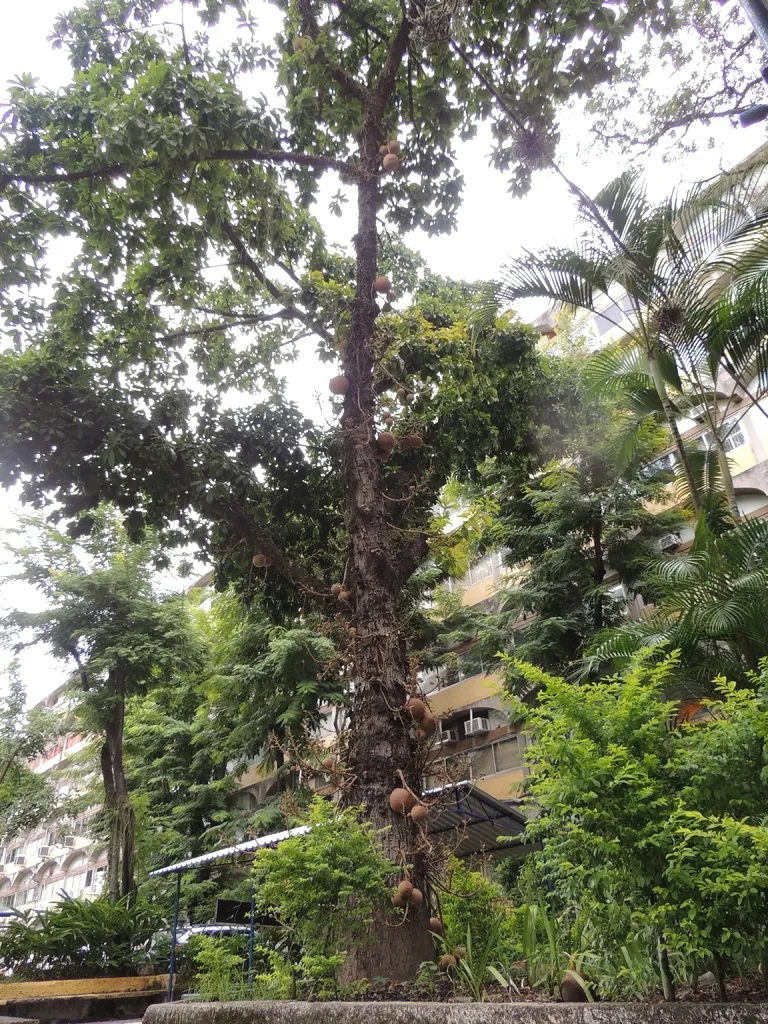
Distribution of Cannonball tree
Distribution map
- Native
- Introduced
- Cultivated
Source:WCVP v16 · Royal Botanic Gardens, Kew · CC BY 3.0 · Boundaries:WGSRPD / TDWG
Toxicity
Non-toxic to humans and pets.
Cannonball tree care guide
- Keep soil consistently moist, high humidity required
- Watering
- Full sun · Partial shade
- Sunlight
- 20 – 30 °C
- Ideal temperature

Watering
Keep soil consistently moist, high humidity required
Fertilizing
 Fertilizing
Every 2 weeks during growing season with balanced fertilizer
Pruning
 Pruning
Prune only to remove dead or damaged branches, ideally in late winter while the tree is still dormant. Avoid heavy pruning as flowers are produced on old wood.
Propagation
 Propagation
Propagate by seed, which should be sown fresh as viability declines quickly. Soak seeds for 24 hours before sowing in a warm, moist seed compost at 25-30°C. Germination takes 4-8 weeks. Alternatively, air layering can be attempted on mature branches.
Growing
 Growing
Grow in rich, well-drained loam or sandy soil with consistent moisture. Provide full sun to partial shade, with a position protected from strong winds. In temperate regions, it requires a heated greenhouse or conservatory with minimum winter temperatures of 10-15°C. Water freely during the growing season and reduce watering in winter. Apply a balanced liquid fertilizer monthly during growth. Mature trees are heavy feeders and benefit from a top-dressing of organic mulch.
Common pests and diseases
Diseases
Generally healthy, but may suffer from root rot in poorly drained soils. Leaf spot and sooty mold can occur in humid conditions.
Pests
Susceptible to scale insects, mealybugs, and spider mites, especially when grown under glass.
Explore the plant health library →




