
Banana
Also known as: Banana, Edible banana, Wild banana
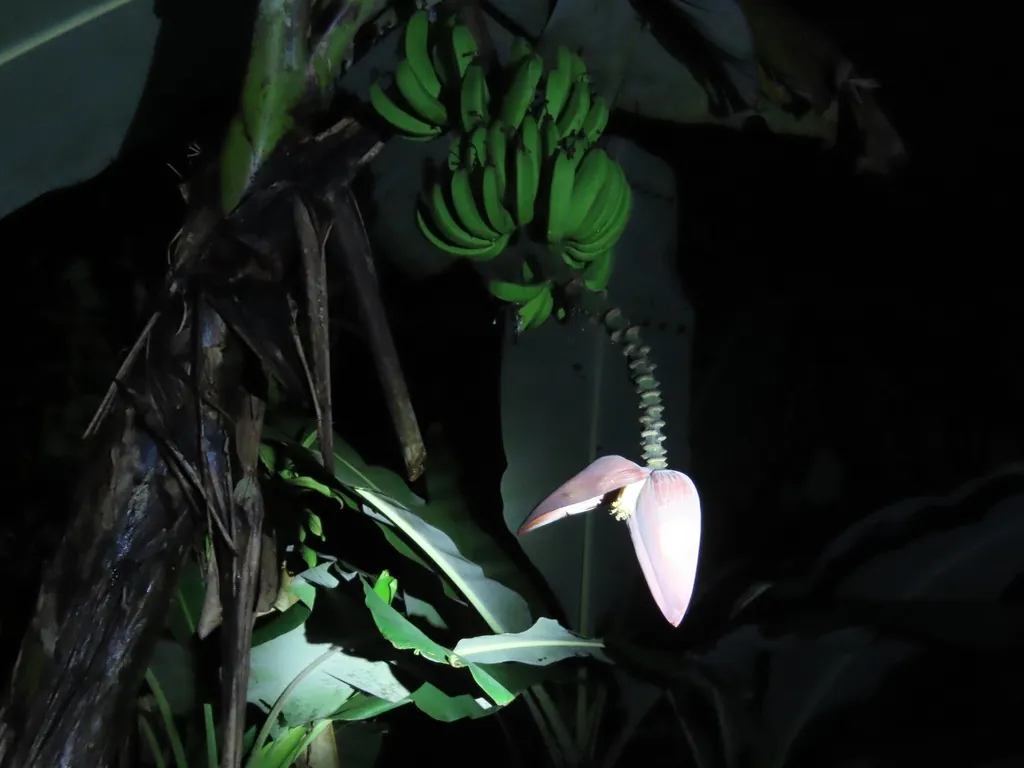
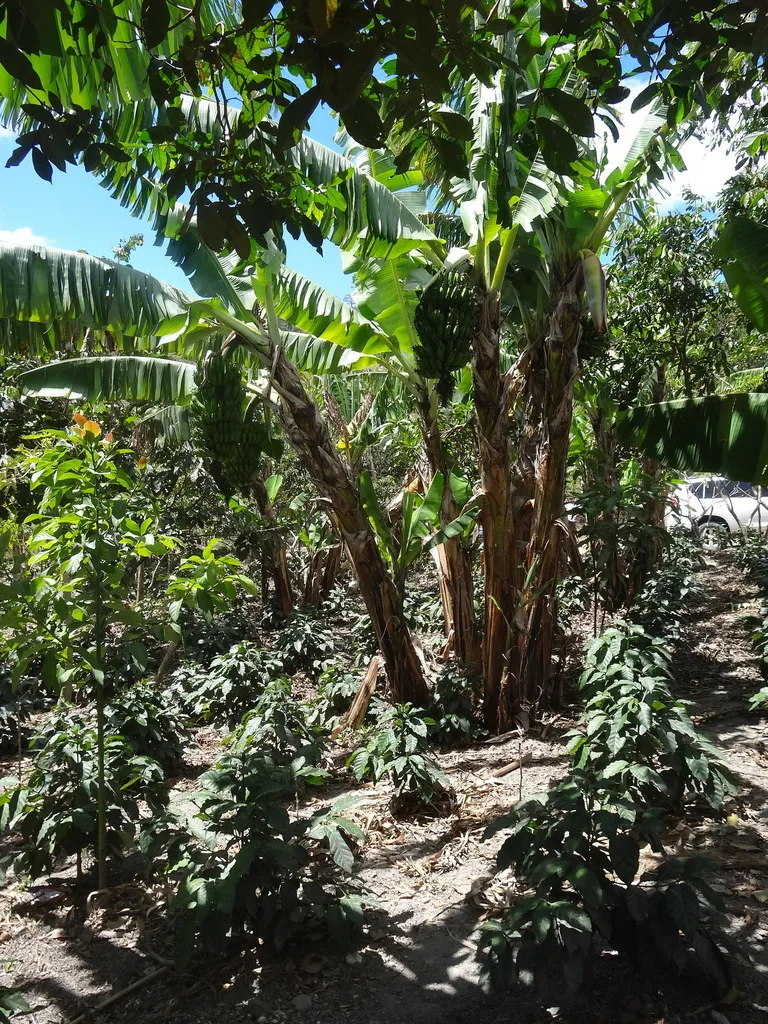
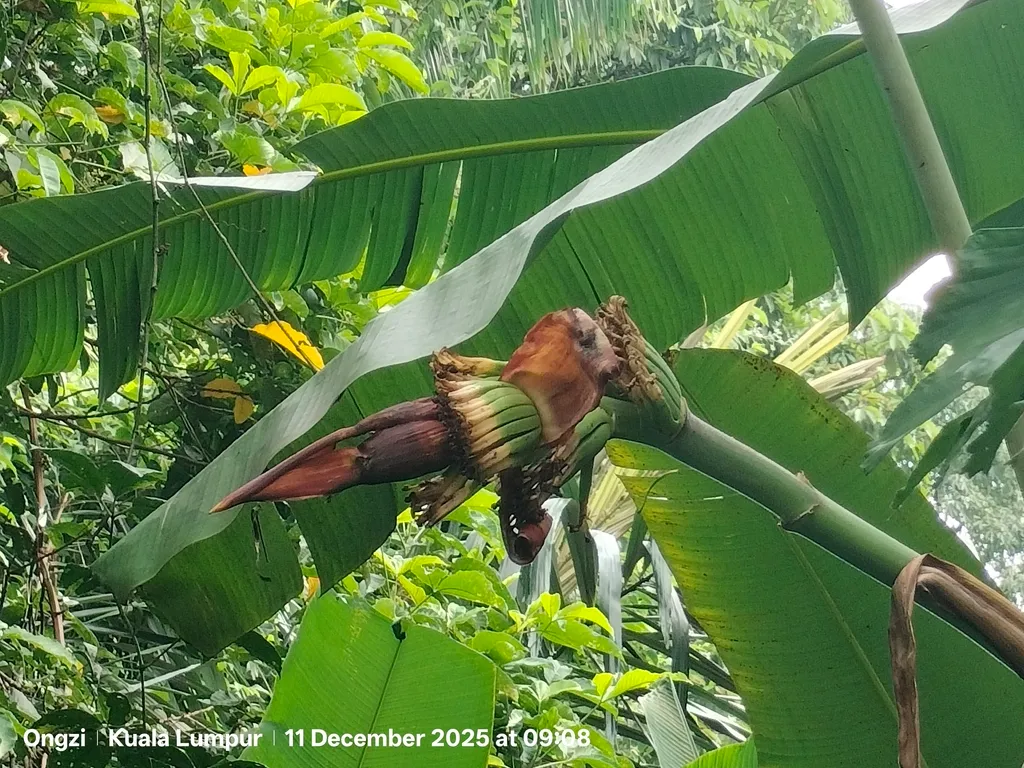
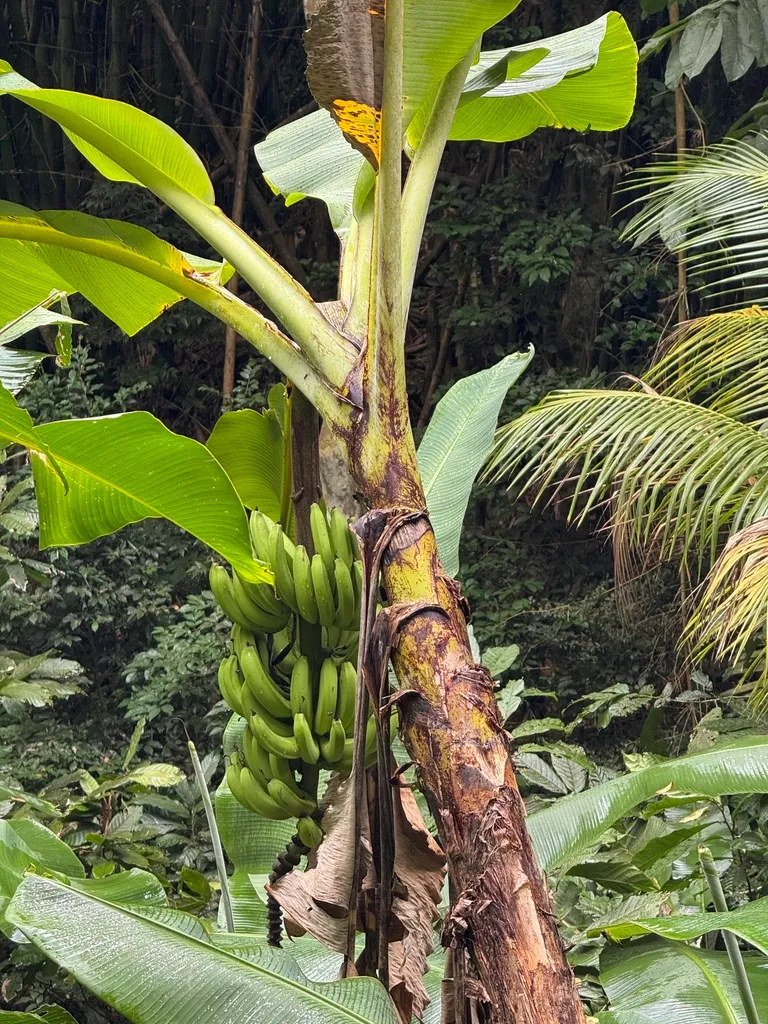
Musa acuminata is a large, fast-growing perennial herbaceous plant with a pseudostem formed by tightly overlapping leaf bases. It produces huge, oblong to elliptic leaves that are bright green and can reach up to 3 meters in length. The inflorescence is a pendant spike with purple bracts and rows of female flowers that develop into the familiar curved, seedless banana fruits. The fruit is yellow when ripe, with a soft, sweet flesh. This species is the primary ancestor of most cultivated dessert bananas.
Scientific classification
- Species
- Banana (Musa acuminata)
- Genus
- Information to be completed
- Family
- Musaceae
- Non-toxic
- Toxicity
- Fruit Edible · Perennial · Houseplants
- Plant type
- 2 - 4 metres
- Height
- 1.5 - 2.5 metres
- Spread
- Evergreen
- Foliage
- Upright
- Habit
- Summer · Autumn
- Season of interest
- Full sun
- Sunlight
- 20 – 30 °C
- Ideal temperature









Banana pictures
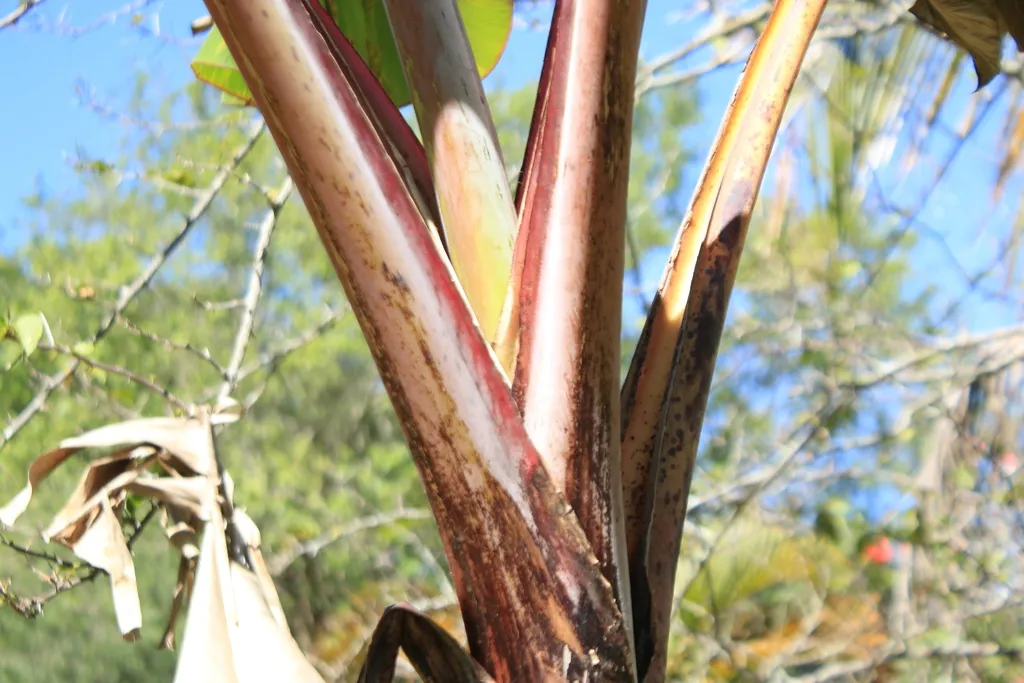
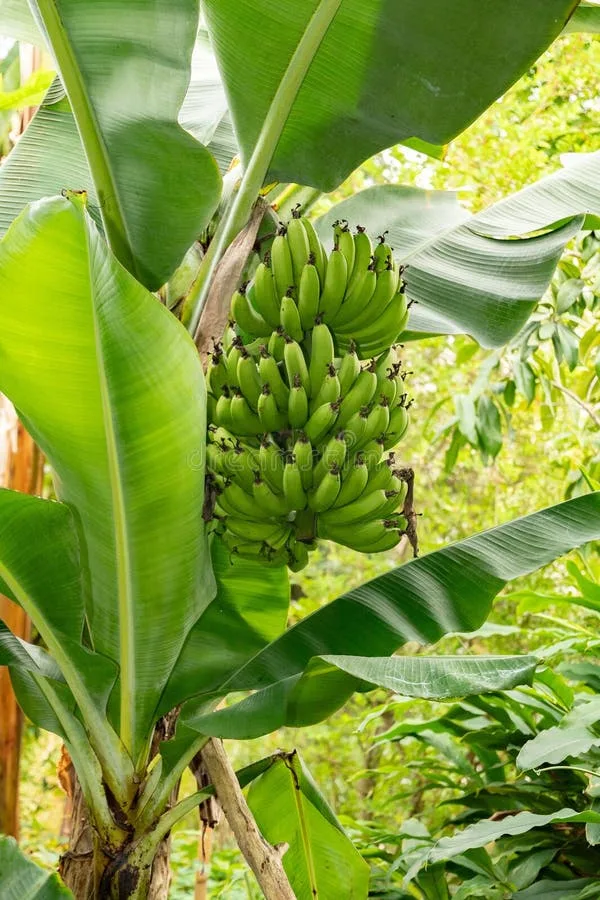
Distribution of Banana
Distribution map
- Native
- Introduced
- Cultivated
Source:WCVP v16 · Royal Botanic Gardens, Kew · CC BY 3.0 · Boundaries:WGSRPD / TDWG
Toxicity
Non-toxic
Banana care guide
- Keep soil consistently moist, but not waterlogged
- Watering
- Full sun
- Sunlight
- 20 – 30 °C
- Ideal temperature

Watering
Keep soil consistently moist, but not waterlogged
Fertilizing
 Fertilizing
Every 2 weeks during the growing season (spring to late summer)
Pruning
 Pruning
Remove spent flower stems after fruiting and cut back old, unproductive pseudostems to ground level in late autumn. Thin out excess suckers to maintain a manageable clump.
Propagation
 Propagation
Propagate by dividing suckers or offsets from the base of established plants in spring. Choose young suckers with roots attached and pot them up in a warm, humid environment (20-25°C). Alternatively, sow seed in a heated propagator at 20-25°C, but seed-raised plants may be less true to type.
Growing
 Growing
Plant in a sheltered, warm position with full sun and fertile, moist but well-drained soil. Water regularly, especially during dry periods, to keep the soil consistently moist. Apply a balanced liquid fertilizer every 2 weeks during the growing season to support vigorous growth and fruit production. In cool climates, grow under glass or bring containers indoors before the first frost; protect the pseudostem with mulch or fleece. Remove dead leaves and spent flower stems to maintain plant health.
Common pests and diseases
Diseases
Susceptible to Fusarium wilt (Panama disease) and black leaf streak (Black Sigatoka). Ensure good air circulation and avoid overwatering to reduce risk.
Pests
Common pests include aphids, red spider mites, and banana weevils. Inspect regularly and treat with appropriate organic or chemical controls as needed.
Explore the plant health library →




