
Clarinerved Anthurium
Also known as: Clarinerved Anthurium, Velvet Cardboard Anthurium
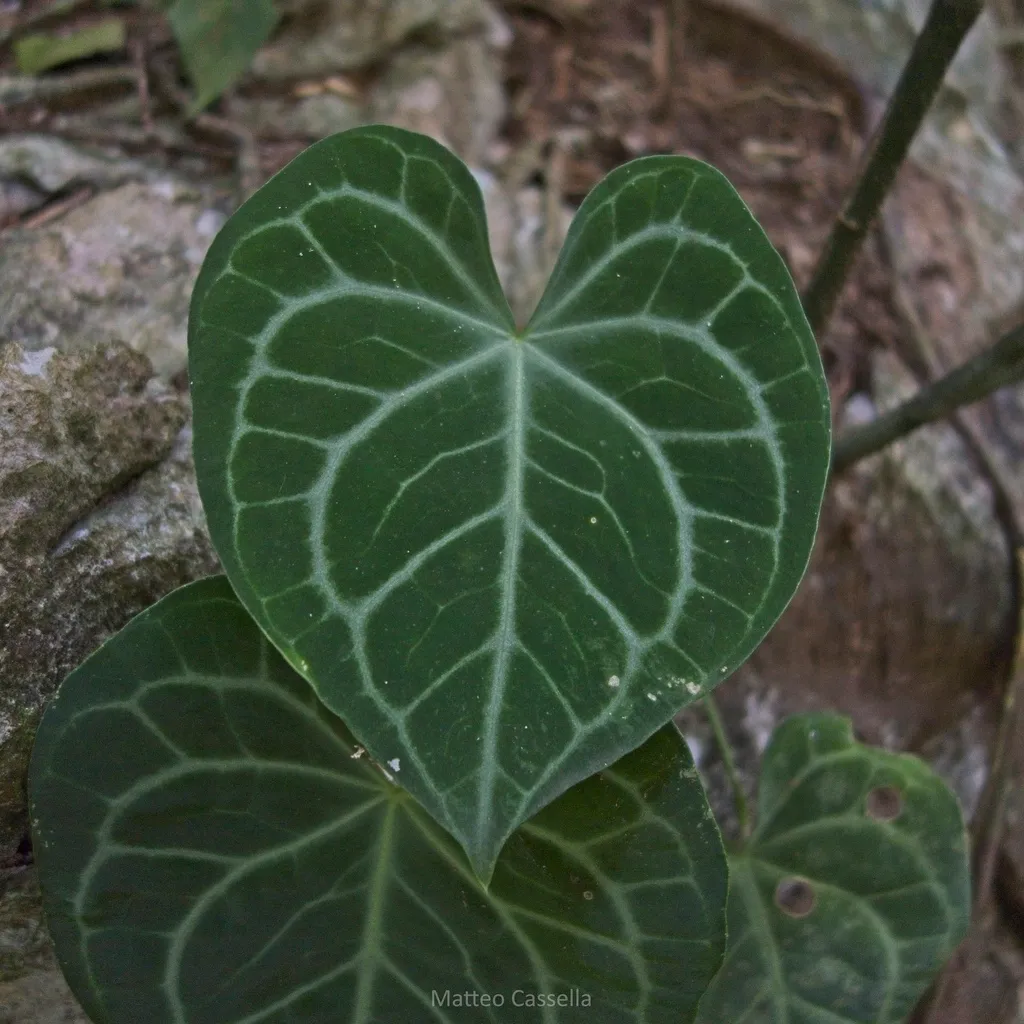
Anthurium clarinervium is a striking foliage plant with large, heart-shaped leaves that have a velvety texture and prominent silvery-white veins. It grows as an epiphytic clump-forming perennial, typically reaching 30-60 cm in height and spread. The main ornamental value lies in its ornate leaves, though it also produces greenish-white spathes with a pinkish spadix under ideal conditions.
Scientific classification
- Species
- Clarinerved Anthurium (Anthurium clarinervium)
- Genus
- Information to be completed
- Family
- Araceae
- Toxic to humans and pets if ingested, due to calcium oxalate crystals.
- Toxicity
- Houseplants · Foliage · Conservatory Greenhouse
- Plant type
- 0.3 - 0.6 metres
- Height
- 0.3 - 0.6 metres
- Spread
- Evergreen
- Foliage
- Clump forming
- Habit
- Spring · Summer
- Season of interest
- Bright indirect light
- Sunlight
- 18 – 27 °C
- Ideal temperature









Clarinerved Anthurium pictures
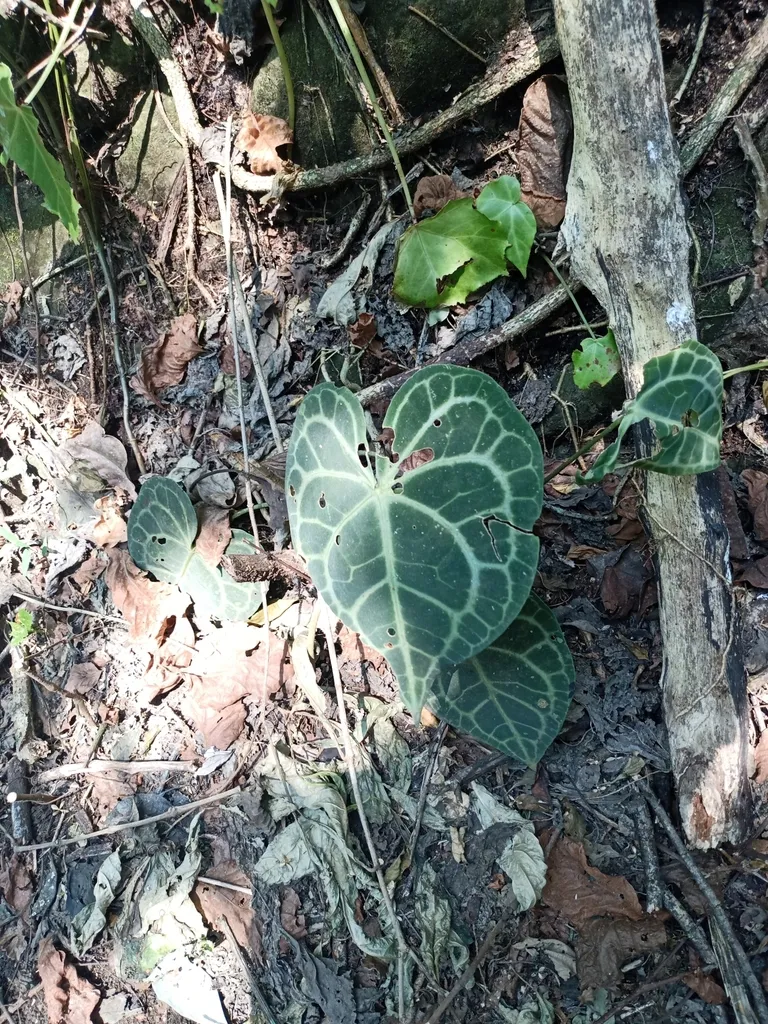
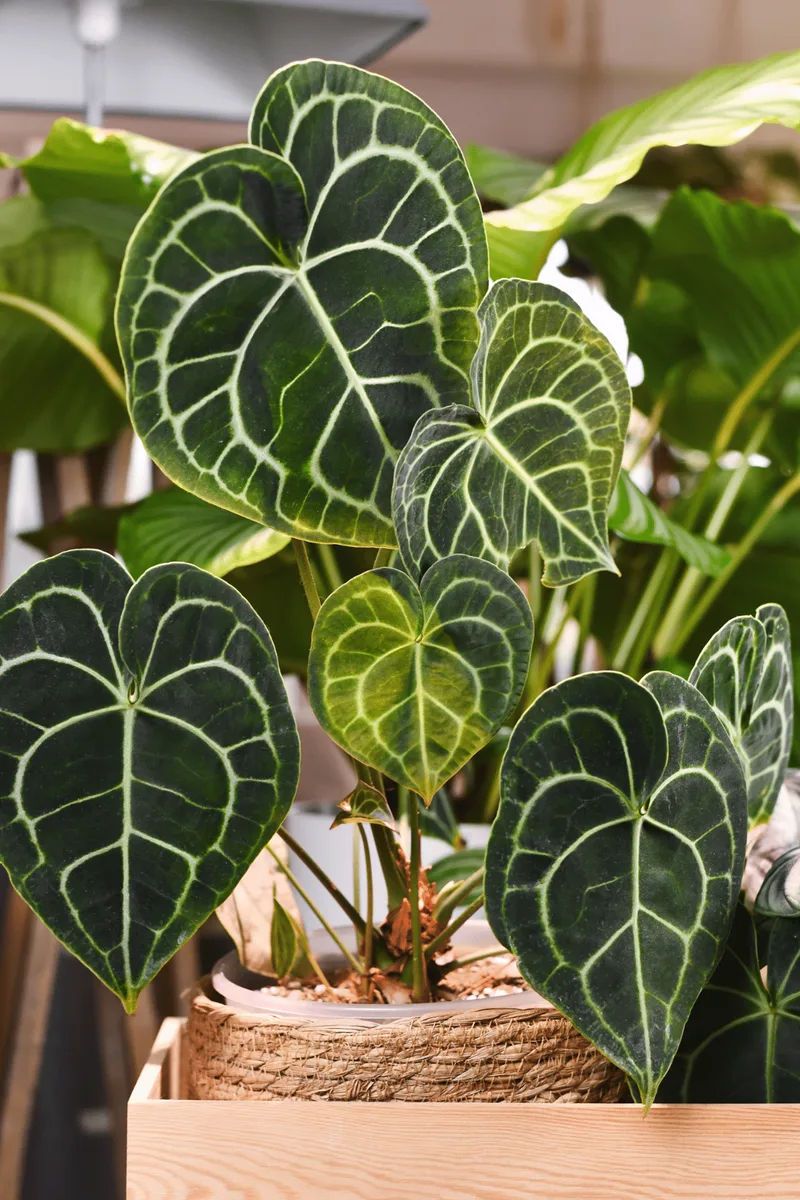
Distribution of Clarinerved Anthurium
Distribution map
- Native
- Introduced
- Cultivated
Source:WCVP v16 · Royal Botanic Gardens, Kew · CC BY 3.0 · Boundaries:WGSRPD / TDWG
Toxicity
Toxic to humans and pets if ingested, due to calcium oxalate crystals.
Clarinerved Anthurium care guide
- Water when the top inch of soil feels dry, keep slightly moist but not waterlogged.
- Watering
- Bright indirect light
- Sunlight
- 18 – 27 °C
- Ideal temperature

Watering
Water when the top inch of soil feels dry, keep slightly moist but not waterlogged.
Fertilizing
 Fertilizing
Every 2-4 weeks during growing season (spring to summer) with balanced liquid fertilizer.
Pruning
 Pruning
Remove yellow or damaged leaves at the base; cut spent flower stems to the base.
Propagation
 Propagation
Propagate by division or stem cuttings with roots. Divide mature plants in spring, ensuring each division has at least 2-3 leaves and roots. Place in a warm, humid environment (20-25°C) with high humidity until established.
Growing
 Growing
Grow in bright, indirect light; avoid direct sunlight which scorches leaves. Use an airy, well-draining mix such as peat, perlite and pine bark. Keep the soil consistently moist but never waterlogged; reduce watering in winter. Maintain high humidity (60% or more) by misting or using a humidity tray. Apply a balanced liquid fertilizer every 2-4 weeks during the growing season (spring to summer). Minimum temperature 15°C; protect from cold drafts.
Common pests and diseases
Diseases
Susceptible to root rot if overwatered; may suffer from leaf spot and bacterial blight in poor air circulation.
Pests
Common pests include spider mites, mealybugs, and scale insects.
Explore the plant health library →




