
Dracaena cinnabari
Also known as: Information to be completed
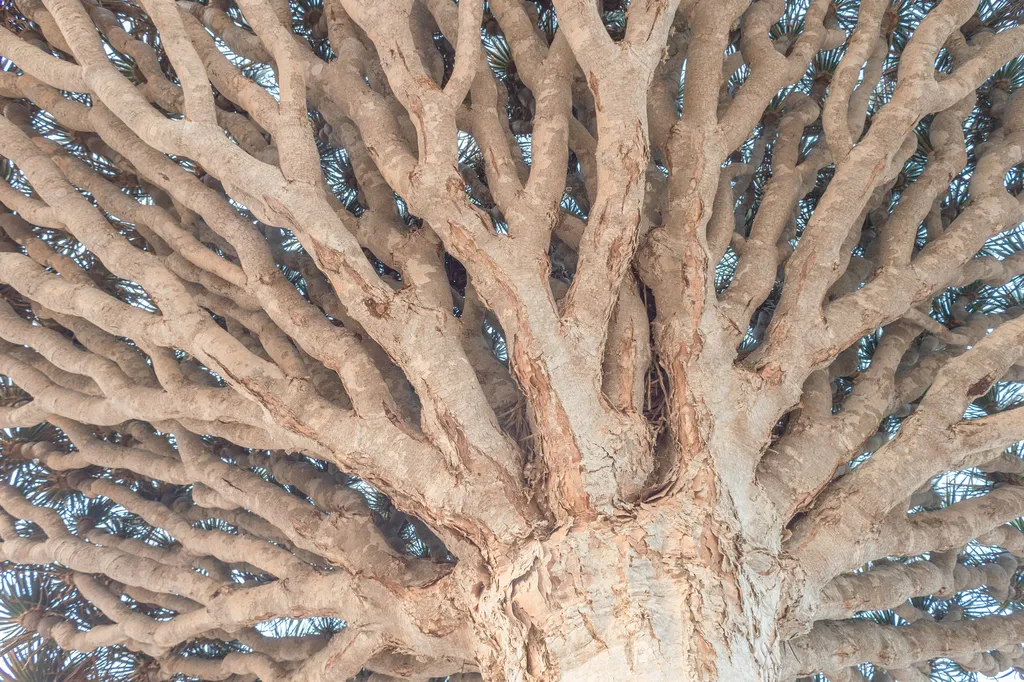
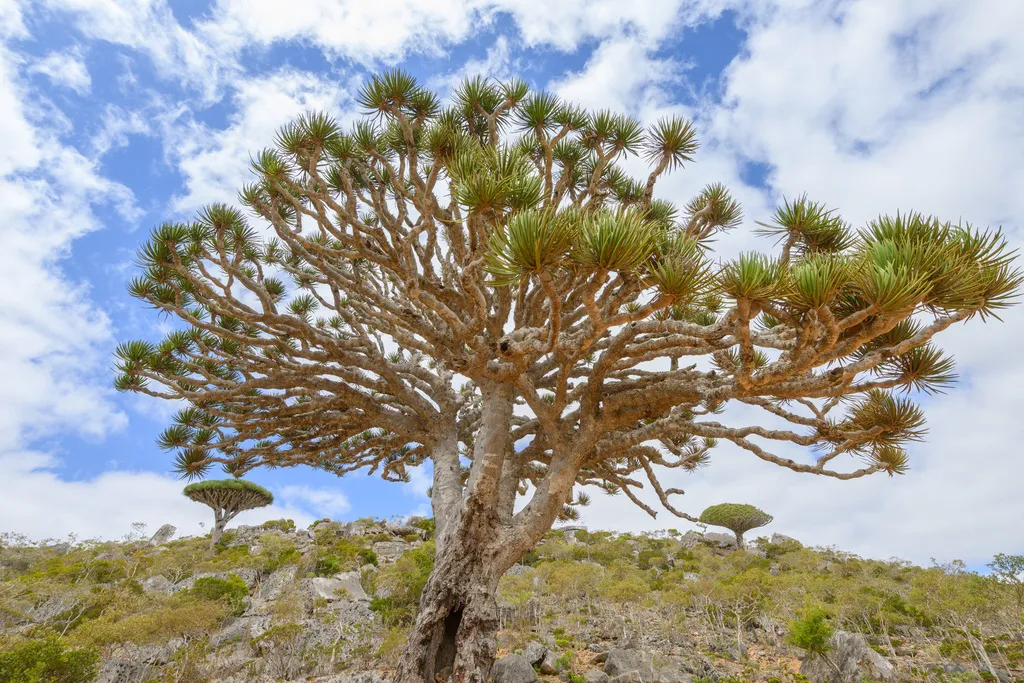
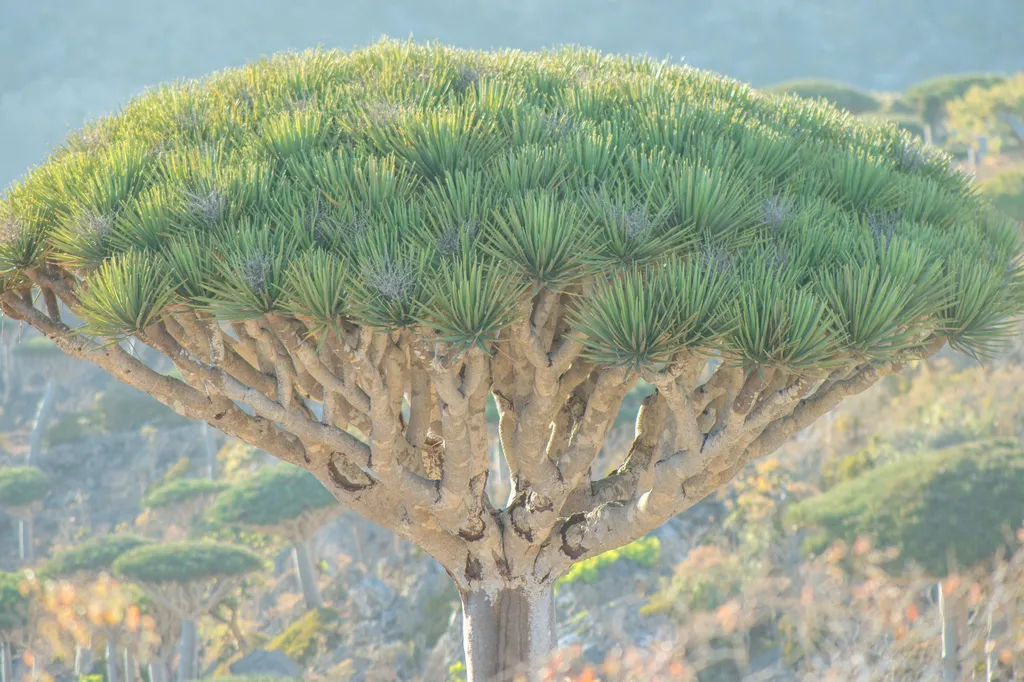
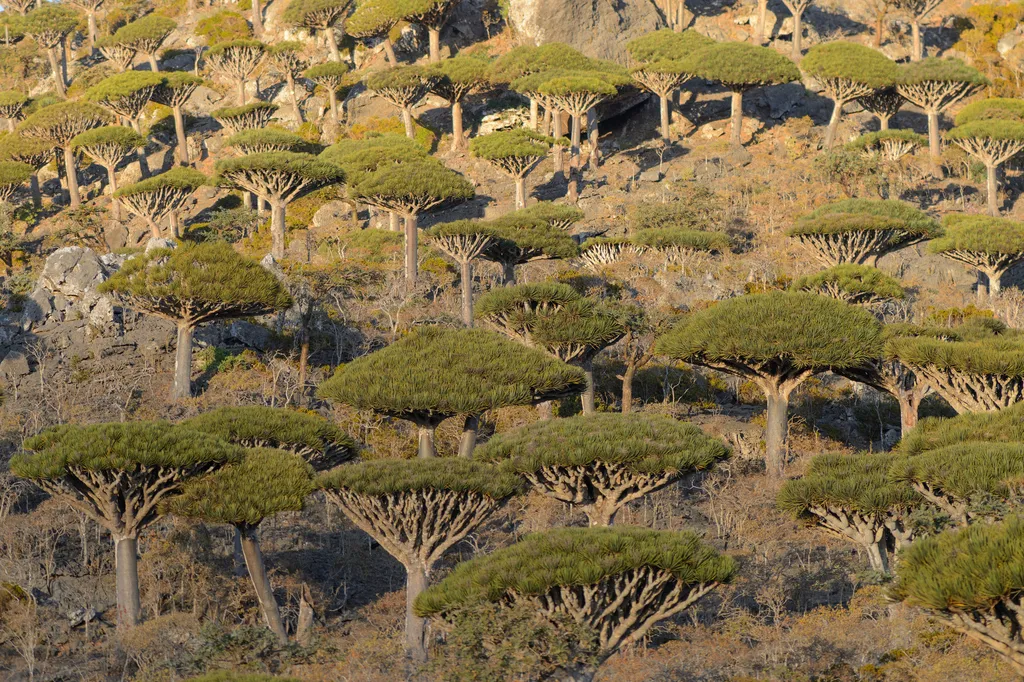
A slow-growing, tropical evergreen tree, reaching up to 10m in its native range but usually smaller in cultivation. Mature plants have a thick trunk and branching stems tipped with clusters of narrow, strap-shaped leaves, which form a dense, umbrella-shaped canopy. Clusters of small, greenish-white flowers are produced in early spring, followed by round green berries that ripen to orange
Scientific classification
- Species
- Dracaena cinnabari (Dracaena cinnabari)
- Genus
- Dracaena
- Family
- Asparagaceae
- Information to be completed
- Toxicity
- Trees
- Plant type
- 4-8 metres
- Height
- 4-8 metres
- Spread
- Evergreen
- Foliage
- Columnar upright
- Habit
- Spring · Summer · Autumn · Winter
- Season of interest
- Full sun
- Sunlight
- Information to be completed
- Ideal temperature









Dracaena cinnabari pictures
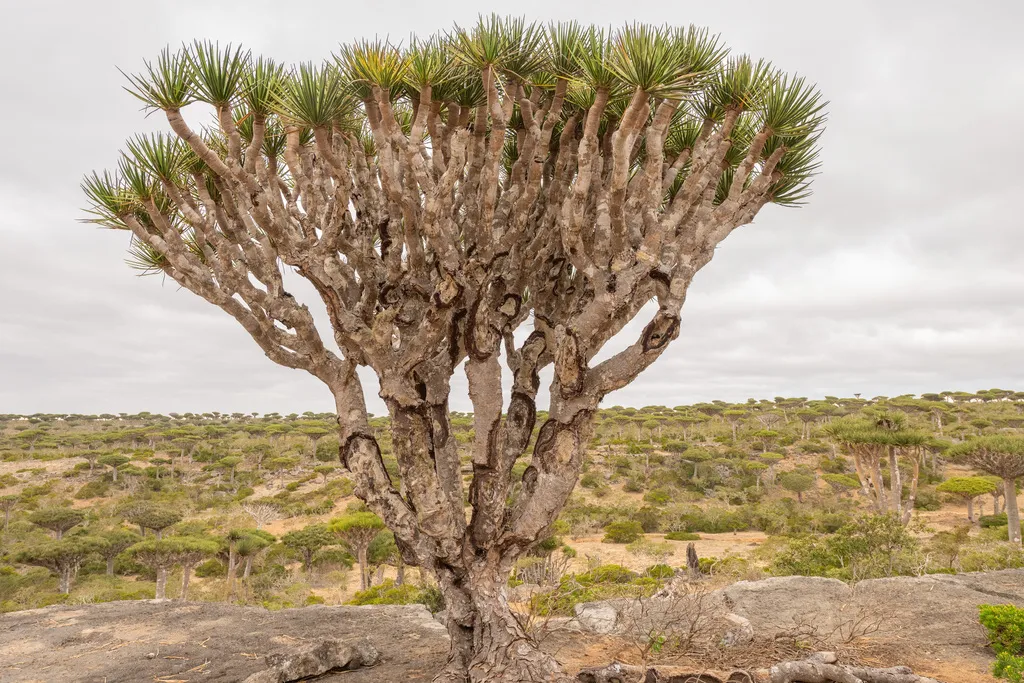
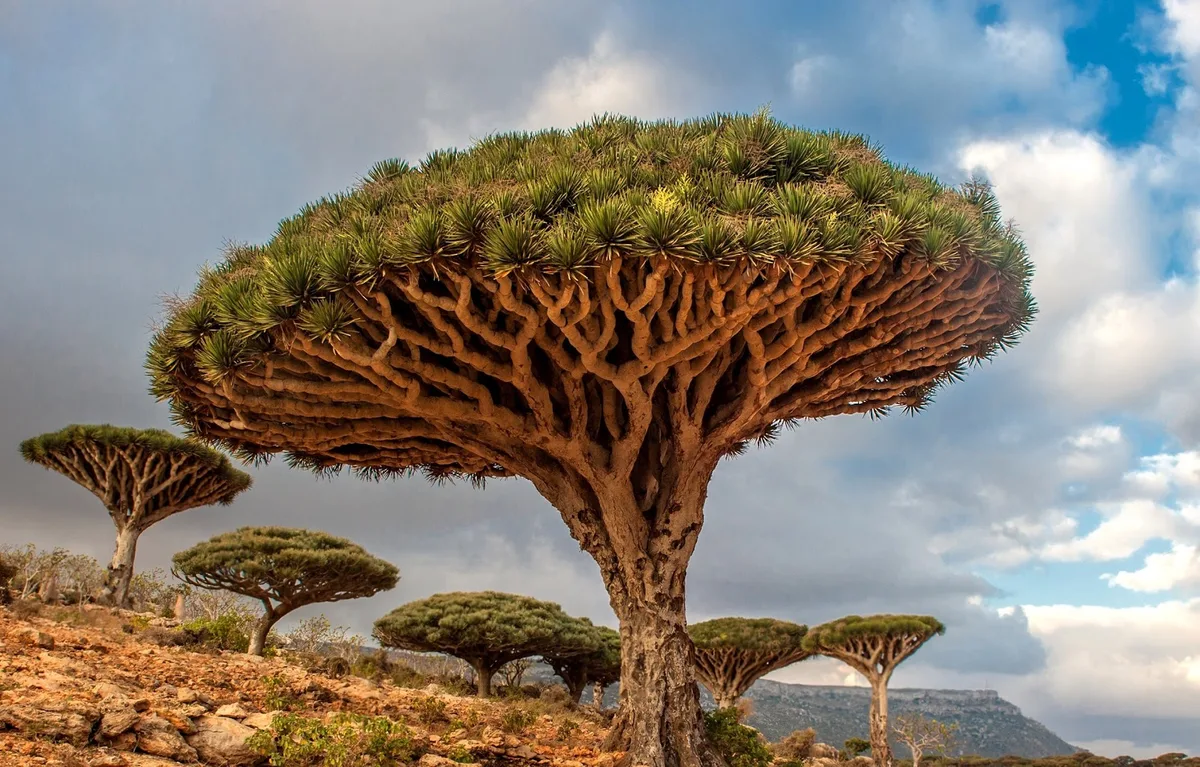
Distribution of Dracaena cinnabari
Distribution map
Information to be completed
Information to be completed
Culture
Information to be completed
Toxicity
Information to be completed
Quick identification of Dracaena cinnabari
Information to be completed
Dracaena cinnabari care guide
- Moderate regular watering, allowing brief slight drying between soakings
- Watering
- Full sun
- Sunlight
- Information to be completed
- Ideal temperature

Watering
Moderate regular watering, allowing brief slight drying between soakings
Fertilizing
 Fertilizing
Balanced perennial feed every four weeks from spring through summer
Pruning
 Pruning
No pruning required
Propagation
 Propagation
Propagate by seed, sown at 18-20°C in spring, or by semi-ripe cuttings in late spring to early summer. Allow cuttings to callus before inserting into growing media, bottom heat may be required for rooting
Growing
 Growing
Grow in a free-draining, gritty potting mix, in full sun. Though sometimes used in landscaping in warmer regions, it will not tolerate frost and in the UK is best grown in a greenhouse or in containers that can be moved indoors over winter. Water moderately in the growing season, preferably with rainwater, and apply a balanced liquid feed monthly. Keep almost dry in winter
People also ask
Information to be completed
Common pests and diseases
Diseases
Generally disease-free
Pests
May be susceptible to scale insects, glasshouse red spider mite, thrips and mealybugs
Explore the plant health library →




