
crystal anthurium
Also known as: Information to be completed
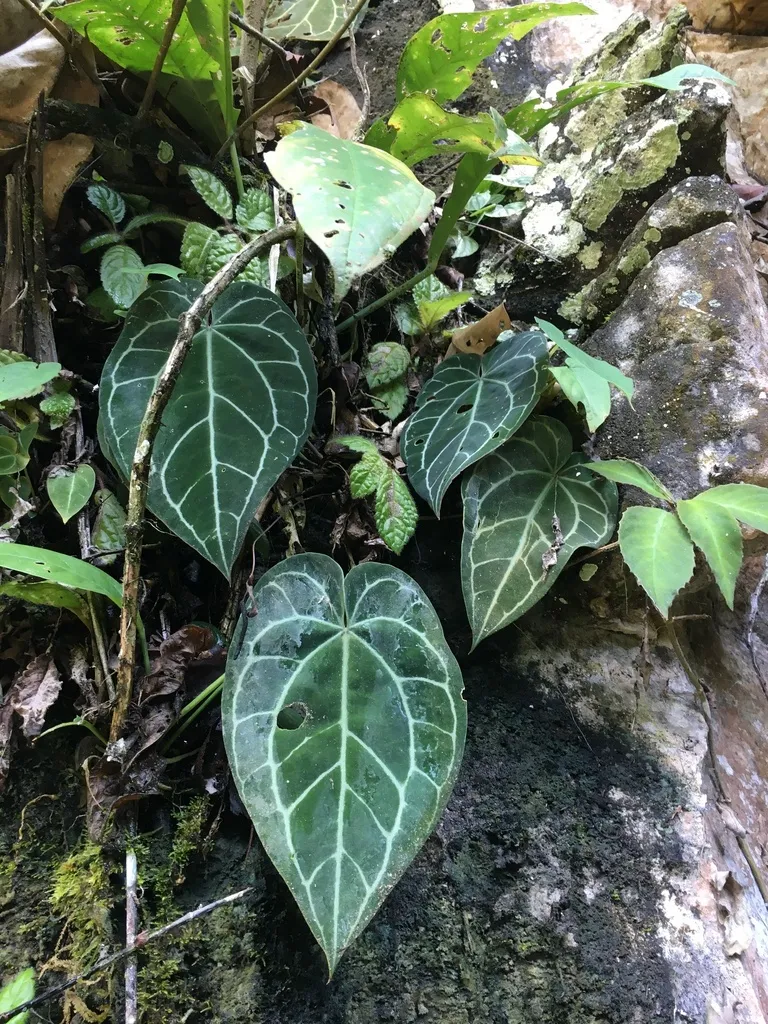
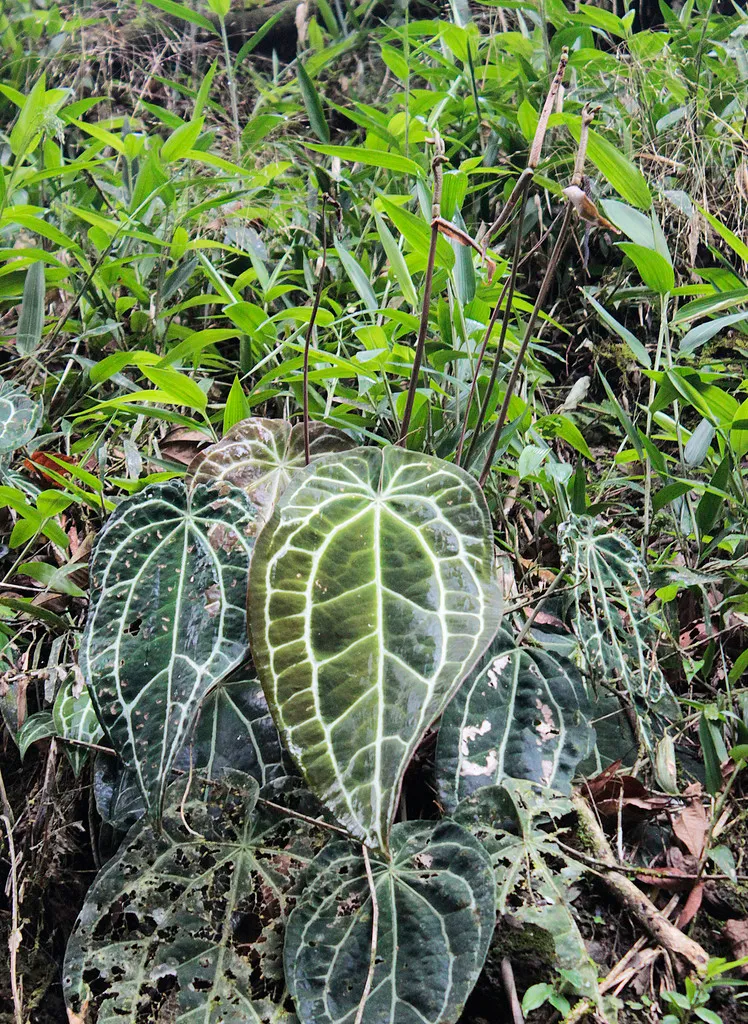
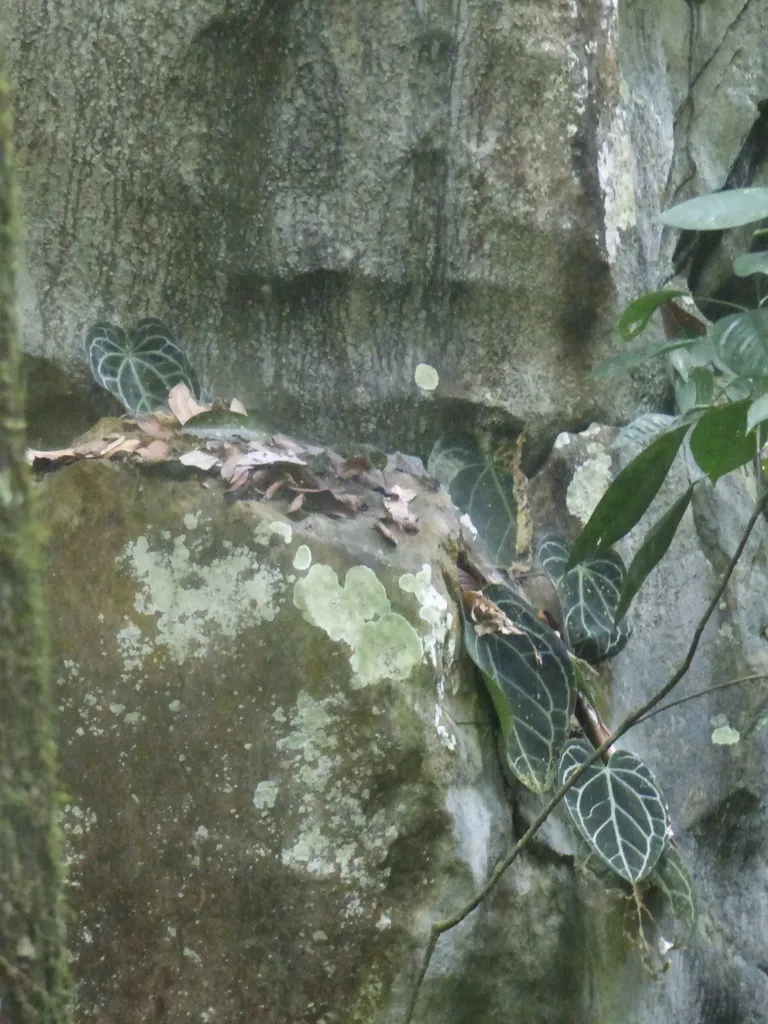
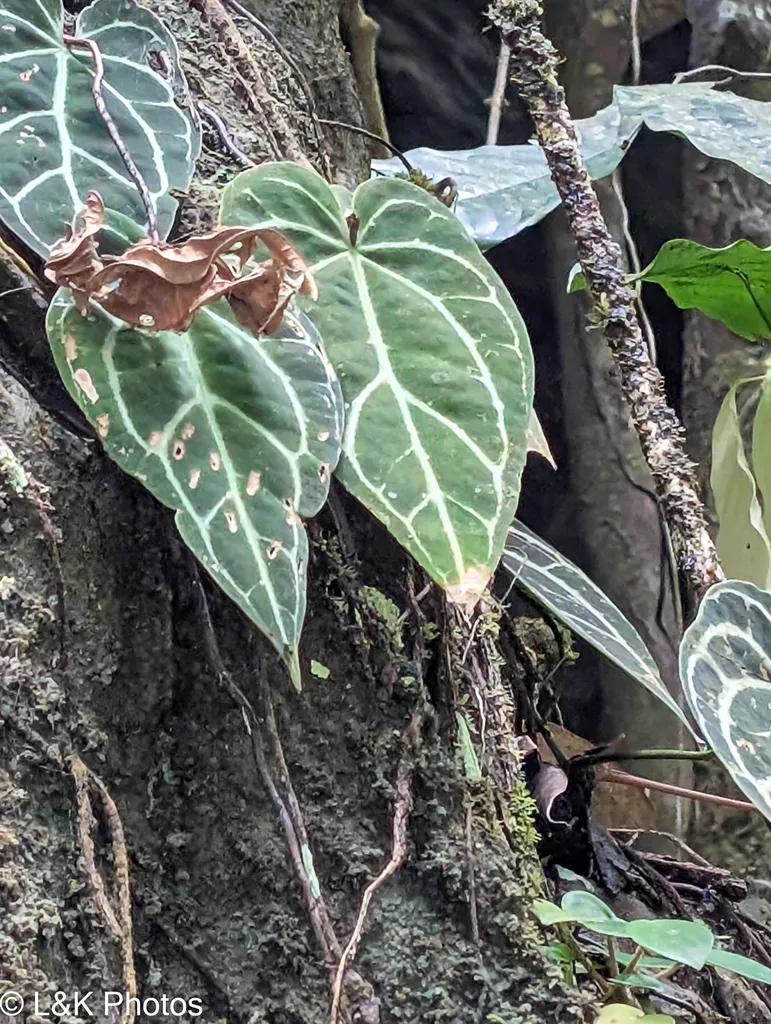
An epiphytic perennial with broadly elliptic or ovate, dark velvety-green leaves to 45cm in length, with white main veins. Flowering spathes to 8cm in length, narrow, green, with yellow spadix, borne intermittently all year round
Scientific classification
- Species
- crystal anthurium (Anthurium crystallinum)
- Genus
- Anthurium
- Family
- Araceae
- Harmful if eaten, skin/eye irritant. Wear gloves and other protective equipment when handling]
- Toxicity
- Houseplants · Conservatory Greenhouse
- Plant type
- 0.1-0.5 metres
- Height
- 0.1-0.5 metres
- Spread
- Evergreen
- Foliage
- Bushy
- Habit
- Spring · Summer · Autumn · Winter
- Season of interest
- Full sun · Partial shade
- Sunlight
- 18 – 27 °C
- Ideal temperature









crystal anthurium pictures
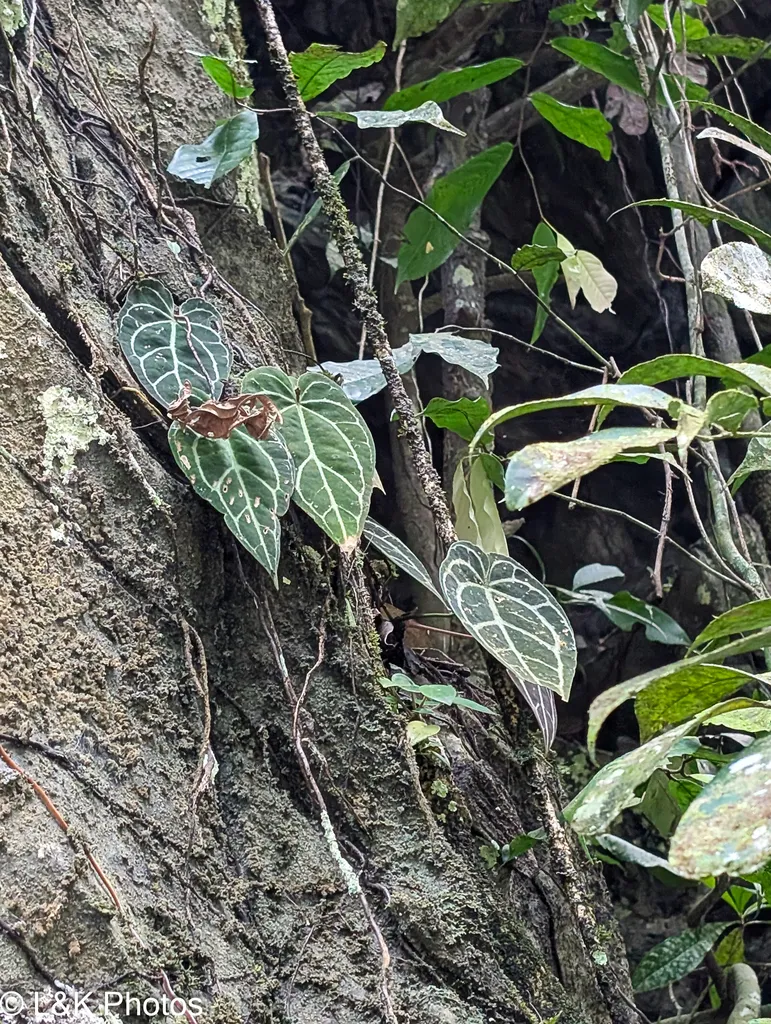
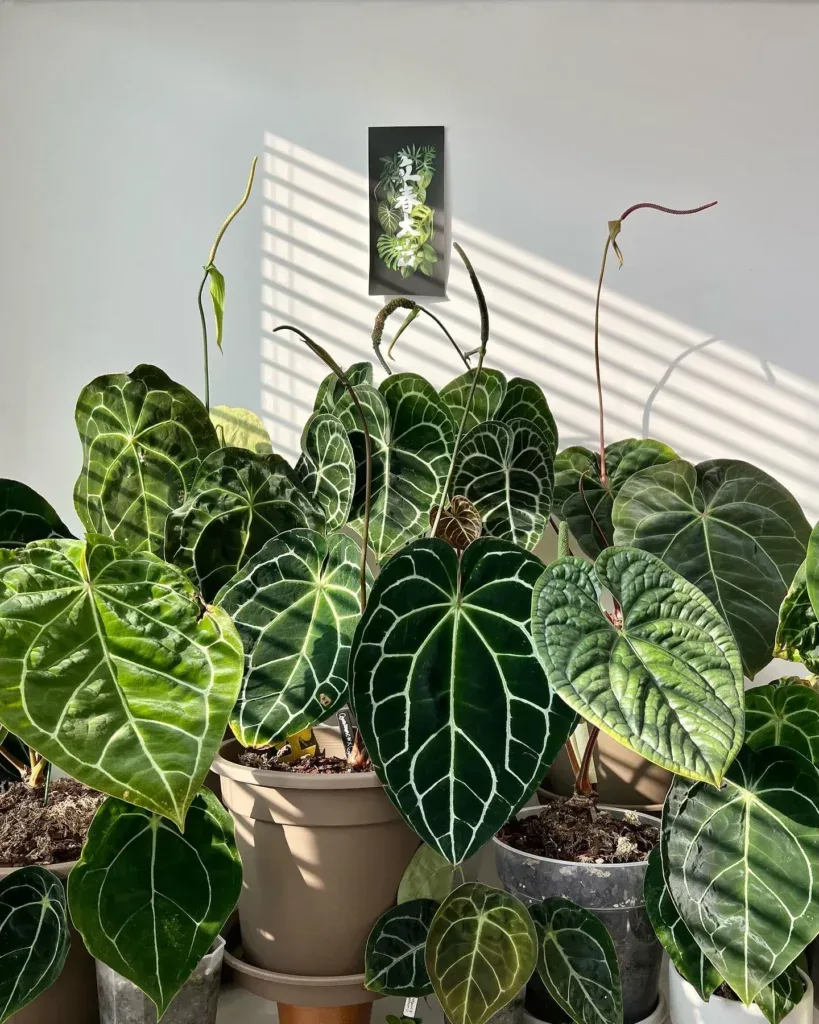
Distribution of crystal anthurium
Distribution map
Panama to Columbia
Information to be completed
Culture
Information to be completed
Toxicity
Harmful if eaten, skin/eye irritant. Wear gloves and other protective equipment when handling]
Quick identification of crystal anthurium
Information to be completed
crystal anthurium care guide
- Keep soil consistently moist with high humidity; water when the top soil is slightly dry.
- Watering
- Full sun · Partial shade
- Sunlight
- 18 – 27 °C
- Ideal temperature

Watering
Keep soil consistently moist with high humidity; water when the top soil is slightly dry.
Fertilizing
 Fertilizing
Every 2 weeks during the growing season with a half-strength fertilizer.
Pruning
 Pruning
No pruning required
Propagation
 Propagation
Propagate by seed at 24 to 27°C as soon as ripe or propagate by division in winter
Growing
 Growing
Plant with the crowns just above the surface and cover with moss to prevent the uppermost roots from drying out. Grow under glass or indoors epiphytically in a mix of 1 part fibrous loam, 1 part coarse sand and 2-3 parts leaf mould with a little charcoal. Filtered light, constant temperature (min 16°C) and high humidity required in summer and full light in winter. In the growing season water freely and apply a balanced liquid fertiliser. Can be grown outdoors epiphytically in a warm, moist site or in moist, coarse, humus-rich soil
People also ask
Information to be completed
Common pests and diseases
Diseases
May be susceptible to leaf spot
Pests
May be susceptible to mealybugs and scale insects
Explore the plant health library →




