



Planting and Growing crystal anthurium

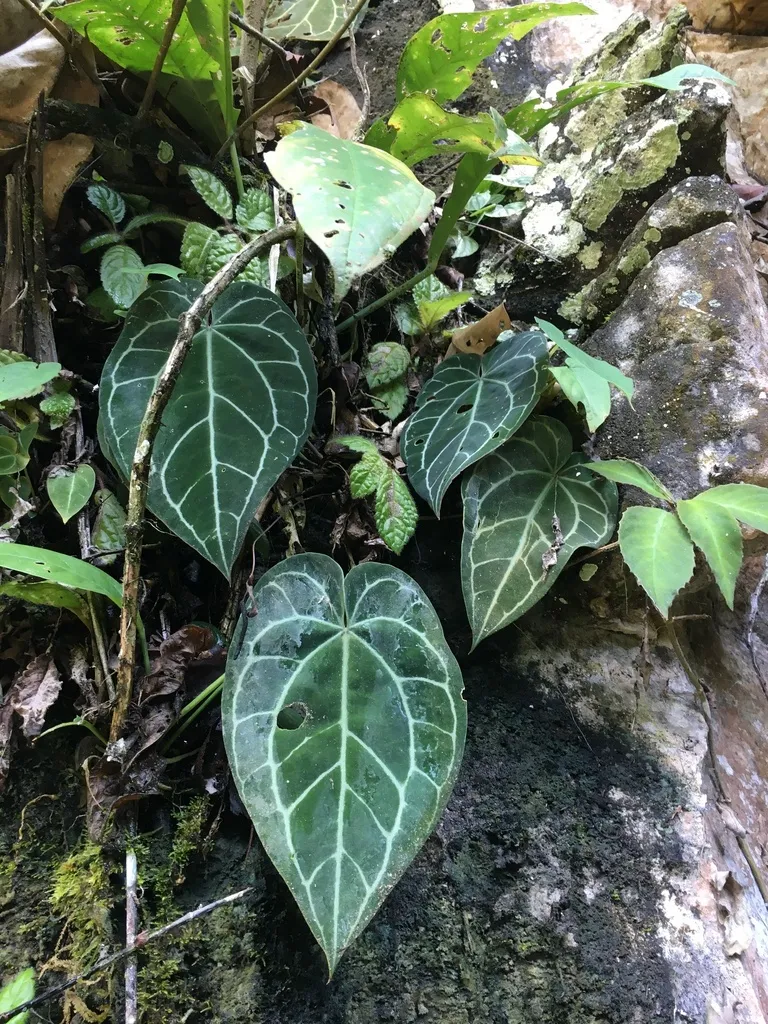
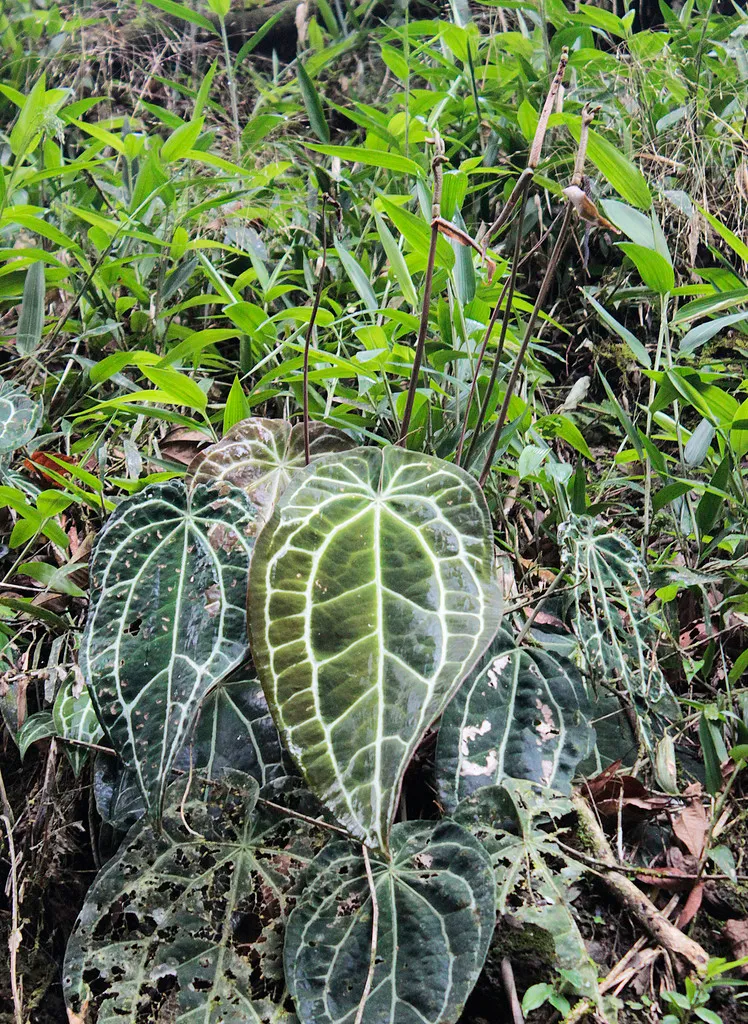
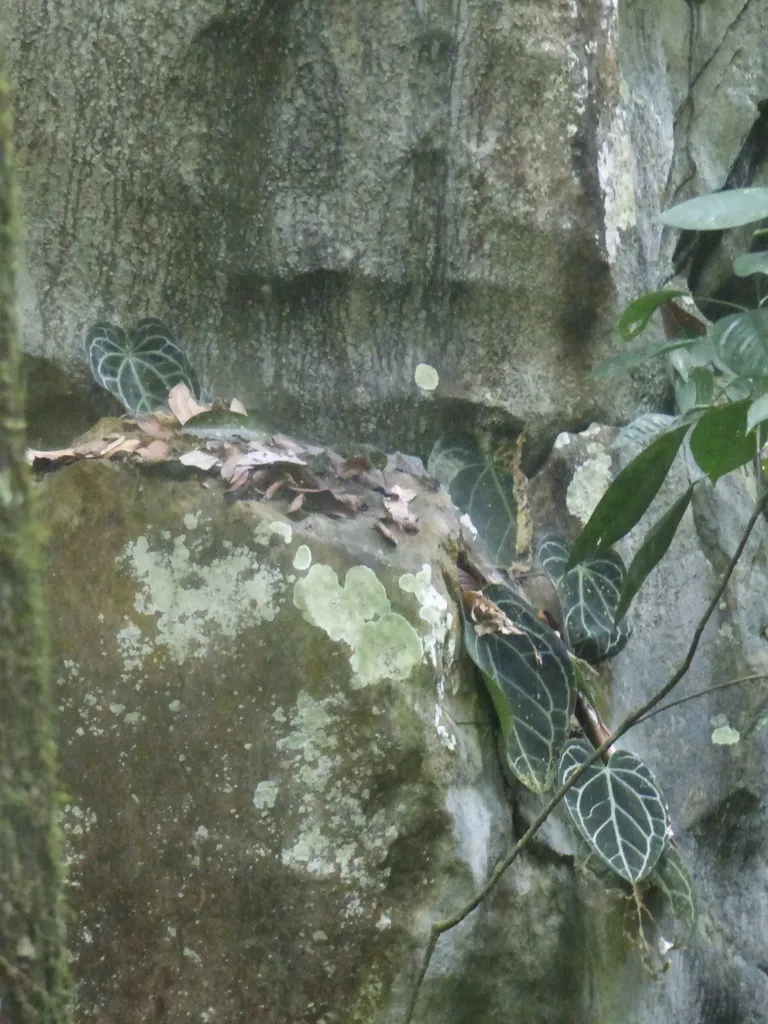
| Care difficulty | 4 / 5 |
|---|---|
| Watering schedule | Keep soil consistently moist with high humidity; water when the top soil is slightly dry. |
| Sunlight requirements | Full sun · Partial shade |
| Ideal temperature | 18 – 27 °C |
| Soil type | Loam · Sand |
| Soil pH | Acid · Alkaline · Neutral |
| Soil moisture | Moist but well drained |
| Fertilizing | Every 2 weeks during the growing season with a half-strength fertilizer. |
| Toxicity | Harmful if eaten, skin/eye irritant. Wear gloves and other protective equipment when handling] |
How to Water crystal anthurium?
Native to the humid, tropical rainforests, flamingo flower thrives in environments with consistent moisture and high humidity. This species is drought-sensitive, requiring a steady balance of water without becoming waterlogged. Watering every week will maintain its lush appearance and health. Typically grown indoors due to its preference for stable conditions, flamingo flower benefits from being placed in areas where humidity can be controlled, ensuring that its love for moist air is satisfied year-round.
Learn more →What Are the Sunlight Requirements for crystal anthurium?
Flamingo flower thrives in conditions with partial sun, indicating that a dappled light environment is optimal. This moderate light intensity promotes lush growth and maintains the plant's ornamental appeal. While flamingo flower can tolerate full sun for short periods, it's essential to note that prolonged exposure can lead to leaf scorch and color fading, potentially stunting growth. If placed indoors, sites near east or south-facing windows are ideal as they offer bright, indirect light. For outdoor cultivation, positioning flamingo flower in a spot with morning sunlight and afternoon shade helps ensure resilience and a vibrant appearance.
Learn more →What Is the Ideal Temperature Range for crystal anthurium?

Flamingo flower originates from tropical rainforests, in very humid conditions with continuous mist and rain. They are therefore adapted to a warm, humid environment. They grow at temperatures in the range of 16 to 30 ℃, preferably at about 20 ℃. The relative humidity of the air should be more than 80%. Low temperatures or dry environments should be avoided.
Learn more →What Soil Is Best for crystal anthurium?
Flamingo flower thrive with well-draining soil to prevent root rot. Use a mix of equal parts peat, pine bark, and perlite for optimal aeration and drainage. If perlite isn't available, substitute with coarse sand or pumice. Ensure the mix allows for moisture retention without becoming soggy. Incorporate slow-release fertilizer biannually for sustained nutrient supply. Monitor watering to maintain soil moisture balance.
- Soil type
- Loam · Sand
- Soil pH
- Acid · Alkaline · Neutral
What Are the Moisture Requirements for crystal anthurium?
Moist but well drained
Learn more →How to Fertilize crystal anthurium?

Fertilize flamingo flower with high nitrogen fertilizer every 3-4 weeks during the growing season to support lush foliage and robust health. Halve the concentration recommended on the package to prevent root burn. In dormancy, reduce frequency to every 6-8 weeks. Over-fertilization can lead to leggy growth; if signs occur, pause feeding to recover. Ensure the substrate is moist before applying to enhance uptake and avoid chemical stress.
Learn more →How to Prune crystal anthurium?

Known for its striking velvet-textured leaves, flamingo flower should be pruned in early to late spring to promote healthy growth. Remove dead, damaged, or yellowing leaves using sterilized scissors. Trim overgrown stems to maintain shape and encourage bushier foliage. Pruning at the right time supports better air circulation and light penetration, reducing disease risks. Regular pruning also stimulates the plant to produce more vibrant leaves, enhancing its aesthetic appeal.
Learn more →How to Propagate crystal anthurium?

Flamingo flower, known for its attractive velvety leaves and distinctive venation, thrives well when propagated by division, a method where the root ball is split into multiple sections. Each division should have at least one healthy stem and root system. Care must be taken to ensure the sections are kept moist and in indirect light to encourage growth. With proper care, new growth will typically emerge within a few weeks, leading to lush, ornamental foliage.
Learn more →How to Transplant crystal anthurium?
The prime time to transplant flamingo flower is mid-to-late summer, aiding robust growth. Ensure a warm, humid corner with bright, indirect light. If roots overcrowd, gently move flamingo flower to a larger pot, fostering vitality and splendor.
Learn more →How to Care for crystal anthurium in Winter?

Information to be completed
Learn more →How to Plant crystal anthurium?
Flamingo flower should generally be repotted in the spring, because the differentiation of flower buds can be promoted during early spring due to the increased light and rising temperatures. It is recommended they are repotted into a pot that is 20% larger than their previous one. Soil and a little slow-release fertilizer, specialized for flamingo flower, should be added if possible. The plant will then grow better. Phosphorus fertilizers can be added to encourage the production of more flowers.
Learn more →How to Repot crystal anthurium?
Flamingo flower thrives when repotted annually, ideally in spring to synchronize with its growth cycle. This medium-sized, broad-leaved beauty requires a slightly larger pot to support its roots and foliage. Post-repotting, maintain high humidity and indirect light. Use a well-draining pot to prevent root rot, critical given flamingo flower's sensitivity. Following these steps ensures vigorous growth, keeping flamingo flower resplendent.
Learn more →How to Harvest crystal anthurium?

Given a suitable environment, flamingo flower can bloom all year round, every three months. Flowering may decrease during the winter due to the reduction in light. However, as the light levels gradually increase in the spring, flamingo flower will wake up from its dormancy and the dark green leaves will appear, followed by another flowering period. The ornamental period of the flowers is relatively long. Each flower/spathe can be appreciated for one or two months before being cut. They then have a vase life of between 20 and 40 days. When picking the flowers, use sharp garden secateurs and cut the entire stalk. Prune the bottom of the stem at a 45° angle to increase the area for water absorption. Then, to avoid water loss, promptly put it in a vase with clean water.
Learn more →Common Pests & Diseases

Diseases
May be susceptible to leaf spot
Pests
May be susceptible to mealybugs and scale insects
Explore the plant health library →The Toxicity of crystal anthurium
Harmful if eaten, skin/eye irritant. Wear gloves and other protective equipment when handling]