
wall bellflower
Also known as: Adria bellflower
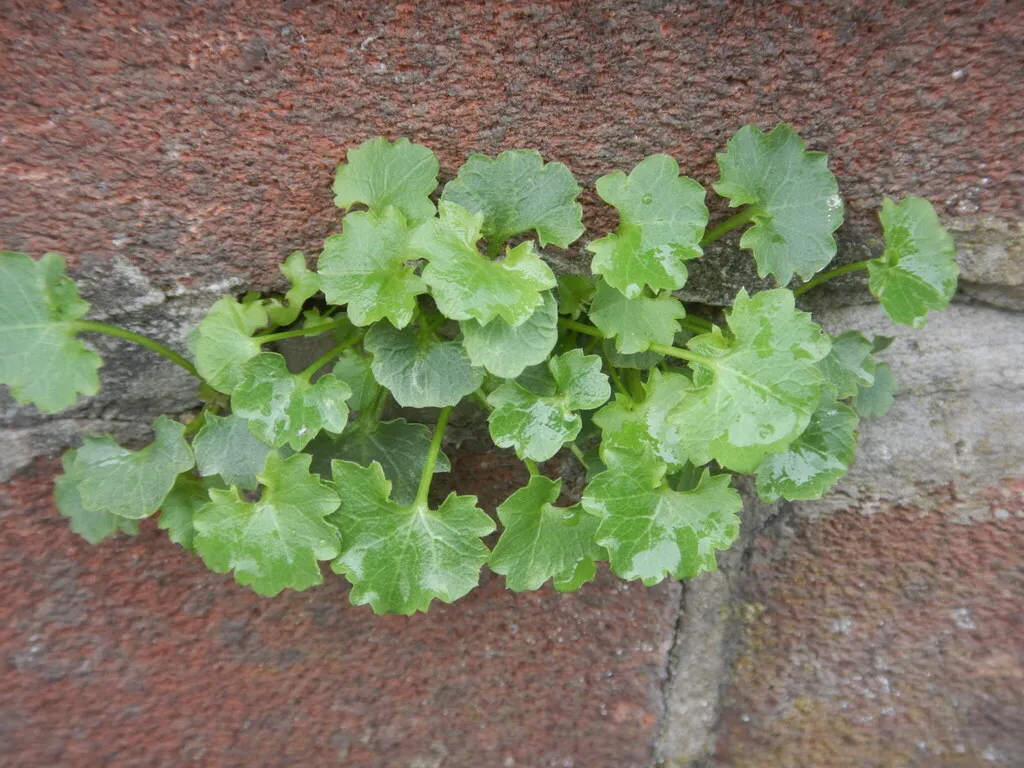
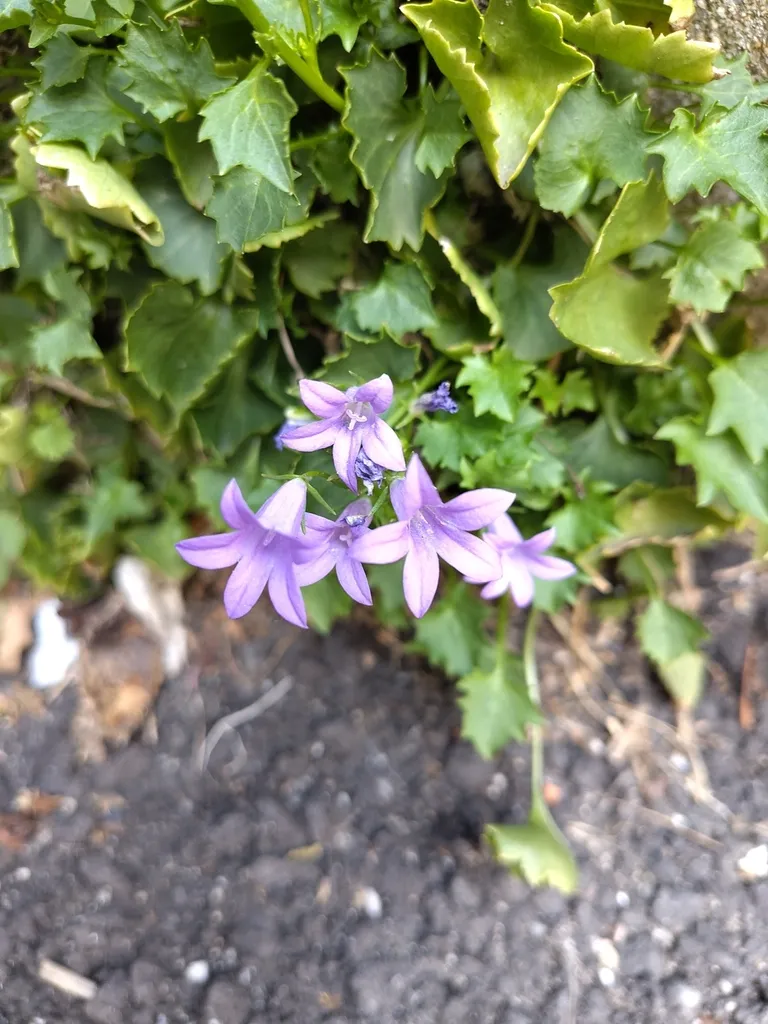
Low-growing perennial quickly forming an evergreen mound to 15cm tall of small, broadly heart-shaped, mid-green leaves. Tubular to funnel-shaped, violet-blue flowers 2cm in length are borne freely on loose branching stems spreading to 50cm or more, in summer
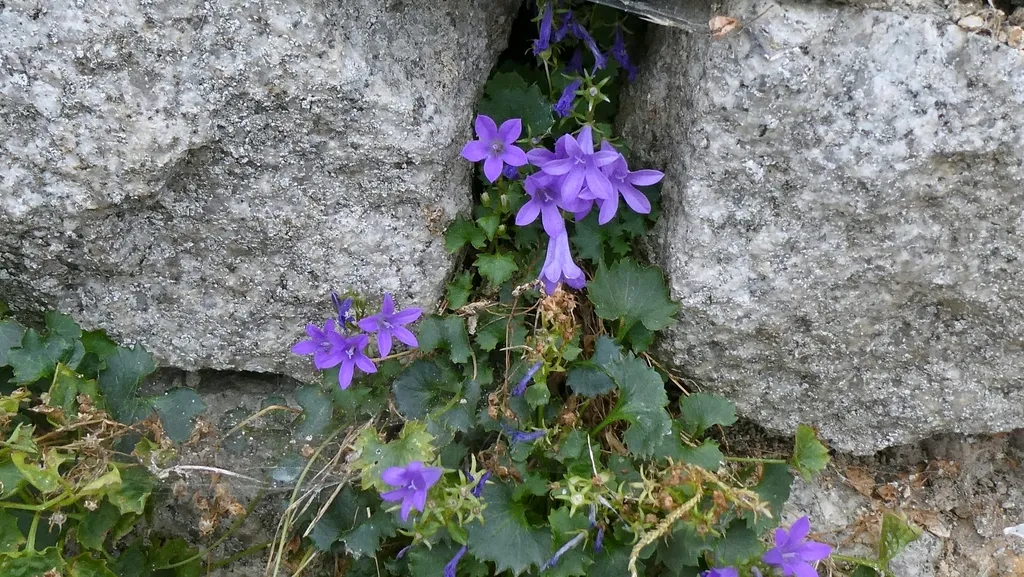
Scientific classification
- Species
- wall bellflower (Campanula portenschlagiana)
- Genus
- Campanula
- Family
- Campanulaceae
- Order
- Asterales
- Class
- Magnoliopsida
- Phylum
- Magnoliophyta
- Information to be completed
- Toxicity
- Alpine Rockery · Herbaceous Perennial
- Plant type
- 0.1-0.5 metres
- Height
- 0.1-0.5 metres
- Spread
- Evergreen
- Foliage
- Matforming · Trailing
- Habit
- Spring · Summer · Autumn · Winter
- Season of interest
- Full sun · Partial shade
- Sunlight
- 15 – 25 °C
- Ideal temperature









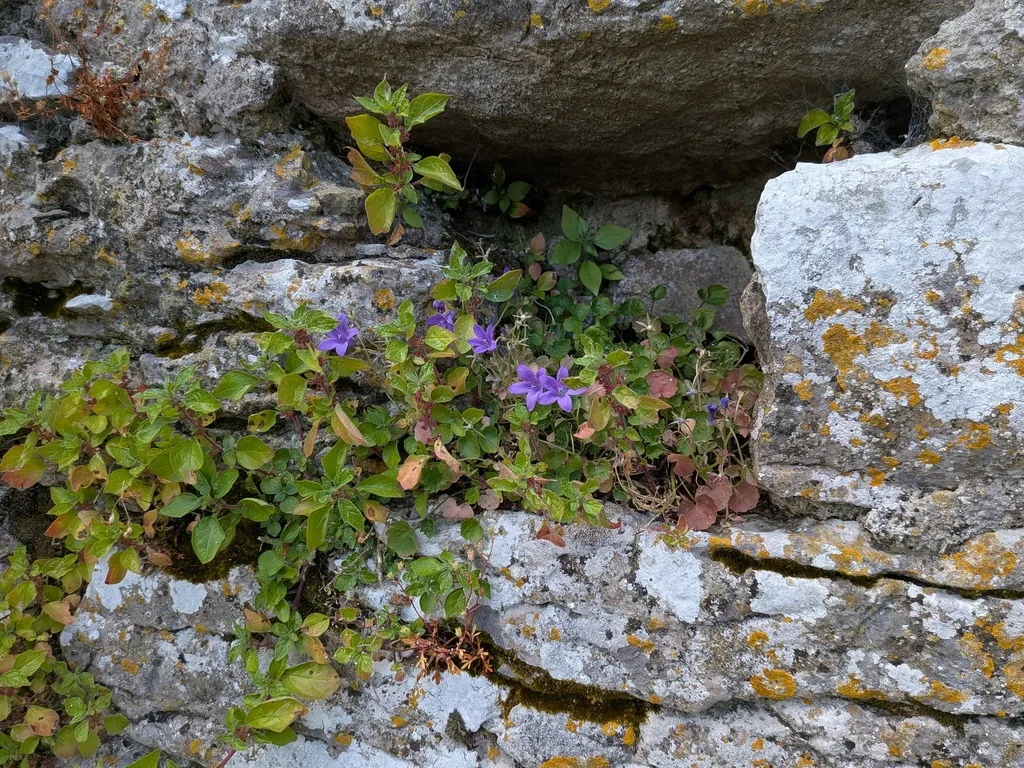
wall bellflower pictures
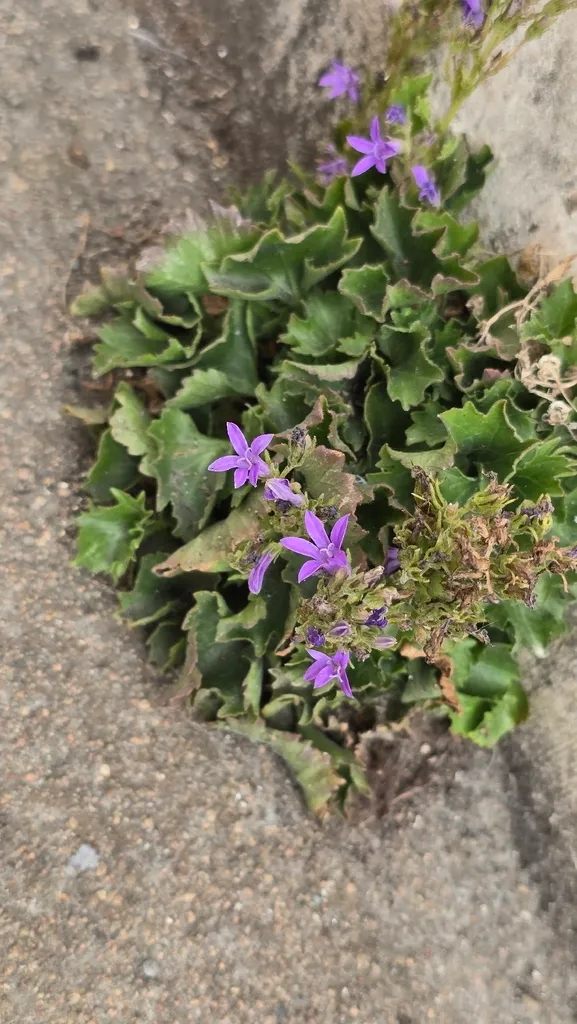
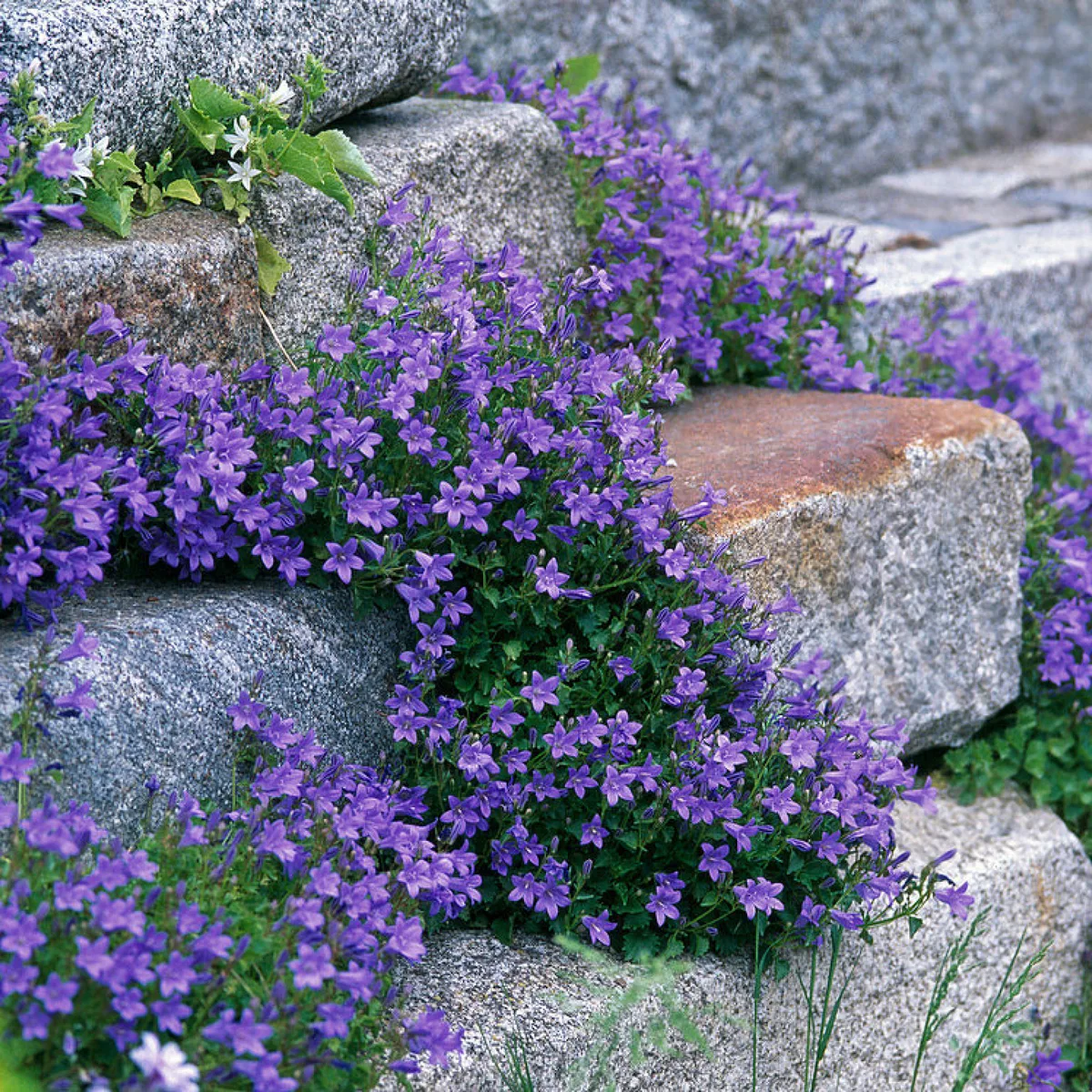
Distribution of wall bellflower
Distribution map
- Native
- Introduced
- Cultivated
Source:WCVP v16 · Royal Botanic Gardens, Kew · CC BY 3.0 · Boundaries:WGSRPD / TDWG
wall bellflower care guide
- Water regularly to keep soil evenly moist
- Watering
- Full sun · Partial shade
- Sunlight
- 15 – 25 °C
- Ideal temperature

Watering
Water regularly to keep soil evenly moist
Fertilizing
 Fertilizing
Monthly with balanced liquid fertilizer during growing season
Pruning
 Pruning
No pruning required, spent flowers and stems may be removed to tidy
Propagation
 Propagation
Propagate by seed, or propagate by basal cuttings in spring
Growing
 Growing
Ideal for borders, banks and rock gardens in moist but well-drained soil and sun or light shade. Will scramble upwards if planted at the base of a wall, and seed in cracks if conditions are favourable. See campanula cultivation
Common pests and diseases
Diseases
May be susceptible to a rust, Powdery mildews and a leaf spot
Pests
May be susceptible to slugs and snails
Explore the plant health library →




