
thickly matted haired navel-wort
Also known as: Information to be completed
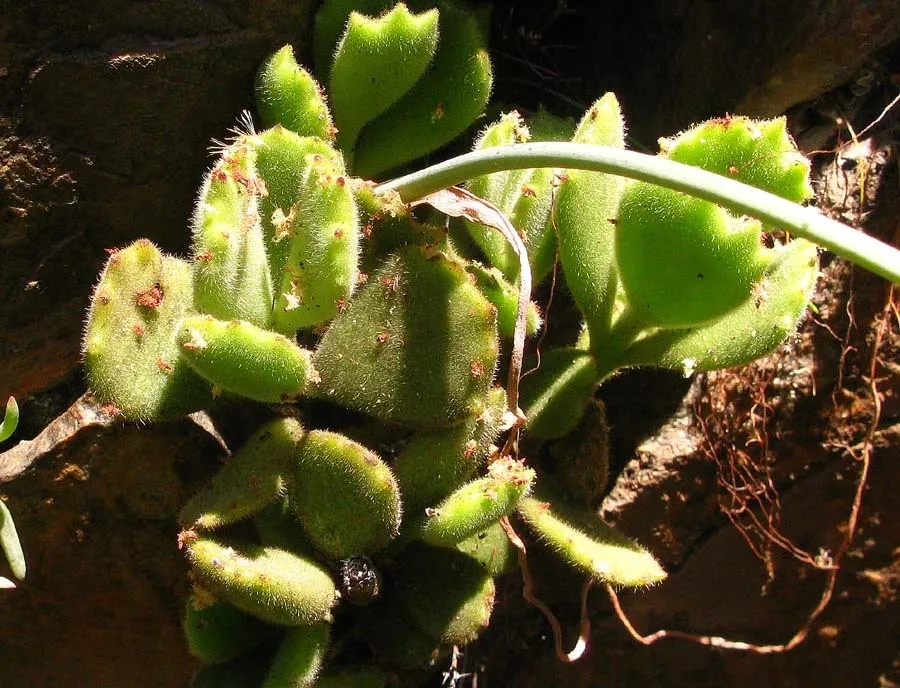
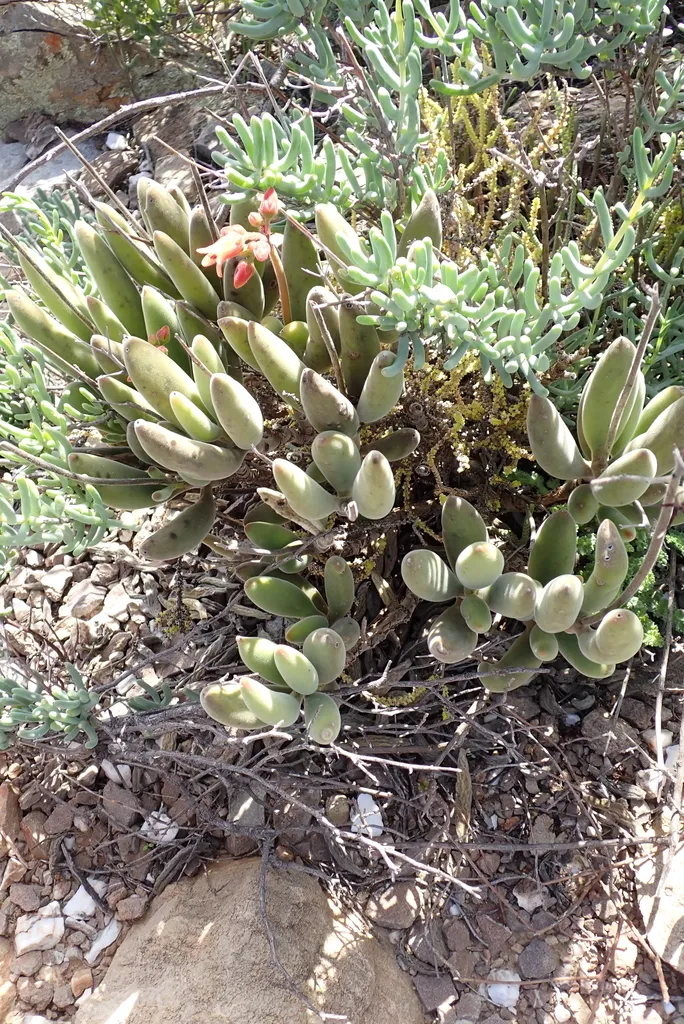
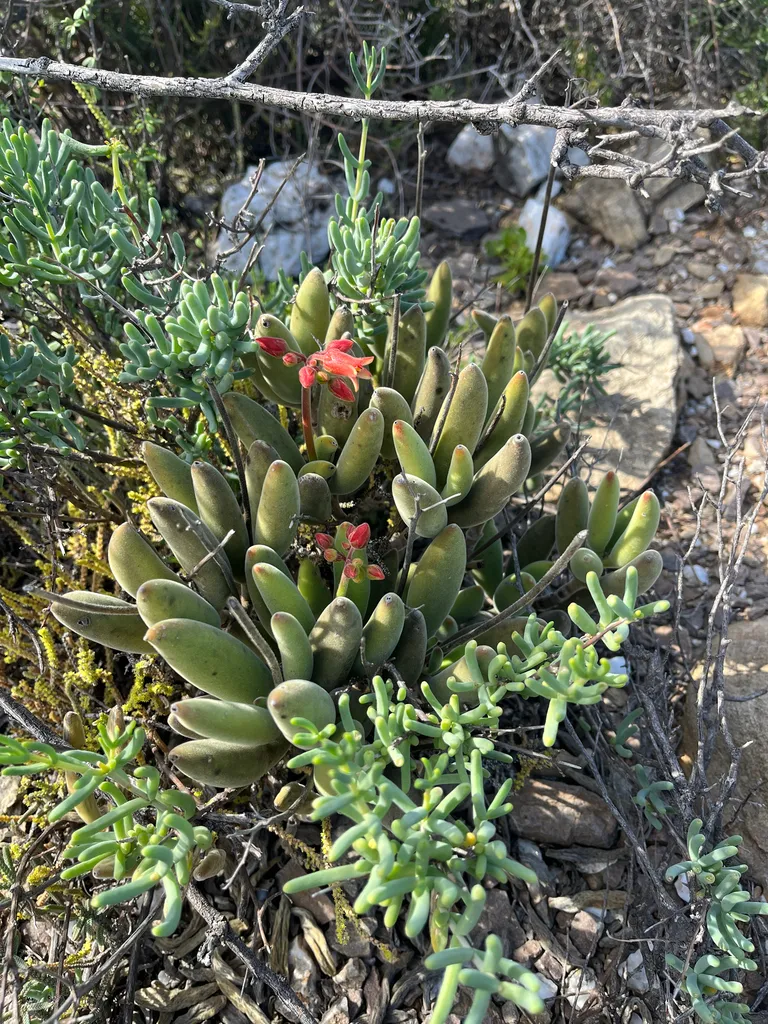
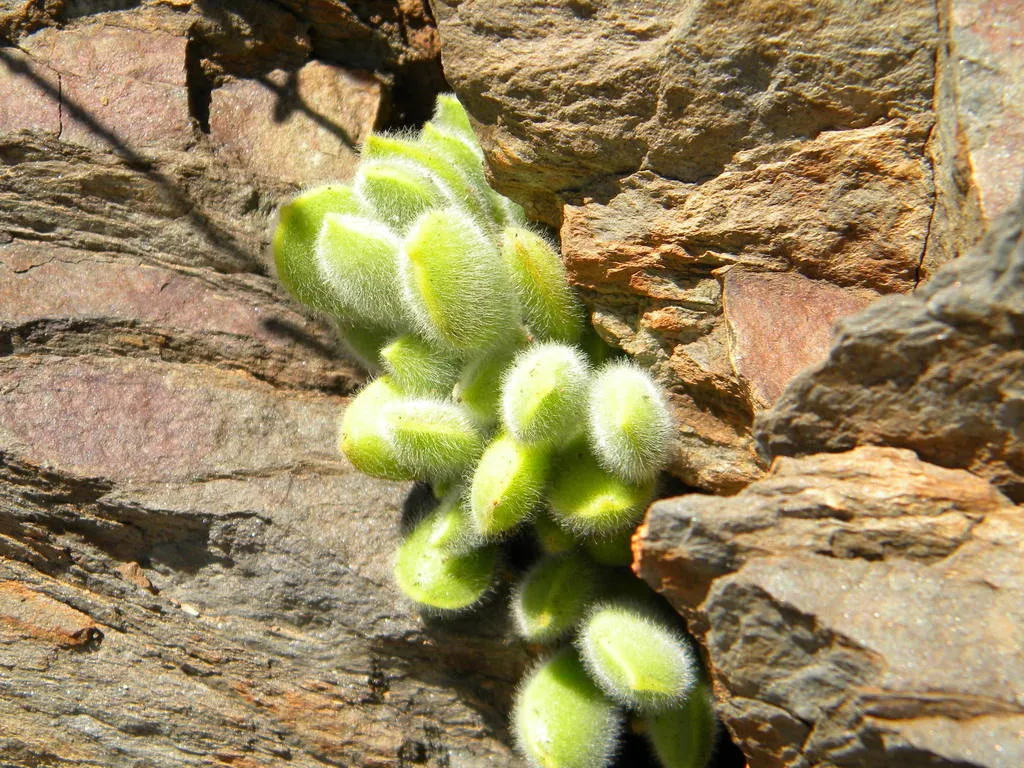
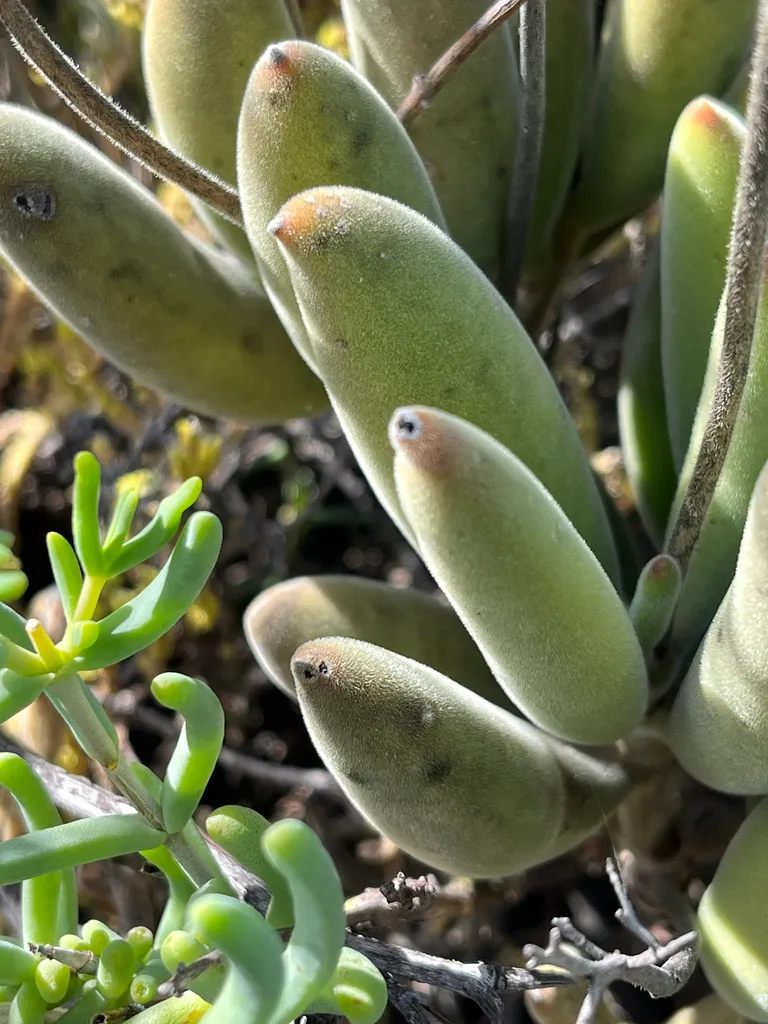
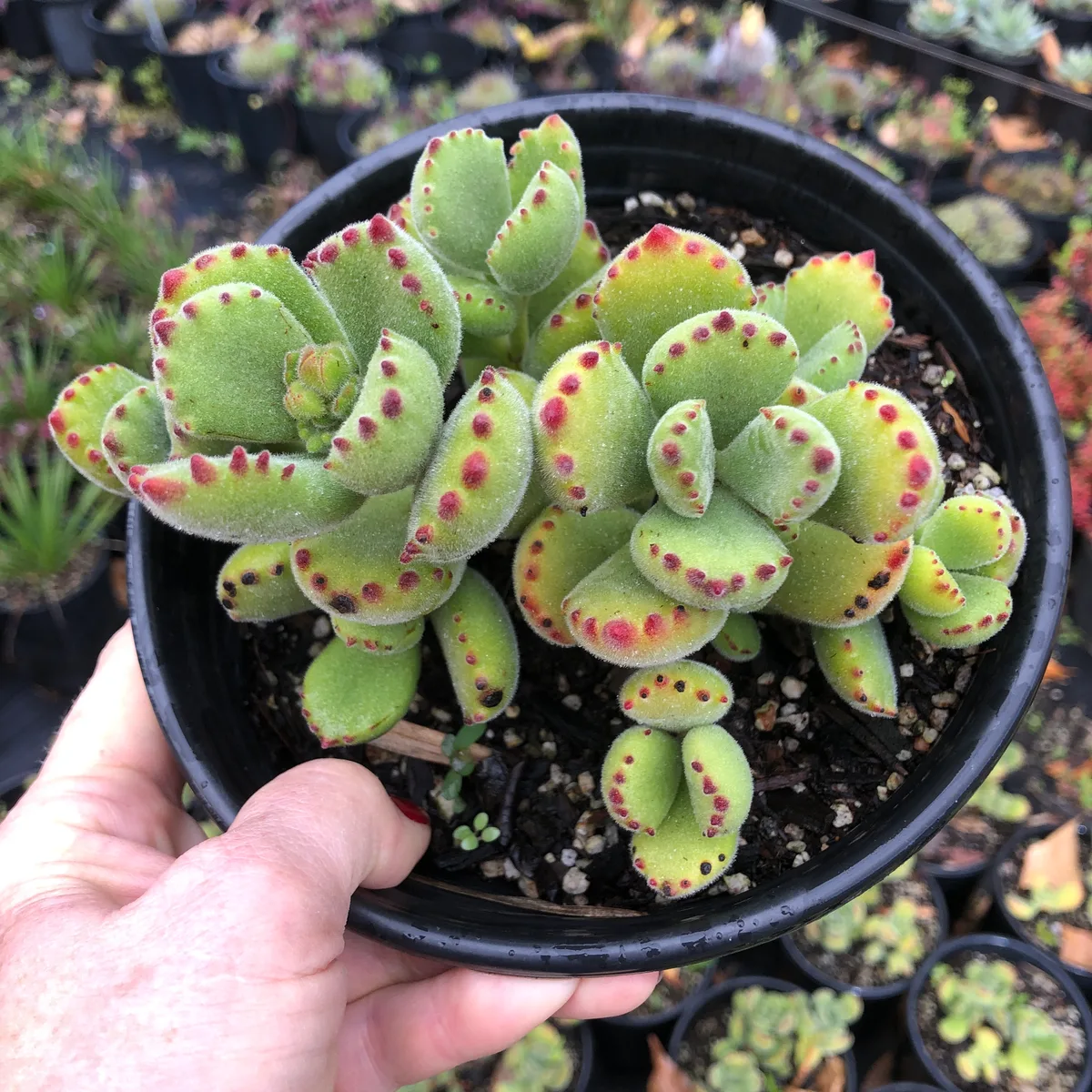
an evergreen, succulent shrub reaching a height of 70cm. The chunky leaves, up to 3.5cm long, are covered in a down of hairs and have 3-10 prominent dark-red "teeth" at their tips. Small, bell-shaped orange-yellow flowers are borne on short stems in summer
Scientific classification
- Species
- thickly matted haired navel-wort (Cotyledon tomentosa)
- Genus
- Cotyledon
- Family
- Crassulaceae
- Information to be completed
- Toxicity
- Cactus Succulent · Conservatory Greenhouse
- Plant type
- 0.5-1 metres
- Height
- 0.1-0.5 metres
- Spread
- Evergreen
- Foliage
- Bushy
- Habit
- Spring · Summer · Autumn · Winter
- Season of interest
- Full sun
- Sunlight
- 18 – 28 °C
- Ideal temperature









thickly matted haired navel-wort pictures
Distribution of thickly matted haired navel-wort
Distribution map
- Native
- Introduced
- Cultivated
Source:WCVP v16 · Royal Botanic Gardens, Kew · CC BY 3.0 · Boundaries:WGSRPD / TDWG
Culture
Information to be completed
Toxicity
Information to be completed
Quick identification of thickly matted haired navel-wort
Information to be completed
thickly matted haired navel-wort care guide
- Water sparsely, let entire succulent substrate dry fully between watering
- Watering
- Full sun
- Sunlight
- 18 – 28 °C
- Ideal temperature

Watering
Water sparsely, let entire succulent substrate dry fully between watering
Fertilizing
 Fertilizing
Diluted low nitrogen succulent feed once monthly in spring growth window
Pruning
 Pruning
No pruning required
Propagation
 Propagation
Propagate by seed or from leaf cuttings
Growing
 Growing
Grow under glass in a standard cactus compost, in full light. Provide low humidity. Water freely when in growth and keep just moist at other times. Apply a dilute low nitrogen fertilizer fortnightly during late spring and summer. Keep almost dry in the winter. Stand plants outside during the summer months. See houseplant cacti and succulent cultivation for further details
People also ask
Information to be completed
Common pests and diseases
Diseases
Generally disease free
Pests
May be affected by mealybugs, aphids and scale insects
Explore the plant health library →




