
desert cabbage
Also known as: flapjack; red pancakes
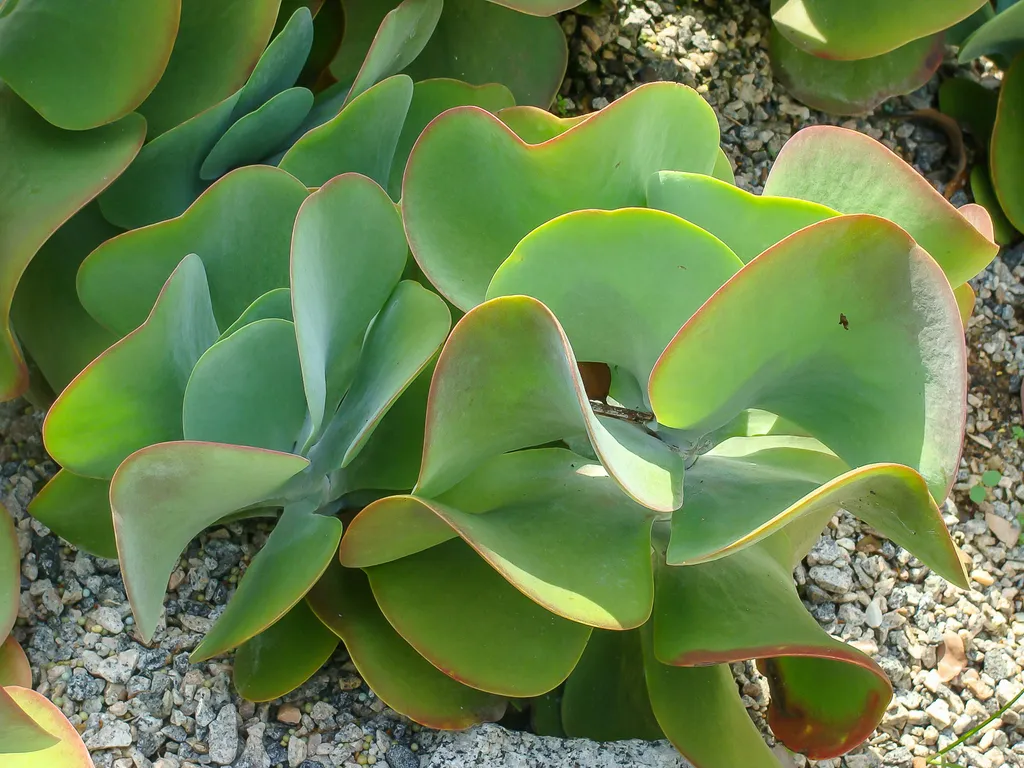
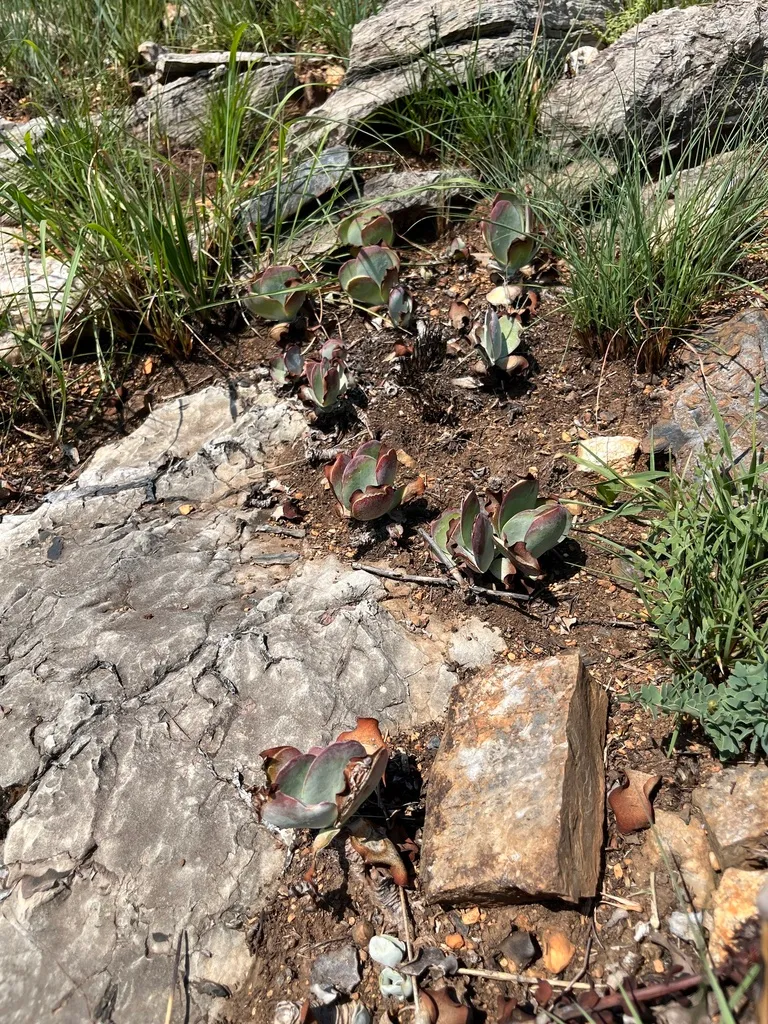
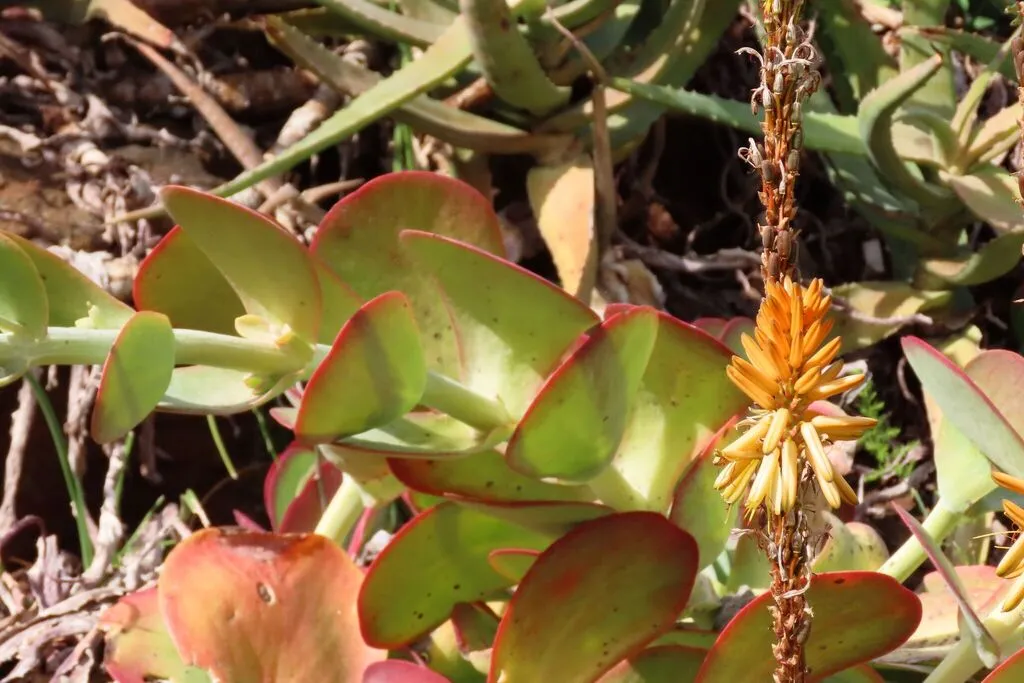
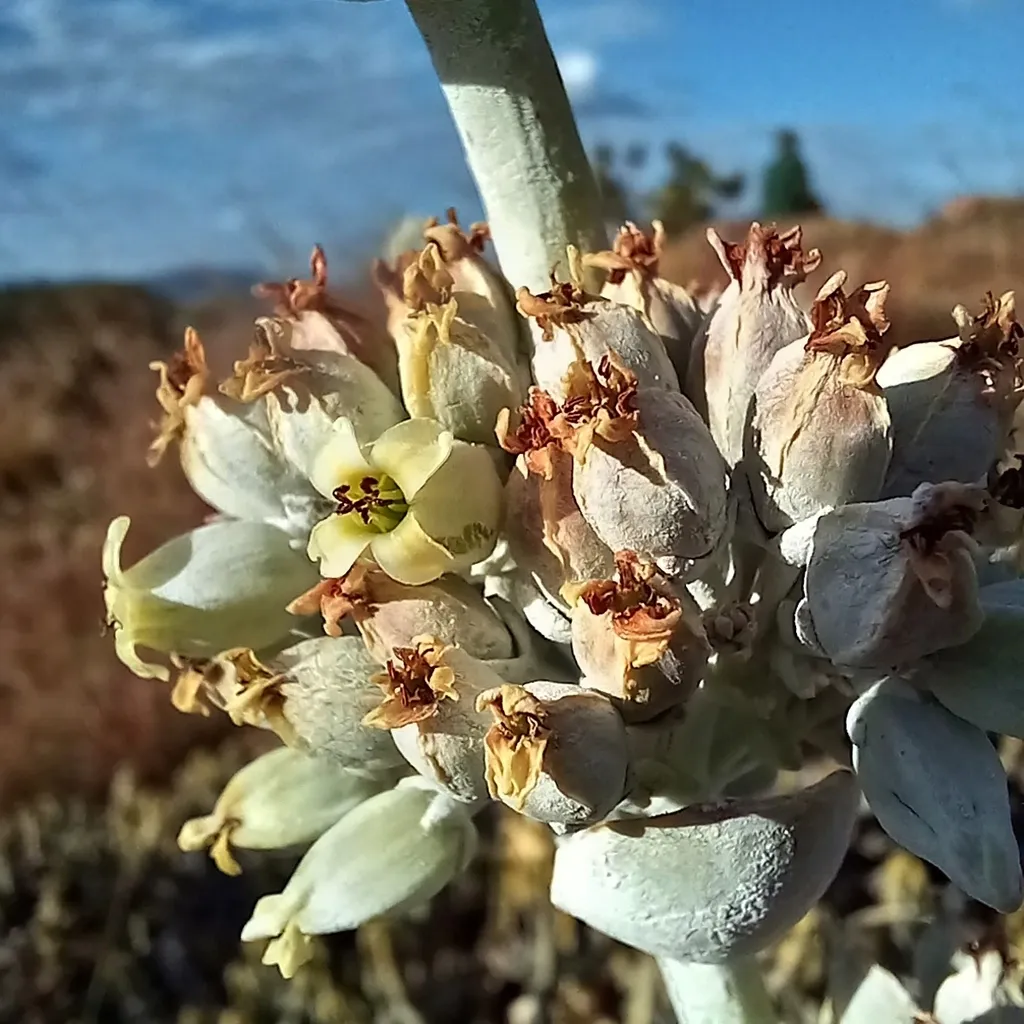
A short-stemmed perennial succulent to 15cm tall, with upright rosettes of bright green, rigid, fleshy, rounded leaves; these become red-flushed in good light. In early summer the rosettes may elongate into a 60cm tall flowerstalk; this is crowded with small, scented, pale yellow flowers. After flowering the rosette dies, but there are usually many small plantlets forming around the base
Scientific classification
- Species
- desert cabbage (Kalanchoe luciae)
- Genus
- Kalanchoe
- Family
- Crassulaceae
- Order
- Saxifragales
- Class
- Magnoliopsida
- Phylum
- Magnoliophyta
- Information to be completed
- Toxicity
- Cactus Succulent
- Plant type
- 0.1-0.5 metres
- Height
- 0.1-0.5 metres
- Spread
- Evergreen
- Foliage
- Clump forming
- Habit
- Spring · Summer · Autumn · Winter
- Season of interest
- Full sun
- Sunlight
- 18 – 28 °C
- Ideal temperature









desert cabbage pictures
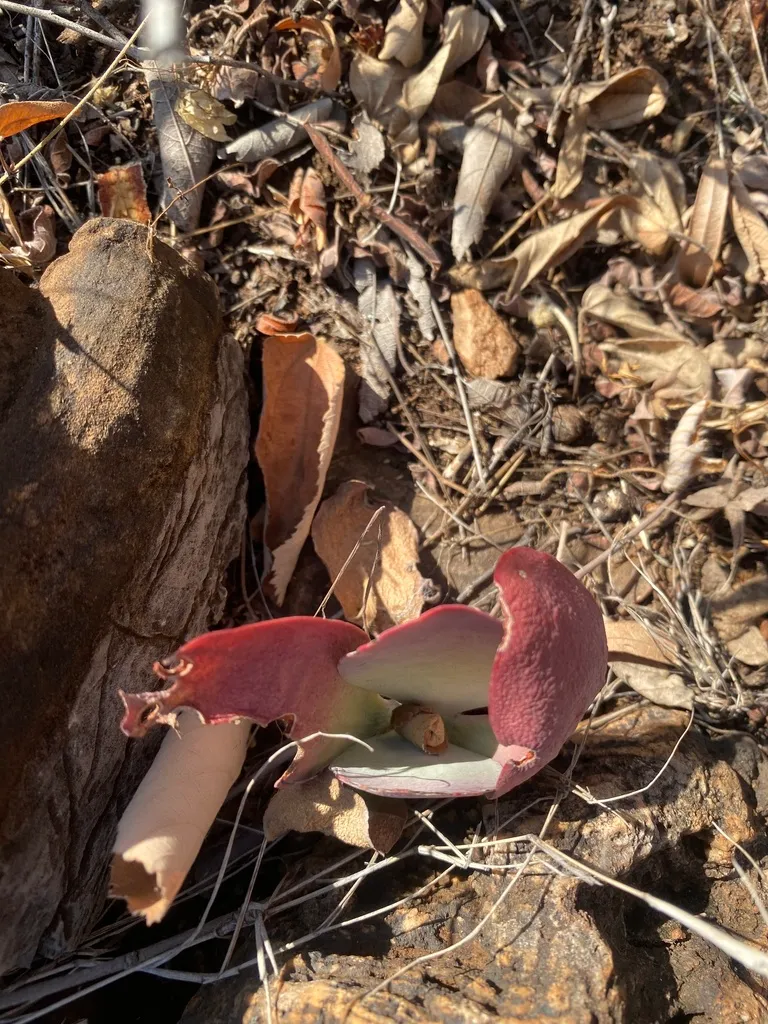
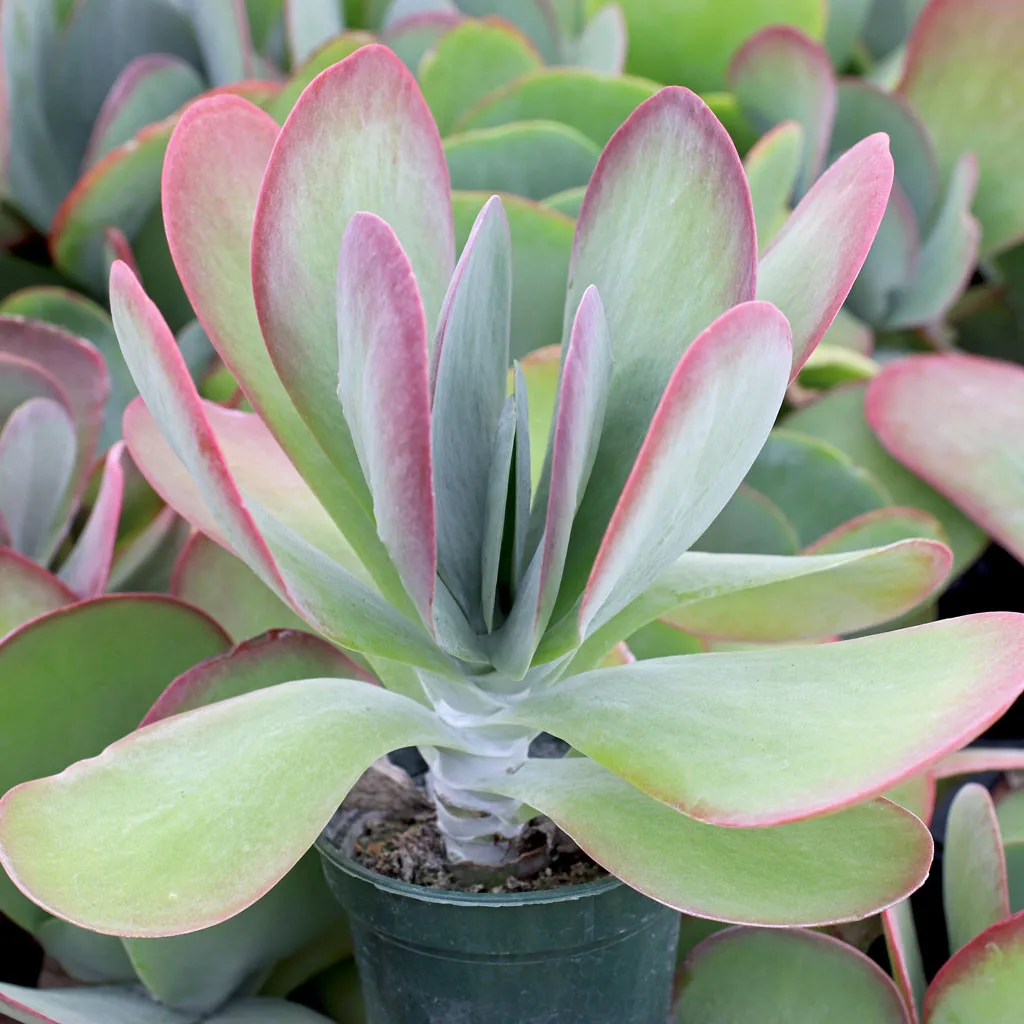
Distribution of desert cabbage
Distribution map
- Native
- Introduced
- Cultivated
Source:WCVP v16 · Royal Botanic Gardens, Kew · CC BY 3.0 · Boundaries:WGSRPD / TDWG
desert cabbage care guide
- Water deeply when soil is dry, reduce in winter
- Watering
- Full sun
- Sunlight
- 18 – 28 °C
- Ideal temperature

Watering
Water deeply when soil is dry, reduce in winter
Fertilizing
 Fertilizing
Monthly during growing season
Pruning
 Pruning
No pruning required
Propagation
 Propagation
Propagate by removal of plantlets or stem cuttings in spring or summer; sow seed at 21°C in spring
Growing
 Growing
Grow in loam-based compost with added grit and position in full light with protection from hot summer sun. During the growing season water moderately and apply a balanced liquid feed 3 or 4 times. Keep just moist in winter. See houseplant cacti and succulent cultivation for further information
Common pests and diseases
Diseases
May be susceptible to leaf spot
Pests
May be susceptible to mealybugs and aphids
Explore the plant health library →




