
rattlesnake plant
Also known as: Information to be completed
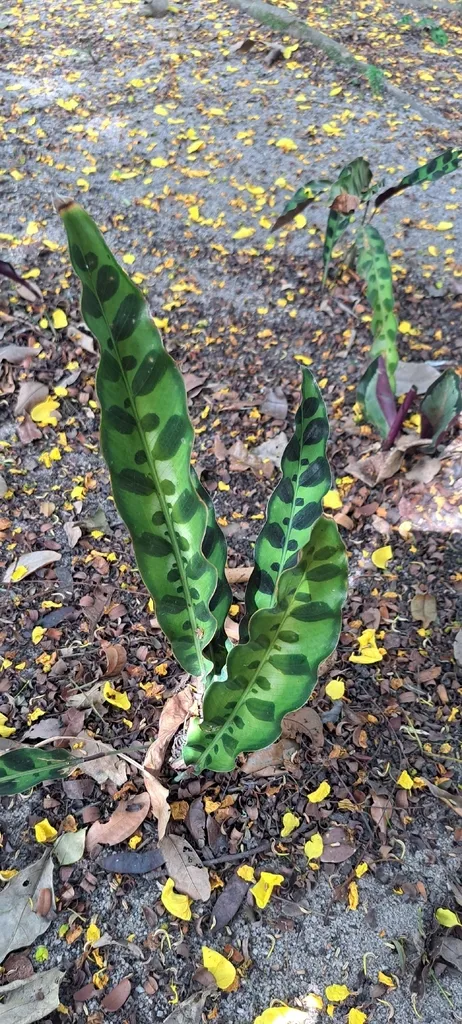
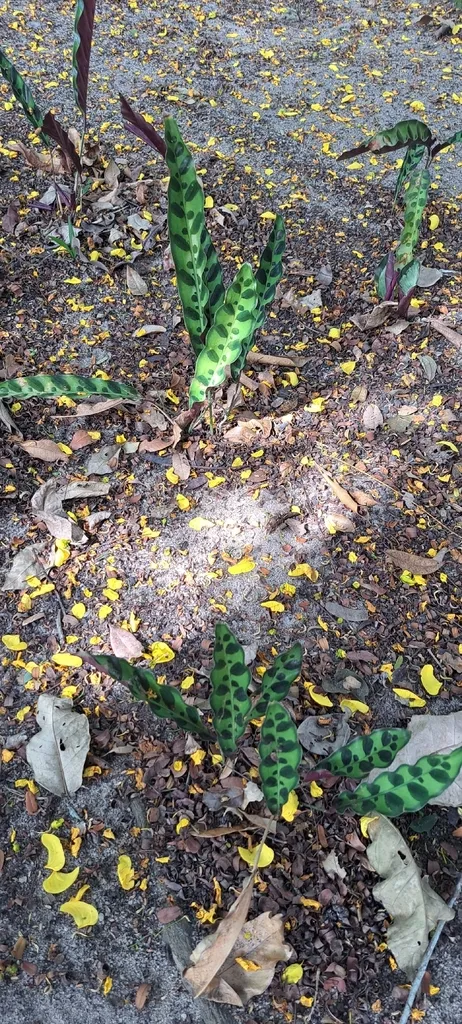
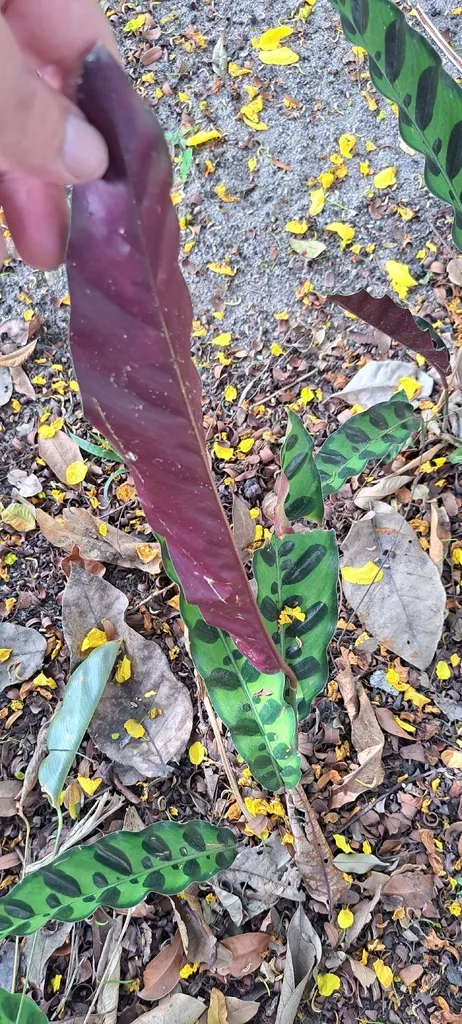
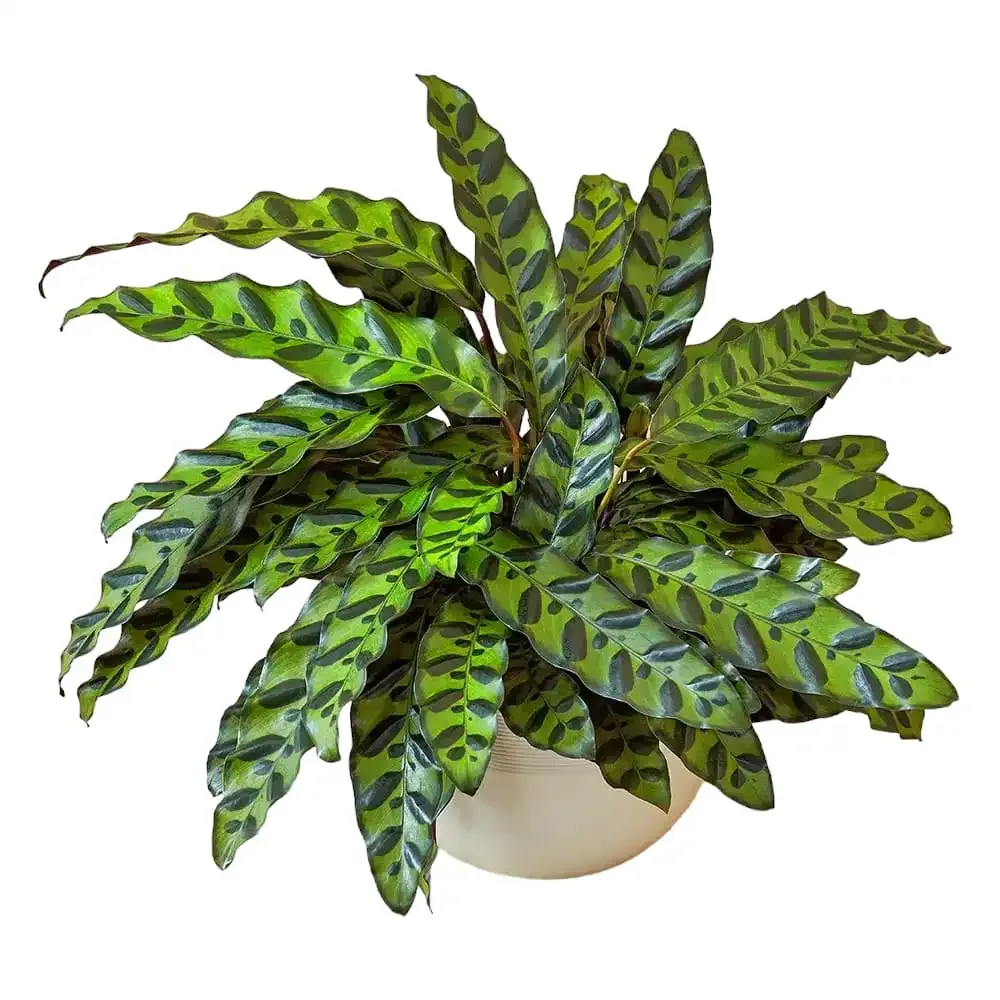
An evergreen perennial to 60cm, forming a clump with undulate, lance-shaped pale green leaves with dark patches either side of the midrib, deep purple beneath. Small yellow flowers appear in short spikes in summer
Scientific classification
- Species
- rattlesnake plant (Goeppertia insignis)
- Genus
- Goeppertia
- Family
- Marantaceae
- Order
- Zingiberales
- Class
- Liliopsida
- Phylum
- Tracheophyta
- Information to be completed
- Toxicity
- Conservatory Greenhouse · Houseplants
- Plant type
- 0.5-1 metres
- Height
- 0.1-0.5 metres
- Spread
- Evergreen
- Foliage
- Clump forming
- Habit
- Spring · Summer · Autumn · Winter
- Season of interest
- Partial shade
- Sunlight
- 18 – 27 °C
- Ideal temperature









rattlesnake plant pictures
Distribution of rattlesnake plant
Distribution map
- Native
- Introduced
- Cultivated
Source:WCVP v16 · Royal Botanic Gardens, Kew · CC BY 3.0 · Boundaries:WGSRPD / TDWG
rattlesnake plant care guide
- Evenly moist peat mix, frequent light misting to raise ambient humidity
- Watering
- Partial shade
- Sunlight
- 18 – 27 °C
- Ideal temperature

Watering
Evenly moist peat mix, frequent light misting to raise ambient humidity
Fertilizing
 Fertilizing
Weak tropical foliage feed monthly spring to late summer period
Pruning
 Pruning
No pruning required
Propagation
 Propagation
Propagate by division in late spring
Growing
 Growing
Under glass grow in loam-based or loam-less potting compost with bright indirect or filtered light. Provide high humidity, draught-free conditions and a constant temperature of at least 16°C. Water moderately when in growth and keep just moist in winter. Apply a balanced liquid fertiliser monthly
Common pests and diseases
Diseases
Generally disease free
Pests
May be attacked by glasshouse whitefly and glasshouse red spider mite
Explore the plant health library →




