
purple coneflower
Also known as: black samson; eastern purple coneflower; hedgehog coneflower; purple daisy; purple rudbeckia
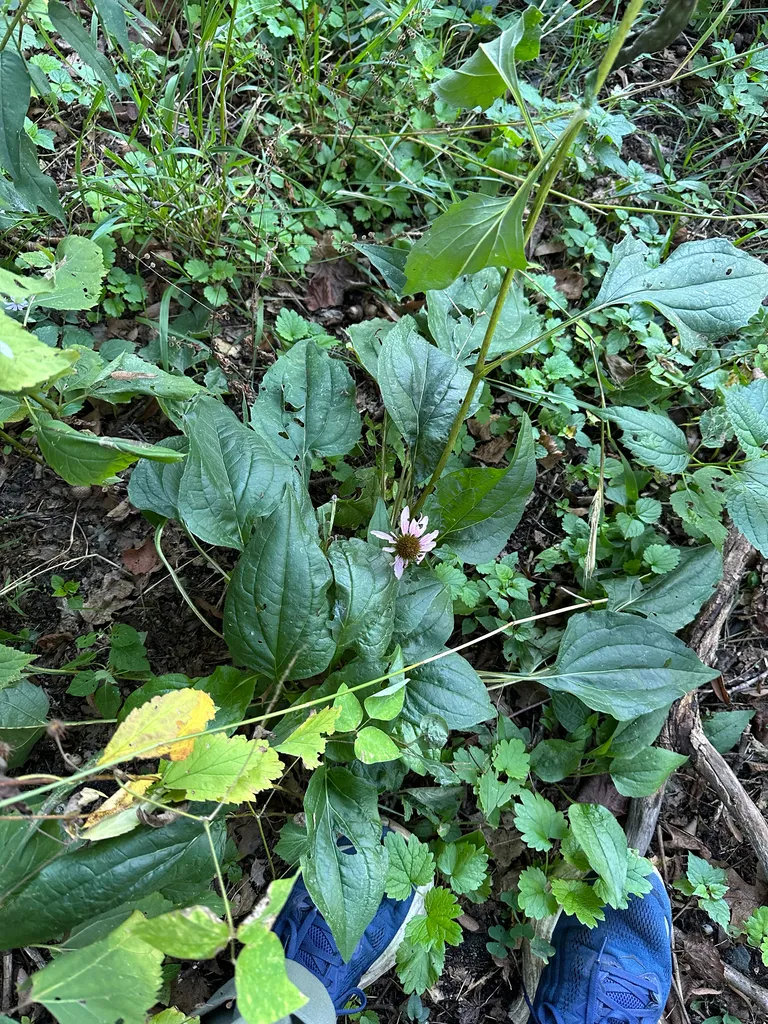
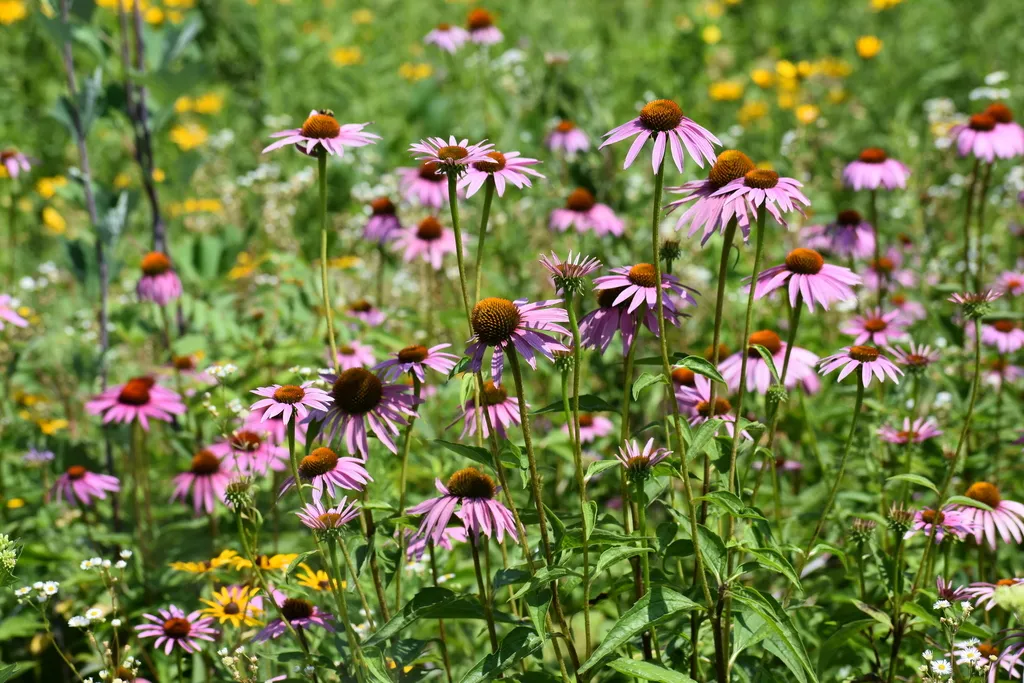
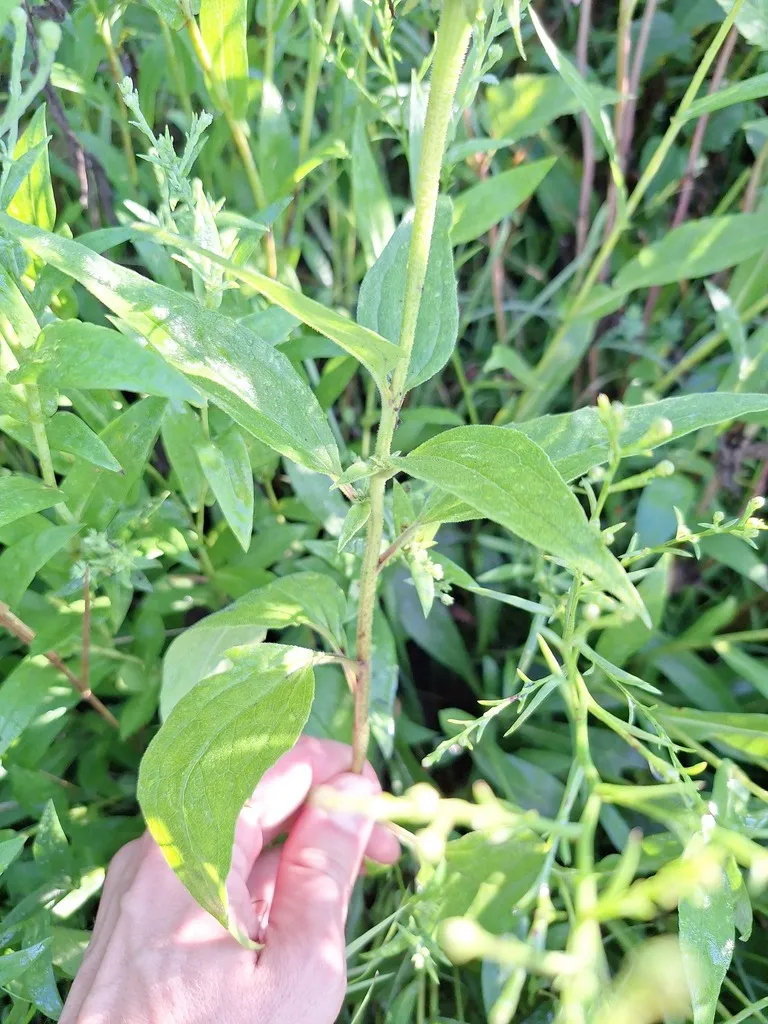
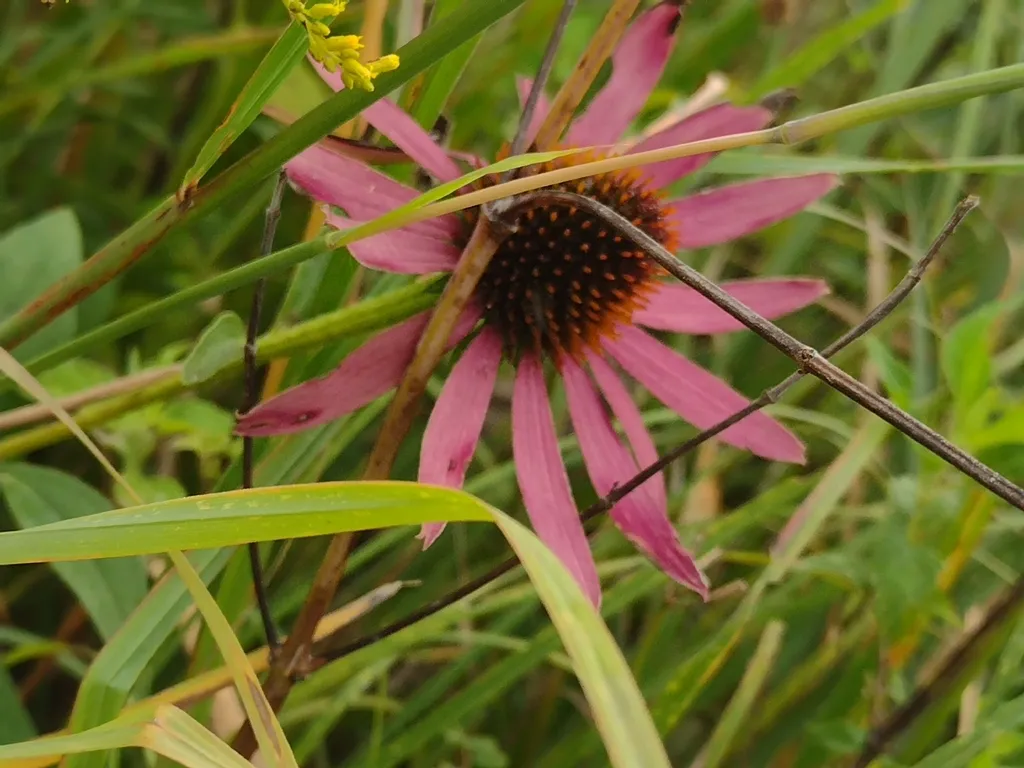
Upright perennial to about 1.5m tall, with coarsely hairy, lance-shaped mid-green basal leaves to 15cm long, and solitary flowerheads to 12cm across with slightly reflexed, light purplish-pink rays and a golden brown central disk, from midsummer to autumn; native to prairies and woods of eastern USA
Scientific classification
- Species
- purple coneflower (Echinacea purpurea)
- Genus
- Echinacea
- Family
- Asteraceae
- Information to be completed
- Toxicity
- Herbaceous Perennial
- Plant type
- 1-1.5 metres
- Height
- 0.1-0.5 metres
- Spread
- Deciduous
- Foliage
- Clump forming
- Habit
- Spring · Summer · Autumn
- Season of interest
- Full sun · Partial shade
- Sunlight
- 15 – 25 °C
- Ideal temperature









purple coneflower pictures
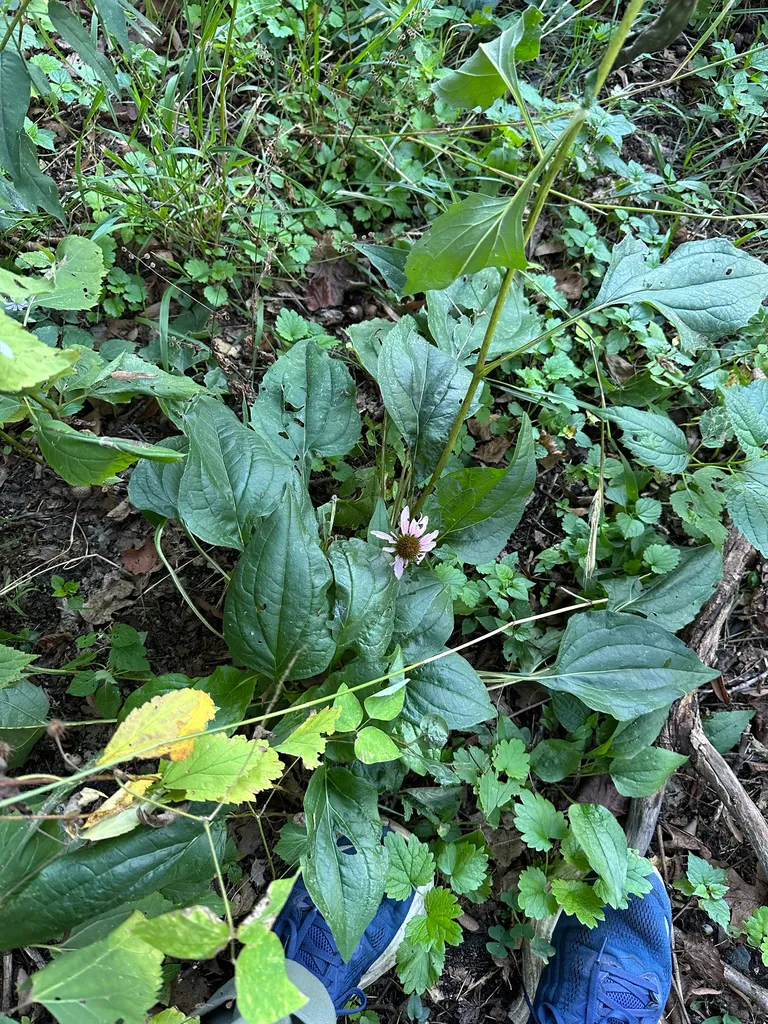
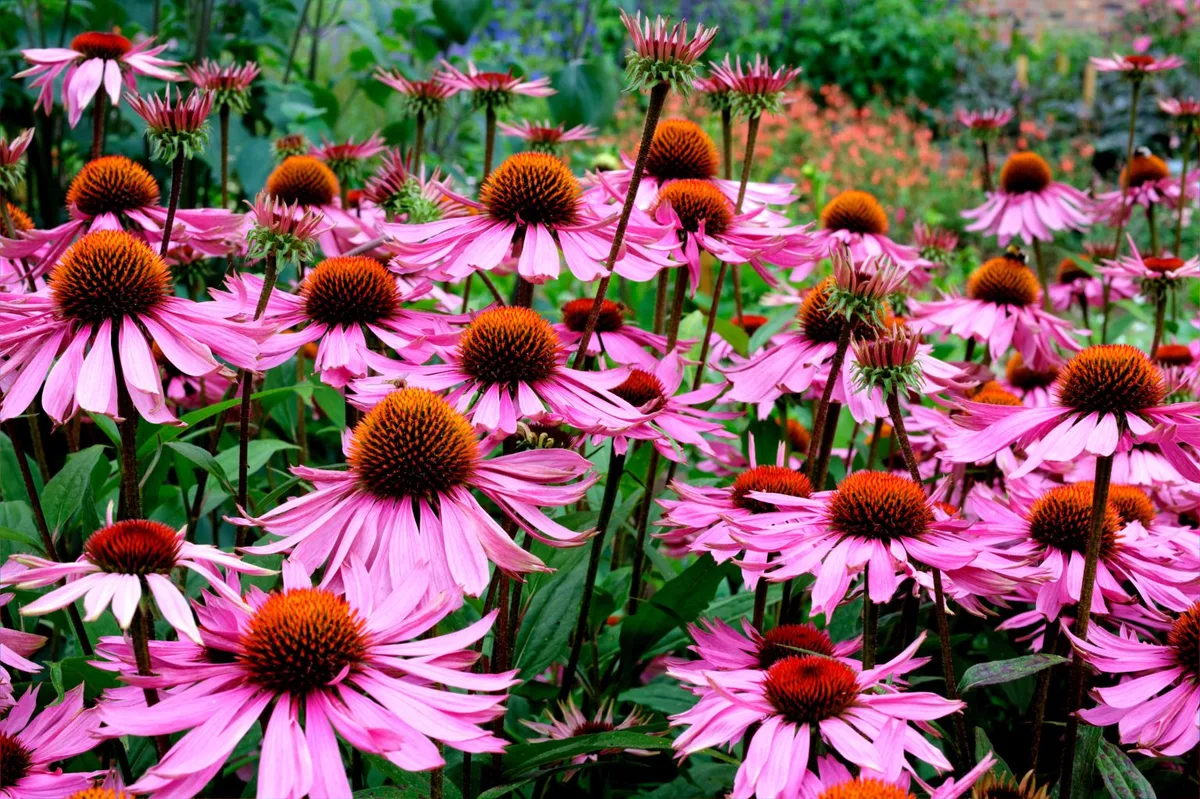
Distribution of purple coneflower
Distribution map
C and Eastern North America
Information to be completed
Culture
Information to be completed
Toxicity
Information to be completed
Quick identification of purple coneflower
Information to be completed
purple coneflower care guide
- Moderate regular watering, partial soil drying allowed between irrigation
- Watering
- Full sun · Partial shade
- Sunlight
- 15 – 25 °C
- Ideal temperature

Watering
Moderate regular watering, partial soil drying allowed between irrigation
Fertilizing
 Fertilizing
Diluted coneflower feed monthly spring until late autumn season
Pruning
 Pruning
Cut back stems as the blooms fade to encourage further flower production
Propagation
 Propagation
Propagate by division in spring or autumn or by root cuttings from late autumn to early winter
Growing
 Growing
Grow in deep, well-drained, humus-rich soil ideally in full sun, although toleratant of some shade, see echinacea cultivation for further advice
People also ask
Information to be completed
Common pests and diseases
Diseases
Generally disease free
Pests
Generally pest-free
Explore the plant health library →




