
desert rose
Also known as: Information to be completed
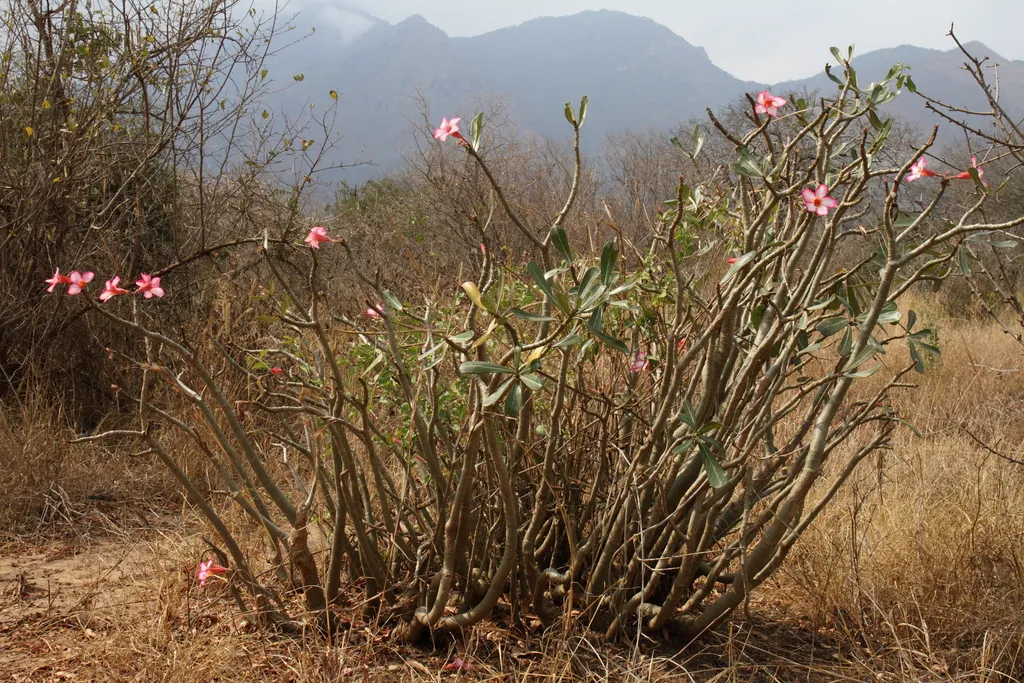
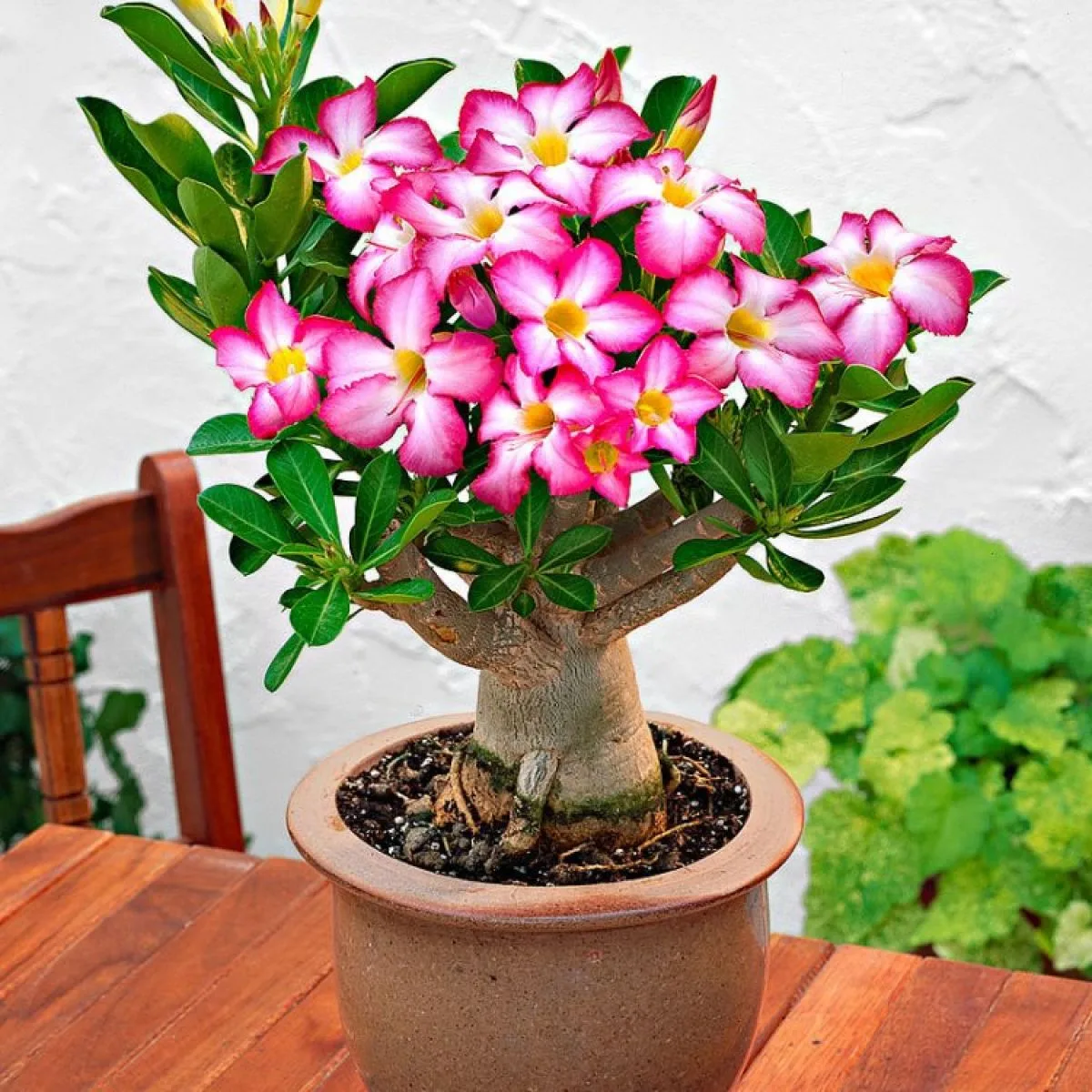
A succulent, shrubby perennial with very swollen stem-like caudex tapering to a branched apex bearing small clusters of red, pink or white flowers, which open before the ovate leaves
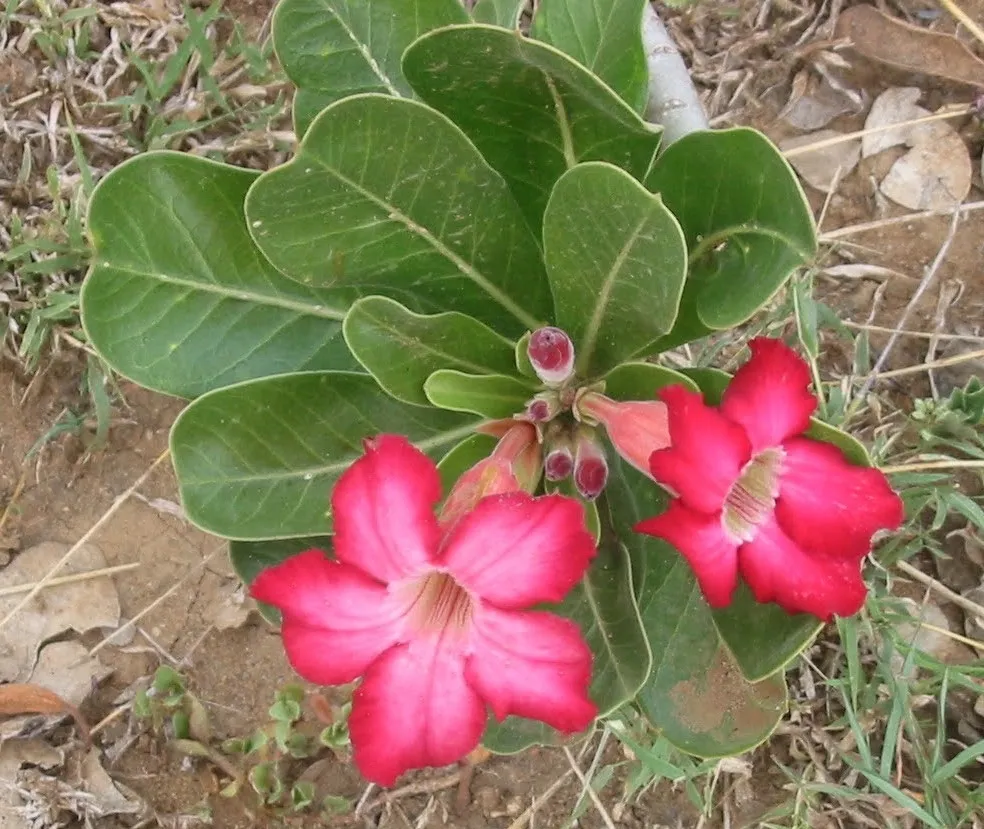
Scientific classification
- Species
- desert rose (Adenium obesum)
- Genus
- Adenium
- Family
- Apocynaceae
- Order
- Gentianales
- Class
- Magnoliopsida
- Phylum
- Magnoliophyta
- Harmful if eaten. Wear gloves and other protective equipment when handling
- Toxicity
- Cactus Succulent
- Plant type
- 1-1.5 metres
- Height
- 1-1.5 metres
- Spread
- Deciduous
- Foliage
- Bushy
- Habit
- Spring · Summer · Autumn
- Season of interest
- Partial shade
- Sunlight
- 20 – 30 °C
- Ideal temperature









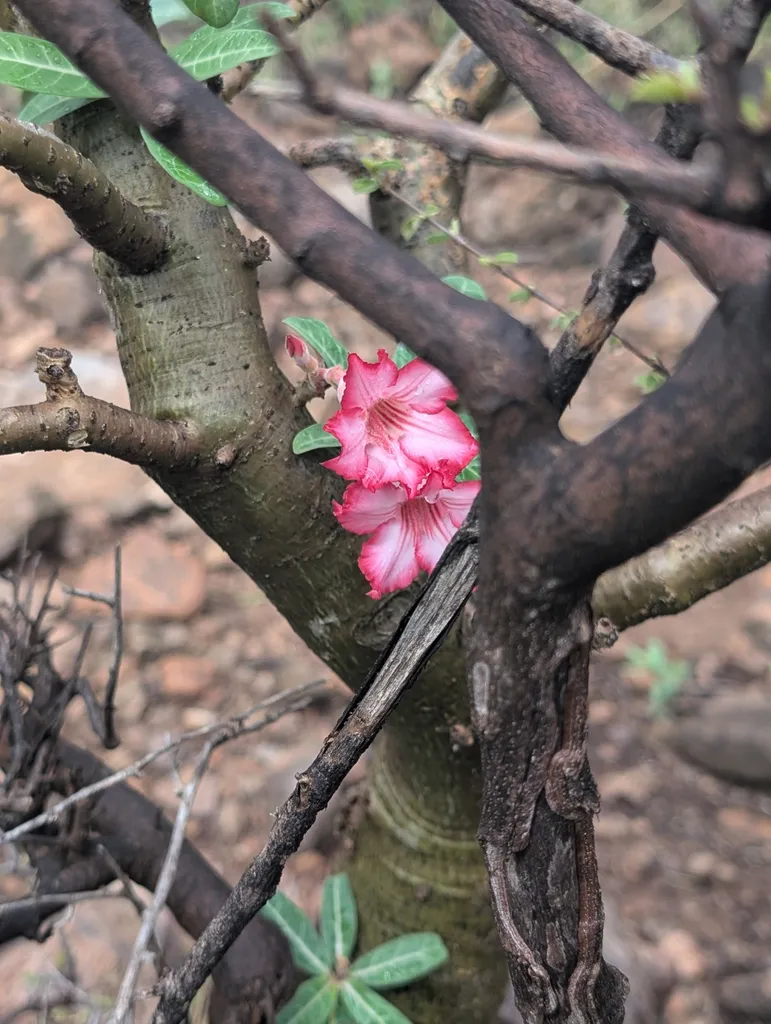
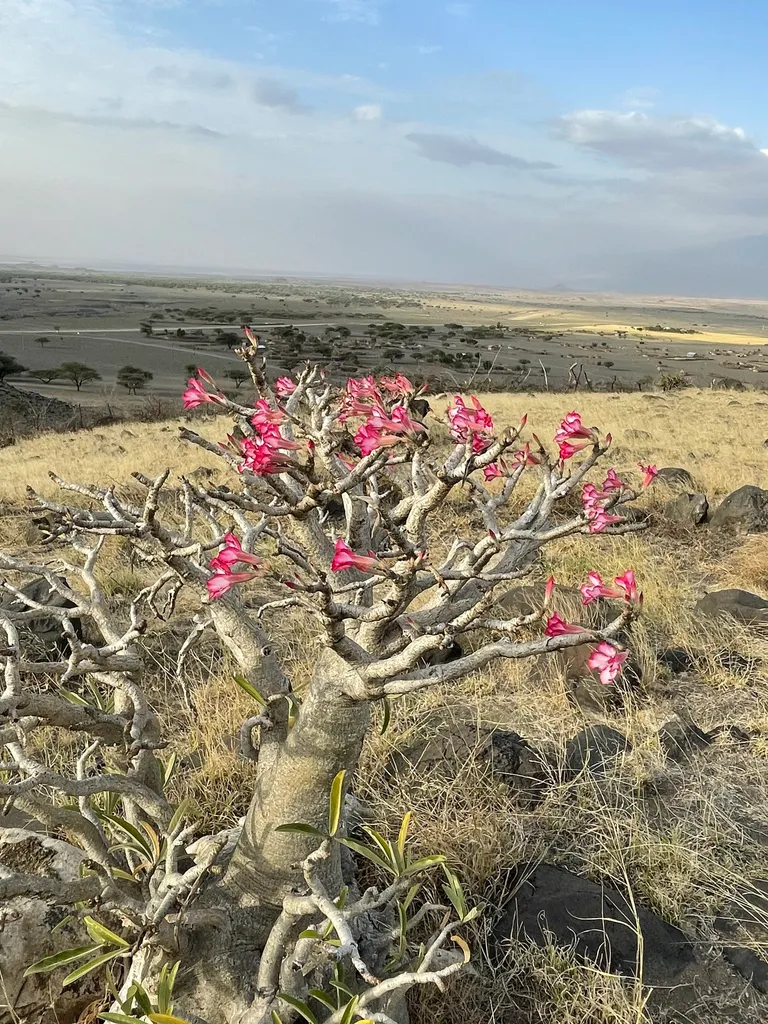
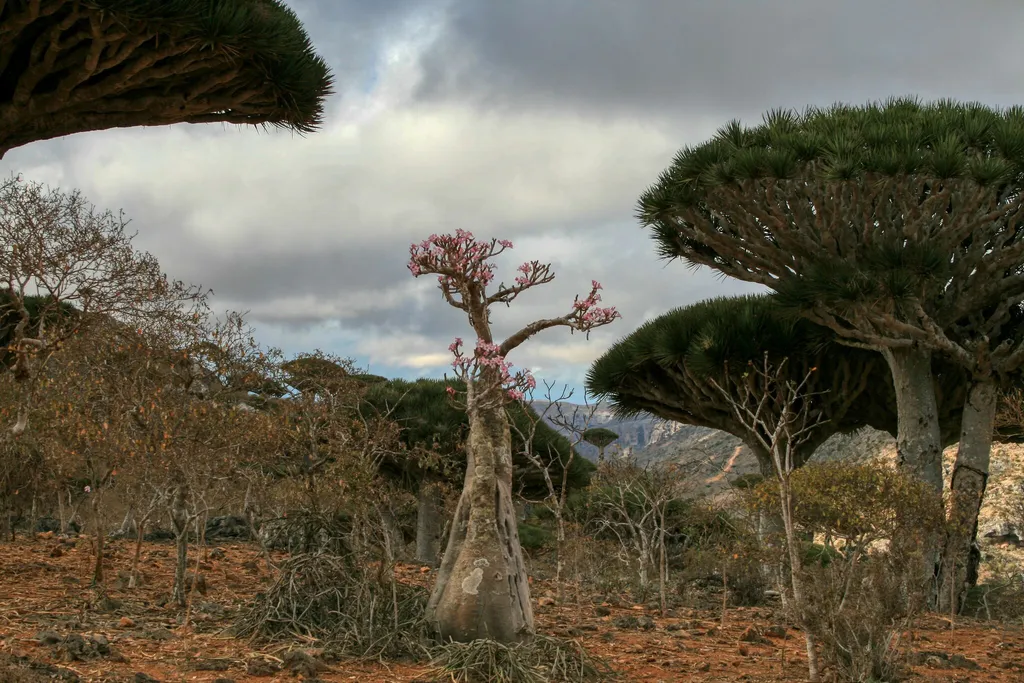
desert rose pictures
Distribution of desert rose
Distribution map
- Native
- Introduced
- Cultivated
Source:WCVP v16 · Royal Botanic Gardens, Kew · CC BY 3.0 · Boundaries:WGSRPD / TDWG
Toxicity
Harmful if eaten. Wear gloves and other protective equipment when handling
desert rose care guide
- Water deeply but allow soil to dry completely between waterings
- Watering
- Partial shade
- Sunlight
- 20 – 30 °C
- Ideal temperature

Watering
Water deeply but allow soil to dry completely between waterings
Fertilizing
 Fertilizing
Every 2 weeks during growing season with high-phosphorus fertilizer
Pruning
 Pruning
No pruning required
Propagation
 Propagation
Propagate by seed sown as soon as ripe at 21°C (70°F). Root cuttings from non-flowering shoots in summer with bottom heat
Growing
 Growing
Under glass grow in loam-based potting compost (JI No2) with added sharp sand in full light with shade from hot sun
Common pests and diseases
Diseases
Generally disease-free
Pests
May be susceptible to aphids
Explore the plant health library →




