
poinsettia
Also known as: bird-of-paradise flower; Christmas flower; Christmas star; fire on the mountain; lobster flower; Mexican Easter flower; Mexican flameleaf; painted leaf; pride of Barbados; fire plant
A semi-evergreen shrub with large, bluntly toothed, ovate leaves and tiny yellow flowers with leaf-like bright red bracts, opening in winter
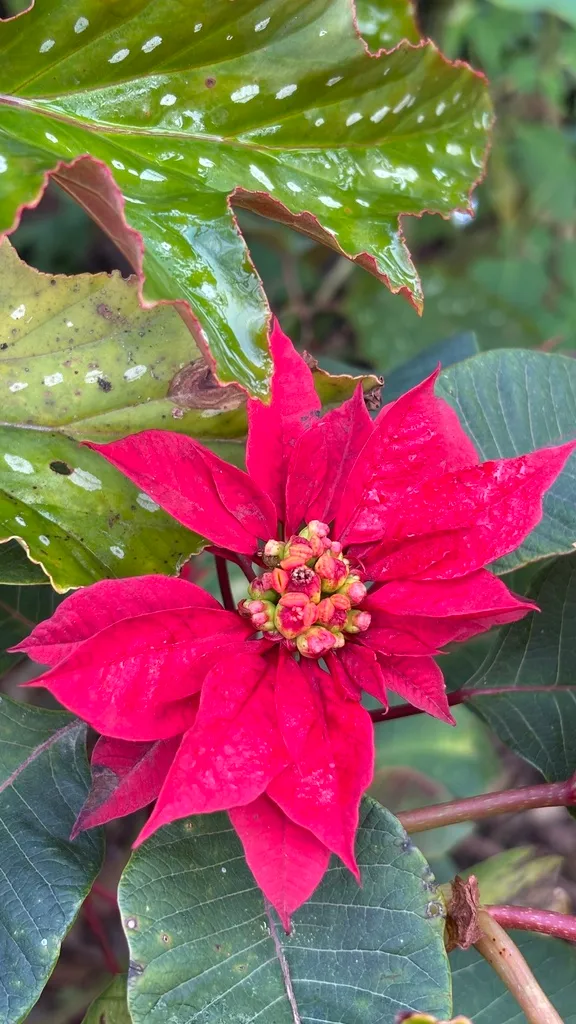
Scientific classification
- Species
- poinsettia (Euphorbia pulcherrima)
- Genus
- Euphorbia
- Family
- Euphorbiaceae
- Order
- Malpighiales
- Class
- Magnoliopsida
- Phylum
- Magnoliophyta
- Information to be completed
- Toxicity
- Herbaceous Perennial · Houseplants
- Plant type
- 0.1-0.5 metres
- Height
- 0.1-0.5 metres
- Spread
- Semi evergreen
- Foliage
- Bushy
- Habit
- Spring · Summer · Autumn · Winter
- Season of interest
- Full sun · Partial shade
- Sunlight
- 18 – 28 °C
- Ideal temperature









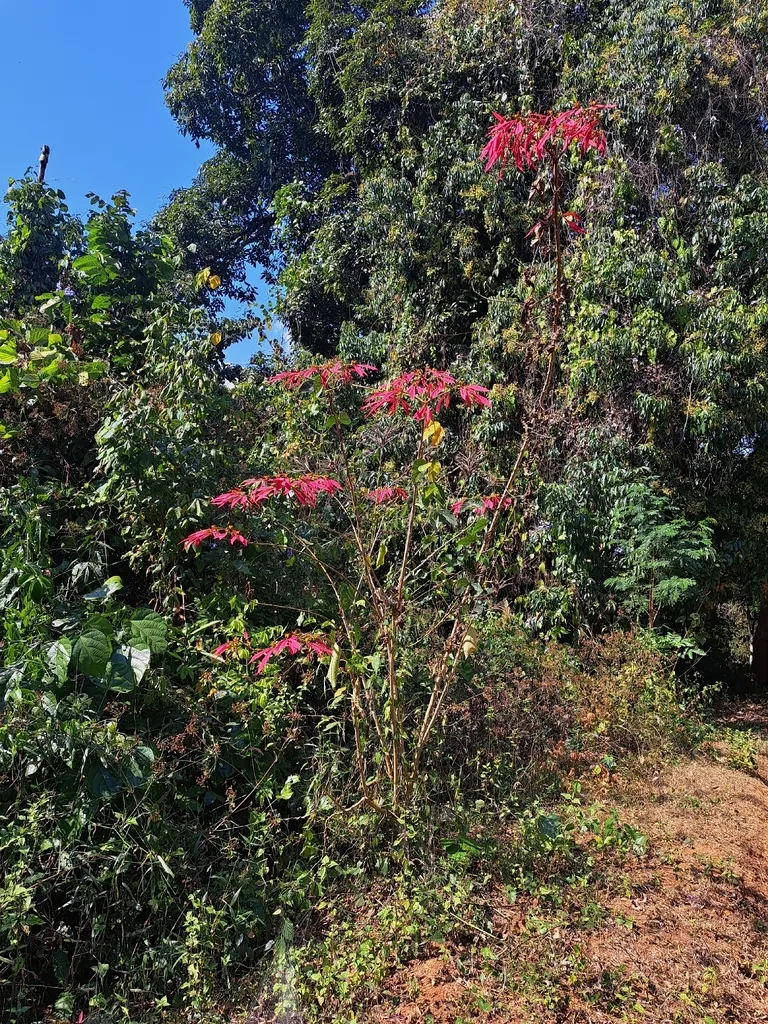
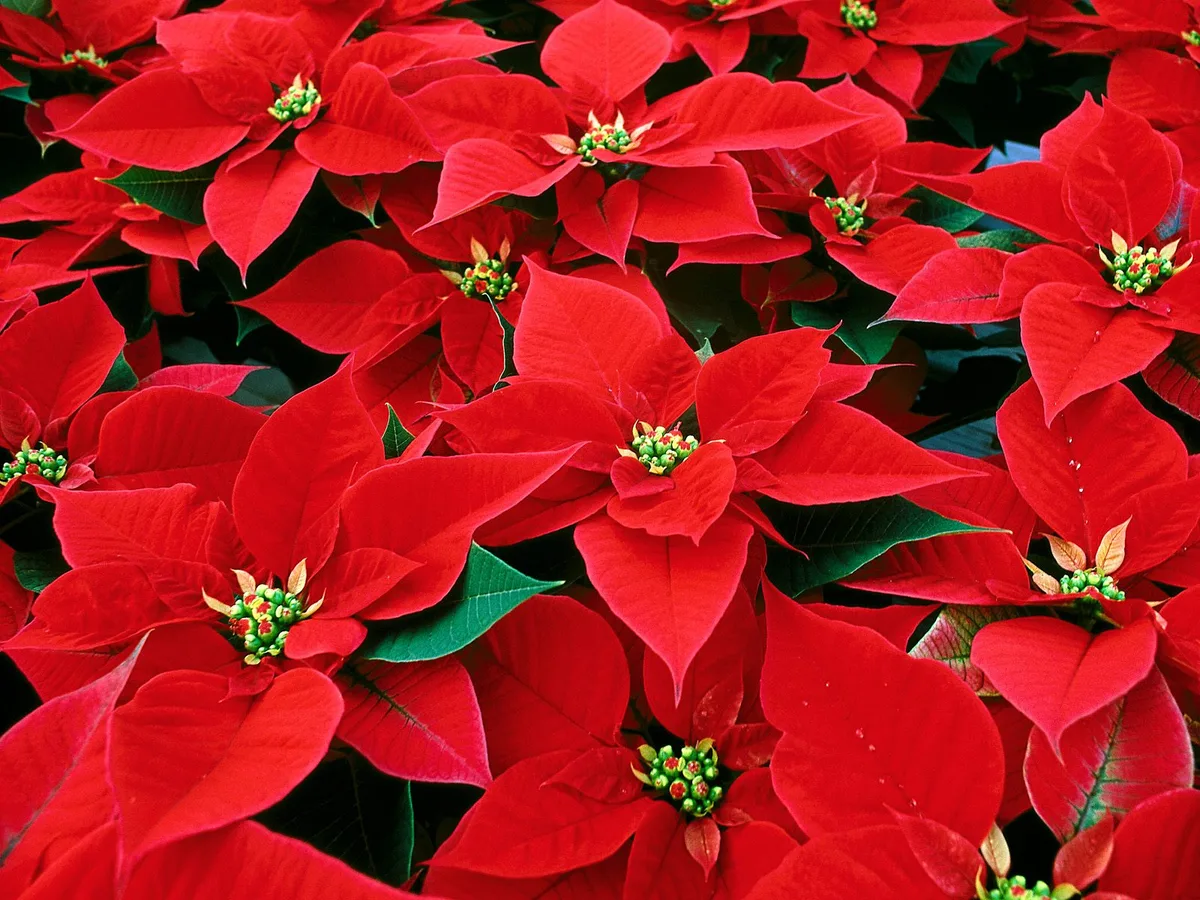
poinsettia pictures
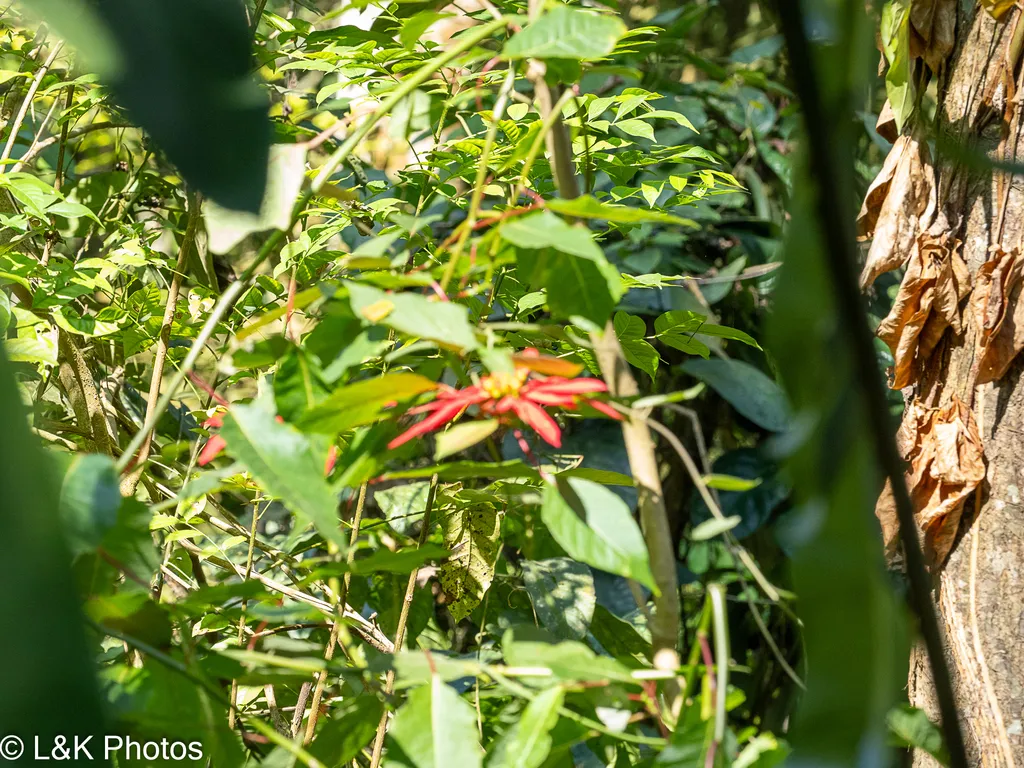
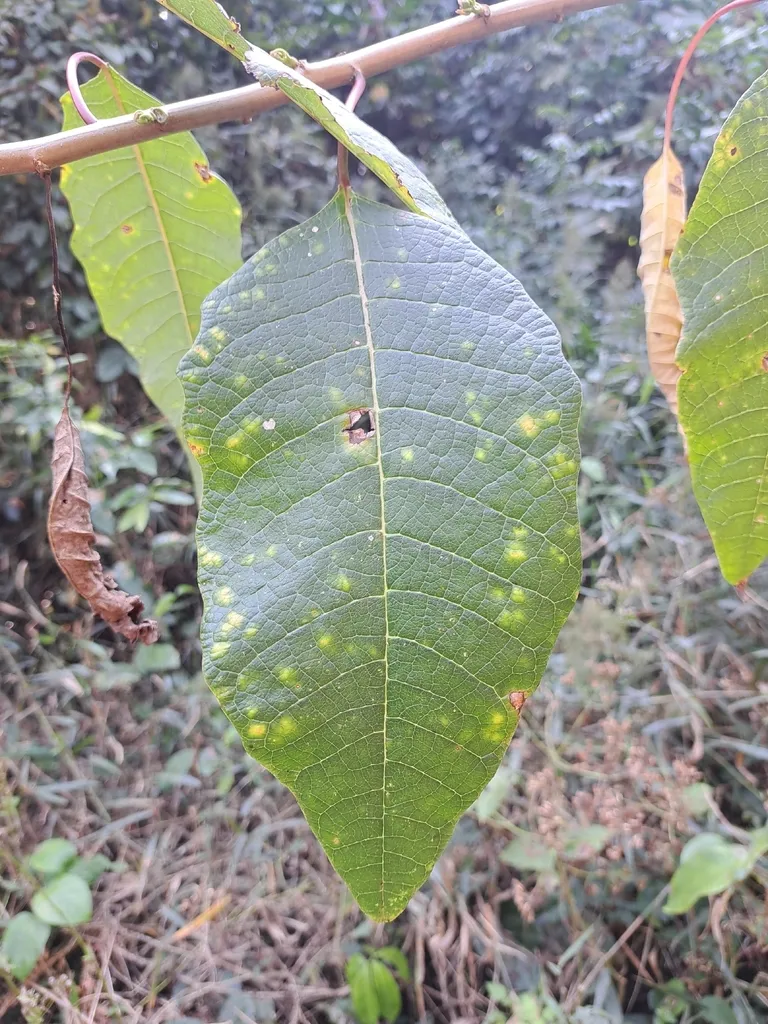
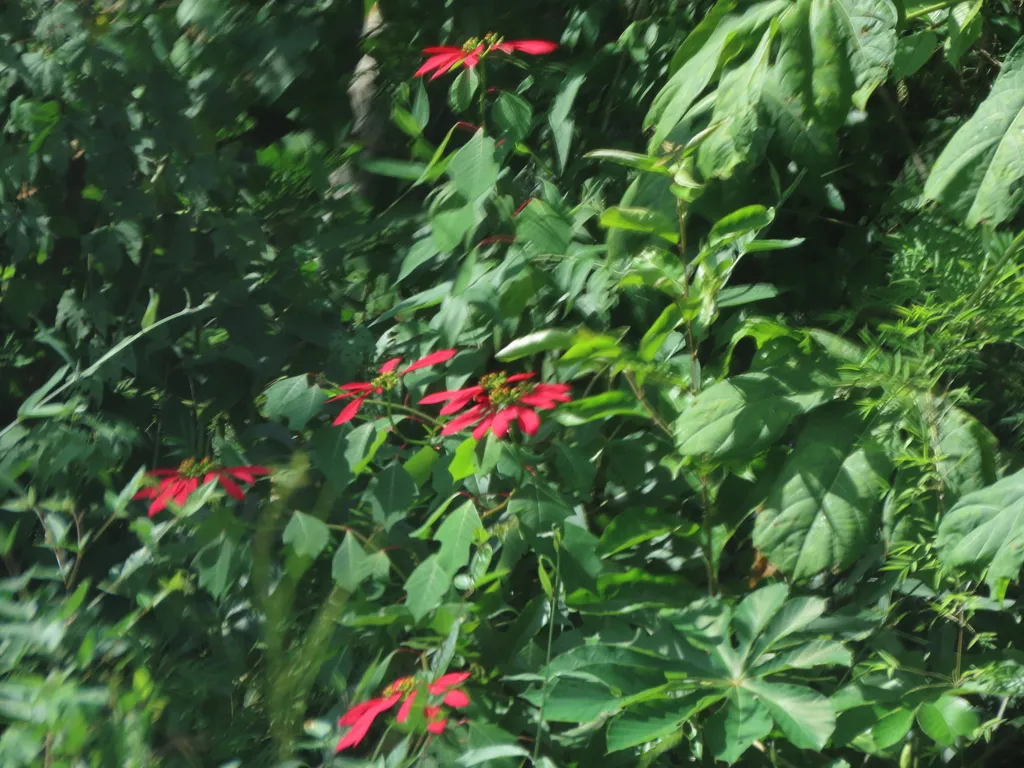
Distribution of poinsettia
Distribution map
- Native
- Introduced
- Cultivated
Source:WCVP v16 · Royal Botanic Gardens, Kew · CC BY 3.0 · Boundaries:WGSRPD / TDWG
poinsettia care guide
- Moderate regular watering, allowing brief slight drying between soakings
- Watering
- Full sun · Partial shade
- Sunlight
- 18 – 28 °C
- Ideal temperature

Watering
Moderate regular watering, allowing brief slight drying between soakings
Fertilizing
 Fertilizing
Balanced perennial feed every four weeks from spring through summer
Pruning
 Pruning
Prune back the plants hard in April, to about 10cm (4in). Repot them, growing them in a light, cool place over summer. A temperature of 15-18°C (60-65°F) is ideal. Flowering and bract colouring is initiated by short winter day-length, occurring naturally in December and January. So from November onwards, plants should be put in a dark room after twelve hours of daylight and protected from artificial light sources Plants need a constant temperature of around 18°C (55°F) to colour up well, so make sure they do not get too cold
Propagation
 Propagation
Propagate by stem cuttings in early summer. Use a hormone rooting compound
Growing
 Growing
Grow indoors in a loam-based potting compost with added bark and leaf mould in full light during winter, avoiding any draughts. Minimum temperature of 13-15°C ( 55-59°F) during the flowering season. Water sparingly during growth and apply a balanced liquid fertiliser every 10-14 days. See Euphorbia for further advice
Common pests and diseases
Diseases
May be susceptible to grey moulds
Pests
May be susceptible to glasshouse red spider mite, glasshouse whitefly and mealybugs
Explore the plant health library →




