



Planting and Growing clary Haematodes Group

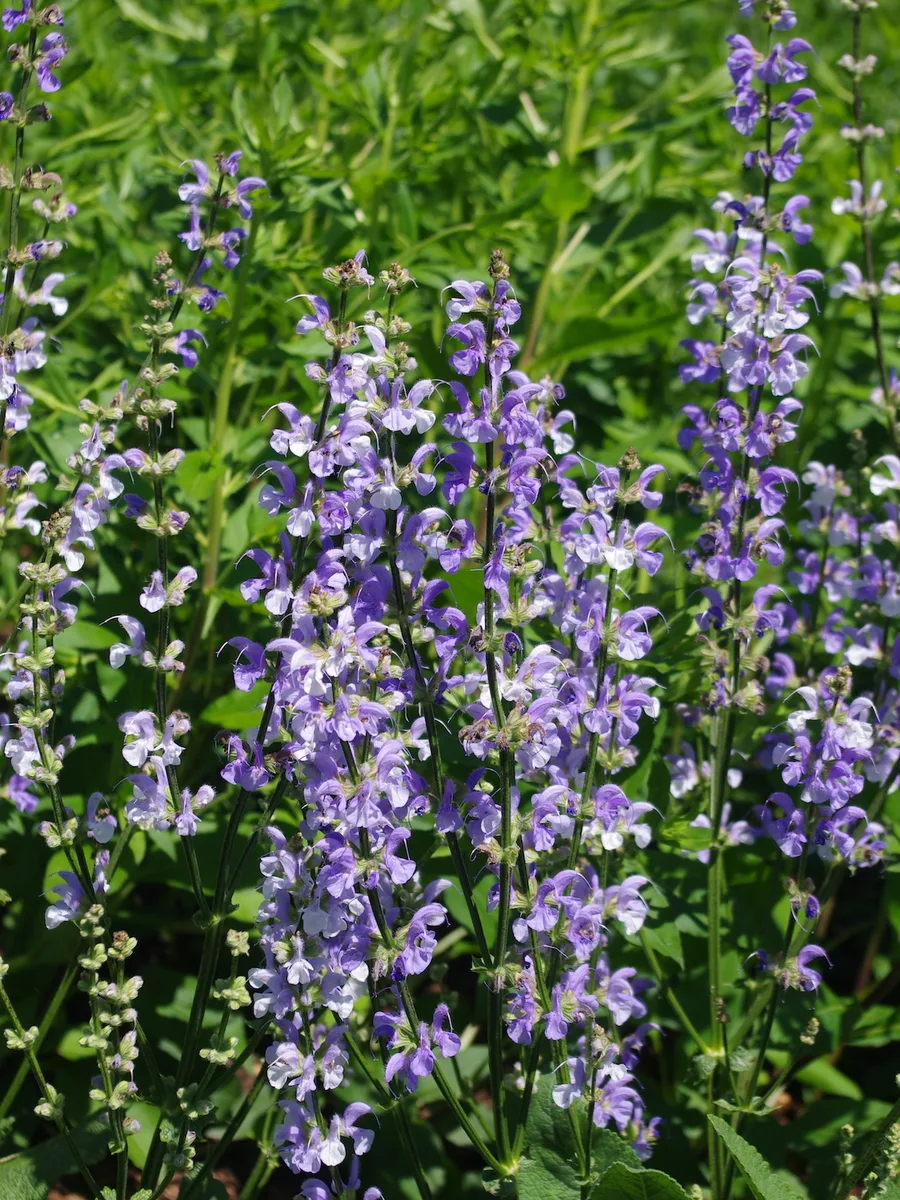
| Care difficulty | 3 / 5 |
|---|---|
| Watering schedule | Moderate regular watering, avoid prolonged drought and stagnant waterlogging |
| Sunlight requirements | Full sun |
| Ideal temperature | Information to be completed |
| Soil type | Chalk · Loam · Sand |
| Soil pH | Acid · Alkaline · Neutral |
| Soil moisture | Well drained |
| Fertilizing | Balanced perennial feed every four weeks spring through summer growth |
| Toxicity | Information to be completed |
How to Water clary Haematodes Group?
Moderate regular watering, avoid prolonged drought and stagnant waterlogging
Learn more →What Are the Sunlight Requirements for clary Haematodes Group?
Full sun
Learn more →What Soil Is Best for clary Haematodes Group?
- Soil type
- Chalk · Loam · Sand
- Soil pH
- Acid · Alkaline · Neutral
What Are the Moisture Requirements for clary Haematodes Group?
Well drained
Learn more →How to Fertilize clary Haematodes Group?

Balanced perennial feed every four weeks spring through summer growth
Learn more →How to Prune clary Haematodes Group?

Remove flower spikes as they fade to prolong flowering
Learn more →How to Propagate clary Haematodes Group?

Propagate by seed in pots in a cold frame in spring
Learn more →How to Plant clary Haematodes Group?
Grow in light, moderately fertile, humus-rich, well-drained soil. Best in full sun but can tolerate light partial shade; can be short-lived
Learn more →Common Pests & Diseases

Diseases
May be susceptible to honey fungus (rarely), powdery mildews, verticillium wilt and foot and root rots
Pests
May be susceptible to sage leafhopper, slugs, snails and rosemary beetle
Explore the plant health library →