



Planting and Growing chandelier plant

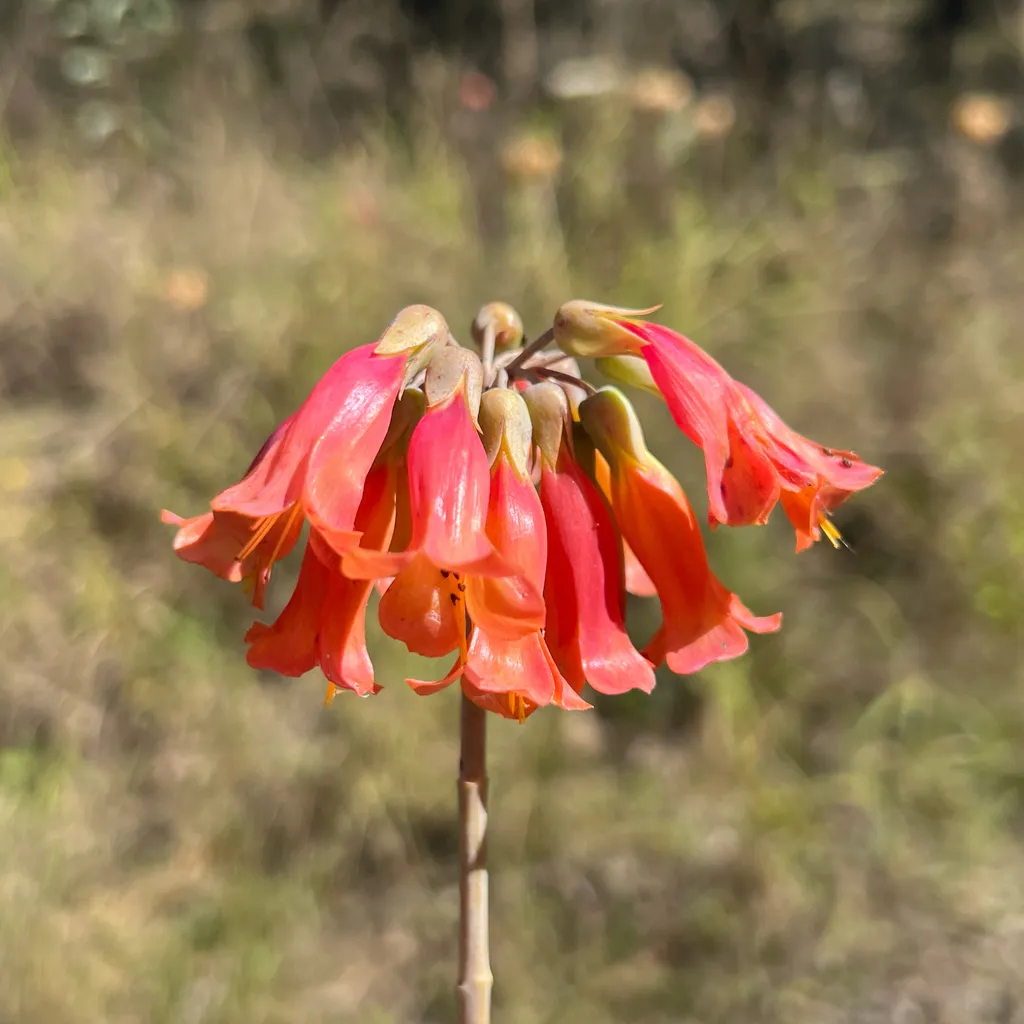
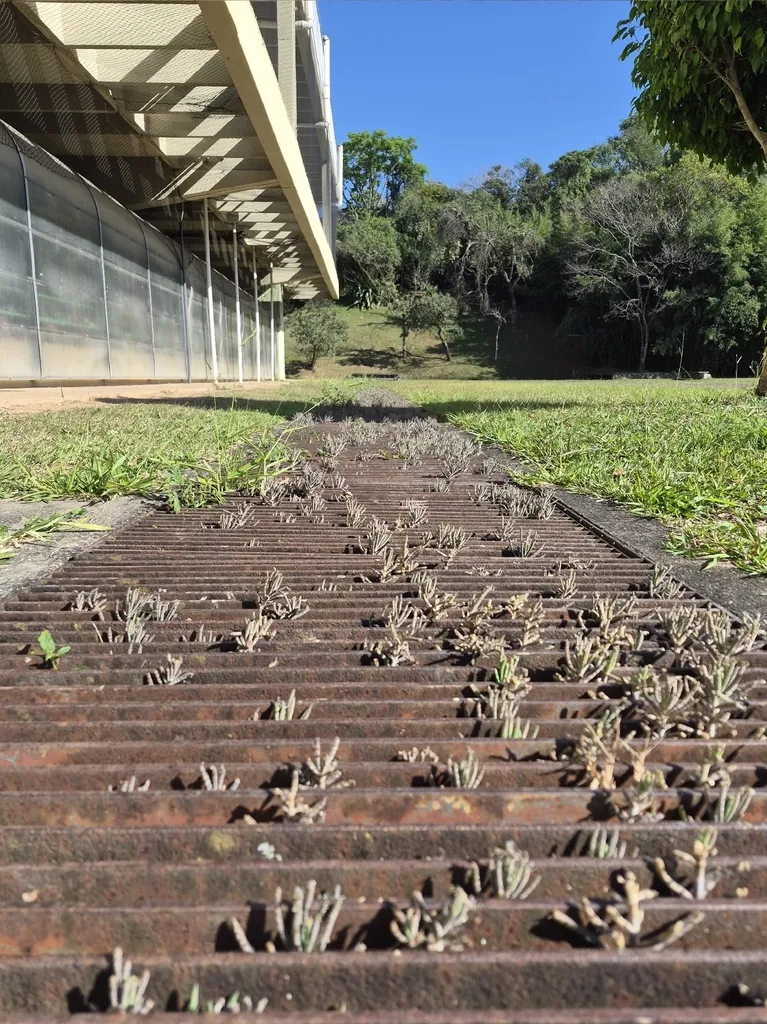
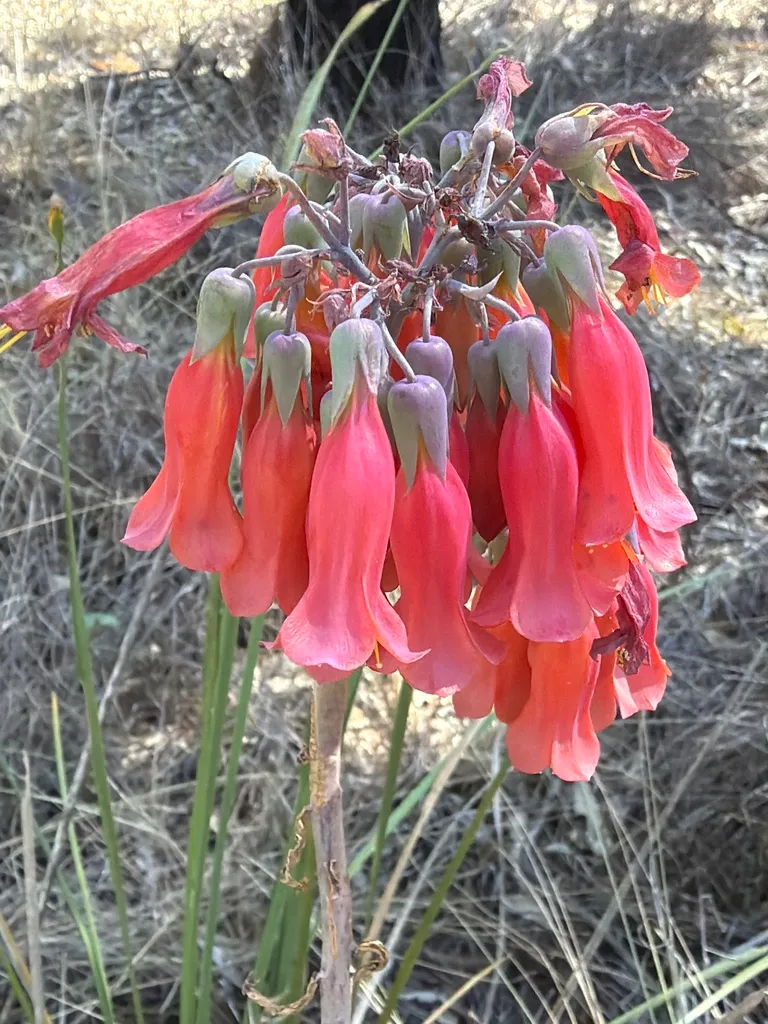
| Care difficulty | 1 / 5 |
|---|---|
| Watering schedule | Let gritty substrate dry completely before giving another full soaking |
| Sunlight requirements | Full sun · Partial shade |
| Ideal temperature | 18 – 28 °C |
| Soil type | Loam · Sand |
| Soil pH | Acid · Alkaline · Neutral |
| Soil moisture | Well drained |
| Fertilizing | Ultra-diluted low-nitrogen succulent feed monthly warm summer only |
| Toxicity | Information to be completed |
How to Water chandelier plant?
Chandelier plant thrives in arid environments, mirroring its native habitat's low-water conditions. This succulent is drought-tolerant and prefers a dry climate with minimal watering, requiring hydration once every 2-3 weeks to maintain its water balance. As an indoor plant, chandelier plant excels in well-draining soil that prevents root rot, making it ideal for container gardening. Its ability to store water efficiently allows it to withstand periods of neglect, embodying the resilience of desert flora.
Learn more →What Are the Sunlight Requirements for chandelier plant?
Chandelier plant flourishes in conditions of full sun exposure, which promotes robust growth and optimal flowering. While chandelier plant displays tolerance to partial sun, prolonged lack of intense light may result in leggy stems and subdued flowering. In adapting to varying light levels, chandelier plant can alter the orientation and pigmentation of its leaves to maximize light absorption. For indoor cultivation, placing chandelier plant near south-facing windows ensures ample sunlight. Outdoors, chandelier plant should be positioned in areas that receive direct sunlight for the majority of the day, with some afternoon shade in extremely hot climates to prevent scorching.
Learn more →What Is the Ideal Temperature Range for chandelier plant?

Chandelier plant is notably resilient to temperature variations, tolerating a range from 5℃ to 43℃ (41℉ to 109℉). This hardy nature means it can endure both cold and heat extremes, making it suitable for diverse environments. However, protective measures are essential during frosty winters and scorching summers. Symptoms of overcooling include leaf discoloration and dropping, while overheating may cause wilting and sunburns. In case of overcooling, move chandelier plant to a warmer spot or provide frost protection. To counter overheating, ensure adequate shading and watering. Overall, chandelier plant's adaptability to temperature changes influences its care, requiring mindful adjustments in extreme conditions.
Learn more →What Soil Is Best for chandelier plant?
Chandelier plant thrives in well-draining, aerated potting mixes. A suitable soil mix includes three parts succulent & cactus soil and one part perlite or pumice to enhance drainage. Regular potting soil can be amended with sand or gravel if specialized mixes are unavailable. Ensuring good drainage is crucial to prevent water-logging, particularly at the roots. Apply a balanced, slow-release fertilizer during the growing season for optimal growth but avoid over-fertilization.
- Soil type
- Loam · Sand
- Soil pH
- Acid · Alkaline · Neutral
What Are the Moisture Requirements for chandelier plant?
Well drained
Learn more →How to Fertilize chandelier plant?

To bolster chandelier plant's growth and improve resilience, utilize a succulent-specific feed, sparingly applied every 2-4 weeks during its active growth phase in spring and summer. Less is more; avoid over-fertilization which can harm chandelier plant. During dormancy in fall and winter, reduce feeding to every other month, if at all. Dilute the fertilizer to half strength to prevent root burn and encourage steady, healthy growth without overwhelming chandelier plant. Seasonal adjustments in fertilization ensure chandelier plant receives optimal nutrients when it's primed for absorption, aligning with its natural growth cycle.
Learn more →How to Prune chandelier plant?

In order to keep beautiful shape, some large succulent plants may need pruning. For example, in California, for echeveria planted in the garden, some redundant branches and branches that are too dense need to be cut off in spring and autumn. This depends on what you think and what the succulent plant is used for. Tools for pruning mainly include knife, scissors, and some medicines (such as sulfur powder). In order to propagate new plants, we can also cut some leaves in spring and autumn for cutting. Stout stems with 5-6 leaves are often selected: cut it off with a knife, then smear the wound with sulfur powder, and plant it after the wound is healed. At this time, it is recommended to use a watering can to slightly wet the soil used for cutting.
Learn more →How to Propagate chandelier plant?

Chandelier plant is efficiently propagated through cuttings, an easy and effective method ideally suited for this resilient succulent. Simply snip a healthy leaf or stem, let the cutting dry for a few days until the cut forms a callous, reducing the risk of rotting. Afterwards, press the cutting gently into well-draining soil, maintaining light moisture without oversaturation. With its robust nature, chandelier plant will soon establish roots and start to thrive, requiring minimal additional care beyond ensuring adequate light and avoiding waterlogged soil.
Learn more →How to Transplant chandelier plant?
The prime time to transplant chandelier plant is from late spring to midsummer, offering warmer growth conditions. Seek bright, indirect light spots and combine that with your nurturing touch for thriving success.
Learn more →How to Care for chandelier plant in Winter?

Originating from the arid climates of Madagascar, chandelier plant thrives under sunny, dry conditions. Winter poses a unique challenge, as it's not well adapted to extreme cold. Indoor care is optimal during winter, as chandelier plant needs to avoid frost exposure. Ensure a warm environment (above 10°C), well-draining soil to deter overwatering, and ample sunlight to mimic the plant's natural habitat.
Learn more →How to Plant chandelier plant?
Indoors-potted: Ensure chandelier plant has ample vertical space indoors; its rapid upward growth can be a surprising delight for plant lovers. Outdoors-potted: When potted outside, chandelier plant thrives on patios but watch out for excessive rainwater which can cause issues. Outdoors-in the ground: Chandelier plant's invasive nature outdoors requires diligent containment measures to prevent it from overwhelming other plants.
Learn more →How to Repot chandelier plant?
For chandelier plant, a vertical succulent, repot every two years to accommodate rapid growth. Best repotted in spring, use a pot that's 20-30% larger to ensure space for root development. Provide a sandy, well-draining mix to prevent water-logging. After repotting, water sparingly and avoid direct sunlight for a week to foster recovery and encourage robust growth.
Learn more →Common Pests & Diseases

Diseases
May be susceptible to downy mildews and a leaf spot
Pests
May be susceptible to mealybugs and aphids
Explore the plant health library →