



Planting and Growing Mexican hat plant

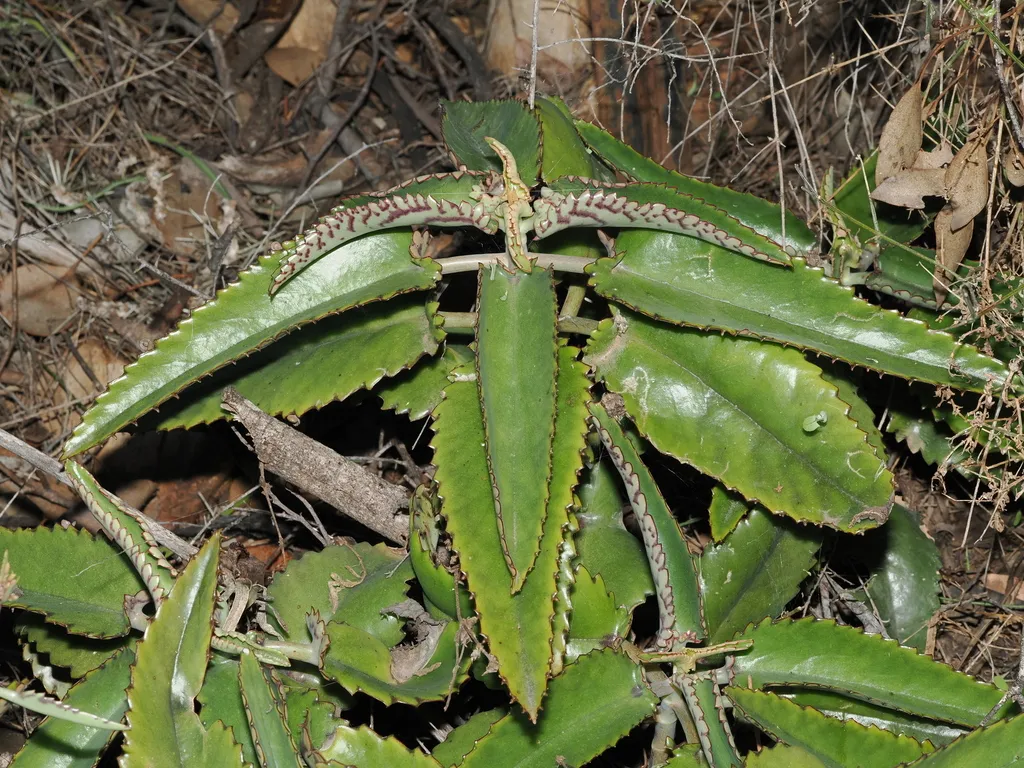
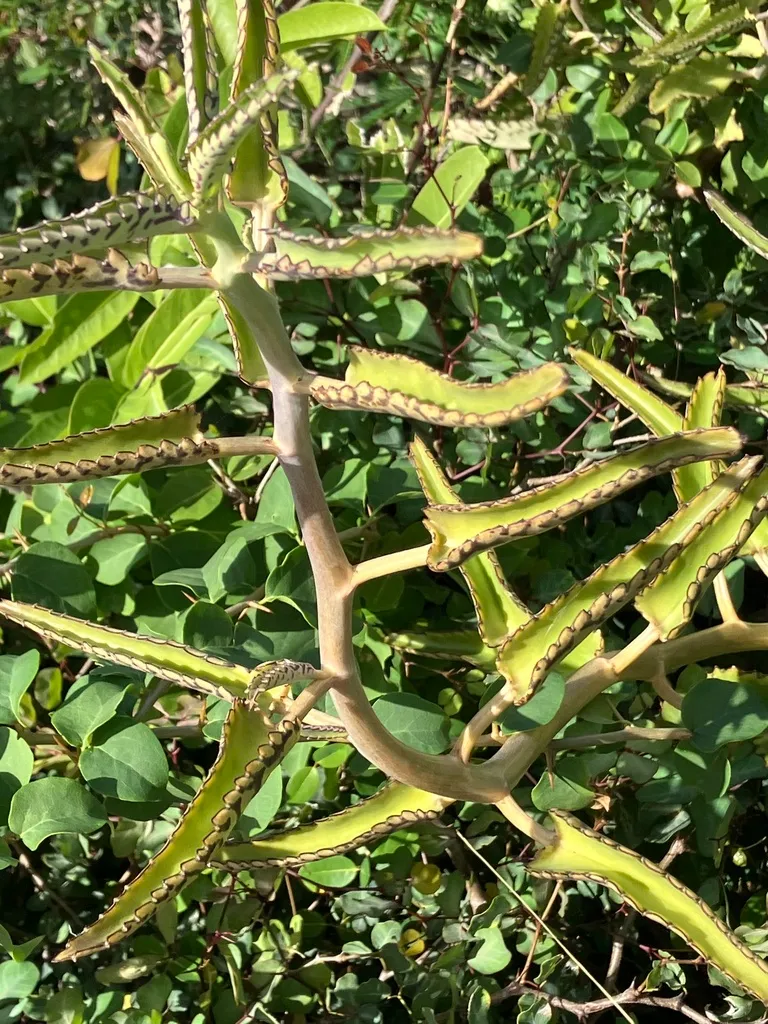
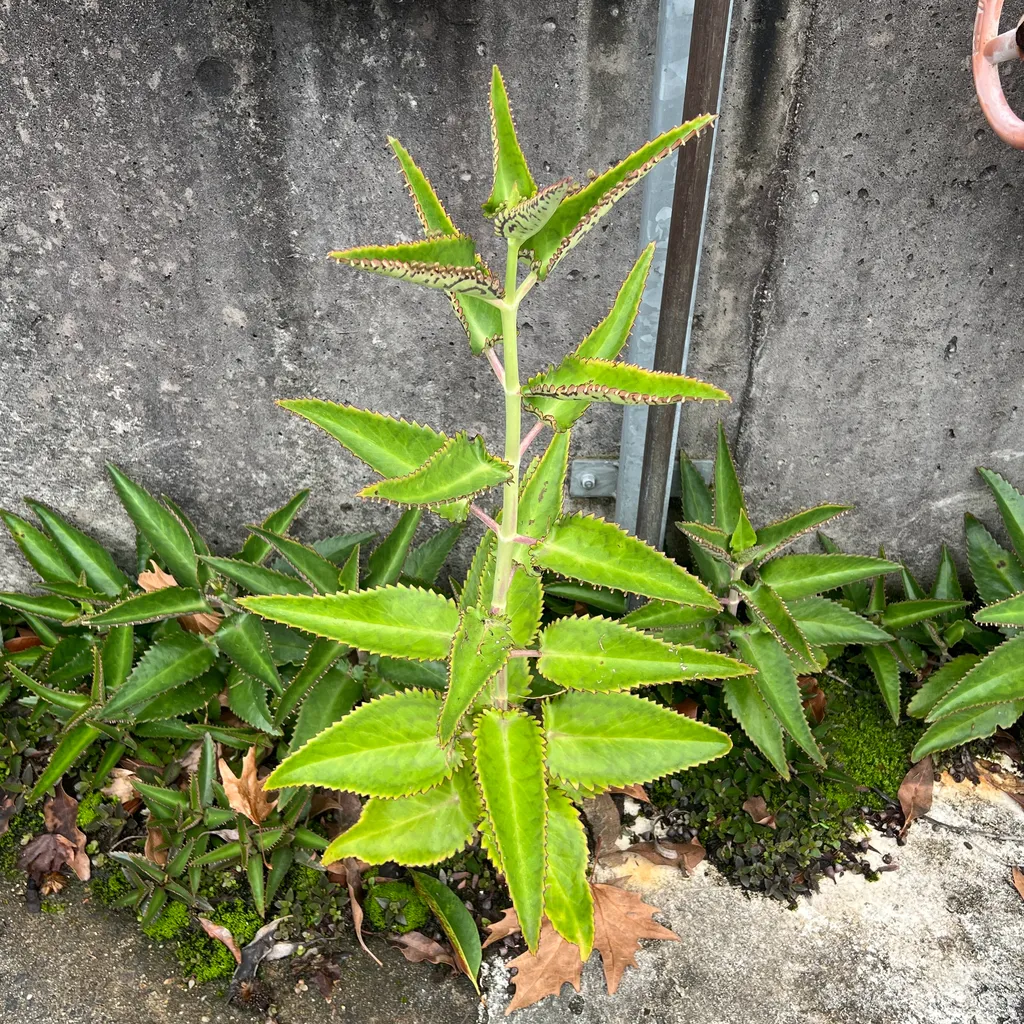
| Care difficulty | 1 / 5 |
|---|---|
| Watering schedule | Water when soil is dry, avoid overwatering |
| Sunlight requirements | Full sun |
| Ideal temperature | 18 – 28 °C |
| Soil type | Loam · Sand |
| Soil pH | Acid · Alkaline · Neutral |
| Soil moisture | Well drained |
| Fertilizing | Monthly during growing season |
| Toxicity | Information to be completed |
How to Water Mexican hat plant?
Mother of thousands thrives in environments that mimic its native arid conditions, displaying a high drought tolerance. In its natural habitat, it endures periods with minimal rainfall by storing water within its succulent leaves. For optimal care, mother of thousands requires watering once every three weeks, allowing the soil to dry out completely between sessions. As an adaptive survivor of harsh climates, mother of thousands is well-suited for indoor cultivation where humidity levels are low. A distinctive feature of this species is its ability to propagate readily through leaflets that fall and root easily – a testament to its resilience and efficient use of water resources.
Learn more →What Are the Sunlight Requirements for Mexican hat plant?
Mother of thousands thrives best under full sun conditions where it receives high light intensity for optimal growth and blooming. However, it can also tolerate partial sun, making it adaptable to less intense light environments. In insufficient light, mother of thousands's growth may slow down, and its flowering potential could be reduced. This succulent is known for its ability to adjust leaf orientation to maximize light absorption. When grown indoors, a bright, sunny windowsill is ideal. Outdoors, mother of thousands should be positioned where it will receive ample sunlight, such as a south-facing garden. Its resilience to different light levels makes it a versatile and hardy plant.
Learn more →What Is the Ideal Temperature Range for Mexican hat plant?

Mother of thousands exhibits remarkable resilience to temperature variations, tolerating cold down to 5°C (41°F) and heat up to 43°C (109°F). Though adaptable, protective measures during extreme conditions are necessary; prolonged exposure below 5°C may cause frost damage, while temperatures above 43°C can lead to scorching. Signs of overcooling include leaf discoloration and wilting, while overheating can cause leaf burn and dehydration. Ensure adequate shelter or insulation in cold climates and provide shade and hydration during heat waves to maintain mother of thousands's health.
Learn more →What Soil Is Best for Mexican hat plant?
Soil is very important for the growth of mother of thousands, which must be loose and ventilated. Generally speaking, the soil is divided into three layers from top to bottom, namely, the top deco layer, the middle planting layer, and the lower hydrophobic layer, which requires different types of soils. The top deco soil is paved on the soil surface for the decoration and fixation of plants. Some can prevent diseases and insect pests. When it's completely dry, it's time to water. There are many types of soil that can be used as top deco soil, such as white pebble, akadama soil, kiryuu sands, kanuma soil, etc. You can select proper ones according to different pots and plants. The middle layer soil can fix plants and provide nutrients for plants to grow. You can buy the configured succulent planting soil directly in store, or buy soil materials to mix by yourself. The common soil formulation for this layer is peat moss : perlite : volcanic rock : vermiculite = 4:2:2:2. The soil of the lower hydrophobic layer is placed at the bottom of the flowerpot or garden pit. It can evacuate the excess water in the succulent root system and prevent the root system from rotting due to water accumulation. The hydrophobic layer can be made of ceramsite, volcanic stone or other large-scale culture media. Coal slag or charcoal are also good choices. If it is planted in the garden, it is necessary to make sure that the bottom drainage layer is in good water permeability.
- Soil type
- Loam · Sand
- Soil pH
- Acid · Alkaline · Neutral
What Are the Moisture Requirements for Mexican hat plant?
Well drained
Learn more →How to Fertilize Mexican hat plant?

For mother of thousands, use a succulent and cacti-specific fertilizer to enhance growth and vitality. Fertilize bi-monthly during the growing season (spring and summer) with diluted concentrations, quarter-strength of recommended dosage. Winter fertilizing should be minimal to allow for a rest period. Over-fertilization can harm mother of thousands, causing root burn or excessive growth that weakens the plant. Gradual fertilization supports healthy leaf development and offsets any potential micronutrient deficiencies. Monitor mother of thousands's response to adjust the regimen as needed.
Learn more →How to Prune Mexican hat plant?

In order to keep beautiful shape, some large succulent plants may need pruning. For example, in California, for echeveria planted in the garden, some redundant branches and branches that are too dense need to be cut off in spring and autumn. This depends on what you think and what the succulent plant is used for. Tools for pruning mainly include knife, scissors, and some medicines (such as sulfur powder). In order to propagate new plants, we can also cut some leaves in spring and autumn for cutting. Stout stems with 5-6 leaves are often selected: cut it off with a knife, then smear the wound with sulfur powder, and plant it after the wound is healed. At this time, it is recommended to use a watering can to slightly wet the soil used for cutting.
Learn more →How to Propagate Mexican hat plant?

Mother of thousands is an exotic succulent acclaimed for its prolific reproduction via plantlets on its leaf edges. These plantlets readily take root in soil once they fall off, establishing independent plants with minimal assistance. For a successful propagation, ensure high humidity and indirect sunlight. A well-draining soil mixture, typically a cactus blend, supports root development. Water sparingly to avoid root rot, which mother of thousands is prone to in overly moist conditions. Handle the delicate plantlets with care during transplantation to maintain their integrity.
Learn more →How to Transplant Mexican hat plant?
The perfect time to transplant mother of thousands is during mid to late spring, or mid to late fall when the weather conditions are ideal. Choose a well-draining location with bright indirect light. Remember to handle mother of thousands gently during the process to minimize stress.
Learn more →How to Care for Mexican hat plant in Winter?

Mother of thousands hails from the arid landscapes of Madagascar, boasting robust adaptations for the dry, cool winter season. Naturally resilient, mother of thousands reduces growth and conserves water during this period. As part of winter care, gardeners should move mother of thousands indoors if temperatures fall below 60°F, reduce watering, and provide ample light to mimic its natural environment.
Learn more →How to Plant Mexican hat plant?
Indoors-potted: Ensure mother of thousands's pot has room for its tiny plantlets, which drop and root with whimsical ease, creating a delightful indoor display. Outdoors-potted: When potted outside, mother of thousands thrives with less fuss, its resilience making it an excellent balcony or patio companion. Outdoors-in the ground: Mother of thousands, while often grown in pots, can spread vigorously if planted in the ground, so monitor growth to prevent unwanted invasions.
Learn more →How to Repot Mexican hat plant?
Repot mother of thousands biennially, considering its rapid growth as a succulent bush. Best repotted in spring to align with its growth cycle. Choose a slightly larger pot with excellent drainage to accommodate its tall, upright shape. Post-repotting, allow the soil to dry between waterings and provide bright, indirect light for robust growth. This straightforward care makes mother of thousands a resilient, yet remarkable houseplant.
Learn more →Common Pests & Diseases

Diseases
Powdery mildews and a rust may be a problem
Pests
May be attacked by mealybugs and aphids
Explore the plant health library →