



Planting and Growing flaming Katy

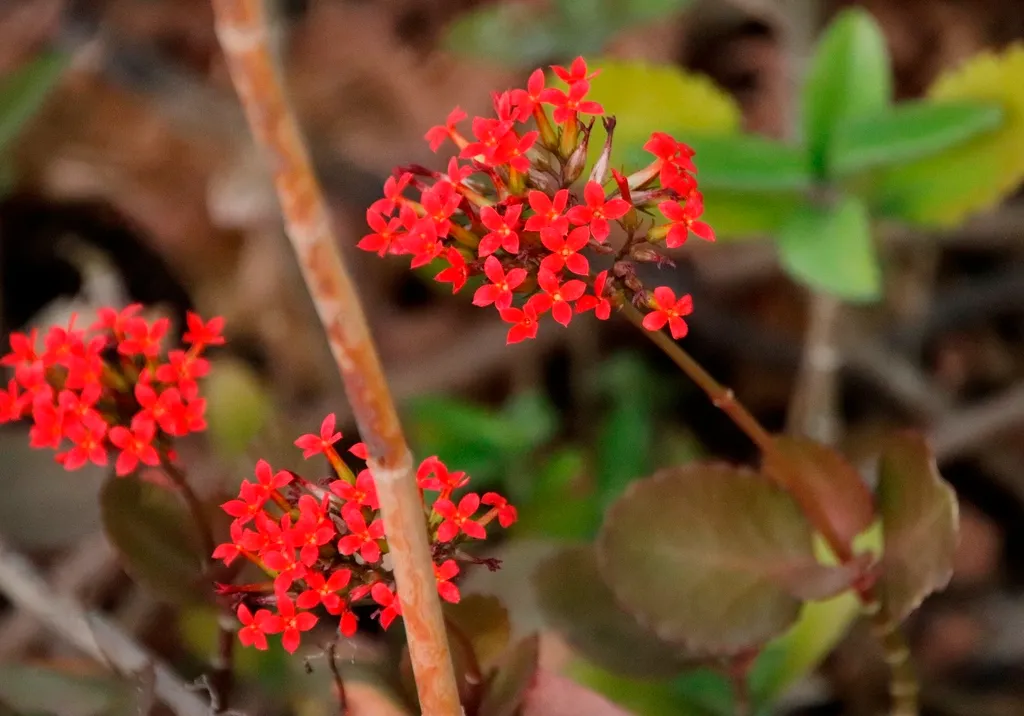
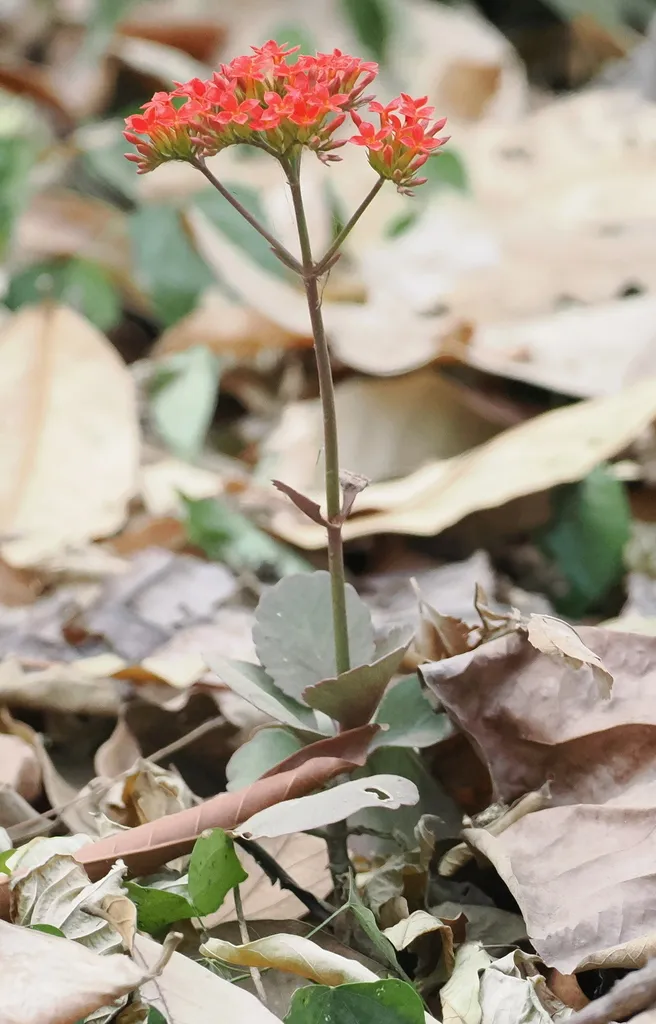
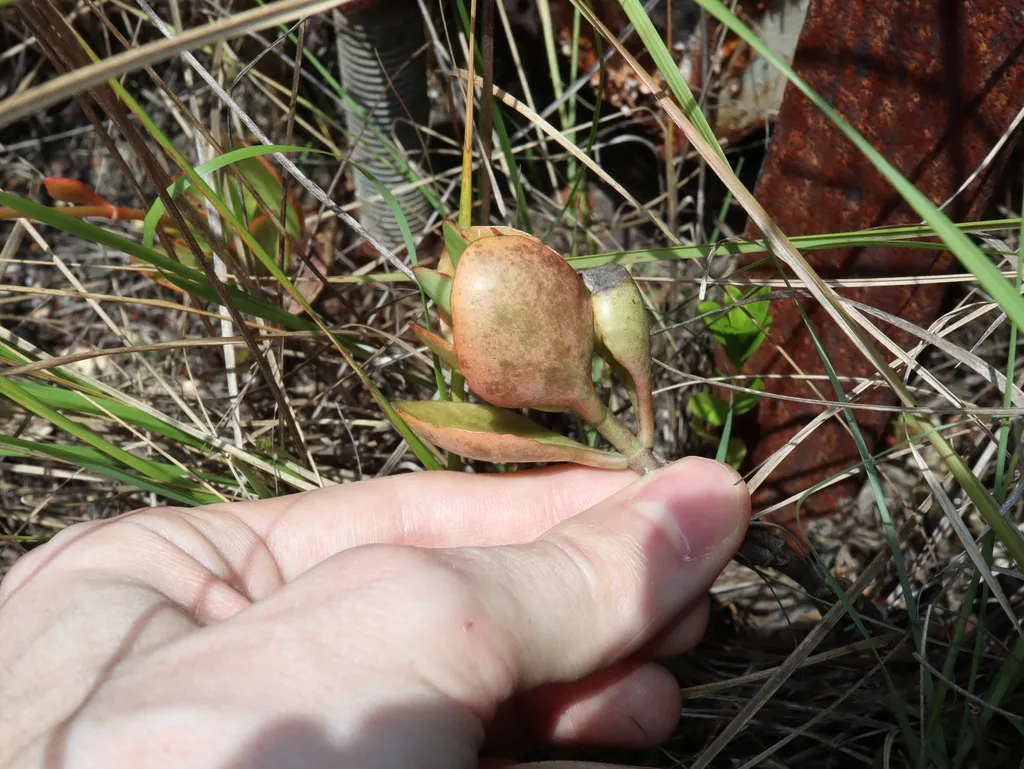
| Care difficulty | 2 / 5 |
|---|---|
| Watering schedule | Water thoroughly when soil is dry to the touch |
| Sunlight requirements | Partial shade |
| Ideal temperature | 18 – 28 °C |
| Soil type | Loam · Sand |
| Soil pH | Acid · Alkaline · Neutral |
| Soil moisture | Moist but well drained · Well drained |
| Fertilizing | Monthly during growing season |
| Toxicity | Information to be completed |
How to Water flaming Katy?
Thriving in its native Madagascar's arid conditions, florist kalanchoe has adapted to store water efficiently, making it quite drought-tolerant. These succulents prefer a dry environment and require minimal watering, ideally once every three weeks to maintain their health. Florist kalanchoe is an evergreen plant that retains its leaves throughout the year. Typically grown indoors due to its sensitivity to cold, florist kalanchoe's water needs are low, with overwatering being more detrimental than under-watering.
Learn more →What Are the Sunlight Requirements for flaming Katy?
Florist kalanchoe thrives in conditions of partial sunlight, ideal for robust growth and optimal flowering. While the plant tolerates full sun, this might lead to leaf scorch, albeit enhancing bloom vibrancy. In full shade, florist kalanchoe's development is inhibited, with potential detrimental impacts on its overall health and flowering potential. Indoors, florist kalanchoe prefers bright, indirect light near windows. Outdoors, it flourishes in regions with dappled sunlight, protected from intense midday rays. The plant exhibits leaf color intensification as a response to the light environment, optimizing light absorption and contributing to its adaptability in various light conditions.
Learn more →What Is the Ideal Temperature Range for flaming Katy?

Florist kalanchoe, known for its temperature resilience, can endure a range from 5℃ (41℉) to 43℃ (109℉). Despite this robustness, florist kalanchoe is sensitive to prolonged cold spells and extreme heat. Under cold conditions, it may exhibit stunted growth and leaf discoloration, while excessive heat can cause wilting and leaf burn. To care for florist kalanchoe, avoid exposing it to temperatures outside its tolerance range by providing insulation during cold weather and adequate shade and hydration during heat waves. This adaptability makes florist kalanchoe suitable for diverse environments, but attention to extreme weather is crucial for its optimal health.
Learn more →What Soil Is Best for flaming Katy?
Soil is very important for the growth of florist kalanchoe, which must be loose and ventilated. Generally speaking, the soil is divided into three layers from top to bottom, namely, the top deco layer, the middle planting layer, and the lower hydrophobic layer, which requires different types of soils. The top deco soil is paved on the soil surface for the decoration and fixation of plants. Some can prevent diseases and insect pests. When it's completely dry, it's time to water. There are many types of soil that can be used as top deco soil, such as white pebble, akadama soil, kiryuu sands, kanuma soil, etc. You can select proper ones according to different pots and plants. The middle layer soil can fix plants and provide nutrients for plants to grow. You can buy the configured succulent planting soil directly in store, or buy soil materials to mix by yourself. The common soil formulation for this layer is peat moss : perlite : volcanic rock : vermiculite = 4:2:2:2. The soil of the lower hydrophobic layer is placed at the bottom of the flowerpot or garden pit. It can evacuate the excess water in the succulent root system and prevent the root system from rotting due to water accumulation. The hydrophobic layer can be made of ceramsite, volcanic stone or other large-scale culture media. Coal slag or charcoal are also good choices. If it is planted in the garden, it is necessary to make sure that the bottom drainage layer is in good water permeability.
- Soil type
- Loam · Sand
- Soil pH
- Acid · Alkaline · Neutral
What Are the Moisture Requirements for flaming Katy?
Moist but well drained · Well drained
Learn more →How to Fertilize flaming Katy?

For optimal care, fertilize florist kalanchoe once every 3-4 weeks with a succulent-specific food during the active growing season. This bolstering will encourage bright blooms and robust growth, enhancing the plant's vigor. Apply at quarter strength, as overfertilization can be harmful. In winter, suspend feeding to allow florist kalanchoe to rest. Remember to water florist kalanchoe before fertilizing to avoid root burn. By tailoring the feeding regimen to the plant's lifecycle and seasons, gardeners will ensure florist kalanchoe thrives.
Learn more →How to Prune flaming Katy?

In order to keep beautiful shape, some large succulent plants may need pruning. For example, in California, for echeveria planted in the garden, some redundant branches and branches that are too dense need to be cut off in spring and autumn. This depends on what you think and what the succulent plant is used for. Tools for pruning mainly include knife, scissors, and some medicines (such as sulfur powder). In order to propagate new plants, we can also cut some leaves in spring and autumn for cutting. Stout stems with 5-6 leaves are often selected: cut it off with a knife, then smear the wound with sulfur powder, and plant it after the wound is healed. At this time, it is recommended to use a watering can to slightly wet the soil used for cutting.
Learn more →How to Propagate flaming Katy?

A succulent perennial, florist kalanchoe is known for vibrant flowers and fleshy leaves. For effective propagation, use healthy stem cuttings, ensuring they include a few leaf nodes. Allow the cut end to dry slightly to form a callus before planting in moist, well-draining soil. Indirect sunlight encourages roots within a few weeks. To enhance rooting, a warm environment and a light touch with water are beneficial. Rooting hormone can hasten the process, though florist kalanchoe readily roots without it.
Learn more →How to Transplant flaming Katy?
Transplanting florist kalanchoe thrives during mid-spring to late spring, or mid-fall to late fall, as these seasons offer stable temperatures and ample moisture. Choose a well-drained location with bright, indirect sunlight. Remember, a gentle touch during transplanting helps protect delicate root systems.
Learn more →How to Care for flaming Katy in Winter?

Florist kalanchoe hails from the warm climate of Madagascar, making it well-suited to indoor growing. With winter temperature dips, it retreats into a low-growth state, reducing water intake and preserving resources. However, it's crucial to protect florist kalanchoe from drafts, ensure it gets softer winter sun, and maintain reduced watering during colder months. Its vibrant blooms can be prolonged by providing a rest period under cooler, darker conditions.
Learn more →How to Plant flaming Katy?
Indoors-potted: In an indoor setting, florist kalanchoe thrives with bright ambient light and consistent temperatures; perfect for adding a splash of everlasting color to any room. Outdoors-potted: When potted outdoors, florist kalanchoe enjoys a sheltered spot that mimics its native habitat; just be mindful of rainfall as it prefers drier conditions. Outdoors-in the ground: Florist kalanchoe is not typically suited for direct planting in colder regions due to its frost sensitivity; choose a warm, protected area or consider seasonal potting.
Learn more →How to Repot flaming Katy?
Repot florist kalanchoe biennially, ideally in spring to align with its growth cycle. This robust, bushy succulent thrives in a larger pot with drainage holes to accommodate its root system. After repotting, place florist kalanchoe in bright, indirect light and resume regular watering once the soil is dry to encourage recovery and budding.
Learn more →Common Pests & Diseases

Diseases
Generally disease free
Pests
Can get mealybugs and vine weevil
Explore the plant health library →Troubleshooting
Soft, Yellowing Lower Leaves and Stem Rot
Kalanchoe blossfeldiana (flaming Katy) is a succulent perennial that stores water in its thick, scalloped leaves. Yellowing, mushy foliage or blackened stem bases point to excess water or cool, damp conditions.
| What you notice | Possible explanation | What to check next |
|---|---|---|
| Lower leaves turn yellow, translucent, or mushy and detach easily while potting mix stays damp | Overwatering or poorly draining potting mix | Stop watering immediately, empty standing water from the saucer, and check the stem base for soft dark rot. |
| White powdery coating appears on leaves or stems in humid, stagnant air | Powdery mildew | Improve air circulation, avoid wetting the foliage, and isolate the plant from other succulents. |
- Allow the potting mix to dry out thoroughly between waterings, then water the soil directly without wetting the leaves and drain excess water completely.
- Use a well-draining cactus/succulent potting mix in a container with open drainage holes.
- If basal stem rot occurs, cut healthy upper stem tips well above any blackened tissue, let the cuts dry for 2 to 3 days to callous, and root them in well-draining mix.
- Provide good air movement and bright light to discourage fungal issues.
Kalanchoe species contain cardiac glycosides (bufadienolides) and are toxic to cats, dogs, and birds if ingested.
Leggy Stems or Failure to Rebloom After Purchase
Like poinsettias and holiday cacti, Kalanchoe blossfeldiana is a short-day plant that needs bright daytime light and long, uninterrupted autumn/winter nights to set new flower buds.
| What you notice | Possible explanation | What to check next |
|---|---|---|
| Stems stretch tall and spindly with wide gaps between smaller leaves | Insufficient daytime light | Move the plant to a brighter window receiving several hours of direct or very bright filtered sun. |
| Plant grows healthy green foliage after its initial blooms fade but never forms new flower clusters | Evening indoor lights interrupting the required 12 to 14 hours of darkness | Check whether room lamps or streetlights shine on the plant at night. |
- Deadhead spent flower clusters down to the nearest pair of leaves once blooming finishes, and trim back overly leggy stems in spring to encourage compact branching.
- Place in a bright sunny window (east, west, or lightly filtered south) during active growth.
- To trigger a new bloom cycle, provide 12 to 14 hours of complete, uninterrupted darkness every night for about 6 weeks alongside bright daytime light and moderate temperatures around 15°C to 21°C (60°F to 70°F).
Avoid heavy nitrogen fertilizers, which encourage leafy growth at the expense of flowers.