



Planting and Growing American pokeweed

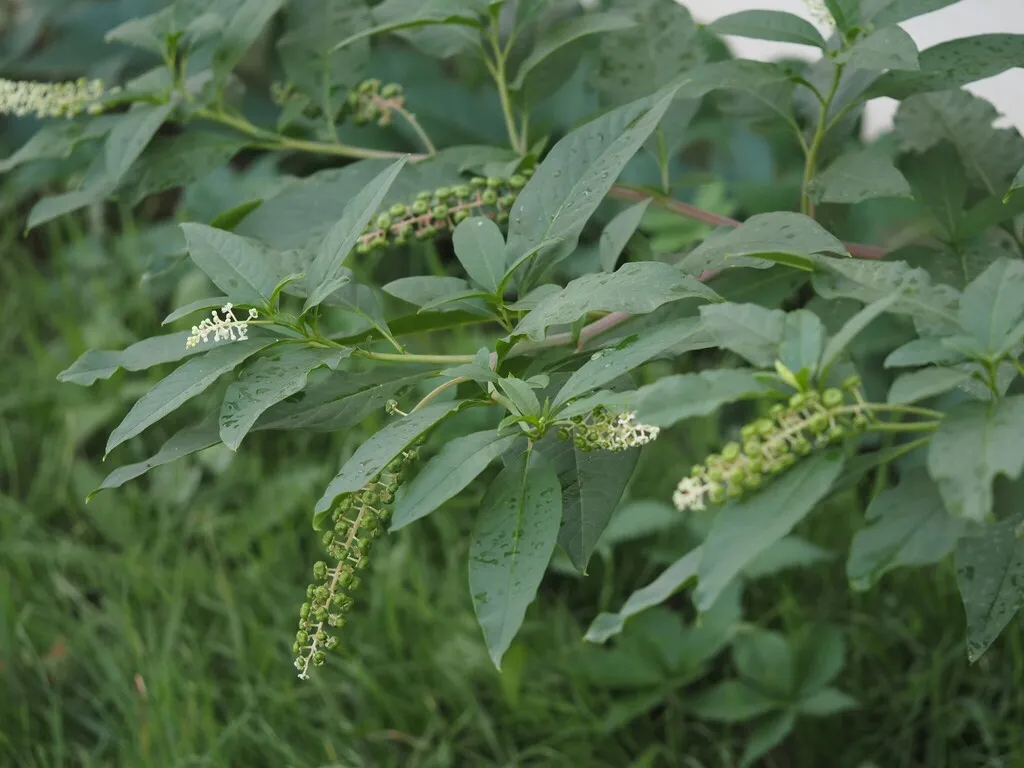
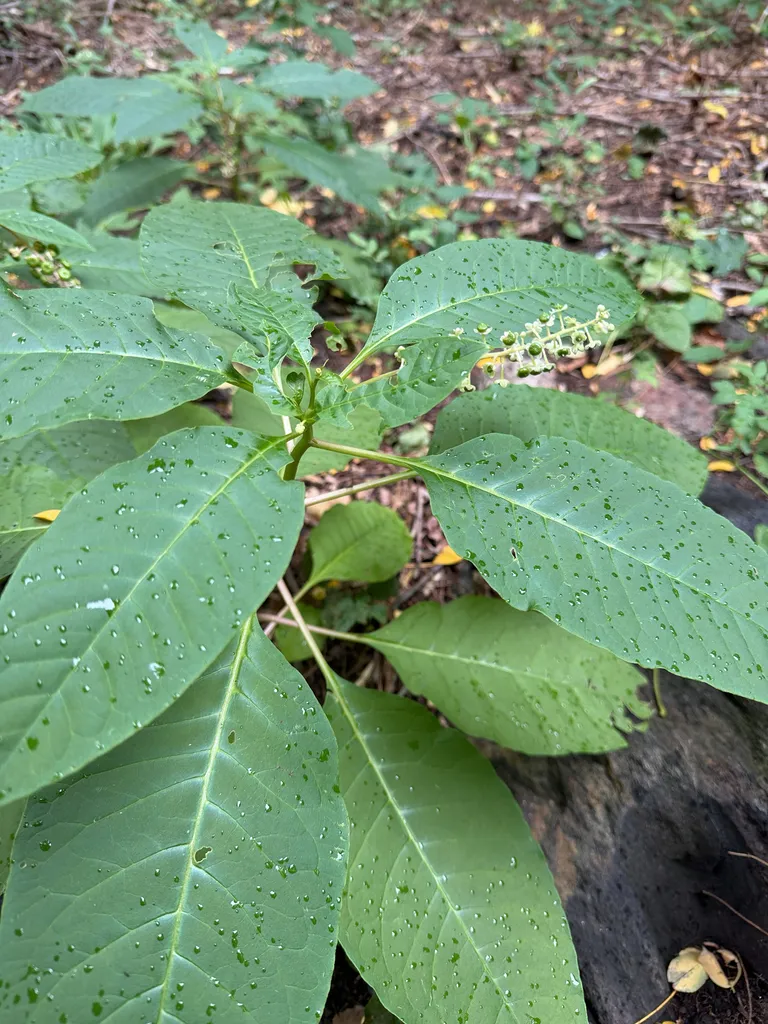
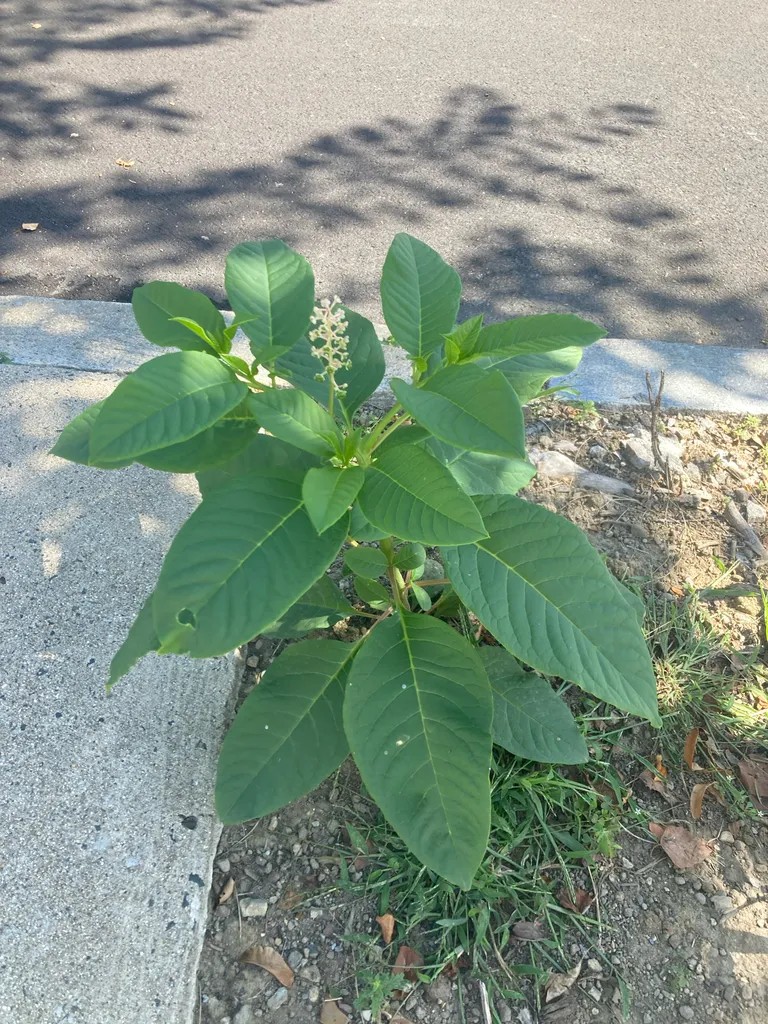
| Care difficulty | 1 / 5 |
|---|---|
| Watering schedule | Moderate regular watering, allowing brief slight drying between soakings |
| Sunlight requirements | Full sun · Partial shade |
| Ideal temperature | 15 – 25 °C |
| Soil type | Clay · Loam |
| Soil pH | Acid · Alkaline · Neutral |
| Soil moisture | Moist but well drained |
| Fertilizing | Balanced perennial feed every four weeks from spring through summer |
| Toxicity | TOXIC if eaten. Wear gloves and other protective equipment when handling |
How to Water American pokeweed?
Thriving in its native environment of moist, fertile soils, pokeweed exhibits a preference for consistent moisture. Adapted to the humidity and periodic rainfall of its habitat, it maintains a balance between drought tolerance and moisture reliance. The ideal watering regimen for pokeweed is once every week to sustain its hydration needs without over-saturation. As an herbaceous perennial, pokeweed is more commonly grown outdoors where it can capitalize on natural rain patterns, particularly during its active growing season when water demands are heightened.
Learn more →What Are the Sunlight Requirements for American pokeweed?
Pokeweed thrives best in full sun conditions, where it can receive unfiltered sunlight for the majority of the day. Its tolerance for partial sun means that while it can adapt to less intense light, deviations from full sun can lead to reduced vigor and less robust growth. In terms of adaptive traits, pokeweed is capable of adjusting its foliage orientation to maximize light absorption, which directly impacts its photosynthetic efficiency and health. For outdoor planting, pokeweed should be positioned in open areas where daylight is abundant. Despite its tolerance, prolonged shade could hinder pokeweed's capability to flourish, impacting its overall development.
Learn more →What Is the Ideal Temperature Range for American pokeweed?

Pokeweed is a hardy plant, tolerating temperatures as low as -15°C (5°F) and as high as 41°C (106°F). This resilience makes it suitable for diverse environments, though protection is crucial during extreme weather. In cold conditions, pokeweed may exhibit stunted growth or blackened foliage, while excessive heat can cause wilting or leaf scorch. To safeguard pokeweed, mulch and frost blankets can mitigate cold impacts, and shade or increased watering can alleviate heat stress. Understanding these tolerance limits ensures better care and thriving growth for pokeweed.
Learn more →What Soil Is Best for American pokeweed?
- Soil type
- Clay · Loam
- Soil pH
- Acid · Alkaline · Neutral
What Are the Moisture Requirements for American pokeweed?
Moist but well drained
Learn more →How to Fertilize American pokeweed?

Balanced perennial feed every four weeks from spring through summer
Learn more →How to Prune American pokeweed?

No pruning required
Learn more →How to Propagate American pokeweed?

Pokeweed can be propagated during its ideal season, Spring, through the preferred method of sowing. This plant has moderate propagation difficulty, and successful propagation is marked by new growth and strong, healthy shoots. To enhance propagation success, maintain consistent moisture after sowing.
Learn more →How to Transplant American pokeweed?
The perfect time to transplant pokeweed is from late spring to midsummer, as this ensures optimal growth and establishment. Choose a sunny or partly shaded location with well-draining soil. Carefully handle the roots to minimize stress and promote a successful transplantation.
Learn more →How to Plant American pokeweed?
Grow in any fertile moist soil in sun or partial shade
Learn more →How to Repot American pokeweed?
Growing pokeweed in a pot with nutrient-rich soil helps to keep the plant's taproot in check.
Learn more →Common Pests & Diseases

Diseases
May be susceptible to virus diseases
Pests
Generally pest-free
Explore the plant health library →The Toxicity of American pokeweed
TOXIC if eaten. Wear gloves and other protective equipment when handling