
American pokeweed
Also known as: American nightshade; cancer jalap; chon grass; coakum; cokan; crimson-berry plant; crowberry; dyer's grapes; garget; inkberry; pigeon berry; poke; poke root; poke salad; pokeberry; pokeweed; red ink plant; red weed; scoke; skoke; Virginian poke; Virginian pokeweed
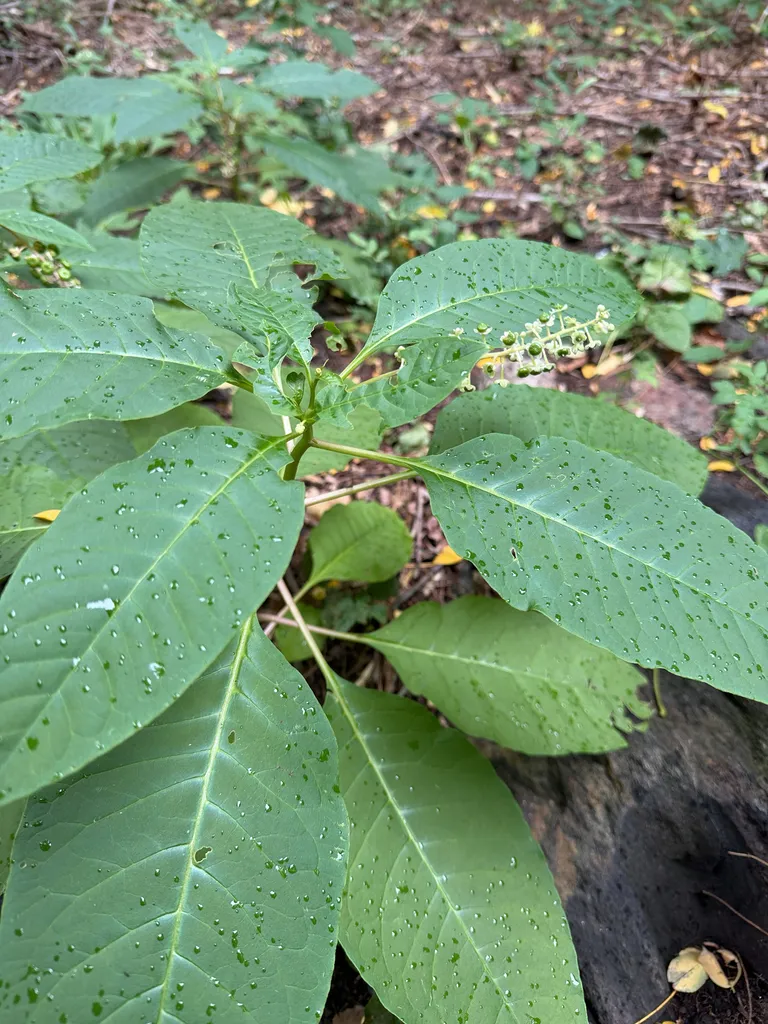
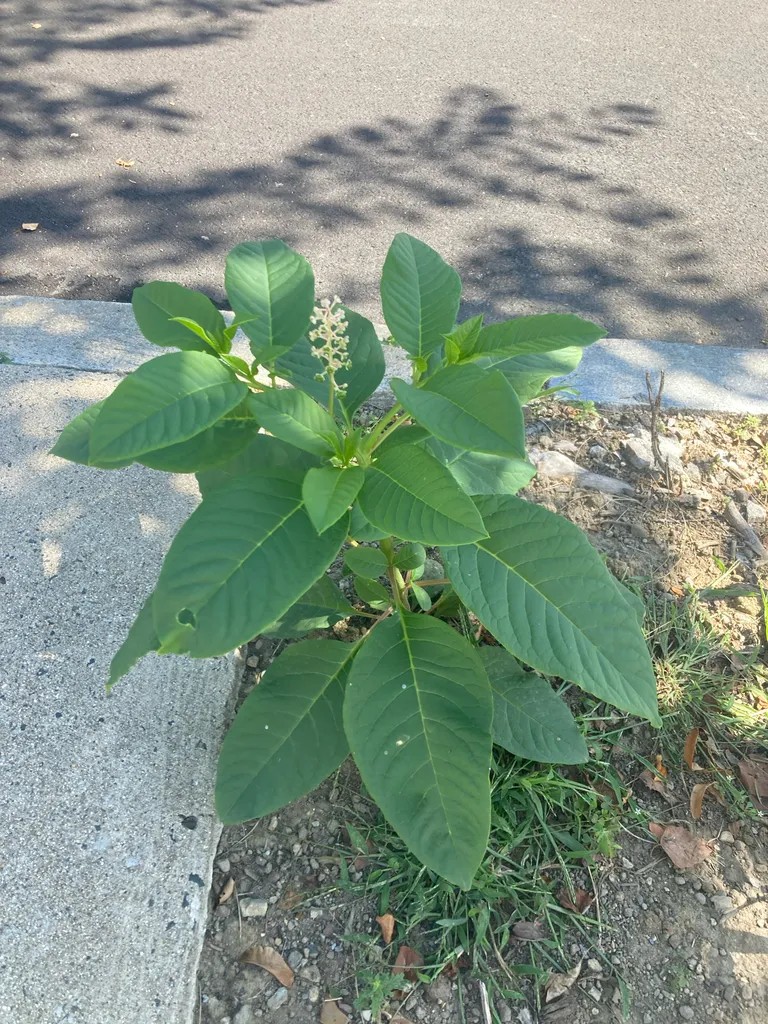
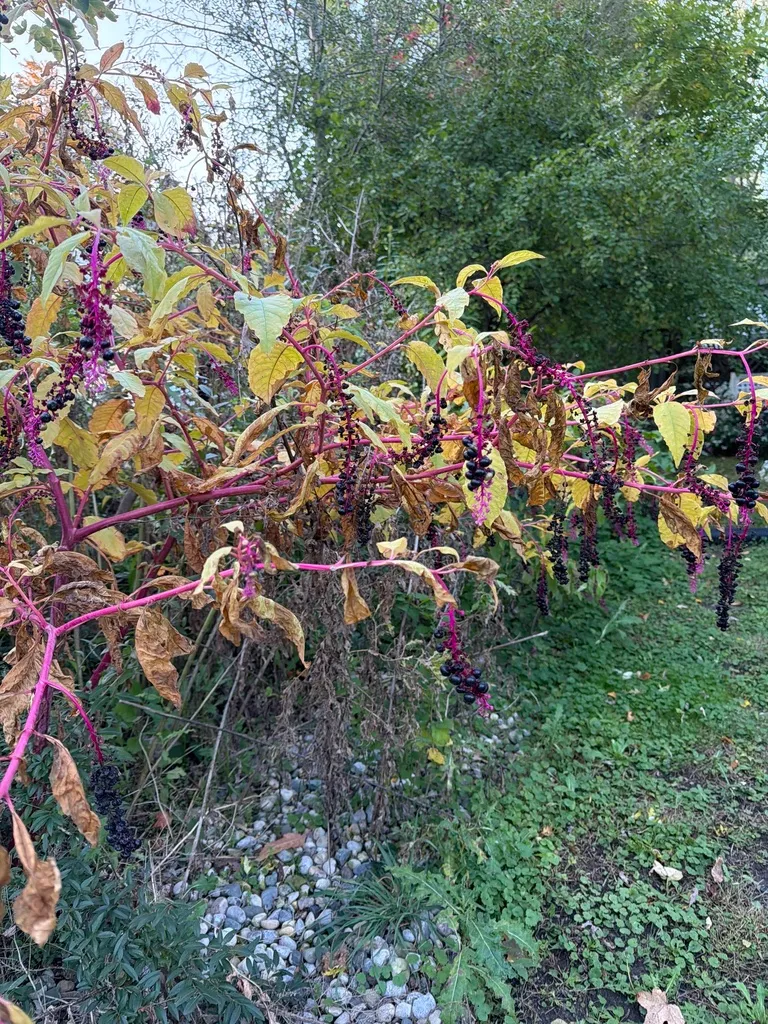
P. americana is an upright herbaceous perennial with oval or lance-shaped mid-green leaves, tinged with purple in autumn. White-pink flowers appear in racemes from mid-summer to early autumn, followed by crimson-black berries in autumn
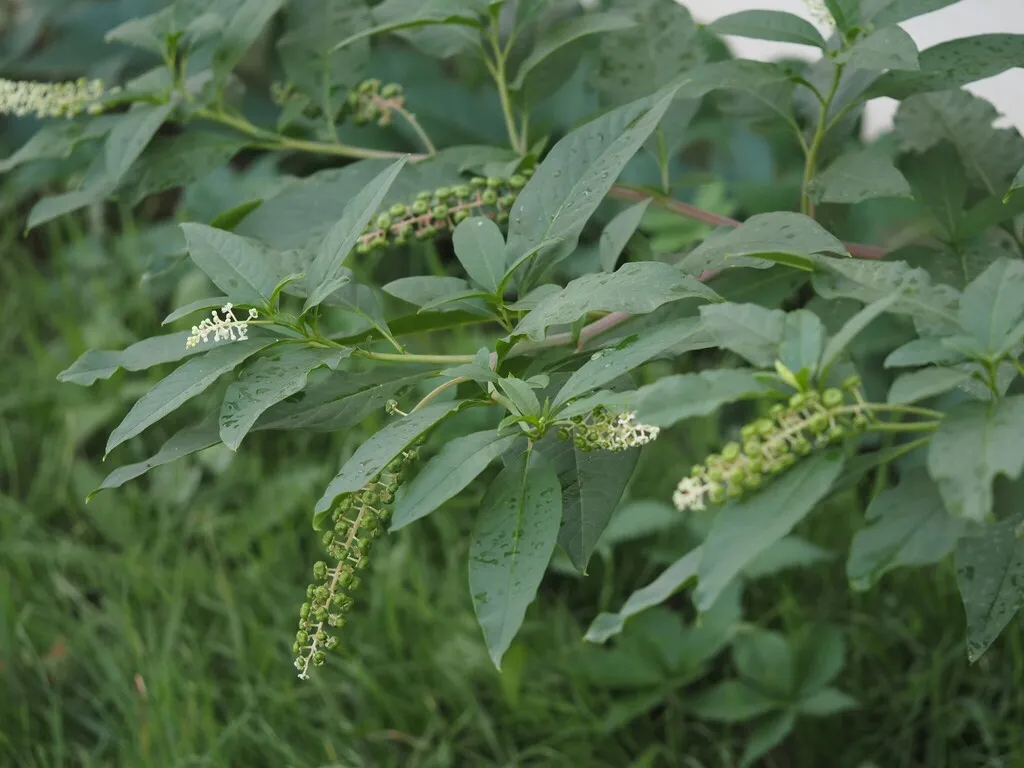
Scientific classification
- Species
- American pokeweed (Phytolacca americana)
- Genus
- Phytolacca
- Family
- Phytolaccaceae
- TOXIC if eaten. Wear gloves and other protective equipment when handling
- Toxicity
- Herbaceous Perennial
- Plant type
- 2.5-4 metres
- Height
- 1-1.5 metres
- Spread
- Deciduous
- Foliage
- Columnar upright
- Habit
- Autumn · Spring · Summer
- Season of interest
- Full sun · Partial shade
- Sunlight
- 15 – 25 °C
- Ideal temperature









American pokeweed pictures
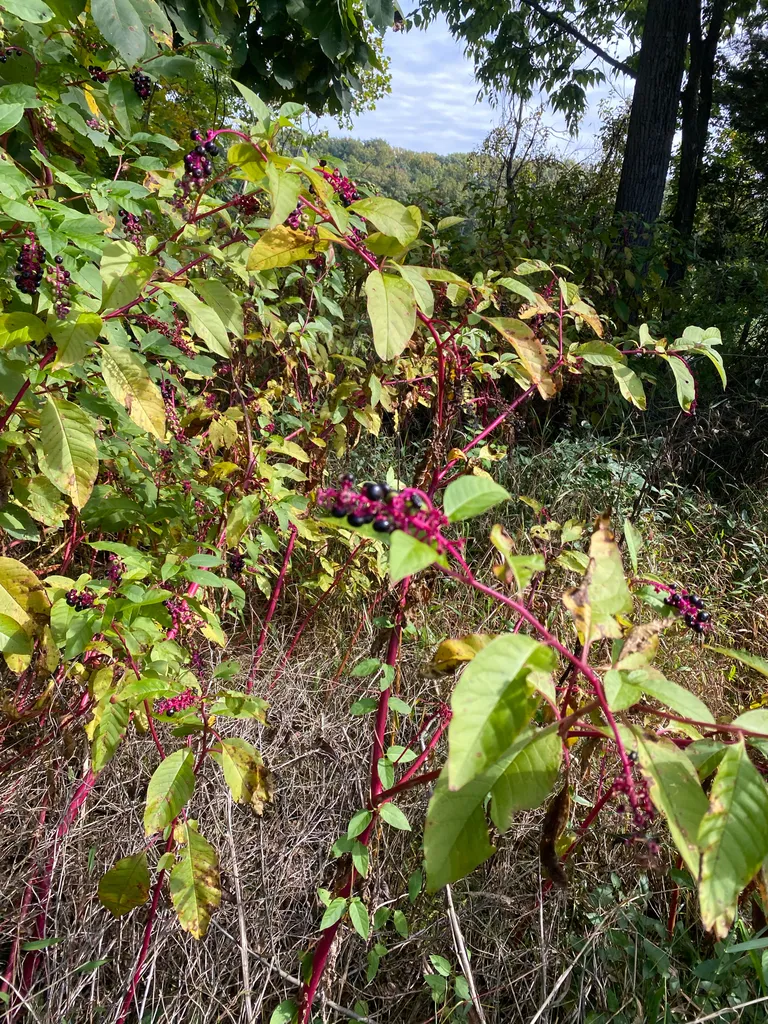
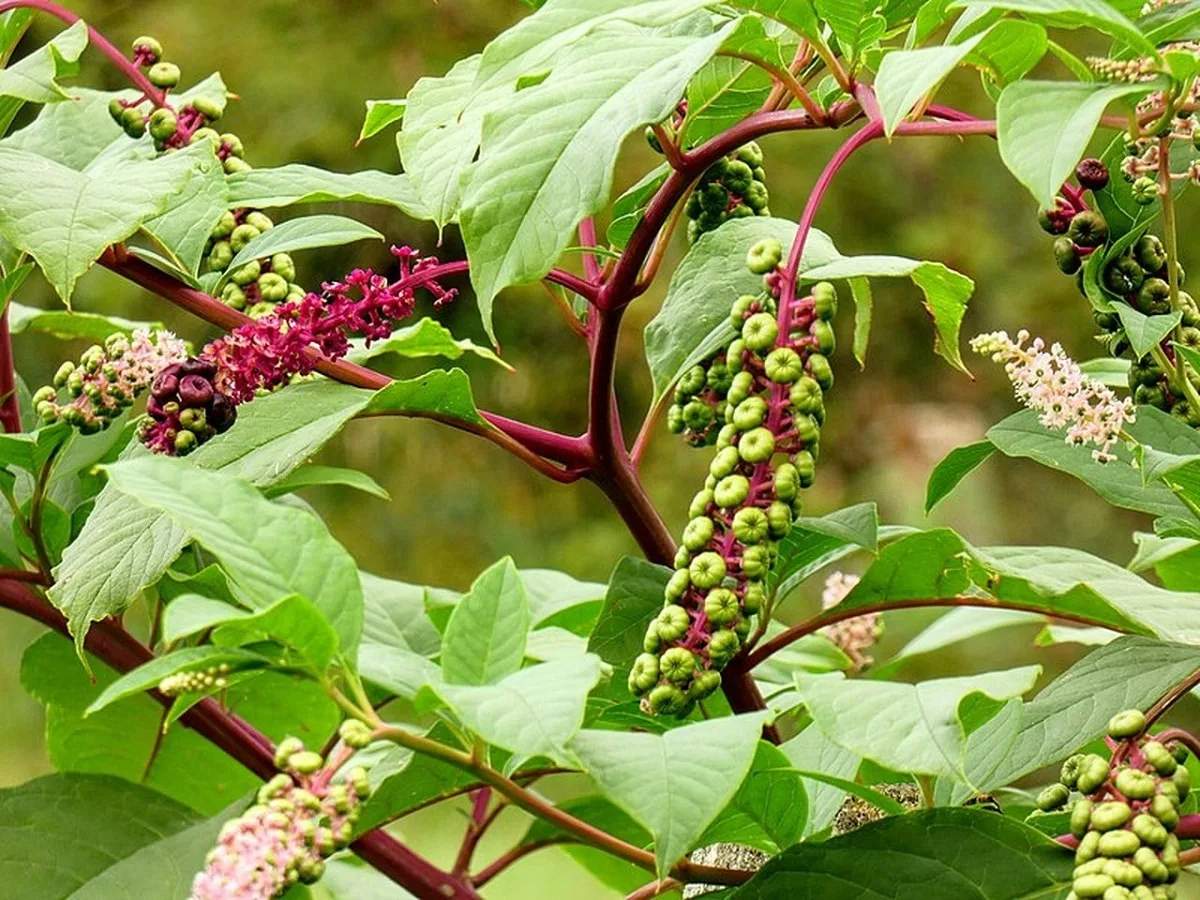
Distribution of American pokeweed
Distribution map
- Native
- Introduced
- Cultivated
Source:WCVP v16 · Royal Botanic Gardens, Kew · CC BY 3.0 · Boundaries:WGSRPD / TDWG
Culture
Information to be completed
Toxicity
TOXIC if eaten. Wear gloves and other protective equipment when handling
Quick identification of American pokeweed
Information to be completed
American pokeweed care guide
- Moderate regular watering, allowing brief slight drying between soakings
- Watering
- Full sun · Partial shade
- Sunlight
- 15 – 25 °C
- Ideal temperature

Watering
Moderate regular watering, allowing brief slight drying between soakings
Fertilizing
 Fertilizing
Balanced perennial feed every four weeks from spring through summer
Pruning
 Pruning
No pruning required
Propagation
 Propagation
Propagate by seed in early spring
Growing
 Growing
Grow in any fertile moist soil in sun or partial shade
People also ask
Information to be completed
Common pests and diseases
Diseases
May be susceptible to virus diseases
Pests
Generally pest-free
Explore the plant health library →




