
cut-leaved coneflower
Also known as: thimbleweed
R. laciniata is a rhizomatous perennial that bears yellow daisy-shaped flowerheads in late summer. With central green discs and drooping yellow petals they are held on tall wiry stems above deeply-divided foliage
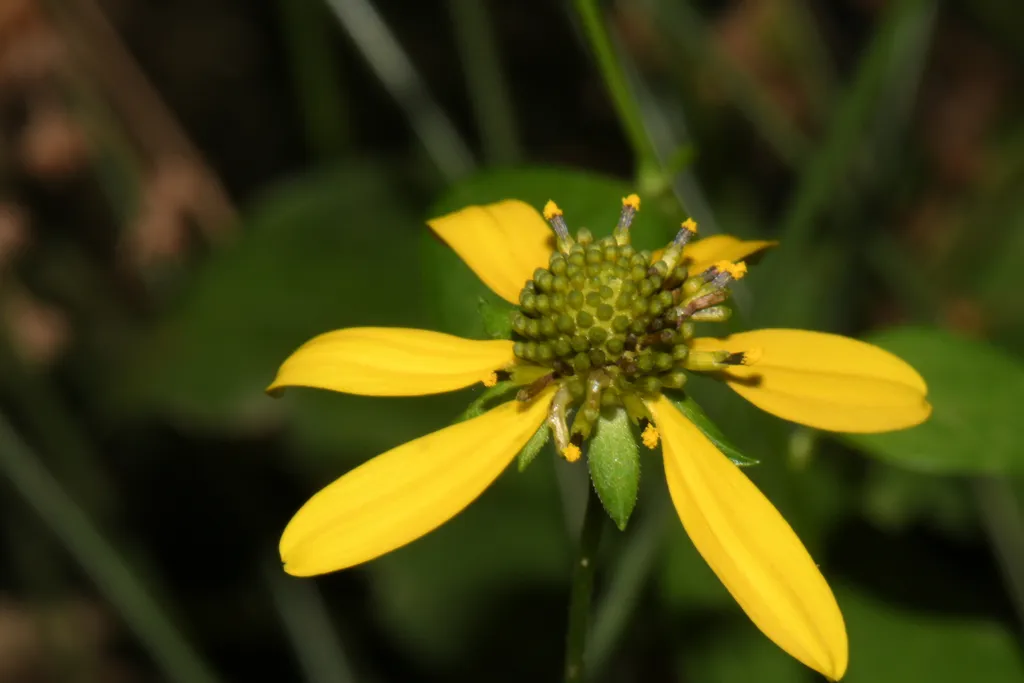
Scientific classification
- Species
- cut-leaved coneflower (Rudbeckia laciniata)
- Genus
- Rudbeckia
- Family
- Asteraceae
- Order
- Asterales
- Class
- Magnoliopsida
- Phylum
- Magnoliophyta
- Information to be completed
- Toxicity
- Herbaceous Perennial
- Plant type
- 1.5-2.5 metres
- Height
- 1.5-2.5 metres
- Spread
- Deciduous
- Foliage
- Columnar upright
- Habit
- Spring · Summer
- Season of interest
- Full sun
- Sunlight
- 15 – 25 °C
- Ideal temperature









cut-leaved coneflower pictures
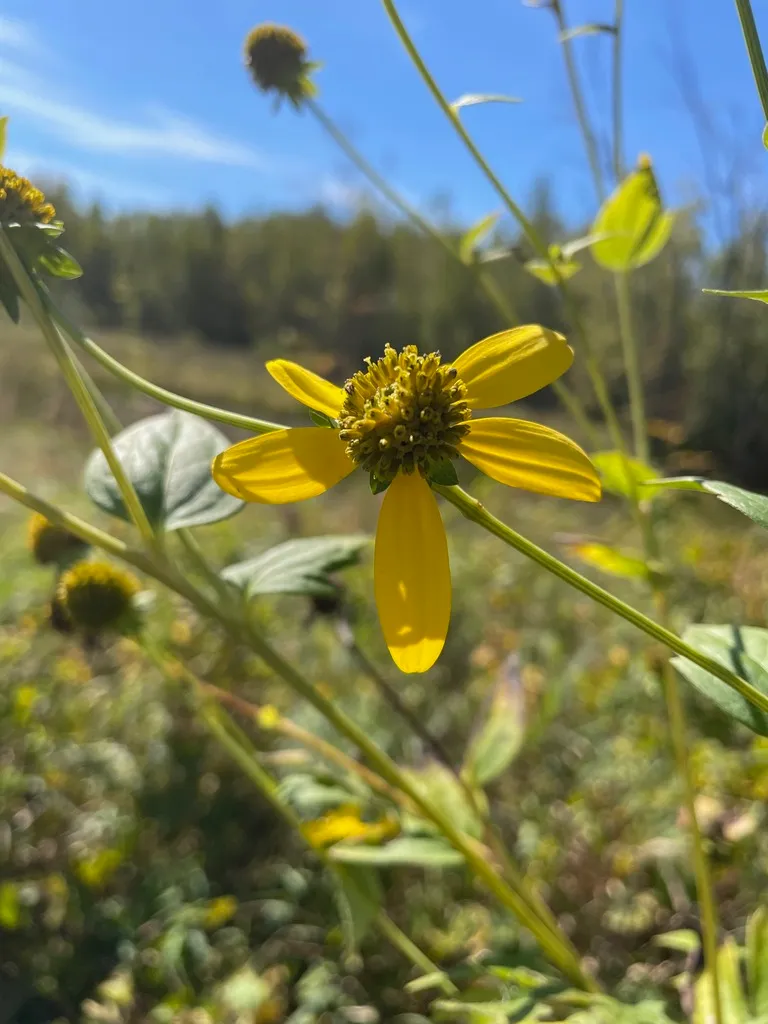
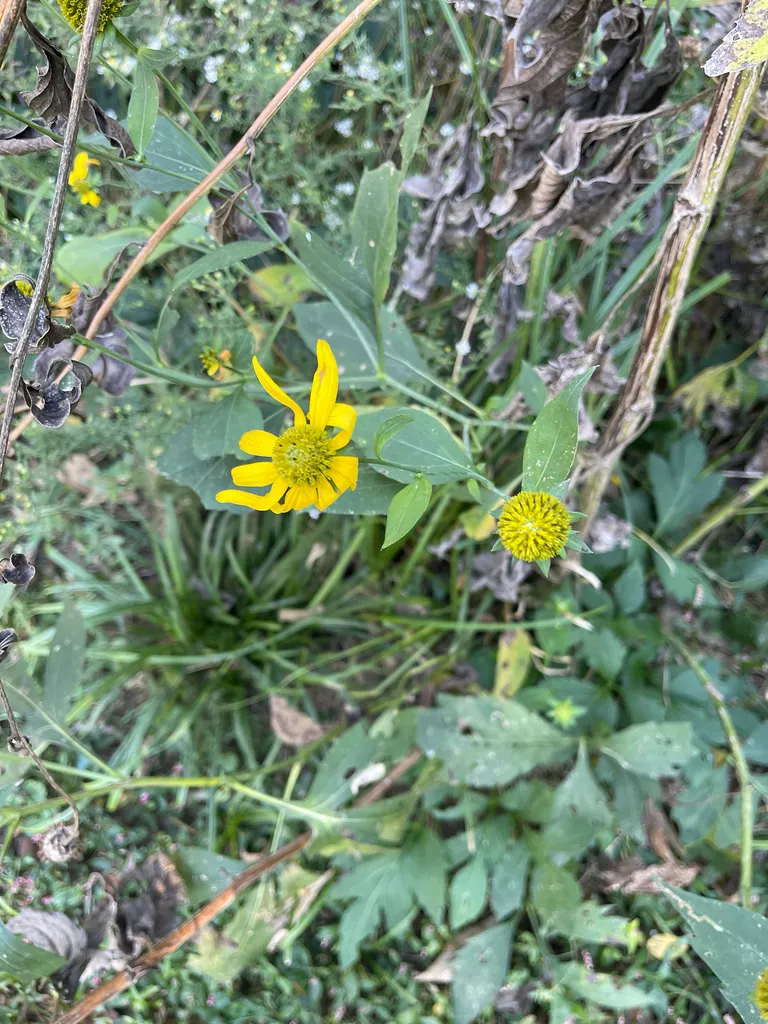
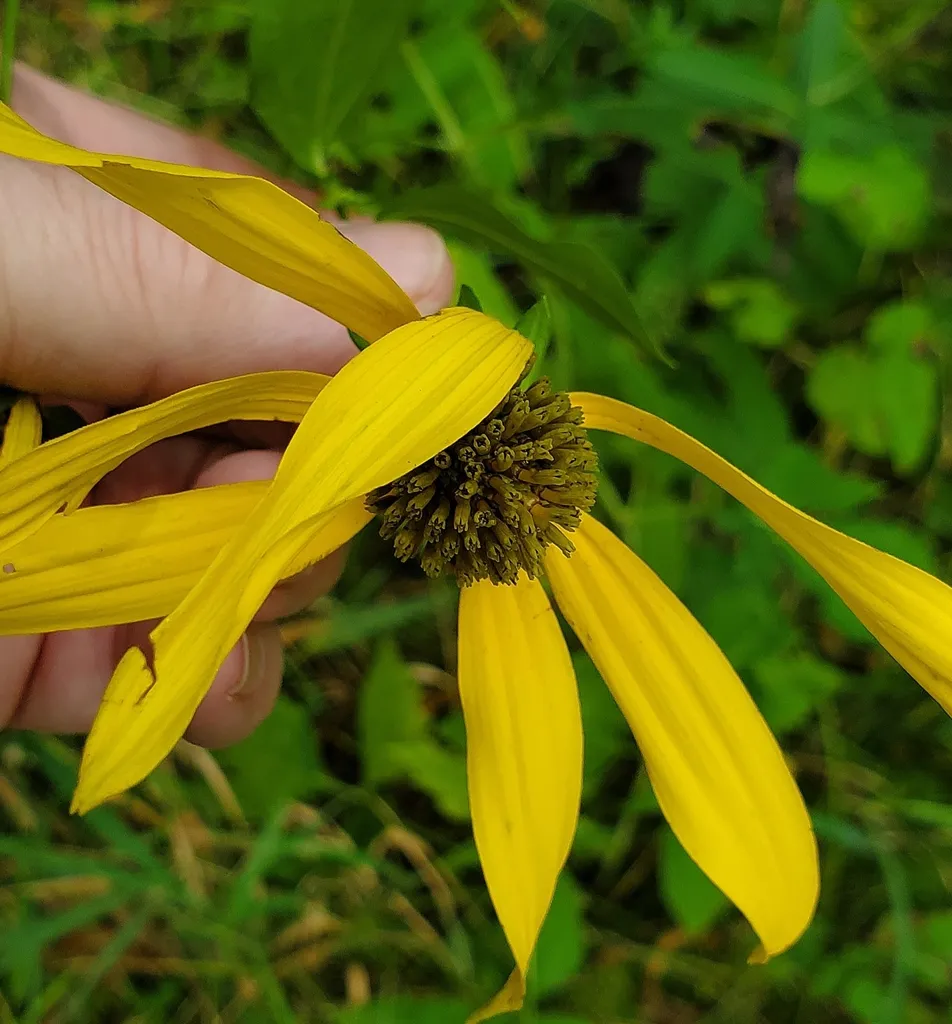
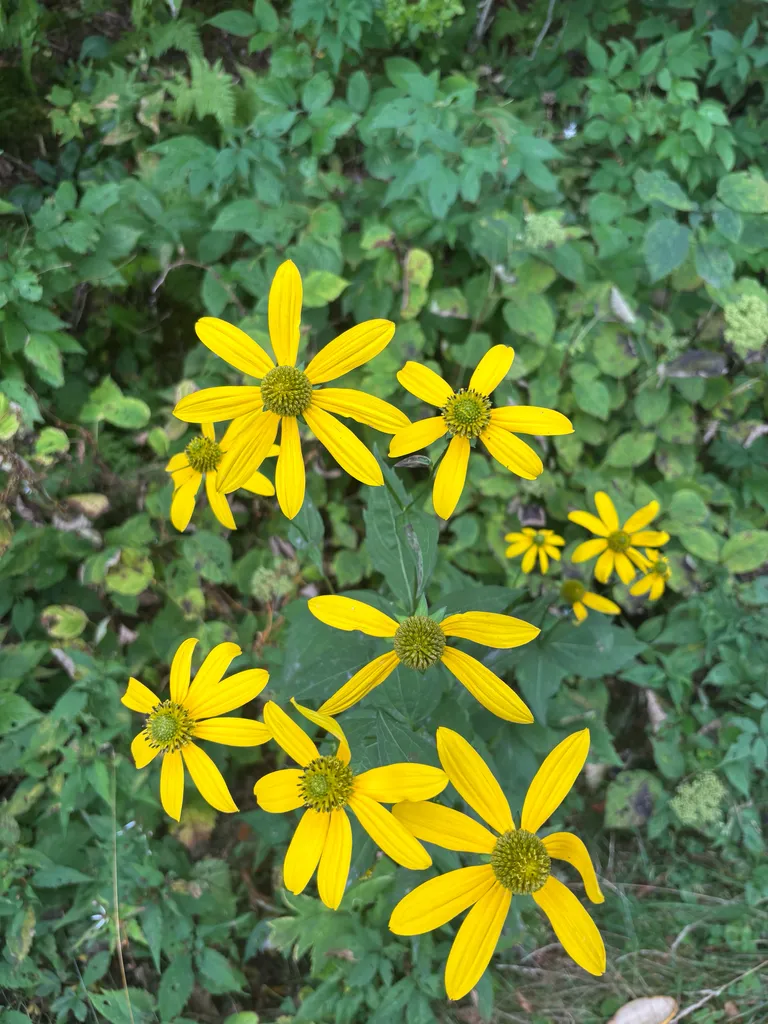
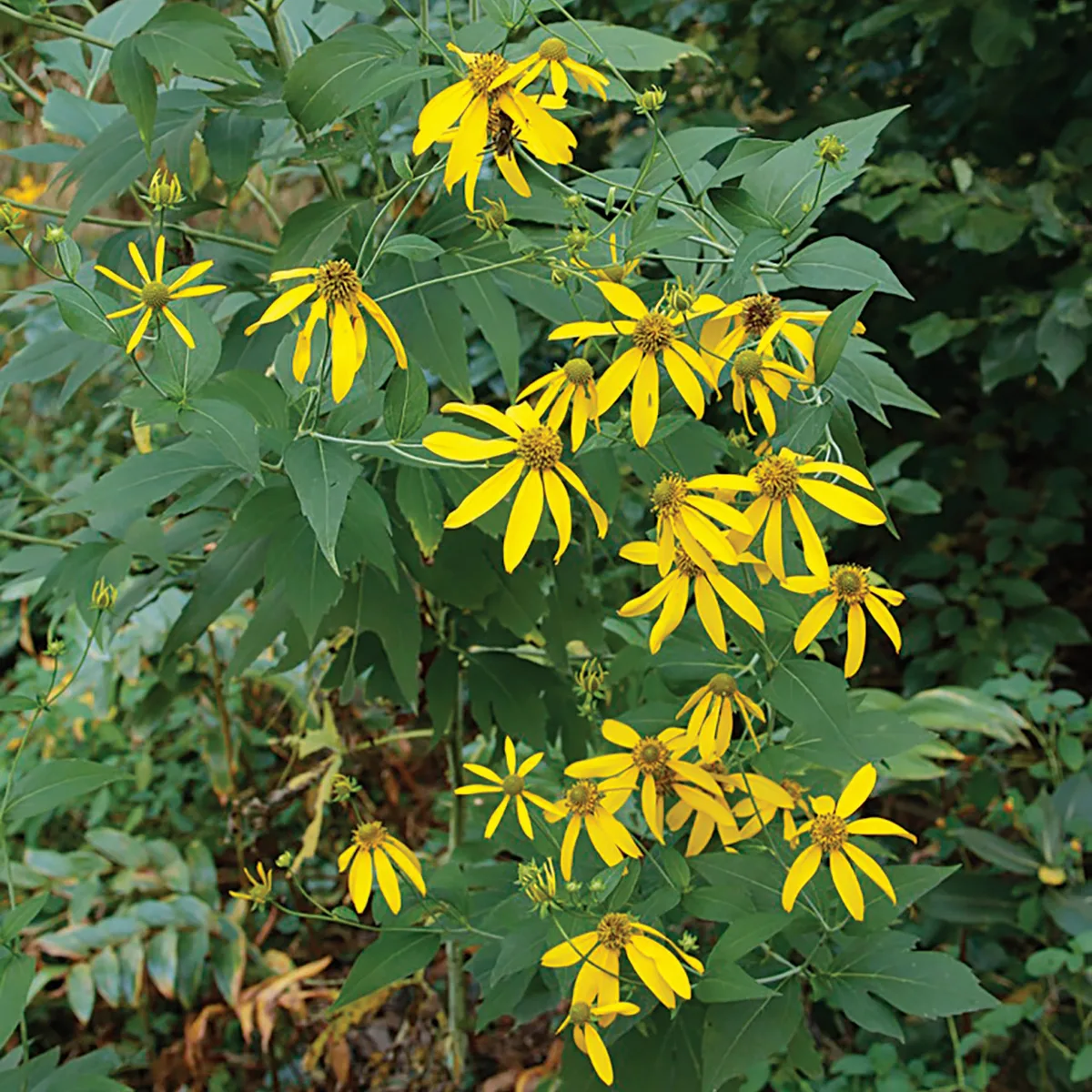
Distribution of cut-leaved coneflower
Distribution map
- Native
- Introduced
- Cultivated
Source:WCVP v16 · Royal Botanic Gardens, Kew · CC BY 3.0 · Boundaries:WGSRPD / TDWG
cut-leaved coneflower care guide
- Moderate regular watering, avoid prolonged drought and stagnant waterlogging
- Watering
- Full sun
- Sunlight
- 15 – 25 °C
- Ideal temperature

Watering
Moderate regular watering, avoid prolonged drought and stagnant waterlogging
Fertilizing
 Fertilizing
Balanced perennial feed every four weeks spring through summer growth
Pruning
 Pruning
Cut back in autumn
Propagation
 Propagation
Divide plants by separating rhizomes in spring or late autumn
Growing
 Growing
Suitable for larger gardens. Spreading rhizomes means it can have invasive tendencies
Common pests and diseases
Diseases
Generally trouble-free
Pests
Generally trouble-free
Explore the plant health library →




