
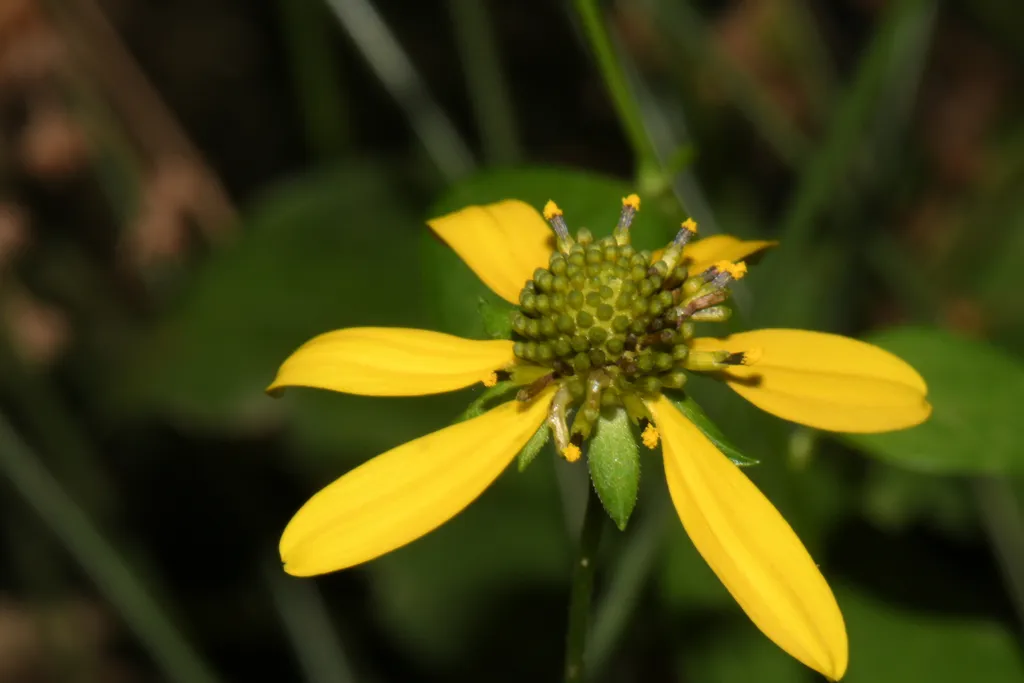



cut-leaved coneflower

cut-leaved coneflower · Soil

cut-leaved coneflower · Rudbeckia laciniata
Also known as: thimbleweed

Cutleaf coneflower is a robust perennial with a high tolerance for various conditions, making it an easy plant to care for. Key care points include ensuring adequate sunlight and moist, well-drained soil. Special care should be given to spacing, as cutleaf coneflower can grow quite large and may require division every few years to maintain vigor and prevent excessive spreading.

Watering: Moderate regular watering, avoid prolonged drought and stagnant waterloggingSunlight: Full sunInformation to be completed

What Soil Is Best for cut-leaved coneflower?

Cutleaf coneflower thrives in various soil types typically found in its native habitats, such as loam, clay, sand, and chalky soils. These soils range from acidic to alkaline pH (6.0-7.5), which supports optimal nutrient absorption and health. Native compositions beneficial for cutleaf coneflower include a mix of organic matter and good drainage. A recommended soil mix involves combining garden soil with organic compost in a 2:1 ratio. Ensure adequate drainage by incorporating perlite or sand. Additional amendments like balanced slow-release fertilizers can be applied in spring. Proper soil conditions prevent water-logging and promote vigorous growth.

Soil type
Clay · Loam
Soil pH
Acid · Alkaline · Neutral
PlantCare

Your Ultimate Guide to Plants

Identify, grow and nurture the better way!

PlantCare plant identification and care illustration
PlantCare

Botanist in your pocket

Scan to download PlantCareDownload on the App Store

Scan the QR code with your phone camera to download the app