



Planting and Growing Snake Plant

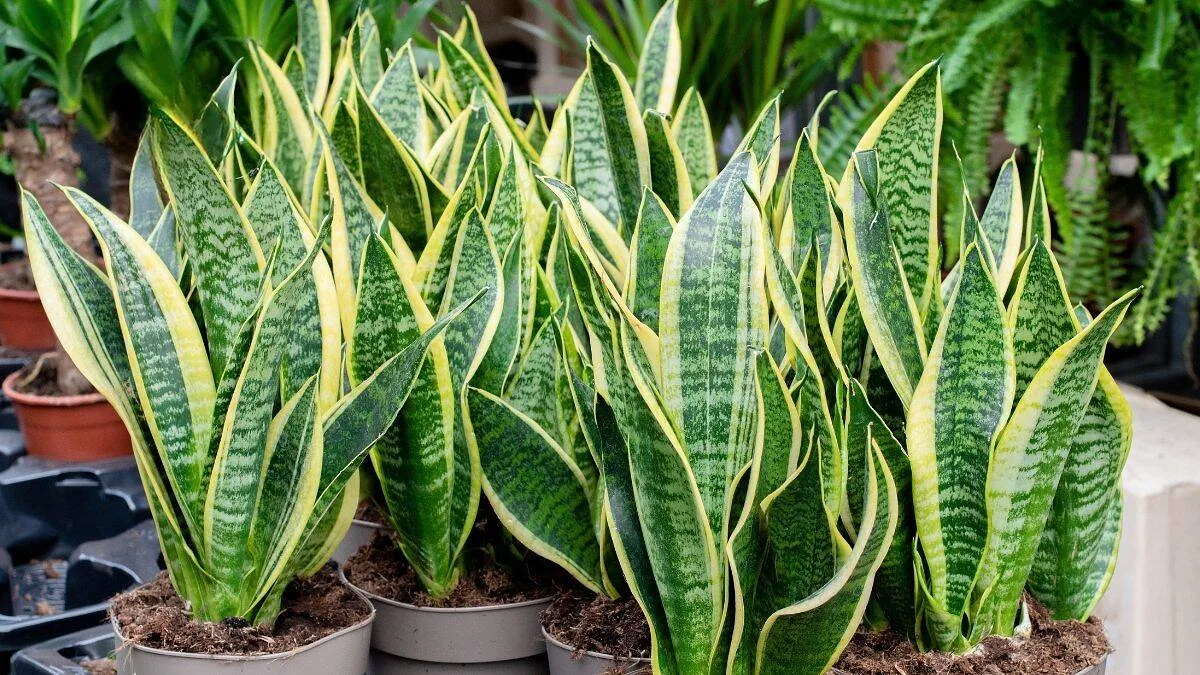
| Care difficulty | 1 / 5 |
|---|---|
| Watering schedule | Allow soil to dry completely between waterings |
| Sunlight requirements | Bright indirect light · Partial shade |
| Ideal temperature | 18 – 27 °C |
| Soil type | Loam · Sand |
| Soil pH | Neutral · Acid |
| Soil moisture | Dry between watering · Well-drained |
| Fertilizing | Monthly during growing season |
| Toxicity | Toxic to humans and pets if ingested; leaves contain saponins that may cause nausea, vomiting, and diarrhea. |
How to Water Snake Plant?
Allow soil to dry completely between waterings
Learn more →What Are the Sunlight Requirements for Snake Plant?
Bright indirect light · Partial shade
Learn more →What Is the Ideal Temperature Range for Snake Plant?

18 – 27 °C
Learn more →What Soil Is Best for Snake Plant?
- Soil type
- Loam · Sand
- Soil pH
- Neutral · Acid
What Are the Moisture Requirements for Snake Plant?
Dry between watering · Well-drained
Learn more →How to Fertilize Snake Plant?

Monthly during growing season
Learn more →How to Prune Snake Plant?

Remove any yellowed or damaged leaves at the base using clean secateurs. Cut off spent flower stalks after blooming. Pruning is rarely needed except to maintain tidy appearance.
Learn more →How to Propagate Snake Plant?

Divide clumps in spring or early summer when repotting – separate rooted offsets and pot individually. Alternatively, leaf cuttings: cut a healthy leaf into 5–8 cm sections, insert upright in moist sandy compost, and keep at 20–25°C (68–77°F) in bright indirect light until roots develop (4–8 weeks).
Learn more →How to Plant Snake Plant?
Grow in well-drained potting mix (loam-based or cactus compost) in bright, indirect light; tolerates lower light but growth slows. Water sparingly, allowing the soil to dry completely between waterings – overwatering causes root rot. Fertilize monthly during the growing season (spring to summer) with a balanced liquid fertilizer at half strength. Keep temperatures above 10°C (50°F) – avoid cold drafts. Reduce watering in winter.
Learn more →Common Pests & Diseases

Diseases
Susceptible to root rot and crown rot if overwatered; fungal leaf spots may occur in poor ventilation. Ensure good drainage and avoid wetting foliage to minimize risk.
Pests
Mealybugs, spider mites, and scale insects can infest plants, especially when air is dry. Wipe leaves occasionally and treat infestations with insecticidal soap or neem oil.
Explore the plant health library →Troubleshooting
Soft, Mushy, or Yellowing Leaves at the Base
Dracaena trifasciata (snake plant, formerly Sansevieria trifasciata) stores water in thick succulent leaves and rhizomes, making excess moisture and cold temperatures the primary causes of basal rot.
| What you notice | Possible explanation | What to check next |
|---|---|---|
| Leaves feel soft, water-soaked, or yellow near the soil line and lean or collapse easily | Overwatering, poorly draining soil, or rhizome and root rot | Check whether the potting mix is wet or compacted and unpot the plant to inspect the rhizome and roots. |
| Water was poured directly into the center of the leaf rosette and the inner base turns mushy | Crown rot from trapped water in the rosette center | Inspect the center of the cluster for trapped moisture or soft tissue. |
| Soft, collapsed patches appear after exposure to chilly air or a cold windowpane | Cold injury below 10°C (50°F) combined with damp soil | Check nighttime room temperature and move the pot away from cold drafts. |
- Remove the plant from its pot and gently shake off wet potting mix to inspect the roots and underground rhizomes.
- Cut away any brown, mushy, or foul-smelling tissue using clean, sterilized blades, and allow cut surfaces to callous in a dry, shaded spot.
- Repot into a snug container with drainage holes using a fast-draining cactus or succulent potting mix.
- Hold off on watering briefly after repotting, then water only when the mix has dried completely all the way through.
Always water the soil around the base rather than pouring water into the center of the leaf rosette.
Wear gloves when cutting or repotting, as the sap can irritate skin and leaves are toxic if ingested by pets.
Wrinkled, Leaning, or Pale Stretched Leaves
Dry wrinkles and weak, leaning growth point to opposite moisture and light issues—check soil dryness and leaf firmness before adjusting care.
| What you notice | Possible explanation | What to check next |
|---|---|---|
| Leaves look shriveled, wrinkled, or inward-curling in very dry potting mix | Prolonged underwatering, especially in warm, bright conditions | Confirm the potting mix is completely dry throughout the pot before giving a thorough soak. |
| New leaves grow tall, narrow, pale, or floppy with faded banding | Insufficient light causing stretched growth | Evaluate light levels and move the plant gradually closer to a bright window. |
| Dry, bleached tan scars appear shortly after moving into strong sunlight | Sudden sunburn from unacclimated direct sun | Shift the plant out of harsh afternoon sun into bright, filtered light. |
- If the mix is bone-dry and leaves are wrinkled, water thoroughly until water drains out the bottom, then empty the saucer.
- Place the plant in bright, indirect light (or gentle morning sun) to support upright, sturdy foliage.
- Use a heavy pot, such as terracotta, if tall leaves make a lightweight plastic pot top-heavy.
- Inspect leaf bases and crevices for cottony mealybugs or fine spider mite webbing in warm, dry rooms.
Existing wrinkles may plump slightly after watering, but sunburned or creased scars are permanent.
The Toxicity of Snake Plant
Toxic to humans and pets if ingested; leaves contain saponins that may cause nausea, vomiting, and diarrhea.