



Planting and Growing Philodendron xanadu

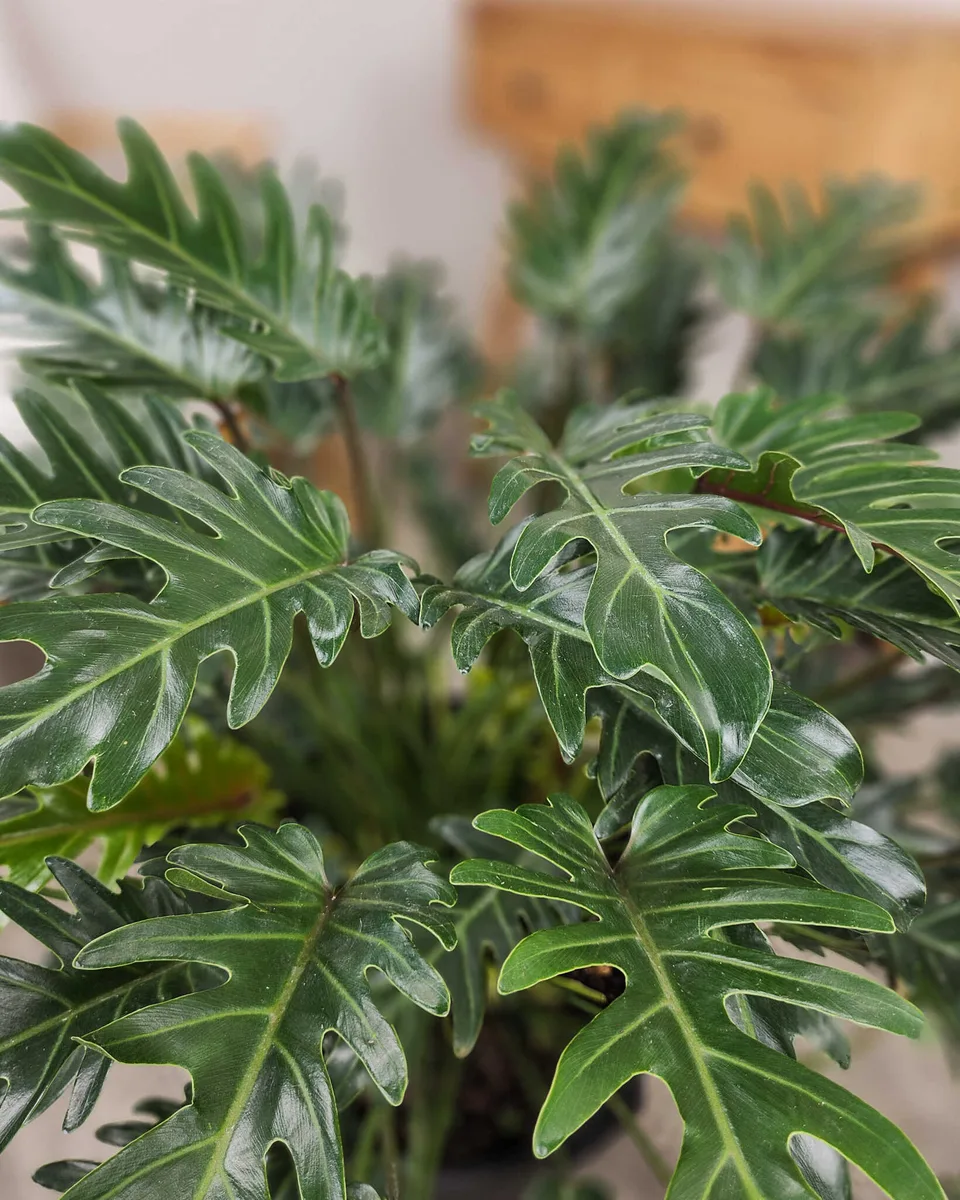
| Care difficulty | 2 / 5 |
|---|---|
| Watering schedule | Moderate regular watering, allowing brief slight drying between soakings |
| Sunlight requirements | Partial shade |
| Ideal temperature | 18 – 27 °C |
| Soil type | Loam |
| Soil pH | Acid · Alkaline · Neutral |
| Soil moisture | Moist but well drained |
| Fertilizing | Balanced perennial feed every four weeks from spring through summer |
| Toxicity | Harmful if eaten, skin/eye irritant/allergen. Wear gloves and other protective equipment when handling] |
How to Water Philodendron xanadu?
Xanadu thrives in the consistent moisture of its native tropical environments, exhibiting a preference for high humidity and evenly moist soil. This species is moderately drought-tolerant but flourishes when watered every week. As an evergreen plant commonly grown indoors, xanadu benefits greatly from regular misting to replicate the humid conditions it naturally prefers, enhancing both its lush foliage and overall health.
Learn more →What Are the Sunlight Requirements for Philodendron xanadu?
Xanadu thrives optimally under partial sun, benefitting from bright, indirect light which fosters robust foliage and vitality. While tolerant to a wider light spectrum, xanadu can endure full sun and full shade. Excessive direct sunlight may lead to scorched leaves, whereas inadequate light could result in leggy growth and fewer leaves. Adaptive by nature, xanadu's leaves may darken in low light to maximize absorption. Ideally positioned in locations that mimic dappled sunlight, xanadu is most conducive to outdoor gardens with filtered light or well-lit indoor spaces away from direct sun exposure.
Learn more →What Is the Ideal Temperature Range for Philodendron xanadu?

Xanadu exhibits moderate resilience to temperature fluctuations, making it an adaptable houseplant. It can tolerate cold temperatures down to 5℃ (41℉) and heat up to 45℃ (113℉). When exposed to temperatures below its tolerance range, xanadu may display symptoms like wilting, leaf discoloration, or slowed growth. Conversely, excessive heat can cause leaf curling, browning edges, and dehydration. To ensure optimal care, safeguard xanadu from cold drafts and intense heat, especially during extreme weather. Countermeasures include using insulation during cold spells and providing shade or misting during heat waves to maintain ideal conditions.
Learn more →What Soil Is Best for Philodendron xanadu?
Xanadu thrives in well-draining soil, essential to prevent root rot. A mix of 50% potting soil, 20% peat, 20% perlite, and 10% compost is ideal. If peat is unavailable, substitute with coir fiber. Ensure pot has drainage holes. For growth enhancement, incorporate a slow-release fertilizer following package instructions. Remember, proper drainage is critical for xanadu's health.
- Soil type
- Loam
- Soil pH
- Acid · Alkaline · Neutral
What Are the Moisture Requirements for Philodendron xanadu?
Moist but well drained
Learn more →How to Fertilize Philodendron xanadu?

For optimal health, xanadu thrives with regular fertilization using high nitrogen fertilizers. Apply quarterly during growing seasons—spring and summer—to encourage vibrant foliage. A balanced, water-soluble formula diluted to half-strength is ideal, avoiding over-fertilization which can lead to root burn. During dormant winter months, reduce to biannual applications. For juvenile xanadu, a monthly regimen supports rapid growth. Always water soil before fertilizing to protect roots and ensure even nutrient distribution.
Learn more →How to Prune Philodendron xanadu?

Xanadu, known for its lush, compact foliage, benefits from pruning in early to late spring. Trim dead or yellowing leaves to promote healthy growth and prevent disease. Cut back overgrown stems to maintain shape and size, ensuring not to remove more than one-third of the plant at a time. This process encourages bushier growth and improves air circulation. Regular pruning keeps xanadu vibrant and facilitates optimal light exposure within its canopy.
Learn more →How to Propagate Philodendron xanadu?

Xanadu is a popular ornamental houseplant recognized for its striking, split leaves. Propagation is typically successful through stem cuttings. To propagate, select a healthy, mature stem with at least two nodes. Cut just below a node using a clean, sharp tool, and remove lower leaves to expose nodes. Place the cutting in water or directly into well-draining soil, ensuring at least one node is submerged or buried, which is where roots will develop. Maintain high humidity and indirect light to encourage rooting, and keep the soil consistently moist without being waterlogged. Once established, xanadu can grow into a lush, tropical addition to any indoor space.
Learn more →How to Transplant Philodendron xanadu?
The best time to transplant xanadu is from early spring to late summer, when the plant experiences vigorous growth. Choose a shaded or partly shaded location, ensuring a well-draining soil. Remember to be gentle with the roots while transplanting, and keep the plant adequately watered.
Learn more →How to Care for Philodendron xanadu in Winter?

Hailing from Brazilian rainforests, xanadu is naturally accustomed to balmy, frost-free conditions. So, winter poses a formidable adversary. Its survival relies on adaptation tactics like reducing growth and drooping leaves. As a gardener, protecting xanadu from winter extremes is crucial. Indoors, it requires warm, humid conditions and plenty of light. Keeping xanadu hydrated, with reduced watering and misting, is key to master the winter care challenge.
Learn more →How to Plant Philodendron xanadu?
Indoors-potted: In the cozy confines of your home, xanadu thrives with room to fan out its lush foliage; rotate the pot periodically for balanced growth. Outdoors-potted: When potted outside, xanadu enjoys a sheltered spot where its elegant leaves can spread without crowding its neighbors. Outdoors-in the ground: Xanadu prefers a spacious earth bed outdoors, allowing it to mature into its full, dramatic spread - a real garden centerpiece!
Learn more →How to Repot Philodendron xanadu?
Repot xanadu annually, during spring for invigorated growth as it exits dormancy. Ideal for this moderate-sized, non-climbing shrub is a pot slightly larger than the previous, as xanadu thrives with room to spread its roots. Use well-draining soil and ensure the new pot has drainage holes. Post-repotting, water thoroughly, maintain indirect sunlight, and avoid fertilizer for a month to prevent root burn.
Learn more →How to Harvest Philodendron xanadu?

The leaves of xanadu can be harvested to be the decoration to other flowers in a vase. The best harvest time is morning or evening rather than the hot noon. The water content of the plant is high in the morning and the plant has accumulated a lot of nutrients after a day of photosynthesis in the evening. Therefore, the plant harvested at these two time points can have a relatively long vase life.
Learn more →Common Pests & Diseases

Diseases
Generally disease-free
Pests
May be susceptible to scale insects and glasshouse red spider mite
Explore the plant health library →The Toxicity of Philodendron xanadu
Harmful if eaten, skin/eye irritant/allergen. Wear gloves and other protective equipment when handling]