



Planting and Growing black-gold philodendron

| Care difficulty | 4 / 5 |
|---|---|
| Watering schedule | Moderate regular watering, allowing brief slight drying between soakings |
| Sunlight requirements | Partial shade |
| Ideal temperature | 18 – 27 °C |
| Soil type | Loam |
| Soil pH | Acid · Alkaline · Neutral |
| Soil moisture | Moist but well drained |
| Fertilizing | Balanced perennial feed every four weeks from spring through summer |
| Toxicity | Harmful if eaten, skin/eye irritant/allergen. Wear gloves and other protective equipment when handling] |
How to Water black-gold philodendron?
Thriving in the high humidity of its native tropical rainforest, black gold philodendron has adapted to consistent moisture but can tolerate short periods of dryness. Its water habits are balanced, requiring watering every week to maintain its lush foliage. Indoors, black gold philodendron is often favored for its striking appearance and ability to adapt to the ambient humidity of homes. As an evergreen plant, black gold philodendron's water needs are steady throughout the year, avoiding extremes to ensure vibrant growth.
Learn more →What Are the Sunlight Requirements for black-gold philodendron?
Black gold philodendron's optimal lighting involves bright, indirect sunlight, nurturing its broad, velvety leaves without risk of sunburn. While it is versatile, too much direct sun can scorch the foliage, and too little light may slow growth and diminish leaf color, compromising health. Under ideal conditions, its leaves may present a richer, darker green. In indoor settings, an east-facing window with filtered morning light or a few feet from a south or west-facing window is ideal. Outdoors, black gold philodendron thrives in partial sun environments, such as beneath a canopy that provides dappled sunlight.
Learn more →What Is the Ideal Temperature Range for black-gold philodendron?

Black gold philodendron demonstrates significant resilience to temperature variations, tolerating cold down to 5℃ (41℉) and heat up to 43℃ (109℉). Despite its adaptability, black gold philodendron can suffer when exposed to these extremes; cold can cause leaf yellowing and drop, while heat may result in wilting and scorching. Adequate care involves shielding black gold philodendron from prolonged exposure to such conditions. In cold, situating it in warmer rooms or using heat mats may be necessary, while in hot weather, providing shade and increasing humidity can help. This temperature tolerance highlights black gold philodendron's suitability for a wide range of environments, although protective measures are essential for optimal care.
Learn more →What Soil Is Best for black-gold philodendron?
Black gold philodendron thrives in well-draining, airy soil. A suitable mix may include equal parts of peat, pine bark, and perlite. In absence of peat, coco coir is an effective substitute. Ensure good drainage by adding perlite or sand to prevent water-logging, critical to black gold philodendron's health. For optimal growth, incorporate slow-release fertilizers or monthly liquid feed especially during the growing season. Soil should retain moisture without becoming soggy, reflecting black gold philodendron's tropical habitat.
- Soil type
- Loam
- Soil pH
- Acid · Alkaline · Neutral
What Are the Moisture Requirements for black-gold philodendron?
Moist but well drained
Learn more →How to Fertilize black-gold philodendron?

For black gold philodendron, optimal growth requires fertilizing with high-nitrogen formulations, reflecting its lush, leafy nature. Apply a diluted solution bi-weekly during active growth in spring and summer, decreasing to monthly in fall and pausing in winter. Adequate quantity equates to following manufacturer guidelines, preventing root burn. Fertilization boosts vigor, foliage density, and color vibrancy. During dormant periods, over-fertilization can lead to salt accumulation, necessitating moderation. Utilize slow-release pellets for sustained nutrient delivery. Observe plant response for tailored application, ensuring robust health.
Learn more →How to Prune black-gold philodendron?

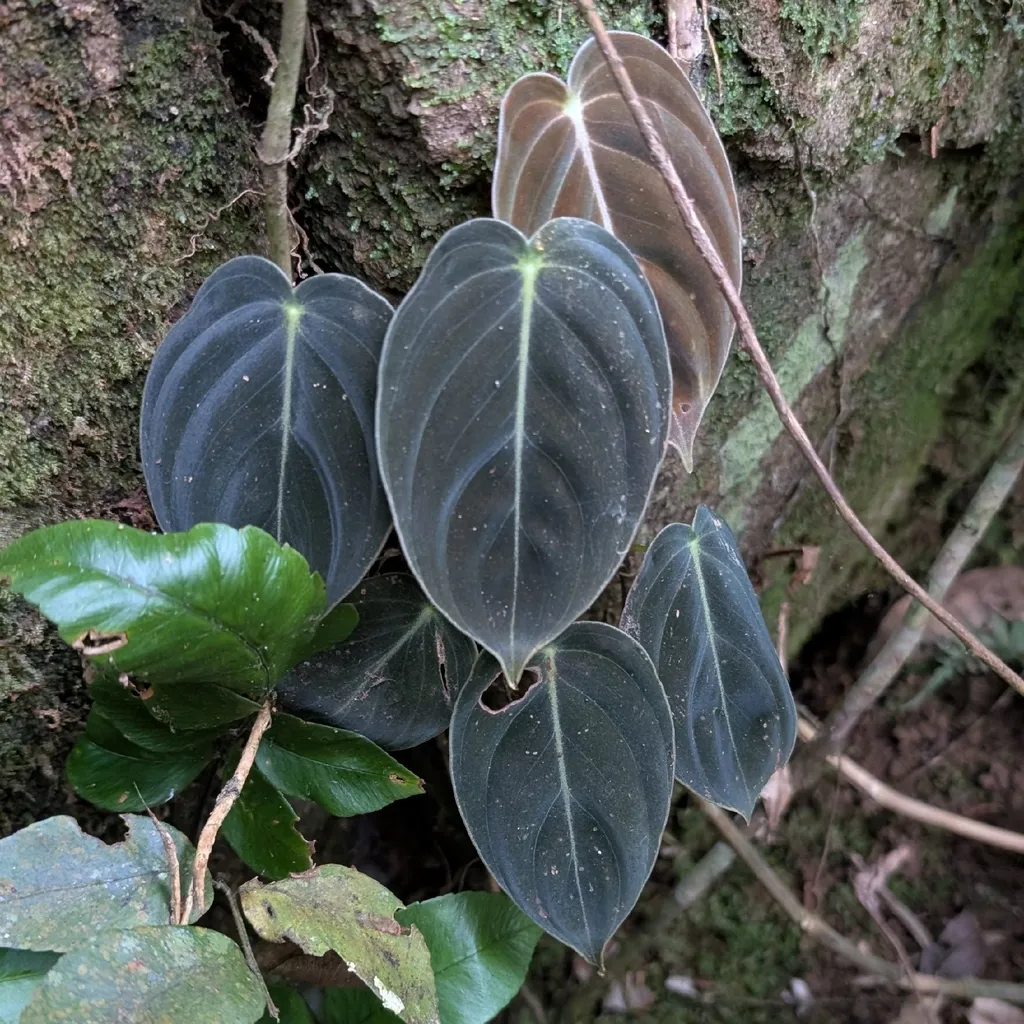
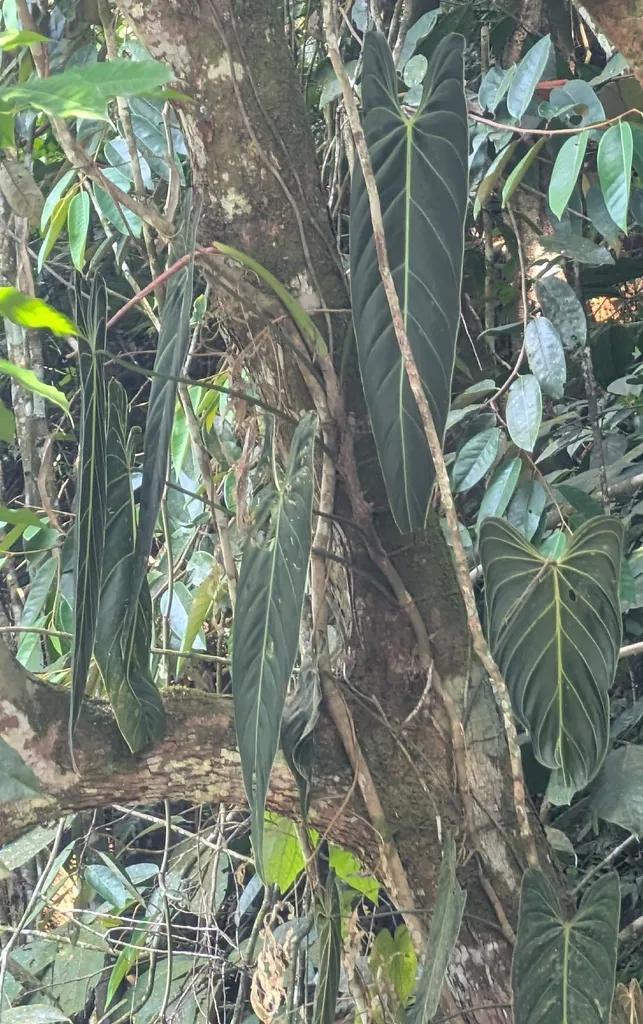
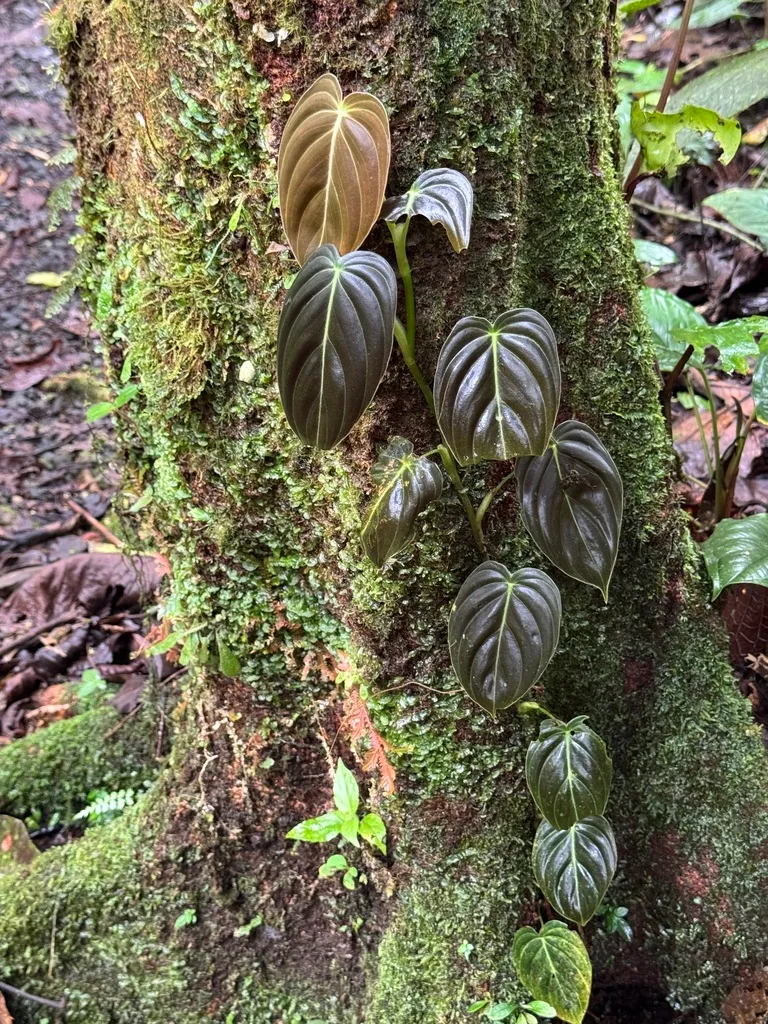
Black gold philodendron is known for its striking dark green leaves with golden veining. Prune black gold philodendron in early spring to encourage bushier growth and remove leggy or damaged stems. Use clean, sharp tools to make cuts just above a node or leaf. Regular pruning helps maintain size and shape while promoting healthier foliage. Always wear gloves, as black gold philodendron can be toxic if ingested. For best results, prune annually during the optimal growth period.
Learn more →How to Propagate black-gold philodendron?

Black gold philodendron is a tropical plant known for its striking foliage which can be propagated successfully through stem cuttings. Carefully cut a section of stem with at least two nodes, as each node has the potential to sprout roots. Dip the cutting in rooting hormone to encourage root growth and place it in a well-draining potting mix or water. Provide bright, indirect light and maintain moisture without overwatering. Roots should develop in a few weeks, after which it can be transferred to a pot.
Learn more →How to Transplant black-gold philodendron?
The optimal time to move black gold philodendron is during the warmth of late spring or at the onset of summer, to utilize robust growth cycles. Ideally, transplant to a bright, indirectly lit spot, maintaining high humidity for black gold philodendron to thrive post-transplant.
Learn more →How to Plant black-gold philodendron?
Indoors-potted: Ensure black gold philodendron has a sturdy support for its climbing nature; indoors, it can be a unique focal point with proper structural guidance. Outdoors-potted: Black gold philodendron's lush foliage thrives outdoors in pots, but remember to shelter it from strong winds that may damage its leaves. Outdoors-in the ground: While planting black gold philodendron in the ground, be mindful of space as this vine is known to spread rapidly and may require frequent pruning.
Learn more →How to Repot black-gold philodendron?
Repot black gold philodendron annually for its climbing growth habit, ideal in spring when active. Choose a pot one size up to accommodate its lengthy aerial roots and large, velvet-textured leaves. Post-repotting, ensure high humidity and filtered light for recovery. Use a well-draining mix to prevent root rot. Gentle care encourages vibrant foliage and steady climbing.
Learn more →How to Harvest black-gold philodendron?

The leaves of black gold philodendron can be harvested to be the decoration to other flowers in a vase. The best harvest time is morning or evening rather than the hot noon. The water content of the plant is high in the morning and the plant has accumulated a lot of nutrients after a day of photosynthesis in the evening. Therefore, the plant harvested at these two time points can have a relatively long vase life.
Learn more →Common Pests & Diseases

Diseases
Generally disease-free
Pests
May be susceptible to scale insects and glasshouse red spider mite
Explore the plant health library →The Toxicity of black-gold philodendron
Harmful if eaten, skin/eye irritant/allergen. Wear gloves and other protective equipment when handling]