



Planting and Growing horsehead philodendron

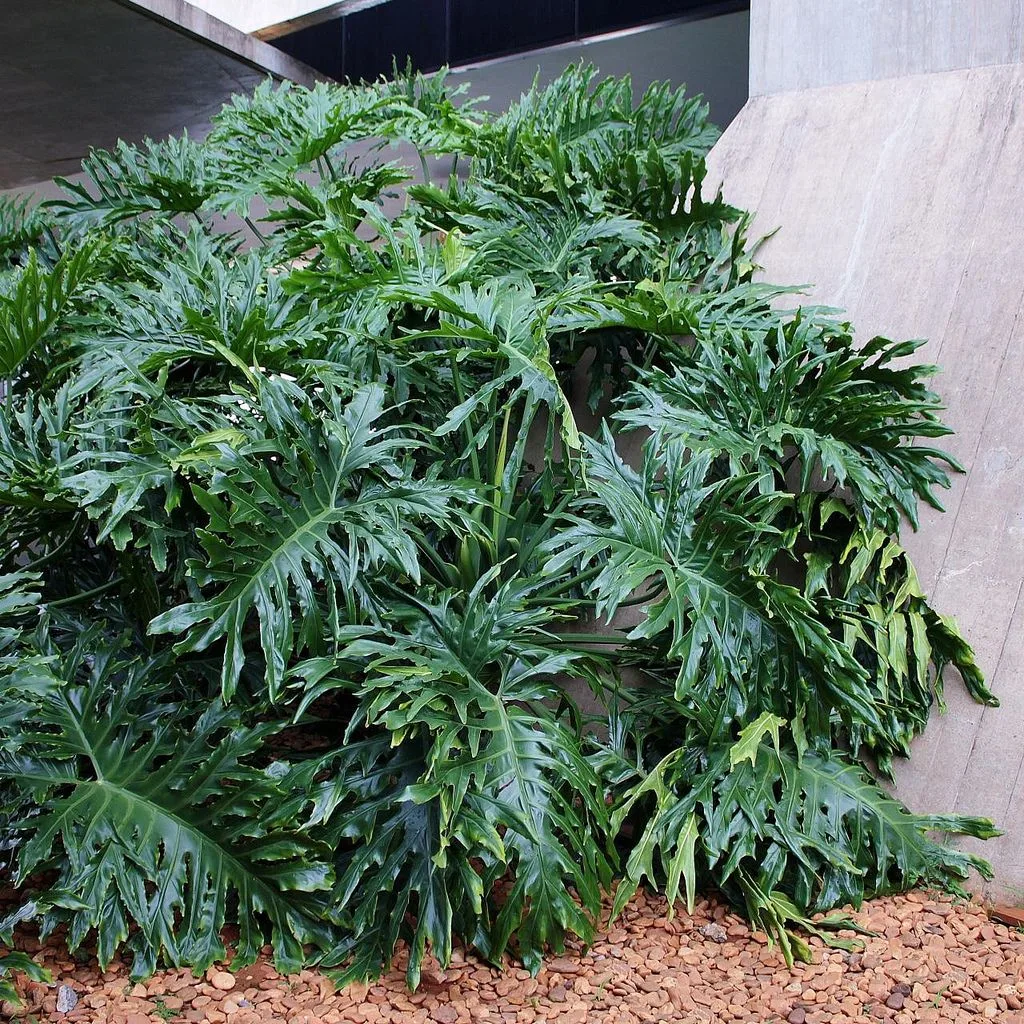
| Care difficulty | 2 / 5 |
|---|---|
| Watering schedule | Moderate regular watering, allowing brief slight drying between soakings |
| Sunlight requirements | Partial shade |
| Ideal temperature | 18 – 27 °C |
| Soil type | Loam |
| Soil pH | Acid · Alkaline · Neutral |
| Soil moisture | Moist but well drained |
| Fertilizing | Balanced perennial feed every four weeks from spring through summer |
| Toxicity | Harmful if eaten, skin/eye irritant/allergen. Wear gloves and other protective equipment when handling] |
How to Water horsehead philodendron?
Thriving in its native tropical rainforest habitat, selloum has adapted to environments with high humidity and regular rainfall. This species is characterized by a preference for moist soil conditions, yet it exhibits resilience against brief dry spells. To mimic its natural watering patterns, selloum should be watered every week. Given that selloum is commonly grown indoors due to its ornamental foliage, it's essential to ensure the surrounding air maintains adequate moisture levels to support its lush leaves; this can often be achieved through regular misting or the use of a humidifier.
Learn more →What Are the Sunlight Requirements for horsehead philodendron?
Selloum thrives in full shade where the lighting is diffused, avoiding direct sunlight's intensity. The optimal light exposure fosters vigorous growth and lush foliage. Although selloum tolerates partial sun, excessive light can lead to scorch marks on leaves, indicating stress. Its large leaves may adapt by altering position to reduce sunlight exposure, and a lighter leaf color may develop under higher light conditions. Ideally positioned outdoors, selloum should be planted in areas shielded from direct sun, such as beneath taller vegetation, ensuring its health and aesthetic appeal.
Learn more →What Is the Ideal Temperature Range for horsehead philodendron?

Selloum displays significant resilience to a range of temperatures. It can endure cold down to 5°C (41°F) and heat up to 45°C (113°F). This adaptability makes selloum suitable for diverse environments, but during extreme conditions, extra care is needed. Under cold stress, symptoms like leaf yellowing and drooping may appear, while overheating can cause wilting and brown leaf tips. To protect selloum, shelter it from frost, use mulching in winter, and ensure proper shading and hydration during heatwaves. Such measures ensure healthy growth despite temperature fluctuations.
Learn more →What Soil Is Best for horsehead philodendron?
Selloum needs a loose, fertile and sandy culture medium and the suitable pH value is 5.5-5.6. The formula ratio of culture medium can be 1/2 peat + 1/4 perlite +1/4 garden soil, and special culture soil for Philodendron spp. can also be directly bought. Adding humus to the culture medium will make the plant grow better.
- Soil type
- Loam
- Soil pH
- Acid · Alkaline · Neutral
What Are the Moisture Requirements for horsehead philodendron?
Moist but well drained
Learn more →How to Fertilize horsehead philodendron?

Fertilizing selloum with high nitrogen fertilizers promotes lush foliage growth and enhances overall plant health. For optimal results, apply a balanced, water-soluble fertilizer with an increased nitrogen component every 6-8 weeks during the growing season. Use half the recommended strength to avoid over-fertilization. During winter, reduce frequency as selloum's growth slows. For younger plants, a more frequent, lighter feeding encourages vigorous development. Always water selloum before fertilizing to protect the roots.
Learn more →How to Prune horsehead philodendron?

Characterized by its large, glossy, deeply lobed leaves, selloum thrives with periodic pruning. Optimal pruning occurs from early to late spring to align with its active growth cycle. Focus on removing yellow, damaged, or dead foliage, and trim leggy stems to promote bushier growth. Ensure tools are sterilized to prevent disease. Pruning enhances air circulation, reduces pest issues, and maintains a manageable size for indoor or outdoor settings.
Learn more →How to Propagate horsehead philodendron?

Native to the tropical rainforests of South America, selloum is a lush, evergreen perennial known for its deeply lobed, large leaves and easy care. Propagation for selloum is effectively achieved through stem cuttings. When taking a cutting, ensure it has at least two nodes. Cut just below a node, as this is where roots will develop. Dip the cut end in rooting hormone for better success rates and plant it in a well-draining potting mix. Maintain consistent moisture without waterlogging and provide a warm, humid environment to encourage root growth.
Learn more →How to Transplant horsehead philodendron?
Transplanting selloum is best done in mid to late spring or fall to ensure optimal growth. Choose a bright, indirect light location, with well-draining soil. When transplanting, take care not to damage the root system to ensure a smoother transition for the plant.
Learn more →How to Care for horsehead philodendron in Winter?

Native to the warm, humid climates of South America, selloum effortlessly endures through winter with minimum light and cooler temperatures. Thriving on low maintenance, it doesn't demand frequent irrigation. However, selloum does desire indoor protection when temperatures plunge below 50°F. For successful overwintering, remember to shield selloum from severe chills while ensuring adequate humidity, emulating its tropical roots for better survival.
Learn more →How to Plant horsehead philodendron?
Indoors-potted: Thriving in a cozy corner, selloum adds lush vibes indoors, with its large leaves demanding space to unfurl and captivate. Allow it room to make a statement. Outdoors-potted: Selloum enjoys the freedom of outdoor pots but prefers shelter from harsh elements; consider rotating it for uniform growth and an elegant display. Outdoors-in the ground: In its natural glory, selloum spreads wide in the garden bed, requiring ample space between companions to showcase its impressive foliage.
Learn more →How to Repot horsehead philodendron?
Repot selloum annually in spring, as it's a fast-growing shrub. Choose a large container with drainage to accommodate the root system. Post-repotting, place in bright, indirect light and water sparingly until new growth indicates recovery. This ensures selloum maintains its magnificent foliage without unnecessary stress.
Learn more →How to Harvest horsehead philodendron?

The leaves of selloum can be harvested to be the decoration to other flowers in a vase. The best harvest time is morning or evening rather than the hot noon. The water content of the plant is high in the morning and the plant has accumulated a lot of nutrients after a day of photosynthesis in the evening. Therefore, the plant harvested at these two time points can have a relatively long vase life.
Learn more →Common Pests & Diseases

Diseases
Generally disease-free
Pests
May be susceptible to scale insects and glasshouse red spider mite
Explore the plant health library →Troubleshooting
Yellowing Lower Leaves, Root Rot, or Crispy Brown Edges
horsehead philodendron (Philodendron bipinnatifidum) thrives in warm, humid conditions with evenly moist but airy soil; prolonged soggy compost suffocates roots, while dry indoor air or direct sun crisps leaf margins.
| What you notice | Possible explanation | What to check next |
|---|---|---|
| Multiple lower or inner leaves turn yellow and limp while potting mix remains heavy and wet | Overwatering, dense poorly drained compost, or cold drafts causing root/rhizome rot | Feel two inches into the potting mix, check drainage holes, and verify room temperature stays above 15°C (59°F) |
| Leaf tips or margins turn brown and dry while center leaves stay green, or bleached patches appear on sunny sides | Low indoor air humidity, mineral/salt buildup, or harsh direct sun scorch | Check proximity to heaters/vents and whether midday direct sun hits the foliage |
| A single oldest outer leaf yellows gradually while sturdy new growth unfurls at the center | Normal age-related leaf turnover | Confirm the potting mix drains well and new leaves look healthy |
- Pot in an airy, humus-rich, well-drained mix (amended with bark, perlite, or coarse grit) in a container with open drainage holes.
- Water properly: Moderate regular watering, allowing brief slight drying between soakings, and reduce watering during cooler winter months without letting the root ball desiccate completely.
- Provide bright indirect light out of scorching midday sun, boost ambient humidity with a pebble tray or humidifier, and keep away from cold drafts.
Stop watering and inspect roots if stems or rhizomes turn mushy at the soil line; trim decayed roots and repot into fresh airy mix.
Fine Webbing, Sticky Residue, or Leaf Spots
Warm, dry indoor air favors spider mites, mealybugs, and scale on horsehead philodendron (Philodendron bipinnatifidum), while stagnant wet foliage encourages fungal or bacterial leaf spots.
| What you notice | Possible explanation | What to check next |
|---|---|---|
| Speckled pale stippling with fine webbing under leaves, or white cottony clusters along petioles and veins | Sap-sucking pests (May be susceptible to scale insects and glasshouse red spider mite) | Inspect leaf undersides, midribs, and petiole sheaths with a magnifier |
| Dark water-soaked or yellow-haloed spots expanding on leaves in cool, stagnant, humid conditions | Suspected leaf spot or fungal blight (Generally disease-free) | Check whether water sits on leaves overnight and assess room airflow |
- Isolate affected plants, wipe leaf surfaces and undersides gently with a damp cloth, and apply insecticidal soap or horticultural oil per label directions.
- Remove heavily spotted leaves at the base with sterilized shears, water at the soil surface rather than over the crown, and improve gentle air circulation.
- Keep foliage clean of dust so leaves photosynthesize efficiently.
Avoid spraying foliage in stagnant, cool rooms where leaves cannot dry within a few hours.
The Toxicity of horsehead philodendron
Harmful if eaten, skin/eye irritant/allergen. Wear gloves and other protective equipment when handling]