



Planting and Growing moss cypress

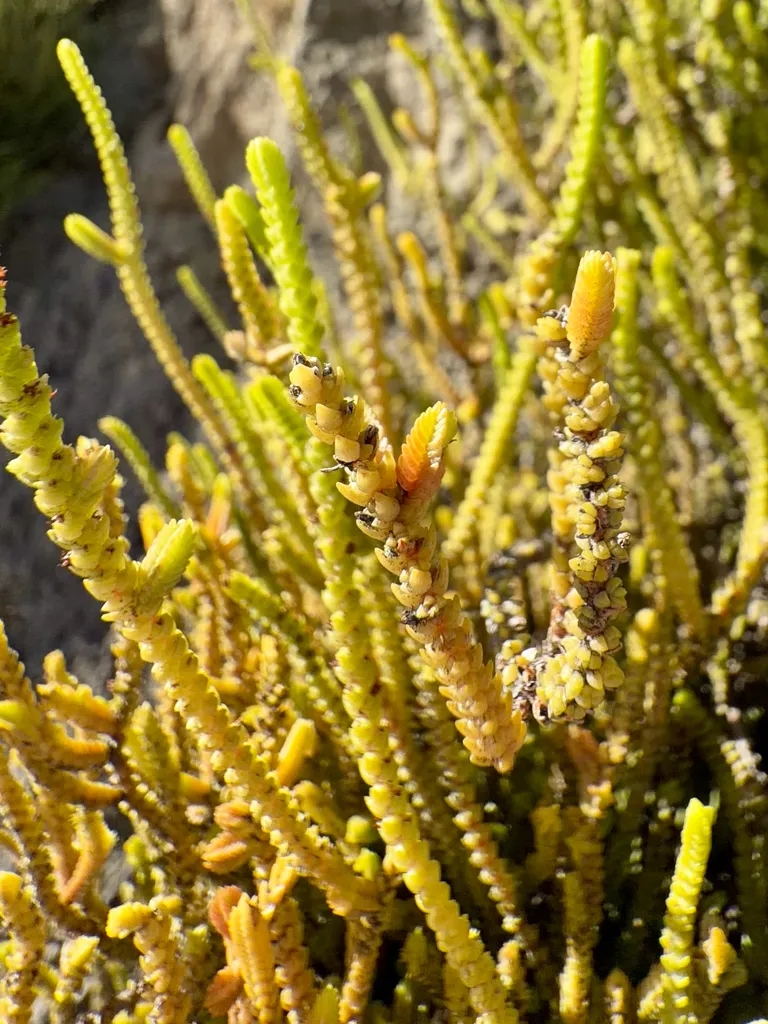
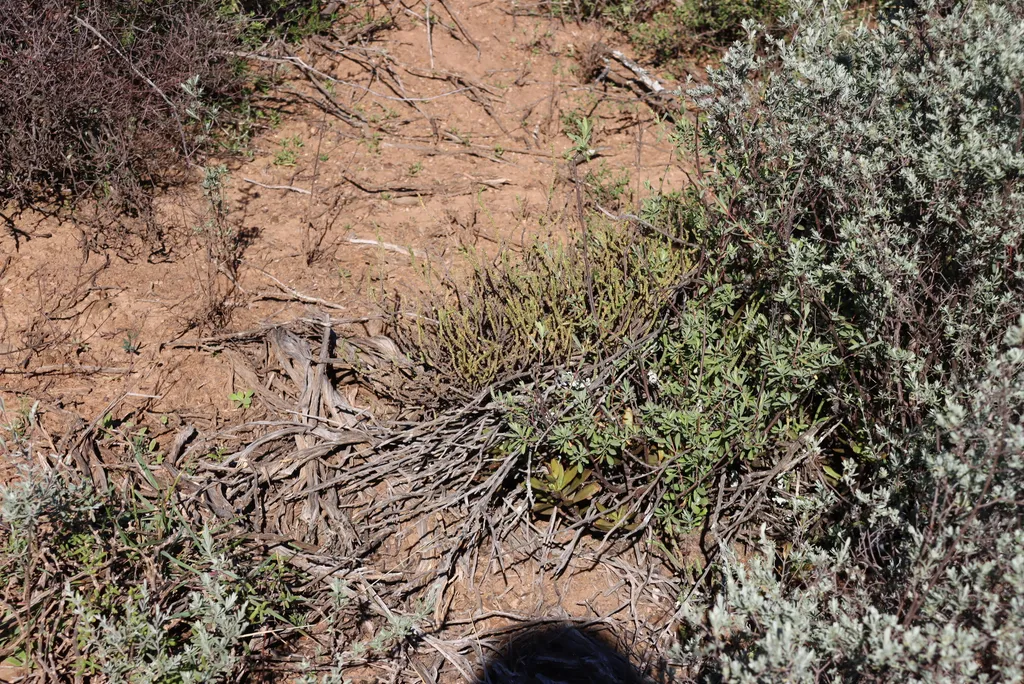
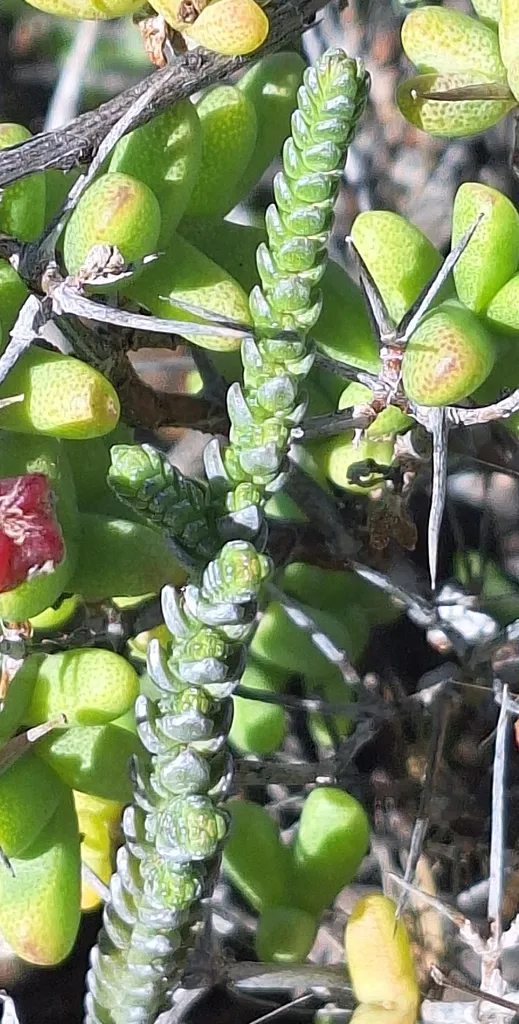
| Care difficulty | 2 / 5 |
|---|---|
| Watering schedule | Water when soil is dry, avoid waterlogging |
| Sunlight requirements | Full sun |
| Ideal temperature | 18 – 28 °C |
| Soil type | Loam |
| Soil pH | Acid · Neutral · Alkaline |
| Soil moisture | Well drained |
| Fertilizing | Monthly during growing season |
| Toxicity | Information to be completed |
How to Water moss cypress?
Watch chain thrives in its native arid environments, where it has adapted to store water efficiently within its dense, compact foliage. This succulent is drought-tolerant and prefers a dry atmosphere, with a watering schedule that leans towards minimal intervention—once every three weeks suffices. As an indoor plant commonly appreciated for its unique texture, watch chain benefits from well-draining soil to prevent root rot, highlighting the importance of avoiding overwatering. In terms of growth cycles, watch chain's water storage capabilities allow it to endure periods of drought, making it a resilient choice for forgetful gardeners.
Learn more →What Are the Sunlight Requirements for moss cypress?
Watch chain thrives in conditions where it can bask in full sunlight, as this supports robust growth and vibrant health. When placed in such optimal lighting, the plant's photosynthetic process is at its peak, leading to strong and well-formed structures. It tolerates partial sun, ensuring it can adapt to a variety of outdoor environments. Deviations in light, especially to lower levels, can result in legginess and pale coloration, signaling suboptimal health. Adaptive traits, such as compact leaf formation, help watch chain to maximize light absorption. In the landscape, watch chain performs best in locations that offer abundant sunlight for the majority of the day, safeguarded from over-shaded areas.
Learn more →What Is the Ideal Temperature Range for moss cypress?

Watch chain is resilient to a wide temperature range, tolerating lows down to 0℃ (32℉) and highs up to 43℃ (109℉). This adaptability makes it suitable for various environments, but it requires protection during extreme weather. In cold temperatures, watch chain may exhibit leaf drop or discoloration; in excessive heat, leaves may become scorched or shriveled. To mitigate these issues, ensure adequate insulation or bring the plant indoors during frost, and provide shade or increased watering during heatwaves. Monitoring and adjusting care based on temperature fluctuations are key to maintaining watch chain's health.
Learn more →What Soil Is Best for moss cypress?
Watch chain thrives in well-draining soil to prevent water-logging. A suitable mix can be a combination of purchased succulent & cactus soil, perlite, and coarse sand in equal parts. If perlite is unavailable, pumice or lava rock can substitute to improve aeration and drainage. During the growing season, a balanced, slow-release fertilizer can be added to the mix to support growth. Using a pot with drainage holes is crucial for watch chain to avoid root rot.
- Soil type
- Loam
- Soil pH
- Acid · Neutral · Alkaline
What Are the Moisture Requirements for moss cypress?
Well drained
Learn more →How to Fertilize moss cypress?

To ensure optimal health and growth for watch chain, fertilize with a succulent and cacti-specific food during the growing season. Apply fertilizer at a quarter-strength, once every month in the spring and summer to boost foliage and root development. Over-fertilization can lead to weak growth; hence, caution is advised. Fertilization should be withheld in fall and winter when the plant enters dormancy. Always water watch chain thoroughly before and after applying fertilizer to prevent root burn and distribute nutrients effectively.
Learn more →How to Prune moss cypress?

In order to keep beautiful shape, some large succulent plants may need pruning. For example, in California, for echeveria planted in the garden, some redundant branches and branches that are too dense need to be cut off in spring and autumn. This depends on what you think and what the succulent plant is used for. Tools for pruning mainly include knife, scissors, and some medicines (such as sulfur powder). In order to propagate new plants, we can also cut some leaves in spring and autumn for cutting. Stout stems with 5-6 leaves are often selected: cut it off with a knife, then smear the wound with sulfur powder, and plant it after the wound is healed. At this time, it is recommended to use a watering can to slightly wet the soil used for cutting.
Learn more →How to Propagate moss cypress?

Watch chain is a fascinating succulent with intricate, interwoven stems resembling miniature chains. It thrives under bright light and well-draining soil, mirroring its native arid habitats. For successful propagation, gardeners should use stem cuttings, ensuring a clean snip on healthy, non-flowering sections. It's imperative to let the cut end callous over for a day or two before gently pressing it into a sandy potting mix. Consistent but moderate watering encourages root development in these cuttings without risking rot. With patience and attentive care, watch chain will gradually establish as a new, resilient specimen.
Learn more →How to Transplant moss cypress?
The perfect time to transplant watch chain is from mid-spring to late spring, offering milder temperatures for better root establishment. Always choose a location with well-drained soil and partial sun. If needed, provide some transplant care by watering gently to avoid root rot. Happy transplanting!
Learn more →How to Care for moss cypress in Winter?

Watch chain is native to arid South African climates, natively enduring rocky, dry winter landscapes. Its succulent leaves store water, allowing for survival amidst seasonal chills. Winter care for watch chain involves minimal watering - replicating its natural environment - along with cold protection indoors if temperatures drop below freezing. Gardeners should also ensure free-draining soil to avoid waterlogged roots that could lead to rot.
Learn more →How to Plant moss cypress?
Indoors-potted: Thriving in the cozy corner of your home, watch chain requires minimal fuss; ensure good air circulation to mimic its natural arid habitat. Outdoors-potted: Watch chain's intricate foliage is a visual treat on patios; however, protect it from heavy rainfall that could compromise its succulent leaves. Outdoors-in the ground: Watch chain isn't ideal for outdoor-ground planting unless you have a dry climate akin to its native environment; excess moisture can be harmful.
Learn more →How to Repot moss cypress?
Repot watch chain biennially to accommodate its dense, brush-like growth, ensuring its delicate, chain-like foliage thrives. Spring is ideal, aligning with its active growing phase. Choose a slightly larger container with good drainage. Post-repotting, place watch chain in bright, indirect light and resume watering once the soil begins to dry, to support robust recovery and continued health.
Learn more →Common Pests & Diseases

Diseases
Generally disease-free
Pests
May be susceptible to aphids, mealybugs and vine weevil
Explore the plant health library →Troubleshooting
Soft Basal Rot or Splitting Leaves vs. Wrinkled Dehydration
moss cypress (Crassula muscosa) stores water in fleshy leaves or stems and depends on sharply drained mineral compost; excess moisture in cool or dormant periods quickly causes rot or split tissues.
| What you notice | Possible explanation | What to check next |
|---|---|---|
| Base of stem or lower leaves turns dark brown/black, soft, and translucent while soil stays damp | Root or stem rot from overwatering, heavy compost, or watering during dormancy | Check pot drainage holes, inspect lower soil wetness, and test base firmness gently |
| Fleshy leaves or stems look wrinkled, deflated, or limp while gritty soil is bone dry during active growth | Underwatering as the plant draws on stored tissue moisture | Check deep soil dryness and confirm seasonal growth activity |
- Pot in a sharply drained cactus/succulent compost (amended with pumice, coarse sand, grit, or perlite) in a container with open drainage holes.
- Follow seasonal moisture cues: Water when soil is dry, avoid waterlogging.
- If rot develops at the base, cut away healthy upper stems or offsets with a sterilized blade, let cut ends dry and callous for several days, and root in fresh gritty mix.
Stop watering immediately if soft black rot spreads from the base, and discard rotted tissues and wet old soil.
Etiolated Growth or Mealybugs, Scale, and Spider Mites
Insufficient direct sunlight stretches new growth and dulls natural coloration in moss cypress (Crassula muscosa), while mealybugs, root mealybugs, and scale often shelter in leaf axils or roots.
| What you notice | Possible explanation | What to check next |
|---|---|---|
| New growth stretches pale green with wide internodes instead of staying compact and richly colored | Insufficient bright light | Evaluate daily hours of direct or bright filtered light at the current site |
| White cottony tufts, sticky honeydew, or hard brown bumps along stems, leaf bases, or roots | Sap-sucking pests (May be susceptible to aphids, mealybugs and vine weevil) | Inspect stem junctions, leaf undersides, and the soil line closely |
- Acclimate gradually to full sun so new growth develops compact form and natural coloration without sudden sunburn.
- Isolate infested plants and dab visible mealybugs or scale with rubbing alcohol on a cotton swab, or apply insecticidal soap per label directions.
- Protect frost-tender plants indoors or under cover before freezing weather arrives.
Already stretched stems will not shrink back, though compact healthy growth will resume once bright light is restored.