



Planting and Growing gingham golf ball

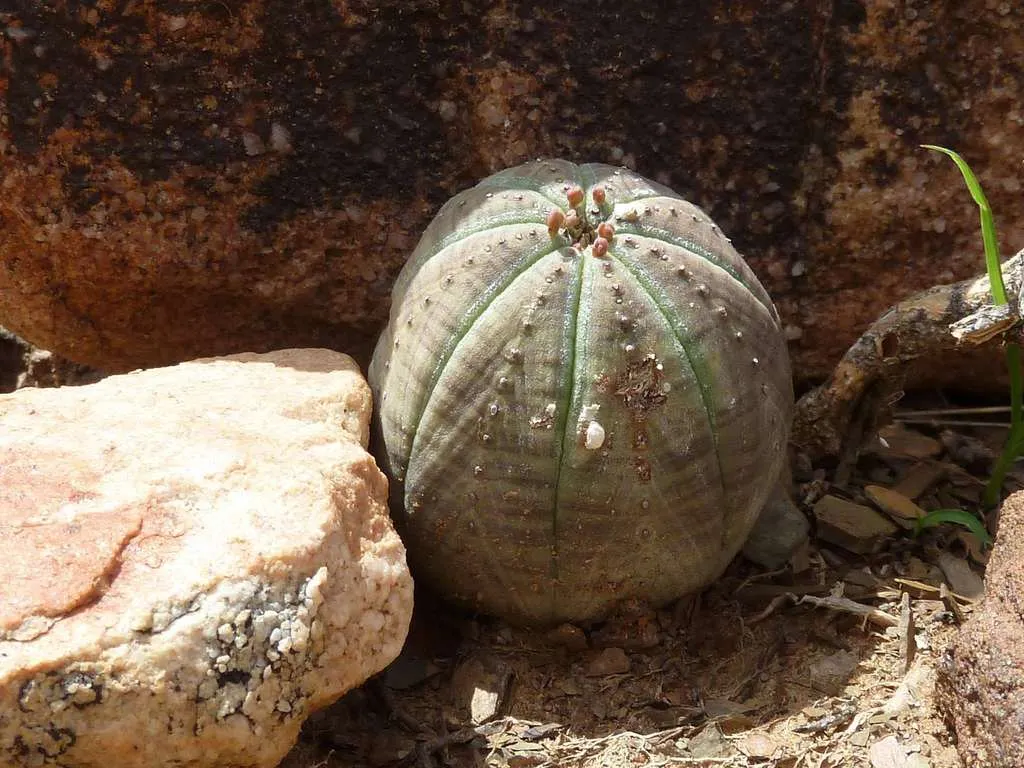
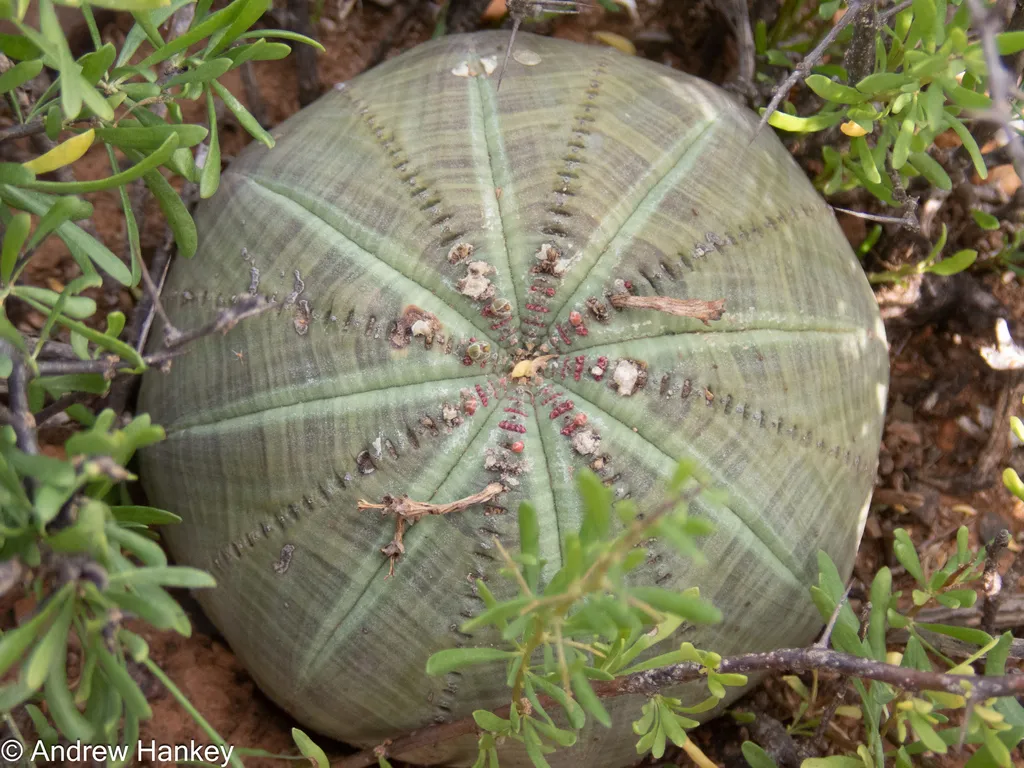
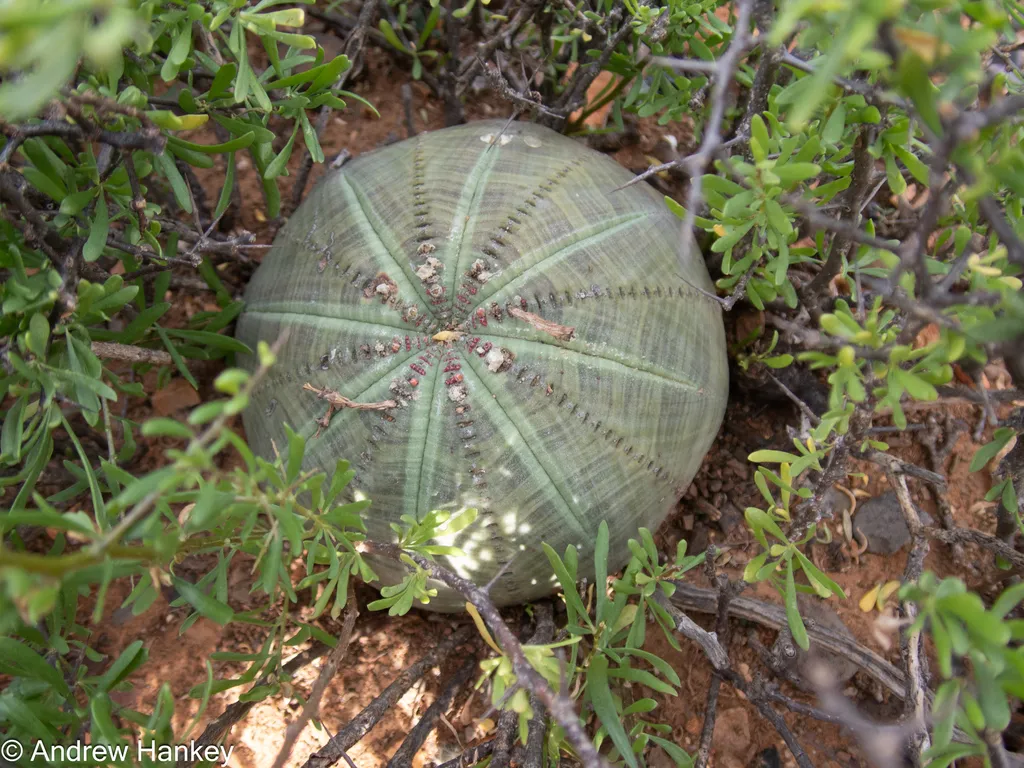
| Care difficulty | 3 / 5 |
|---|---|
| Watering schedule | Moderate regular watering, avoid prolonged drought or waterlogging |
| Sunlight requirements | Full sun |
| Ideal temperature | Information to be completed |
| Soil type | Loam · Sand |
| Soil pH | Acid · Alkaline · Neutral |
| Soil moisture | Well drained |
| Fertilizing | Balanced feed in spring and light repeat in growth season |
| Toxicity | IRRITANT to skin/eye, harmful if eaten. Wear gloves and other protective equipment when handling] |
How to Water gingham golf ball?
Originating from arid regions, baseball plant has adapted to survive with minimal moisture, displaying a remarkable drought tolerance. This succulent thrives in environments that mimic its native dry conditions, requiring infrequent watering—once every three weeks—to maintain its water balance without risking overhydration. As an indoor plant often prized for its unique spherical shape and low maintenance, baseball plant prefers well-draining soil to prevent root rot. During the growing season, it's crucial to monitor soil dryness before watering to support healthy growth without excess water stress.
Learn more →What Are the Sunlight Requirements for gingham golf ball?
Baseball plant thrives in full sun, benefitting from ample light for robust growth. It enjoys prolonged exposure, yet can tolerate partial sun conditions. Under less than ideal lighting, baseball plant's growth may slow, and its distinct spherical shape can become etiolated. With an ability to adjust its photosynthetic activity, baseball plant displays resilience to fluctuating light exposures. Outdoors, baseball plant flourishes in sunny locations away from scorching midday heat. If grown indoors, a south-facing windowsill is suitable to provide the intensity of light it naturally prefers.
Learn more →What Is the Ideal Temperature Range for gingham golf ball?

Baseball plant demonstrates a remarkable resilience to varying temperatures, tolerating cold down to 5℃ (41℉) and heat up to 43℃ (109℉). This broad temperature tolerance influences its care by necessitating protective measures during extreme weather. In too cold conditions, baseball plant may show signs of leaf discoloration or softening, while excessive heat can cause wilting or scalding. Countermeasures for overcooling include moving the plant to a warmer, sheltered area, while shading and increased hydration can mitigate overheating. Such adaptability makes baseball plant suitable for diverse environments, provided these care adjustments are made.
Learn more →What Soil Is Best for gingham golf ball?
Baseball plant thrives in well-draining soil. A suitable mix is a blend of three parts succulent & cactus soil with one part perlite to enhance aeration and drainage. If perlite isn't available, pumice or coarse sand are good alternatives. Avoid over-watering by ensuring pots have drainage holes. For growth, incorporate a balanced, slow-release fertilizer at the beginning of the growing season.
- Soil type
- Loam · Sand
- Soil pH
- Acid · Alkaline · Neutral
What Are the Moisture Requirements for gingham golf ball?
Well drained
Learn more →How to Fertilize gingham golf ball?

Fertilize baseball plant sparingly with a succulent-specific formula during the active growing season, typically in spring and summer, at half-strength monthly for optimal growth. Fertilization enhances nutrient uptake, promoting a robust structure and potential flowering. Avoid over-fertilizing to prevent root burn. In winter, refrain from feeding as baseball plant enters dormancy. For effective application, dilute the fertilizer and apply it to moist soil to safeguard the roots.
Learn more →How to Prune gingham golf ball?

No pruning required
Learn more →How to Propagate gingham golf ball?

Native to South Africa, baseball plant is a globular succulent, revered for its symmetrical, spineless design resembling a green baseball. To propagate baseball plant, gardeners primarily rely on seed sowing. As a dioecious species with distinct male and female plants, successful seed production requires cross-pollination. After pollination, seeds should ideally be sown in a well-draining, sandy soil mix to promote good root development. Regular watering is crucial during germination, but over-watering must be avoided to prevent rot. Once seedlings emerge, they require bright, indirect light to thrive and should be handled minimally to prevent damage to their delicate structures.
Learn more →How to Transplant gingham golf ball?
The best time to transplant baseball plant is during the temperate embrace of late spring to mid-summer, favoring root establishment. It thrives in well-drained soil with ample sunlight. Remember, baseball plant prefers a gentle touch and minimal root disturbance.
Learn more →How to Plant gingham golf ball?
Indoors-potted: For a charming display, baseball plant thrives in bright spaces where its spherical shape can create an intriguing focal point. Rotate the pot regularly for even growth. Outdoors-potted: Outdoor enthusiasts will find that baseball plant enjoys basking in ample light but requires shelter from extreme elements to maintain its unique form. Outdoors-in the ground: Baseball plant planted in the ground demands well-draining conditions to prevent root rot and showcase its drought-tolerant nature.
Learn more →How to Repot gingham golf ball?
Repot baseball plant every 2-3 years during spring, as its slow growth minimizes the need for frequent changes. The spherical succulent prefers snug pots that accommodate its root ball without excess space. After repotting, provide bright light and avoid watering for a week to allow roots to settle. Use a cactus mix and a pot with drainage holes to prevent root rot.
Learn more →How to Harvest gingham golf ball?

Some species of Euphorbia can be cut for fresh flowers or foliage, such as snow-on-the-mountain (Euphorbia marginata), Euphorbia fulgens and Euphorbiaformosana. When harvesting cuttings, remember to wear gloves, as the sap can be irritating to the skin. It can be cut from the base of the stem. Soak the end of the cutting in hot water for 10 seconds to stop the milky sap from oozing. The vase life of for the cutting will be about 5-7 days, and some flower food can extend its life. When the fruits of Euphorbia plants are ripe, they burst and scatter the seeds over a large surface area. In order to harvest all the seeds, the individual fruits or the entire plant must be wrapped in in nylon, gauze, or similar material before the ripe fruit bursts and releases the seeds.
Learn more →Common Pests & Diseases

Diseases
Generally disease-free
Pests
May be susceptible to mealybugs
Explore the plant health library →Troubleshooting
Soft Basal Rot or Splitting Leaves vs. Wrinkled Dehydration
gingham golf ball (Euphorbia obesa) stores water in fleshy leaves or stems and depends on sharply drained mineral compost; excess moisture in cool or dormant periods quickly causes rot or split tissues.
| What you notice | Possible explanation | What to check next |
|---|---|---|
| Base of stem or lower leaves turns dark brown/black, soft, and translucent while soil stays damp | Root or stem rot from overwatering, heavy compost, or watering during dormancy | Check pot drainage holes, inspect lower soil wetness, and test base firmness gently |
| Fleshy leaves or stems look wrinkled, deflated, or limp while gritty soil is bone dry during active growth | Underwatering as the plant draws on stored tissue moisture | Check deep soil dryness and confirm seasonal growth activity |
- Pot in a sharply drained cactus/succulent compost (amended with pumice, coarse sand, grit, or perlite) in a container with open drainage holes.
- Follow seasonal moisture cues: Moderate regular watering, avoid prolonged drought or waterlogging.
- If rot develops at the base, cut away healthy upper stems or offsets with a sterilized blade, let cut ends dry and callous for several days, and root in fresh gritty mix.
Stop watering immediately if soft black rot spreads from the base, and discard rotted tissues and wet old soil.
Etiolated Growth or Mealybugs, Scale, and Spider Mites
Insufficient direct sunlight stretches new growth and dulls natural coloration in gingham golf ball (Euphorbia obesa), while mealybugs, root mealybugs, and scale often shelter in leaf axils or roots.
| What you notice | Possible explanation | What to check next |
|---|---|---|
| New growth stretches pale green with wide internodes instead of staying compact and richly colored | Insufficient bright light | Evaluate daily hours of direct or bright filtered light at the current site |
| White cottony tufts, sticky honeydew, or hard brown bumps along stems, leaf bases, or roots | Sap-sucking pests (May be susceptible to mealybugs) | Inspect stem junctions, leaf undersides, and the soil line closely |
- Acclimate gradually to full sun so new growth develops compact form and natural coloration without sudden sunburn.
- Isolate infested plants and dab visible mealybugs or scale with rubbing alcohol on a cotton swab, or apply insecticidal soap per label directions.
- Protect frost-tender plants indoors or under cover before freezing weather arrives.
Already stretched stems will not shrink back, though compact healthy growth will resume once bright light is restored.
The Toxicity of gingham golf ball
IRRITANT to skin/eye, harmful if eaten. Wear gloves and other protective equipment when handling]