



Planting and Growing Euphorbia dendroides

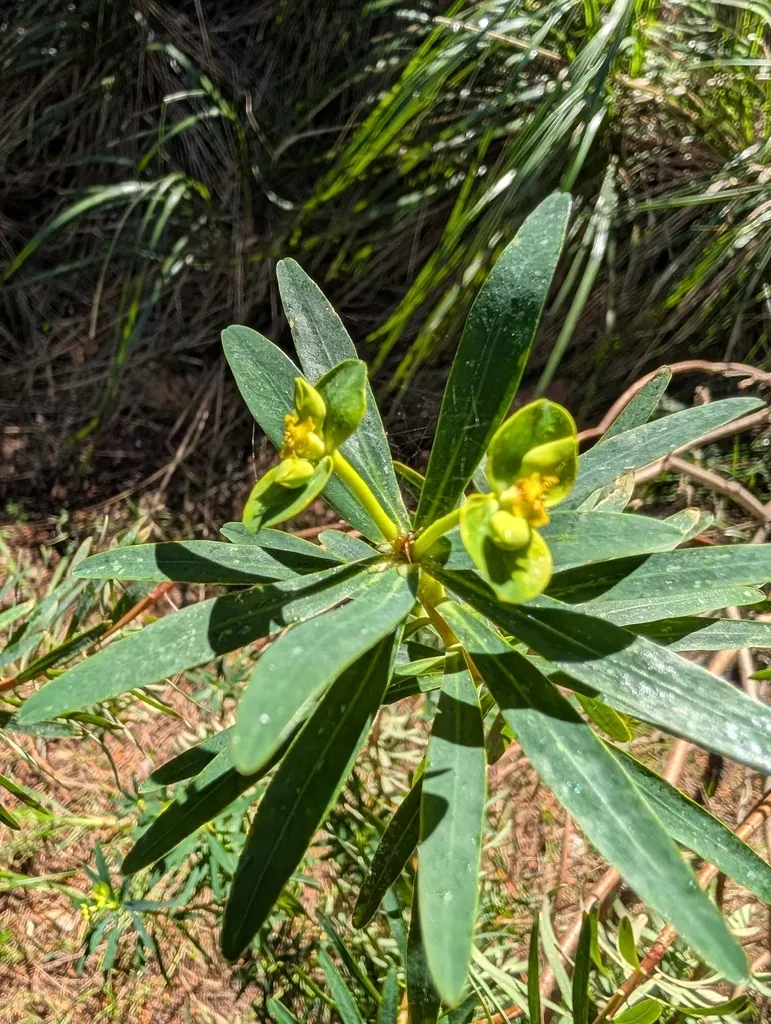
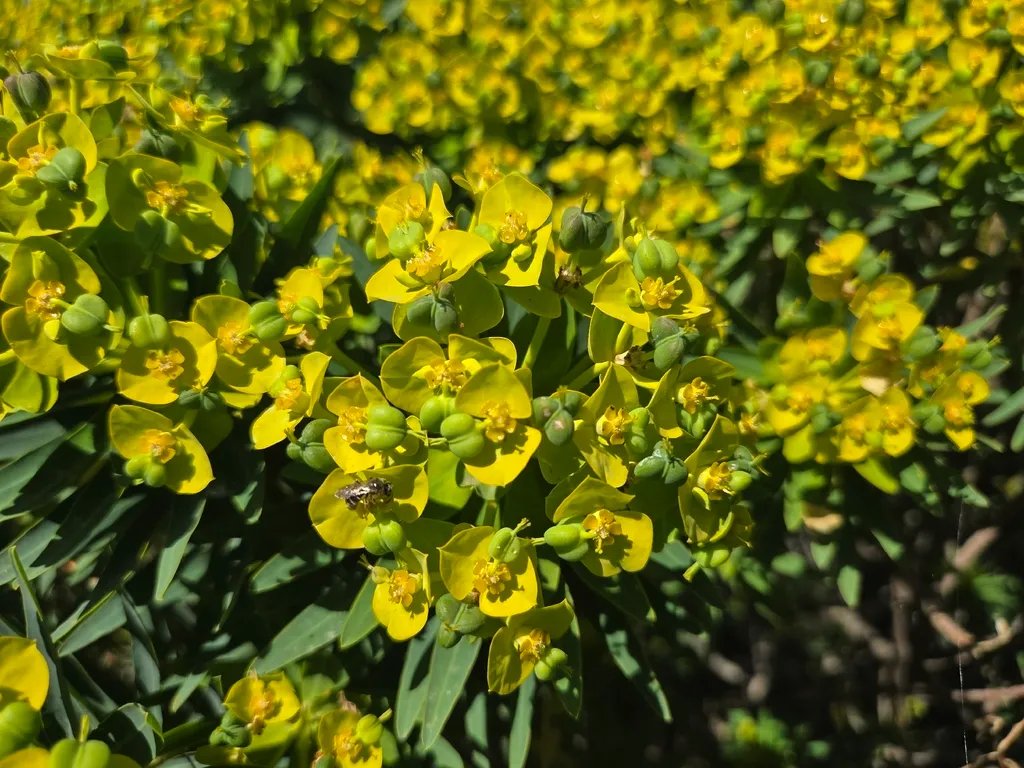
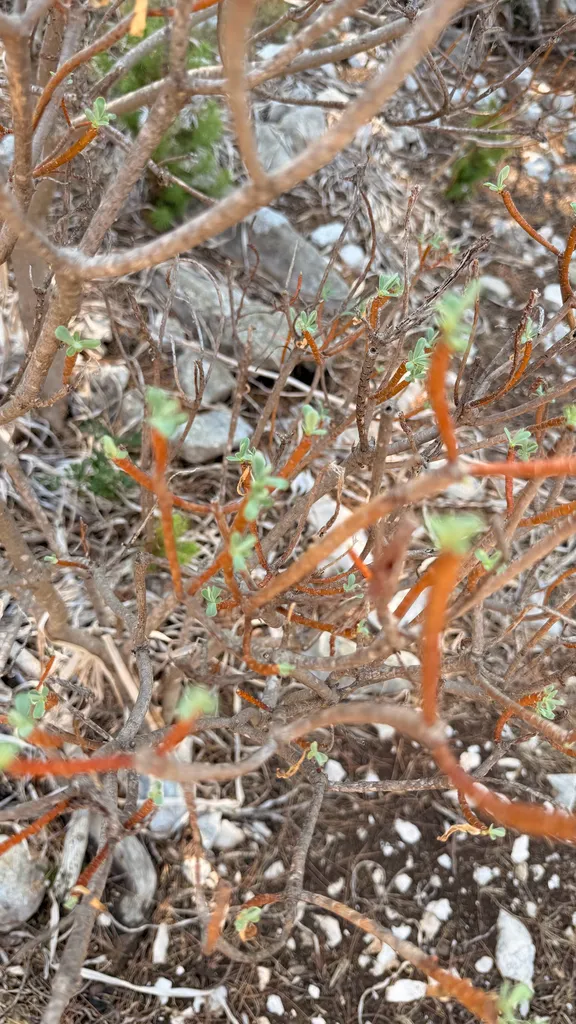
| Care difficulty | 3 / 5 |
|---|---|
| Watering schedule | Moderate regular watering, allowing brief slight drying between soakings |
| Sunlight requirements | Full sun |
| Ideal temperature | Information to be completed |
| Soil type | Chalk · Loam · Sand |
| Soil pH | Acid · Alkaline · Neutral |
| Soil moisture | Well drained |
| Fertilizing | Balanced perennial feed every four weeks from spring through summer |
| Toxicity | IRRITANT to skin/eye, harmful if eaten. Wear gloves and other protective equipment when handling] |
How to Water Euphorbia dendroides?
Moderate regular watering, allowing brief slight drying between soakings
Learn more →What Are the Sunlight Requirements for Euphorbia dendroides?
Full sun
Learn more →What Soil Is Best for Euphorbia dendroides?
- Soil type
- Chalk · Loam · Sand
- Soil pH
- Acid · Alkaline · Neutral
What Are the Moisture Requirements for Euphorbia dendroides?
Well drained
Learn more →How to Fertilize Euphorbia dendroides?

Balanced perennial feed every four weeks from spring through summer
Learn more →How to Prune Euphorbia dendroides?

Little pruning is needed. Remove diseased, damaged, crowded or crossing shoots and unwanted growth. Timing depends on the plant: generally late winter or early spring; plants prone to bleeding and deciduous magnolias need different timing, and deciduous azaleas and lilacs are pruned after flowering.
Learn more →How to Propagate Euphorbia dendroides?

Propagate by cuttings in spring or early summer; dip cut surfaces in charcoal or lukewarm water to prevent bleeding
Learn more →How to Plant Euphorbia dendroides?
Grows best in containers in a frost-free location in well-drained soil, in full sun. Watering should be moderate over winter to avoid soil remaining too wet for too long and the roots rotting. See Euphorbia for further advice
Learn more →Common Pests & Diseases

Diseases
Generally disease-free
Pests
Generally pest-free
Explore the plant health library →The Toxicity of Euphorbia dendroides
IRRITANT to skin/eye, harmful if eaten. Wear gloves and other protective equipment when handling]