



Planting and Growing oleander

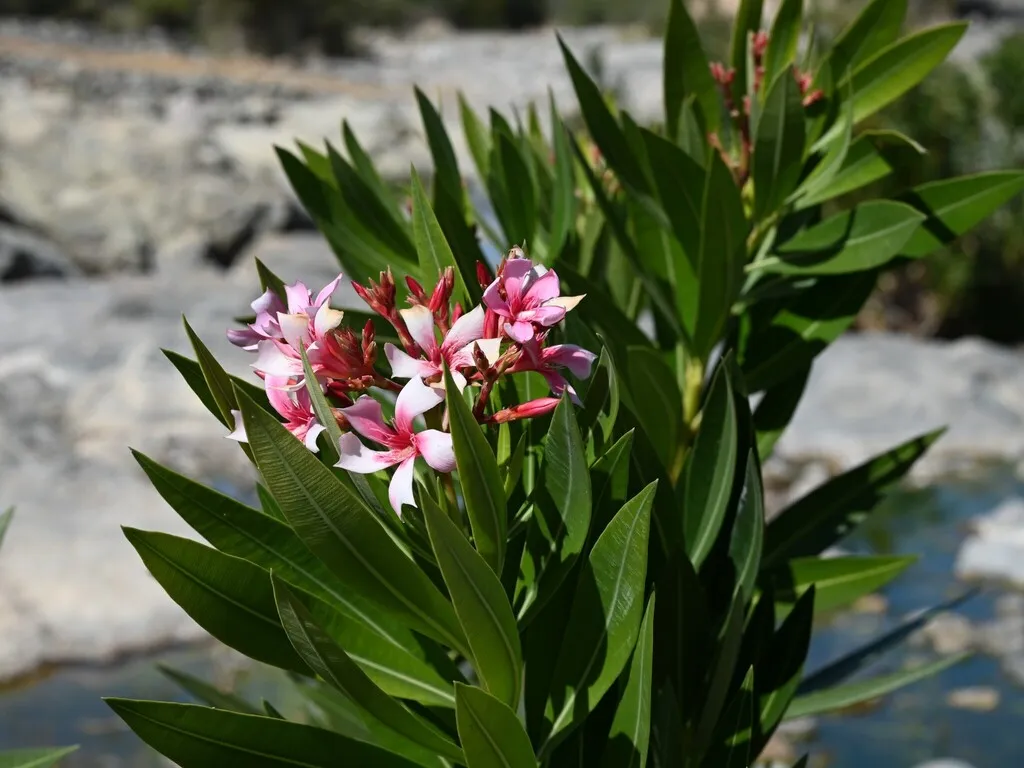
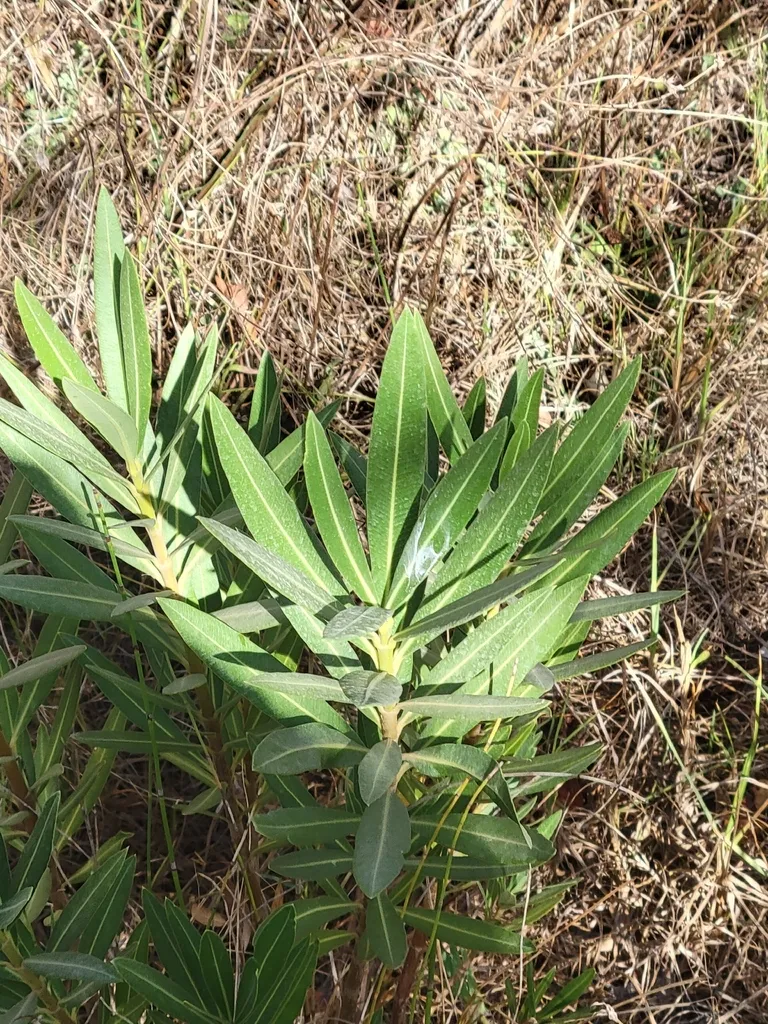
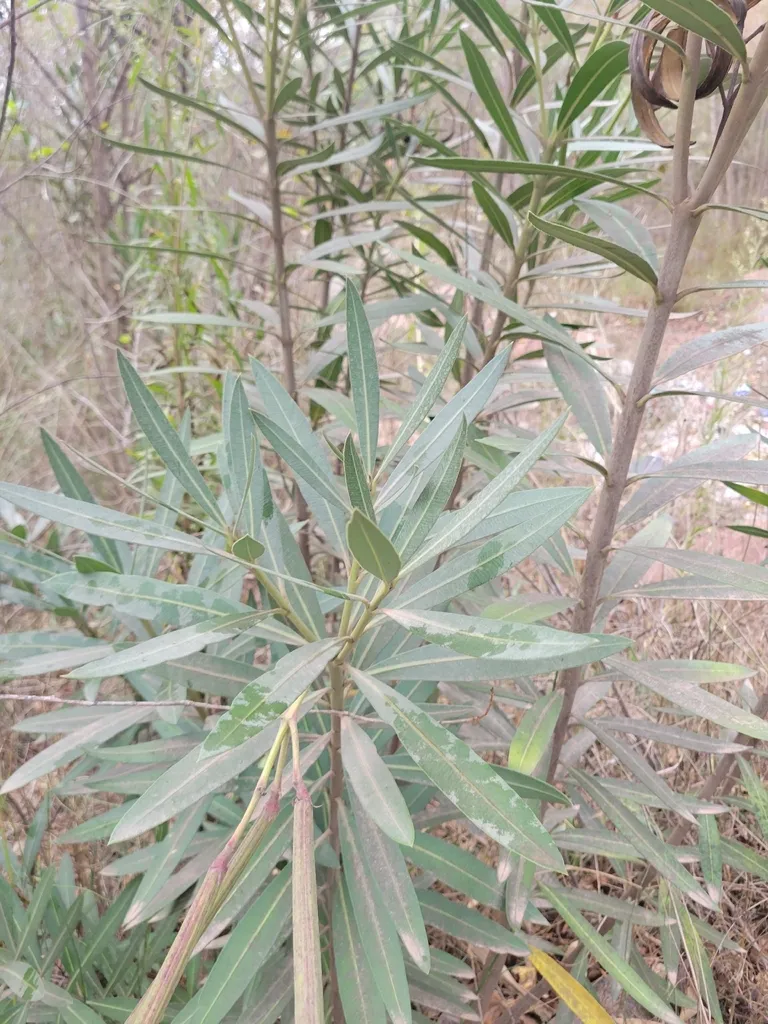
| Care difficulty | 2 / 5 |
|---|---|
| Watering schedule | Water deeply when soil is dry, drought-tolerant once established |
| Sunlight requirements | Full sun |
| Ideal temperature | 15 – 25 °C |
| Soil type | Chalk · Clay · Loam · Sand |
| Soil pH | Acid · Alkaline · Neutral |
| Soil moisture | Moist but well drained |
| Fertilizing | Fertilize in spring and summer with balanced formula |
| Toxicity | TOXIC if eaten, smoke from burning is harming. Wear gloves and other protective equipment when handling] |
How to Water oleander?
Oleander is a plant that exhibits a relative balance in its water needs. Native to arid areas, it has developed some drought tolerance. The watering routine for this species should be once every 1-2 weeks. Being an evergreen plant, oleander maintains its foliage year-round, which implies a consistent need for water irrespective of the season.
Learn more →What Are the Sunlight Requirements for oleander?
Oleander thrives in full sun, relishing the intensity and duration of direct light to fuel its vigorous growth and prolific flowering. While it tolerates partial sun, insufficient light can lead to reduced bloom production and potential legginess as oleander strains for light. Oleander's leaves may exhibit adaptability by altering their orientation to maximize light absorption. For outdoor growth, sites with unobstructed sun exposure are recommended. If placed indoors, a south-facing window where sunlight is most abundant would be ideal, ensuring oleander receives the light it craves for optimal health and floral display.
Learn more →What Is the Ideal Temperature Range for oleander?

Oleander is notably resilient to temperature variations, able to tolerate cold down to -5℃ (23℉) and heat up to 43℃ (109℉). This adaptability makes it suitable for diverse climates but also necessitates specific care. During colder seasons, frost protection is essential to prevent damage, as symptoms of cold stress include leaf drop and wilting. In extreme heat, signs of distress include scorched leaves and stunted growth. Countermeasures involve relocating the plant to a sheltered, warmer spot or providing shade and ample water in high temperatures. Understanding these requirements ensures oleander thrives in various environmental conditions.
Learn more →What Soil Is Best for oleander?
The oleander is robust and very adaptive. It can grow well in common soil, but grows more vigorously in fertile, loose and well-drained sandy loam. It is also better to plant the oleander in slightly acidic or neutral soil. The soil can be a mixture of leaf mould and garden soil, with the addition of a base fertilizer for extra nutrients.
- Soil type
- Chalk · Clay · Loam · Sand
- Soil pH
- Acid · Alkaline · Neutral
What Are the Moisture Requirements for oleander?
Moist but well drained
Learn more →How to Fertilize oleander?

Fertilizing oleander with balanced nutrients promotes lush foliage and vibrant blooms. Spring to summer, feed monthly with a 10-10-10 blend, halving the dose for potted oleander. Skip winter feeding; oleander rests. Diligent use ensures robust growth but over-fertilizing risks damage. Always water oleander post-application to distribute nutrients without root burn. Safety first: oleander is toxic; handle fertilizers with care, avoiding skin contact and inhalation.
Learn more →How to Prune oleander?

Oleander is a flowering shrub known for its vigorous growth and vibrant blooms. Prune in early spring to control size, shape, and promote healthier blooms. Remove dead or damaged branches first, then thin out overcrowded areas to improve air circulation. Cut back overgrown stems to just above a leaf node. Regular pruning helps prevent disease and encourages more prolific flowering. Always use clean, sharp tools to prevent plant stress and disease transmission.
Learn more →How to Propagate oleander?

A popular evergreen shrub, oleander is known for its vibrant flowers and adaptability to a range of environments. Propagation of oleander is most effective through cuttings, ensuring clones of the parent plant, with practical tips including selecting healthy semi-hardwood stems, making clean cuts, and using rooting hormones for improved success rates. Rooting should be done in a well-draining medium, kept moist but not soggy to foster root development without decay or disease. Once established, young oleander plants require a nurturing transition to their permanent growing locations.
Learn more →How to Transplant oleander?
The perfect time to transplant oleander is during late spring to mid-summer when it's actively growing. Choose a sunny location with well-drained soil for optimal results. Be gentle with the roots while transplanting; they appreciate a smooth transition to their new home.
Learn more →How to Care for oleander in Winter?

Oleander hails from the Mediterranean climate, enduring temperate winters with ease. This hardy plant's thick leaves and stem coating act as insulators. However, severe cold can be detrimental, causing leaf drop or plant death. As such, winter care should include preserving warmth. Consider moving potted oleander indoors or mulching garden-planted oleander to safeguard the root system and maintain soil temperature.
Learn more →How to Plant oleander?
Indoors-potted: Ensure oleander is placed where it can stretch upwards—this plant loves to grow tall, even indoors. Rotate the pot regularly for balanced growth. Outdoors-potted: In a pot outside, oleander needs protection from strong winds which can damage its upright form and delicate foliage. Outdoors-in the ground: When planted in the ground, oleander thrives with space to expand, just watch out for its toxic sap when pruning.
Learn more →How to Repot oleander?
For oleander, a lush, toxic shrub, repot every 2-3 years in spring to accommodate growth. Choose a pot 2 inches larger than its root ball to ensure sufficient space. Post-repotting, place oleander in bright, indirect light and water moderately to encourage recovery. Handle with care due to its poisonous nature. With the right pot and attention, oleander will flourish beautifully.
Learn more →How to Harvest oleander?

Information to be completed
Learn more →Common Pests & Diseases

Diseases
High Risk Host for Xylella fastidiosa. May be susceptible to honey fungus (rarely)
Pests
May be susceptible to scale insects, mealybugs and glasshouse red spider mites under glass
Explore the plant health library →The Toxicity of oleander
TOXIC if eaten, smoke from burning is harming. Wear gloves and other protective equipment when handling]