
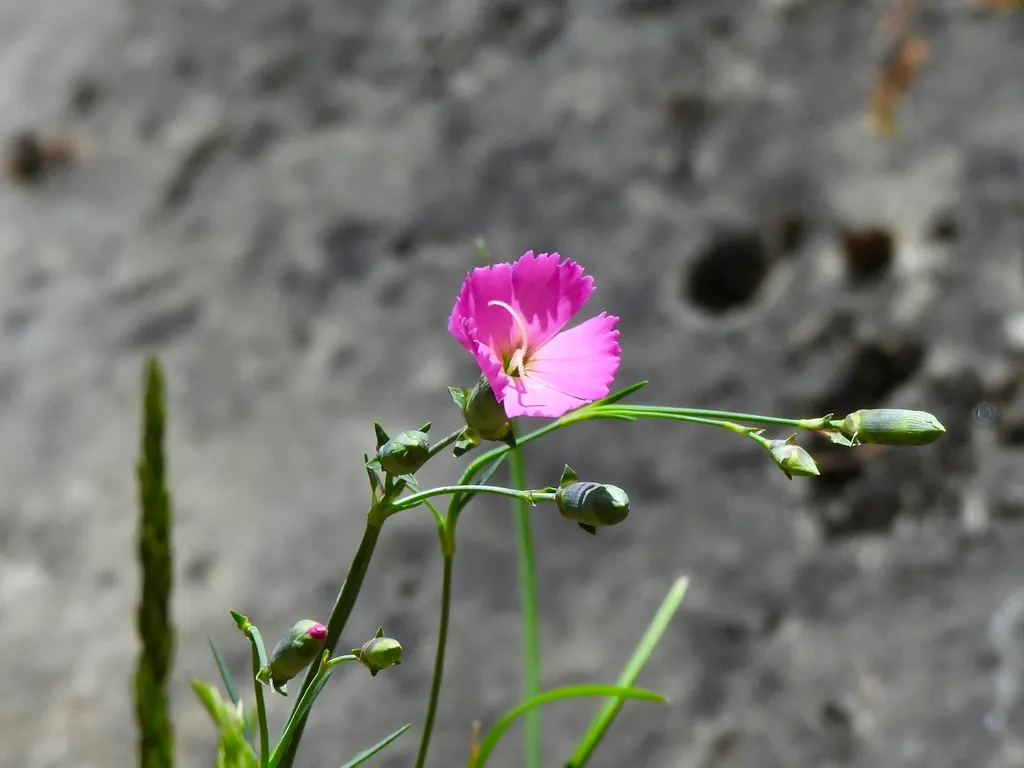



border carnation

border carnation · Propagation

border carnation · Dianthus caryophyllus
Also known as: carnadine; carnation; clove carnation; clove gilliflower; clove pink; coronation; cottage pink; dainty; dainty lady; fair maids of Kent; gilliflower; gilly flower; grenadine; lusty gallant; pale pageant; picotee; sad pageant; sops in wine

Carnation typically thrive in well-draining soil with regular watering to keep the soil moist but not waterlogged. A special care point for carnation is their need for full sun exposure to ensure healthy growth and abundant flowering. Deadheading spent flowers is crucial to encourage continued blooming. Overall, carnation are considered easy to care for, making them suitable for gardeners of all levels.

Watering: Moderate regular watering, allowing brief slight drying between soakingsSunlight: Full sunSkin allergen, wear gloves and other protective equipment when handling]

How to Propagate border carnation?

Carnation is widely appreciated for its vivid floral display and delightful fragrance. To propagate carnation, utilize cuttings from healthy, disease-free mother plants. Select a vigorous stem with several leaf nodes, snip it just below a node, and remove the lower leaves. Dip the cut end in a rooting hormone to accelerate root development and plant it in a well-draining soil mixture. Ensure consistent moisture and good light exposure without direct midday sun. With proper care, cuttings will establish roots and grow into robust individual plants.

PlantCare

Your Ultimate Guide to Plants

Identify, grow and nurture the better way!

PlantCare plant identification and care illustration
PlantCare

Botanist in your pocket

Scan to download PlantCareDownload on the App Store

Scan the QR code with your phone camera to download the app