
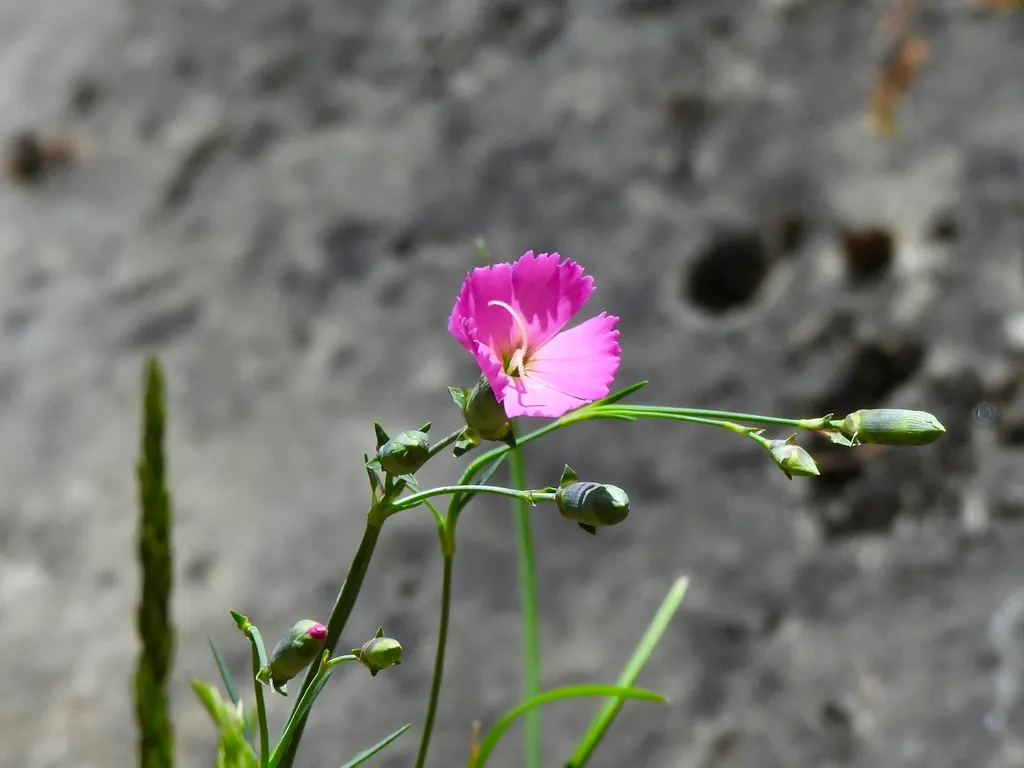



border carnation

border carnation · Soil

border carnation · Dianthus caryophyllus
Also known as: carnadine; carnation; clove carnation; clove gilliflower; clove pink; coronation; cottage pink; dainty; dainty lady; fair maids of Kent; gilliflower; gilly flower; grenadine; lusty gallant; pale pageant; picotee; sad pageant; sops in wine

Carnation typically thrive in well-draining soil with regular watering to keep the soil moist but not waterlogged. A special care point for carnation is their need for full sun exposure to ensure healthy growth and abundant flowering. Deadheading spent flowers is crucial to encourage continued blooming. Overall, carnation are considered easy to care for, making them suitable for gardeners of all levels.

Watering: Moderate regular watering, allowing brief slight drying between soakingsSunlight: Full sunSkin allergen, wear gloves and other protective equipment when handling]

What Soil Is Best for border carnation?

Carnation prefers to be planted in well-drained, fertile soil. A neutral to alkaline pH soil such as chalk or loam is best for growing. The plant's tolerance against drought makes it popular amongst beginner gardeners, as it can survive with minimal effort or strict watering regime. However, it will not flourish under poor drainage. For this reason, it's best to add extra drainage in the form of horticultural grit or sand to your soil if you are gardening in an area with heavy clay soil or where the water table is particularly high and the soil is likely to become wet and compacted during the winter months.

Soil type
Loam · Sand · Chalk
Soil pH
Neutral · Alkaline
PlantCare

Your Ultimate Guide to Plants

Identify, grow and nurture the better way!

PlantCare plant identification and care illustration
PlantCare

Botanist in your pocket

Scan to download PlantCareDownload on the App Store

Scan the QR code with your phone camera to download the app