
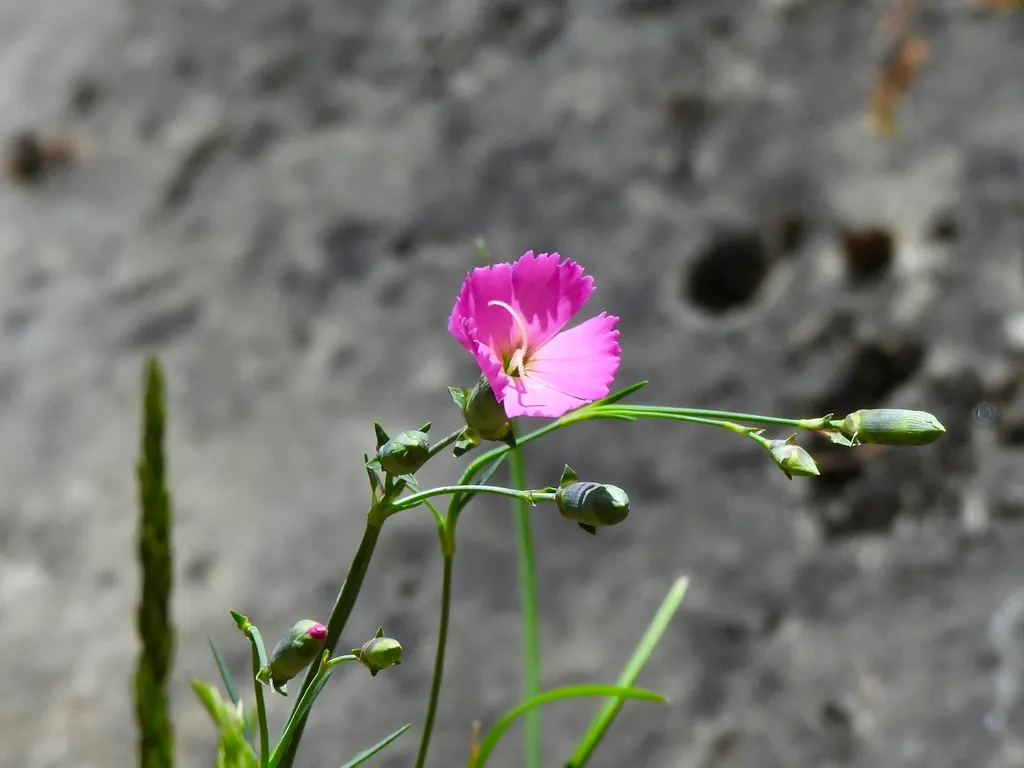



border carnation

border carnation · Temperature

border carnation · Dianthus caryophyllus
Also known as: carnadine; carnation; clove carnation; clove gilliflower; clove pink; coronation; cottage pink; dainty; dainty lady; fair maids of Kent; gilliflower; gilly flower; grenadine; lusty gallant; pale pageant; picotee; sad pageant; sops in wine

Carnation typically thrive in well-draining soil with regular watering to keep the soil moist but not waterlogged. A special care point for carnation is their need for full sun exposure to ensure healthy growth and abundant flowering. Deadheading spent flowers is crucial to encourage continued blooming. Overall, carnation are considered easy to care for, making them suitable for gardeners of all levels.

Watering: Moderate regular watering, allowing brief slight drying between soakingsSunlight: Full sunSkin allergen, wear gloves and other protective equipment when handling]

What Is the Ideal Temperature Range for border carnation?

Carnation demonstrates moderate resilience to temperature variations. It tolerates cold down to 0℃ (32℉) and heat up to 38℃ (100℉). This adaptability makes carnation suitable for climates with mild seasonal extremes. During cold spells, frost protection like mulching or covering may be necessary, while shading and adequate watering help in extreme heat. Symptoms of temperature stress include yellowing leaves and reduced blooms; frost damage may cause blackened leaves. Countermeasures involve relocating potted plants indoors during cold snaps and ensuring adequate moisture and ventilation during heatwaves.

PlantCare

Your Ultimate Guide to Plants

Identify, grow and nurture the better way!

PlantCare plant identification and care illustration
PlantCare

Botanist in your pocket

Scan to download PlantCareDownload on the App Store

Scan the QR code with your phone camera to download the app