
spearmint
Also known as: common mint; garden mint; garden spearmint; green pea mint; lamb mint; mackerel mint; Mary's herb; sage of Bethlehem
A vigorous rhizomatous perennial forming an extensive colony of upright, four-ribbed stems, up to 100 cm tall and wide. Typically sweet-scented leaves are oval shaped, with pointed tips and serrated edge. Leaves are bright green, 5-9cm long and 1-3cm wide. Light purple flowers 2-3mm small are produced in interrupted, slender terminal spikes in summer
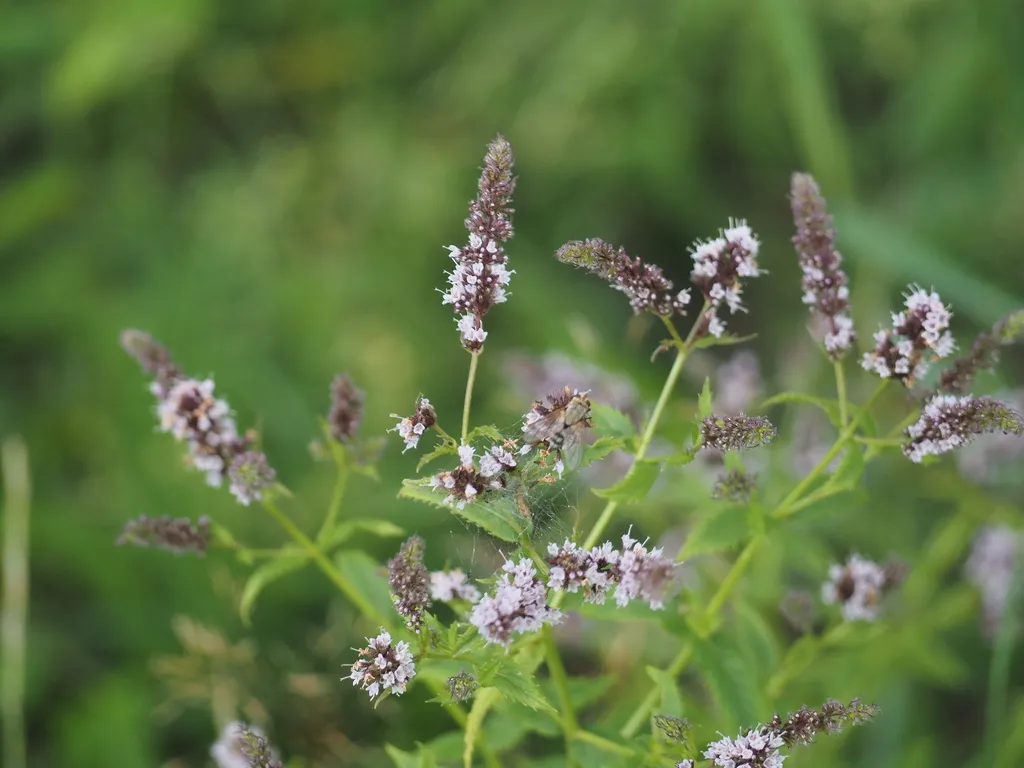
Scientific classification
- Species
- spearmint (Mentha spicata)
- Genus
- Mentha
- Family
- Lamiaceae
- Order
- Lamiales
- Class
- Magnoliopsida
- Phylum
- Tracheophyta
- Information to be completed
- Toxicity
- Herbaceous Perennial · Herbs - Culinary
- Plant type
- 0.5-1 metres
- Height
- 1-1.5 metres
- Spread
- Deciduous
- Foliage
- Suckering
- Habit
- Spring · Summer · Autumn
- Season of interest
- Full sun · Partial shade
- Sunlight
- 15 – 25 °C
- Ideal temperature









spearmint pictures
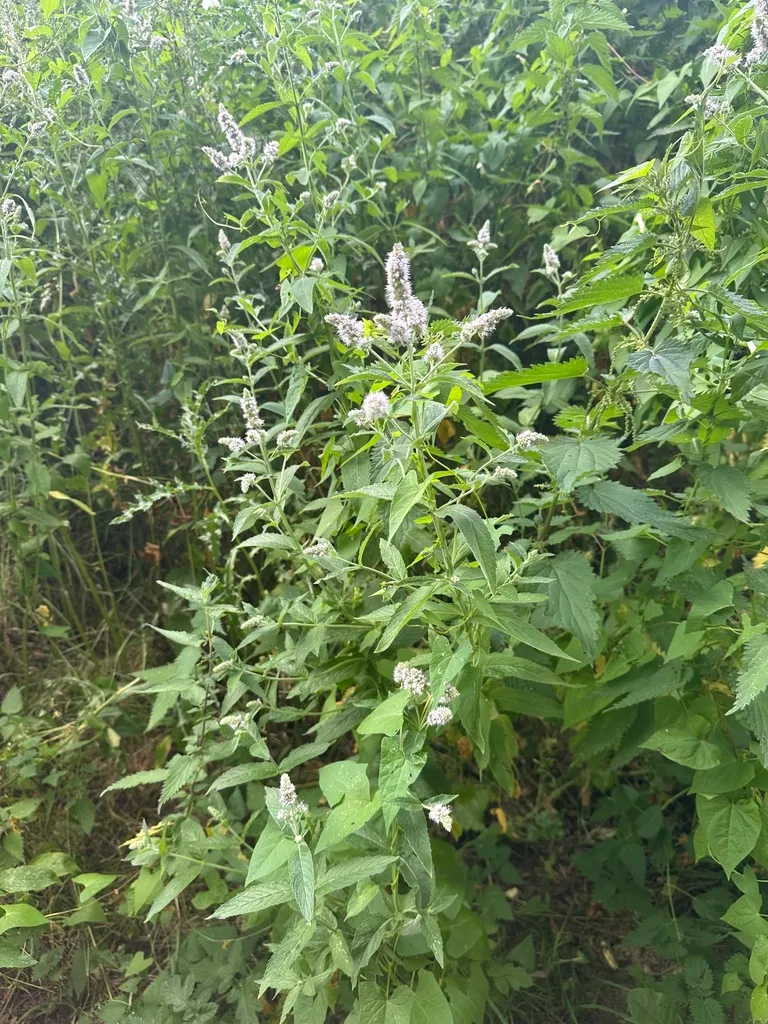
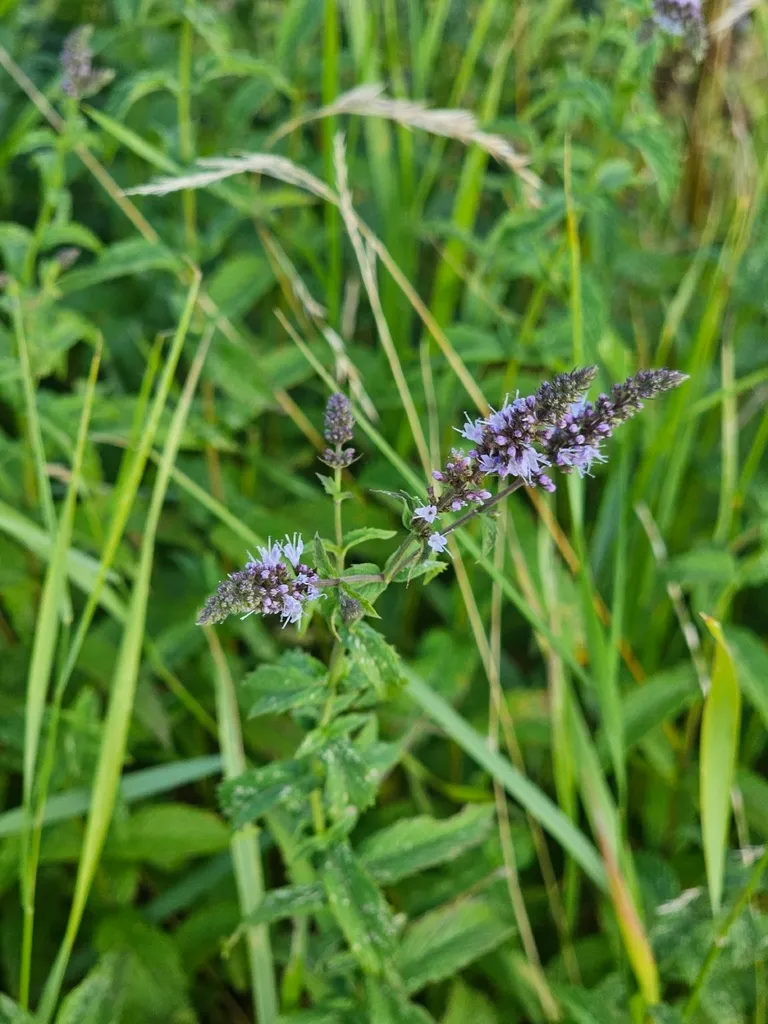
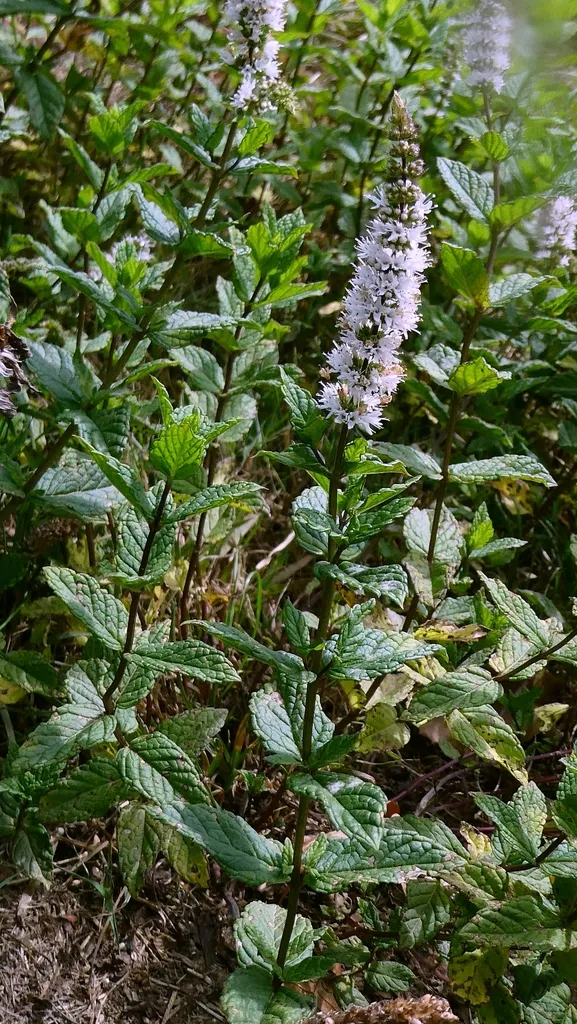
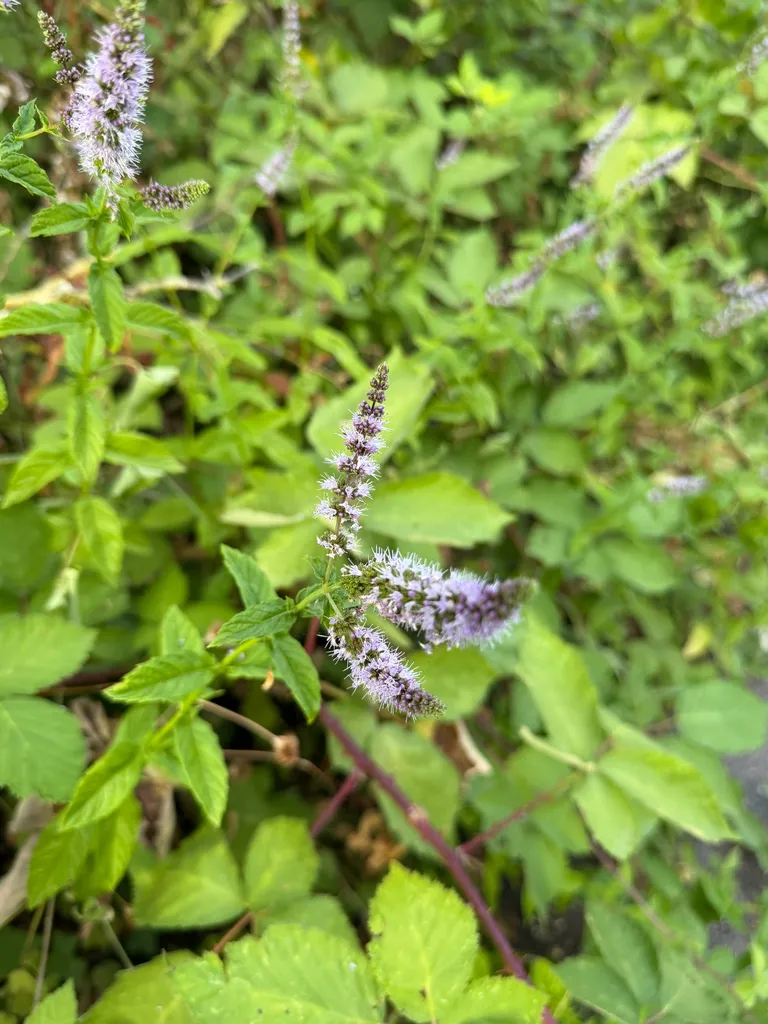
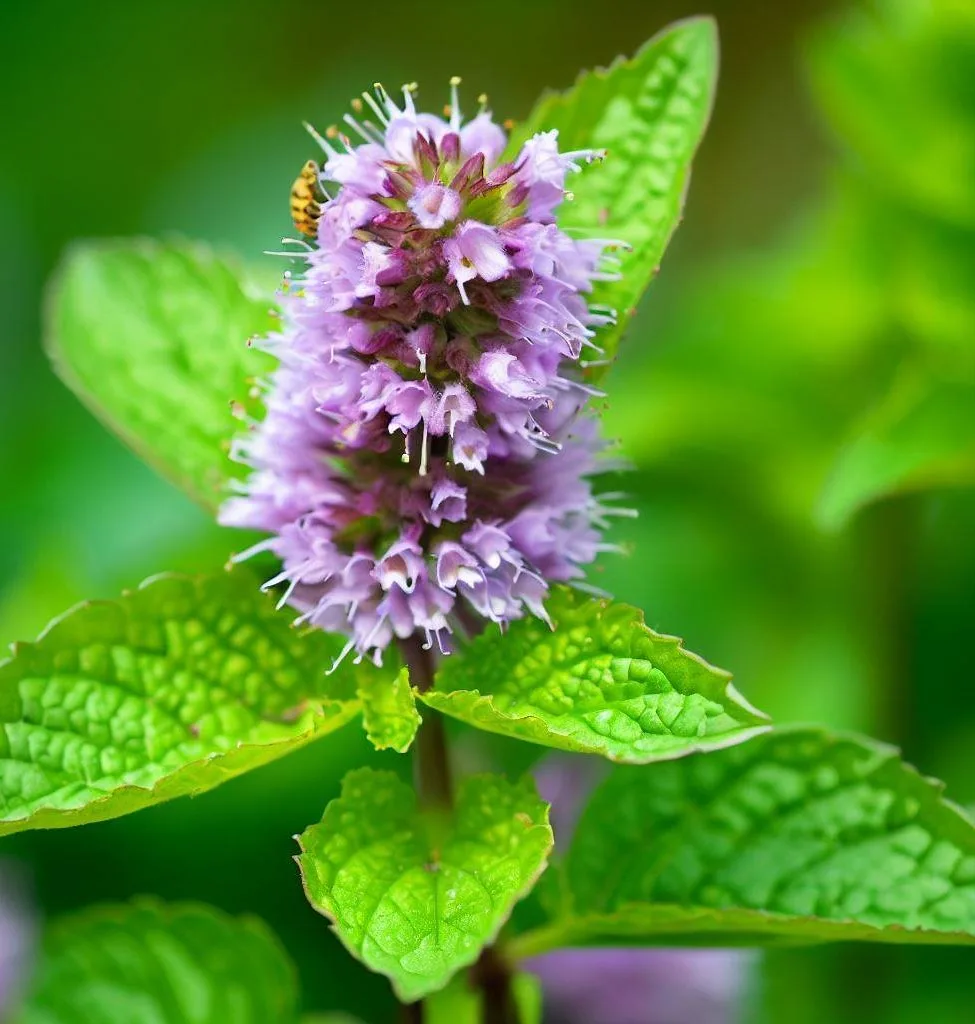
Distribution of spearmint
Distribution map
- Native
- Introduced
- Cultivated
Source:WCVP v16 · Royal Botanic Gardens, Kew · CC BY 3.0 · Boundaries:WGSRPD / TDWG
spearmint care guide
- Moderate regular watering, avoid prolonged drought and stagnant waterlogging
- Watering
- Full sun · Partial shade
- Sunlight
- 15 – 25 °C
- Ideal temperature

Watering
Moderate regular watering, avoid prolonged drought and stagnant waterlogging
Fertilizing
 Fertilizing
Balanced perennial feed every four weeks spring through summer growth
Pruning
 Pruning
Harvest young sprigs regularly to encourage bushy growth and cut back to 5 cm from the base after flowering
Propagation
 Propagation
Propagate by seed or division in spring or autumn
Growing
 Growing
Grow in any moist soil, in any situation. Water newly planted mint until established and if grown in pots in summer. In damp soils in flower beds, the plants may have the potential to become invasive; restrict the root run in a deep container and plunge into the ground, or plant in a well chosen site where it can grow unrestricted. Plants grown in pots will benefit from splitting and dividing every few years. For more information see mint cultivation
Common pests and diseases
Diseases
May be susceptible to powdery mildews and mint rust
Pests
May be susceptible to sage leafhopper, blue mint beetle and caterpillars
Explore the plant health library →




