
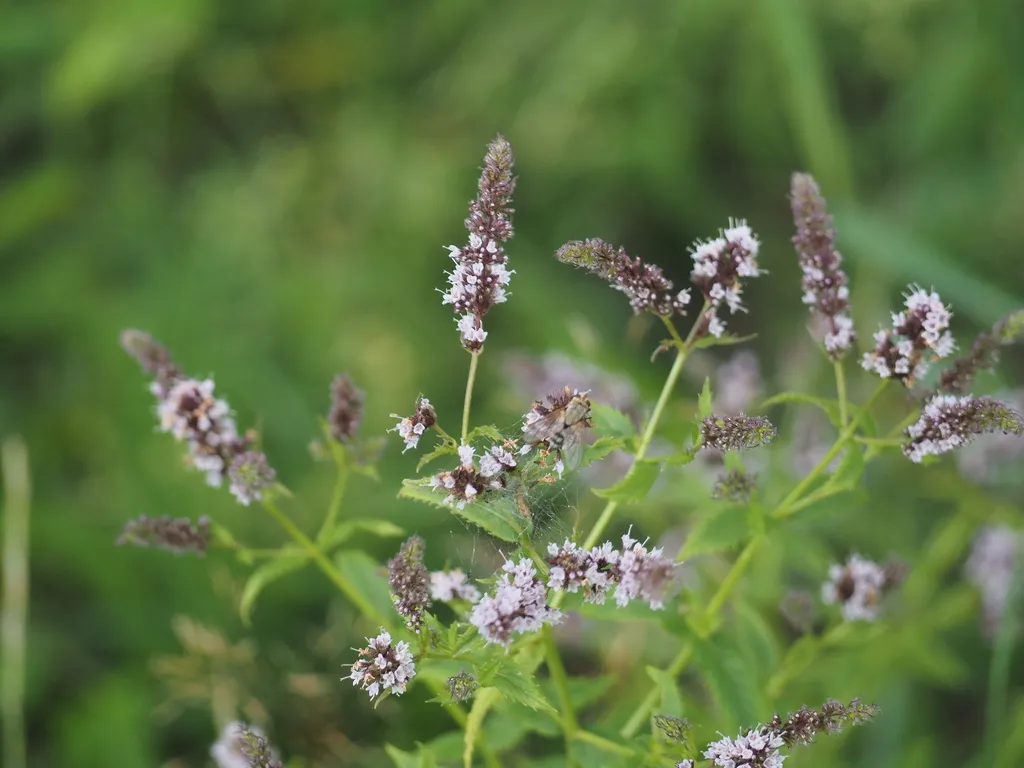



spearmint

spearmint · Soil

spearmint · Mentha spicata
Also known as: common mint; garden mint; garden spearmint; green pea mint; lamb mint; mackerel mint; Mary's herb; sage of Bethlehem

Spearmint thrives as a perennial herb and is known for its hardiness and minimal care requirements. Key care points include ensuring well-draining soil and abundant sunlight, as overwatering and shade can impede growth. Special care should be given to containing spearmint's spread, as it can become invasive by sending out runners. Regular harvesting of the leaves also encourages fuller growth and maintains plant vitality.

Watering: Moderate regular watering, avoid prolonged drought and stagnant waterloggingSunlight: Full sun · Partial shadeInformation to be completed

What Soil Is Best for spearmint?

Spearmint adapts to a wide range of soil as long as the soil is not too barren or too acidic. However, the best soil is permeable, well-drained, fertile loam that retains water and is rich in humus. It likes fertilizer and requires nitrogen, phosphorus, and potassium. Nitrogen is most important, as it helps leaves and stems to develop. Spearmint is a shallow-rooted plant. It roots grow about 15 cm down and around 30 cm horizontally. Choose a flowerpot or a planting area big enough for it. The suitable pH of soil is 5.5-7.5 and neutral soil is best.

Soil type
Chalk · Clay · Loam · Sand
Soil pH
Acid · Alkaline · Neutral
PlantCare

Your Ultimate Guide to Plants

Identify, grow and nurture the better way!

PlantCare plant identification and care illustration
PlantCare

Botanist in your pocket

Scan to download PlantCareDownload on the App Store

Scan the QR code with your phone camera to download the app