



Planting and Growing Swiss cheese plant



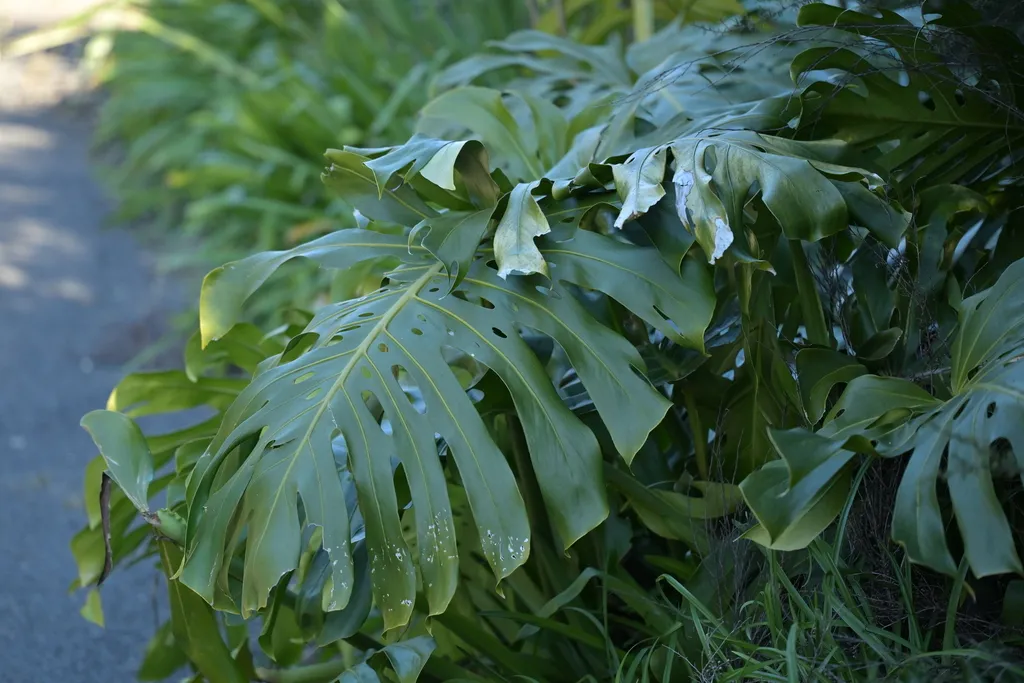
| Care difficulty | 2 / 5 |
|---|---|
| Watering schedule | Water when top inch of soil is dry |
| Sunlight requirements | Partial shade |
| Ideal temperature | 18 – 27 °C |
| Soil type | Chalk · Clay · Loam · Sand |
| Soil pH | Acid · Alkaline · Neutral |
| Soil moisture | Moist but well drained |
| Fertilizing | Monthly during growing season |
| Toxicity | Harmful if eaten, skin/eye irritant. Wear gloves and other protective equipment when handling] |
How to Water Swiss cheese plant?
Native to the tropical rainforests, swiss cheese plant thrives in humid conditions and has a moderate drought tolerance. Its water habits are best described as balanced, requiring consistent moisture without being waterlogged. The ideal watering schedule for swiss cheese plant is once every week to maintain its lush foliage. Typically grown indoors due to its ornamental value, swiss cheese plant benefits greatly from higher humidity levels that mimic its natural habitat; thus, misting or placing it near a humidifier can promote vibrant growth and larger leaves.
Learn more →What Are the Sunlight Requirements for Swiss cheese plant?
Swiss cheese plant thrives in bright, indirect light which aligns with the 'partial sun' recommendation, ideally receiving this light for most of the day. Despite its preference, swiss cheese plant exhibits a good degree of adaptability and can tolerate lower light conditions like 'full shade,' however, this might lead to reduced growth rates and potentially less pronounced leaf perforations, which are characteristic of the plant's charm. Under low light, swiss cheese plant's leaves may also become darker to absorb more light. When grown indoors, placing swiss cheese plant near a window with sheer curtains is ideal. Outdoors, swiss cheese plant should be positioned in a spot that mimics its natural understory habitat, receiving filtered sunlight.
Learn more →What Is the Ideal Temperature Range for Swiss cheese plant?

Swiss cheese plant demonstrates some resilience to temperature variations, tolerating as low as 5℃ (41℉) and as high as 45℃ (113℉). However, it is sensitive to extreme cold and heat. In cold conditions, swiss cheese plant may exhibit wilting, yellowing leaves, and stunted growth. Conversely, excessive heat can cause leaf burns and wilting. During extreme weather, move swiss cheese plant indoors or provide shade and humidity as needed. Ensuring stable indoor temperatures helps maintain its health, making swiss cheese plant suitable for a wider range of environments if well-monitored.
Learn more →What Soil Is Best for Swiss cheese plant?
The optimum soil for swiss cheese plant is well-drained soil, which is slightly acidic with a pH value of 6.1-7.5. While swiss cheese plant can tolerate slightly sandy soil, it prefers moist loamy soil, which is rich in nutrients. If you have standard potting soil, then add in perlite to improve drainage and avoid root rot.
- Soil type
- Chalk · Clay · Loam · Sand
- Soil pH
- Acid · Alkaline · Neutral
What Are the Moisture Requirements for Swiss cheese plant?
Moist but well drained
Learn more →How to Fertilize Swiss cheese plant?

For swiss cheese plant, use high nitrogen fertilizer every 4-6 weeks during the growing season to boost foliage growth, applying according to product instructions. In winter, reduce frequency as growth slows. A balanced liquid fertilizer encourages robustness, so dilute it to half the recommended strength to avoid over-fertilization and root burn. Monitor for signs of over-fertilization like salt buildup or leaf burn and flush the soil occasionally to prevent nutrient toxicity.
Learn more →How to Prune Swiss cheese plant?

Swiss cheese plant, known for its large, fenestrated leaves, benefits from pruning to control size and encourage bushier growth. Perform pruning in early to late spring when new growth appears. Use clean, sharp tools to cut just above a leaf node, removing dead or damaged leaves and stems. Regular pruning promotes a healthier plant and prevents legginess. Always wear gloves to avoid skin irritation from sap. For best results, consult reputable horticultural guides tailored to swiss cheese plant.
Learn more →How to Propagate Swiss cheese plant?

A tropical favorite, swiss cheese plant thrives in indoor environments, boasting perforated leaves that earn it a quirky, cheese-inspired nickname. Enthusiasts can propagate swiss cheese plant through stem cuttings with ease. Snip a segment just below a node, where aerial roots are evident, ensuring a few healthy leaves are present. Dip the cutting in rooting hormone for optimal results, then nestle it into moist potting soil or submerge in water, providing bright, indirect light. Patience is paramount; roots can take a few weeks to emerge, after which swiss cheese plant can be repotted to foster robust growth.
Learn more →How to Transplant Swiss cheese plant?
To transplant swiss cheese plant, choose mid-spring to late-spring or mid-fall to late-fall, as these are the ideal seasons for root development. Select a location with indirect sunlight, and provide well-draining soil. When transplanting, be gentle with its delicate root system, ensuring a successful transition.
Learn more →How to Care for Swiss cheese plant in Winter?

Swiss cheese plant hails from lush rainforests, naturally shielded from freezing winters. However, during brief cold snaps, it leverages its aerial roots for stability and reduced metabolic demand. In households, swiss cheese plant could appreciate a cooler room but never temperatures below 10°C. Gardeners should focus on reduced watering, increased humidity, and periodic checks for pests during winter, mimicking its natural subtropical environment.
Learn more →How to Plant Swiss cheese plant?
Indoors-potted: Keep your swiss cheese plant away from drafty areas indoors to prevent sudden temperature drops which can stress the plant. Outdoors-potted: Swiss cheese plant enjoys a sheltered spot outside where it's protected from harsh wind that could tear its distinctive leaves. Outdoors-in the ground: When planting swiss cheese plant in the ground, ensure ample space for its aerial roots to establish and support its climbing habit.
Learn more →How to Repot Swiss cheese plant?
Repot swiss cheese plant annually to accommodate its vigorous growth; the best timing is during spring. Choose a pot one size larger to support the plant's climbing nature. Post-repotting, place swiss cheese plant in a stable environment and water sparingly until new growth emerges, ensuring a smooth transition to its new home.
Learn more →How to Harvest Swiss cheese plant?

While the swiss cheese plant can bear fruit from the age of six when growing in its natural habitat, it very rare for a houseplant. The fruit that it produces is known for being sweet and tasty when ripe, but if eaten before it is ripe, it can cause throat and skin irritation due to the oxalic acid it contains. Available to harvest in spring, you will know when the fruit is ripe because the outer skin, made up of green hexagonal scales, will start to fall off. It usually takes a full year for the fruit to ripen.
Learn more →Common Pests & Diseases

Diseases
Generally disease free
Pests
May be susceptible to scale insects and glasshouse red spider mite
Explore the plant health library →The Toxicity of Swiss cheese plant
Harmful if eaten, skin/eye irritant. Wear gloves and other protective equipment when handling]