
white velvet
Also known as: white gossamer
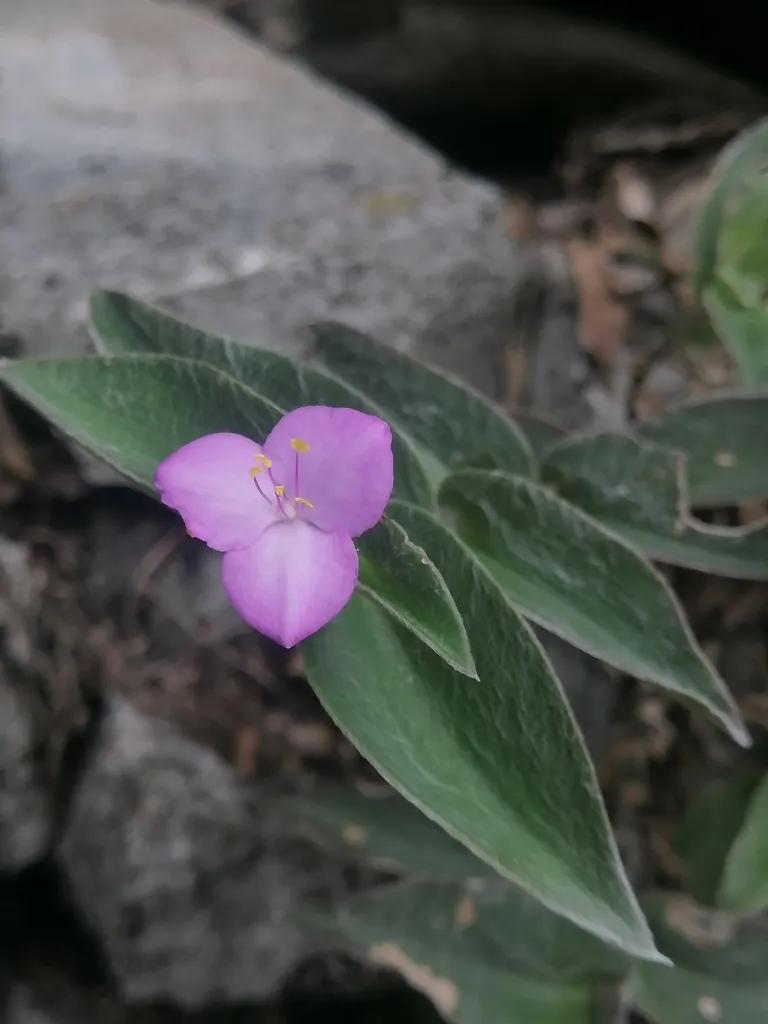
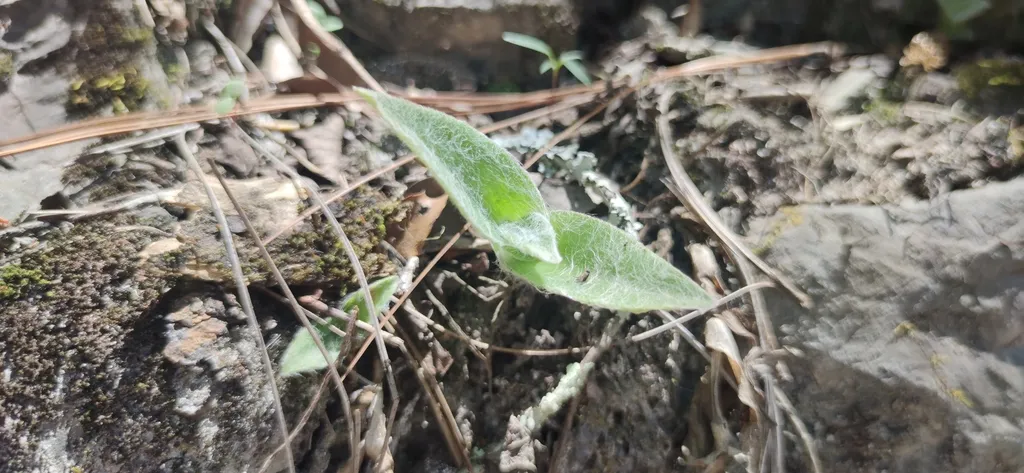
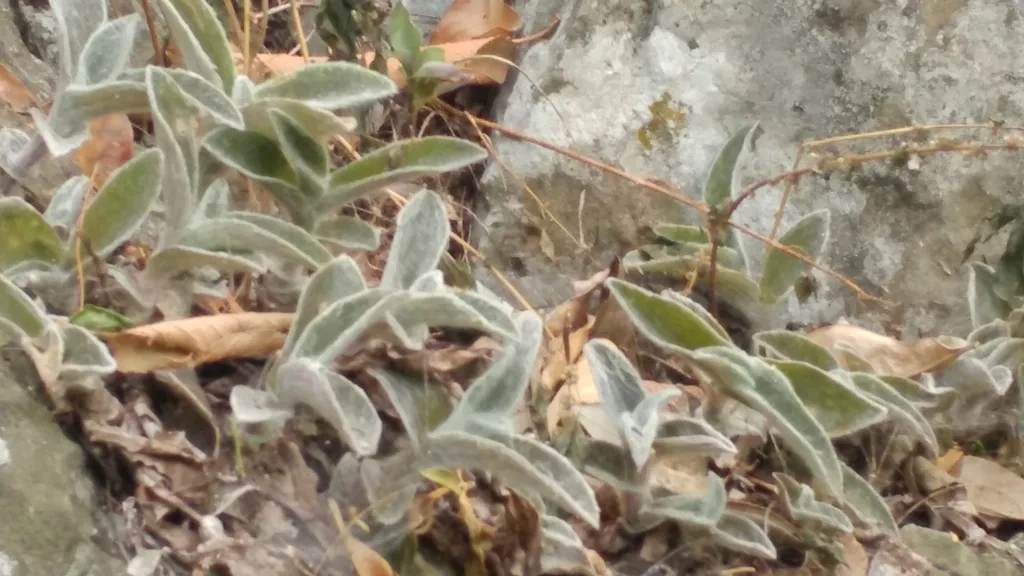
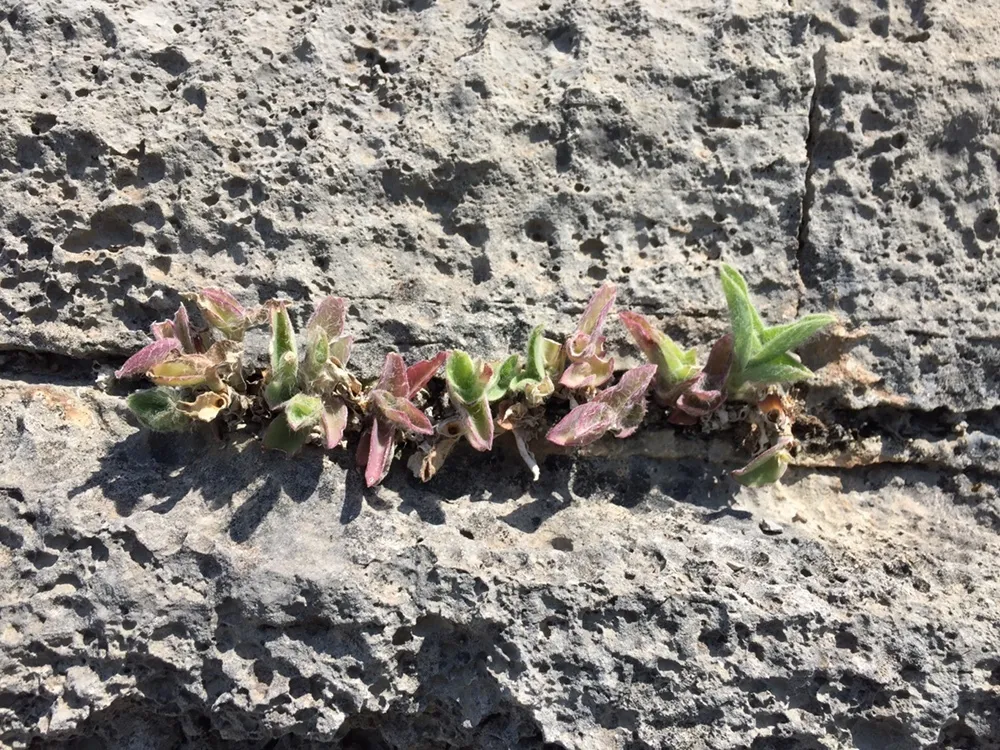
T. sillamontana is an evergreen perennial to 30cm, with erect to trailing stems bearing ovate, folded leaves covered with silky white hairs; deep rosy-pink, 3-petalled flowers 2cm across in terminal clusters
Scientific classification
- Species
- white velvet (Tradescantia sillamontana)
- Genus
- Tradescantia
- Family
- Commelinaceae
- Order
- Commelinales
- Class
- Liliopsida
- Phylum
- Magnoliophyta
- Skin allergen. Wear gloves and other protective equipment when handling
- Toxicity
- Conservatory Greenhouse
- Plant type
- 0.1-0.5 metres
- Height
- 0.1-0.5 metres
- Spread
- Evergreen
- Foliage
- Trailing
- Habit
- Spring · Summer · Autumn · Winter
- Season of interest
- Full sun · Partial shade
- Sunlight
- 18 – 27 °C
- Ideal temperature









white velvet pictures
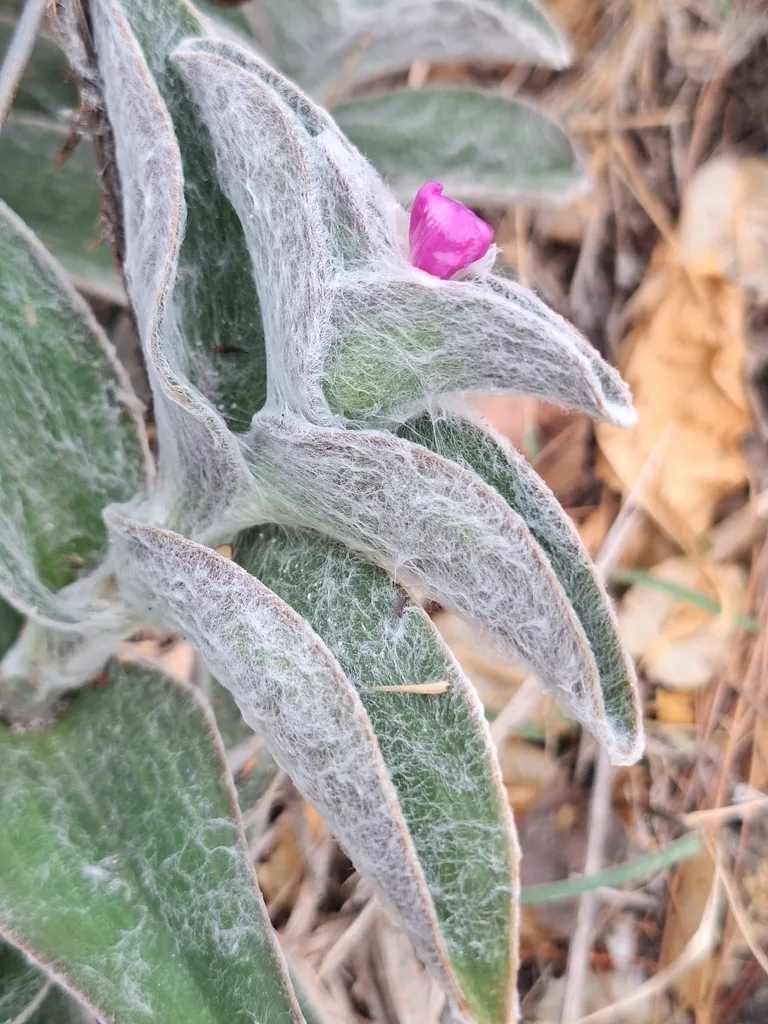
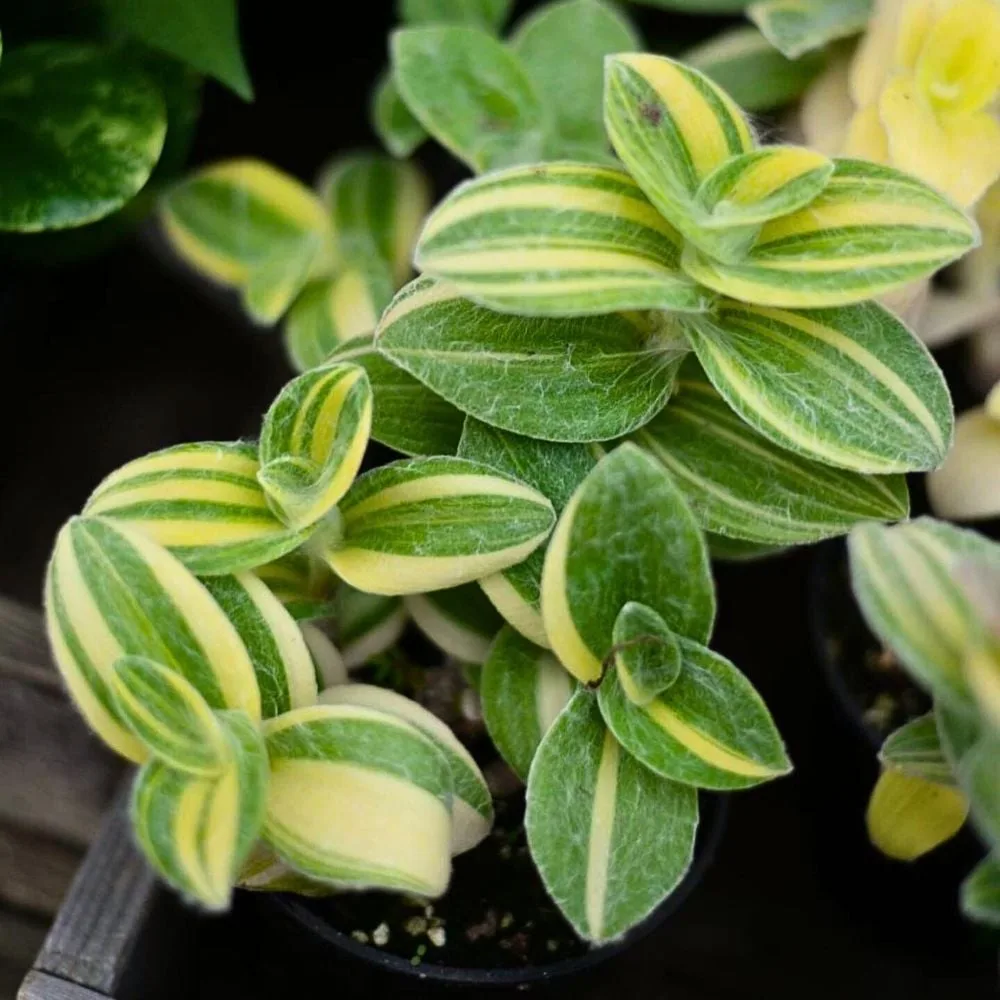
Distribution of white velvet
Distribution map
- Native
- Introduced
- Cultivated
Source:WCVP v16 · Royal Botanic Gardens, Kew · CC BY 3.0 · Boundaries:WGSRPD / TDWG
Toxicity
Skin allergen. Wear gloves and other protective equipment when handling
white velvet care guide
- Moderate regular watering, allowing brief slight drying between soakings
- Watering
- Full sun · Partial shade
- Sunlight
- 18 – 27 °C
- Ideal temperature

Watering
Moderate regular watering, allowing brief slight drying between soakings
Fertilizing
 Fertilizing
Balanced perennial feed every four weeks from spring through summer
Pruning
 Pruning
Pinch growing tips to encourage bushiness and remove plain green foliage
Propagation
 Propagation
Propagate by softwood cuttings using stem tips in spring or summer, rooting in cutting compost or water then pot up into loam-based potting compost (JI No.1)
Growing
 Growing
Under glass grow in loam-based potting compost (JI No.2) in bright filtered light; water moderately when in active growth using a balanced liquid fertiliser monthly, water sparingly in winter. Outdoors grow in moist, fertile soil in sun or shade. Water freely in dry weather
Common pests and diseases
Diseases
Generally disease-free
Pests
May be susceptible to red spider mite, mealybugs, aphids, vine weevil and thrips
Explore the plant health library →




